Log in
AG Paintball is located in Weare, NH.
Tucked in the scenic woods of Weare, New Hampshire, AG Paintball offers a fresh and family-friendly take on outdoor adventure gaming. Known for its vibrant atmosphere and innovative approach, AG Paintball caters to players of all ages and skill levels, making it a go-to destination for birthday parties, corporate team-building, and weekend fun.
The most popular option is low-impact paintball, which uses smaller, lighter paintballs fired at reduced velocities. Another standout feature is AG Paintball’s adoption of Gellyball—a newer, gentler alternative gaining traction across the U.S. For those who prefer a tech-forward twist, AG Paintball also offers laser tag.
AG Paintball operates both outdoor and indoor fields, ensuring year-round play regardless of New England’s unpredictable weather.
OutdoorsHilltop Fun Center is located in Somersworth, NH.
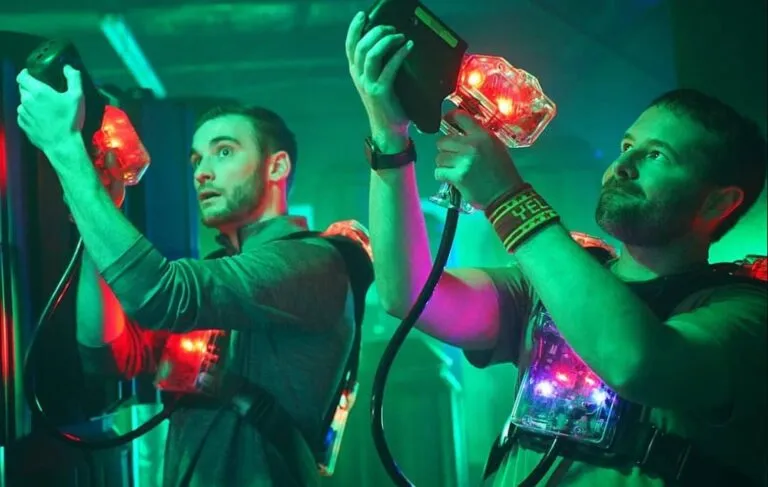
At Hilltop Fun Center, laser tag isn’t just a game—it’s an immersive experience. Equipped with state-of-the-art gear and a multi-level, maze-like arena, the attraction transforms participants into elite operatives navigating through fog machines, pulsing lights, and futuristic sound effects. The course is strategically designed with obstacle zones, tunnels, and hidden vantage points, encouraging teamwork, strategy, and quick reflexes. Whether visitors are launching a stealthy flank or defending a key position, every game is different, offering endless replay value.
The venue also boasts a variety of other attractions, including arcade games with ticket redemption, miniature golf, and seasonal offerings like outdoor go-karts and bumper boats when the weather permits. This diverse lineup ensures that even those who prefer friendly competition over tactical missions will find something exciting to enjoy.
With operating hours that accommodate both weekday afternoons and weekend crowds, the center is a flexible option for spontaneous outings or planned events.
Indoors
The landscape of modern recreation has undergone a massive transformation over the past few decades, evolving from traditional playground games to high-tech, immersive experiences. Among these, laser tag stands out as a premier choice for those seeking a combination of physical activity, strategic depth, and technological wonder. It is a sport that transcends age barriers, offering a unique blend of competitive gaming and physical fitness. By examining its mechanics, benefits, and the environments where it thrives, one can better understand why this activity continues to dominate the global entertainment industry.
Laser tag is a high-tech recreational sport where players use handheld infrared-emitting devices to “tag” sensors worn by their opponents. Despite the name, the system rarely uses actual lasers for the tagging process; instead, it relies on infrared light, the same safe technology found in standard television remote controls. When a player pulls the trigger on their equipment, a beam of infrared light is emitted. If this beam makes contact with a sensor on an opposing player’s vest or headband, the system registers a hit.
The sophistication of laser tag hardware has increased significantly since its inception in the 1980s. Modern equipment includes integrated computer systems that track scores in real-time, broadcast sound effects, and provide haptic feedback through vibration. These systems are managed by centralized software that can adjust variables such as “health points,” ammunition counts, and respawn times. This allows for a highly customizable experience that can range from a simple game of “tag” to a complex simulation involving various character classes and objectives.
The versatility of the technology allows for a wide array of game modes, often referred to as scenarios. While the basic “Every Man for Himself” or “Team Deathmatch” modes remain popular, more structured scenarios provide a deeper level of engagement. In “Capture the Flag,” teams must coordinate their movements to infiltrate enemy territory, retrieve an object, and return it to their base without being tagged. This requires a division of labor, with some players acting as defensive guards while others serve as agile attackers.
Another popular scenario is “Domination” or “King of the Hill,” where teams compete to control a specific geographical point or a digital “base” for a set amount of time. “VIP Protection” is another tactical favorite, where one team must escort a specific player to a designated extraction zone while the opposing team attempts to tag the VIP. These scenarios transform laser tag from a mere shooting game into a test of leadership, communication, and logistical planning. Each mode forces players to adapt their movement and conservation of “lives,” making every round a fresh intellectual and physical challenge.
Laser tag offers a multitude of benefits that extend far beyond simple entertainment. Physically, it is a high-intensity cardiovascular activity. Players are constantly in motion—sprinting between cover, crouching to avoid detection, and navigating complex terrain. An hour of play can result in thousands of steps, making it an effective way to improve stamina and agility without the monotony of a traditional gym workout.
Moreover, the psychological benefits are equally noteworthy. The game demands high levels of situational awareness and executive function. Players must process visual and auditory information rapidly to make split-second decisions. Strategic planning is essential; understanding when to advance and when to retreat fosters critical thinking skills. Furthermore, the social aspect of the game builds camaraderie. Success in team-based scenarios relies heavily on effective communication and trust, which can strengthen interpersonal relationships and improve social confidence in a low-stakes, fun environment.
From a technological and physiological standpoint, scientists and industry experts view laser tag as a milestone in the “gamification” of physical fitness. Researchers in the fields of sports science often highlight laser tag as an “exergaming” medium that successfully bridges the gap between sedentary video games and outdoor sports. Because the game mimics the mechanics of first-person shooters, it appeals to a generation raised on digital media, effectively encouraging them to engage in vigorous physical movement.
Industry experts also point to the safety profile of laser tag as a primary reason for its sustained growth. Unlike paintball or airsoft, which involve physical projectiles that can cause bruising or require extensive protective gear, laser tag is entirely non-contact. Experts in child development and safety frequently endorse laser tag because it provides the thrill of competition without the risk of injury. Furthermore, the advancement of “long-range” infrared technology has allowed the industry to expand into massive outdoor environments, proving that the technology is robust enough to compete with more traditional tactical sports.
While laser tag is enjoyed by all ages, it holds a special place in the lives of children and adolescents. It is one of the few activities where a child’s physical size is less important than their stealth and strategy. This leveling of the playing field makes it an inclusive environment for kids who may not excel in traditional sports like basketball or soccer. Most facilities cater to ages six and up, providing lightweight equipment specifically designed for smaller frames.
For children, laser tag serves as a vital pedagogical tool. it teaches the importance of following rules, respecting opponents, and working toward a collective goal. It also provides a safe outlet for the natural desire for competitive play. Because there are no “bullets” and no physical impact, parents can feel comfortable allowing their children to engage in a game that emphasizes precision and teamwork over aggression. Many modern centers also integrate educational components, such as logic puzzles that must be solved mid-game to unlock power-ups, further enhancing the developmental value of the experience.
The adaptability of laser tag makes it a premier choice for themed events and celebrations. For a birthday party, it offers an all-inclusive package that combines excitement with ease of management for the hosts. The structured nature of the game keeps large groups of energetic children organized and engaged, while the scoring system provides a sense of achievement for every participant.
Graduations represent a transition from one life stage to another, and laser tag provides a perfect “de-stressing” environment for students who have just finished grueling exams. It allows for a final bonding experience with peers in a high-energy setting that celebrates their collective achievement.
In the professional world, corporate parties and team-building retreats utilize laser tag to break down social hierarchies. When the CEO and the entry-level intern are on the same team trying to capture a digital objective, barriers are removed. It fosters a different kind of communication—one based on immediate tactical needs—which often translates back to better cooperation in the office. Corporate events often focus on high-level strategy scenarios that mirror project management challenges, making the fun both relevant and productive.
The experience of laser tag is heavily influenced by the venue. Indoor venues are the most common and are often located in family entertainment centers. These arenas typically feature neon lighting, artificial fog to make the infrared beams visible, and multi-level mazes. The controlled environment allows for play regardless of weather conditions and emphasizes close-quarters combat. Indoor facilities often use music and lighting effects to create a futuristic, sci-fi atmosphere that enhances the sensory experience.
Outdoor venues, often referred to as “Tactical Laser Tag,” provide a completely different dynamic. Played in wooded areas, urban mock-ups, or open fields, outdoor laser tag utilizes specialized equipment capable of tagging over long distances, sometimes up to several hundred feet. This version of the game relies heavily on real-world tactics, such as camouflage and using natural terrain for cover. Outdoor play offers the added benefit of fresh air and a larger scale of movement, appealing to those who prefer a more “military-simulation” style of play. Both environments have their merits, and the choice often depends on the desired level of realism and the specific goals of the group.
Laser tag has matured from a niche novelty into a sophisticated sport that serves a wide variety of social and physical needs. Its unique combination of advanced infrared technology, diverse gameplay scenarios, and inherent safety makes it an ideal activity for children, families, and corporate teams alike. Whether played in a neon-lit indoor maze or across a rugged outdoor landscape, laser tag remains a powerful testament to the enduring appeal of active, imaginative play. As technology continues to advance, the line between the digital and physical worlds will continue to blur, ensuring that laser tag remains at the forefront of modern recreation for years to come.