Log in
Fun Quest is located inside the Grand Sierra Resort and Casino, on the eastern edge of Reno, Nevada, about two miles from downtown.
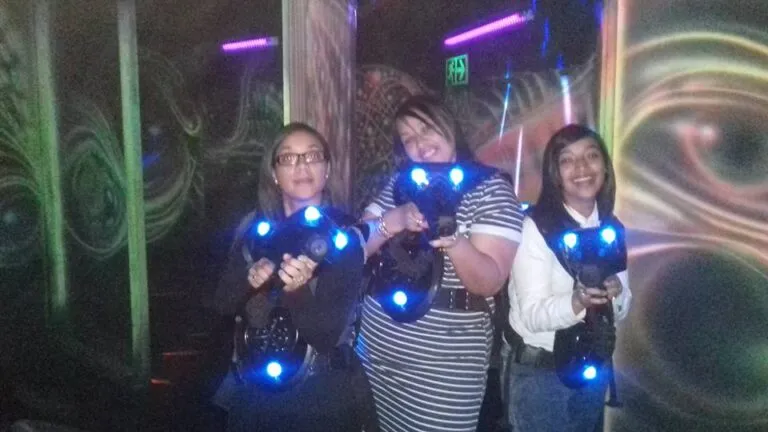
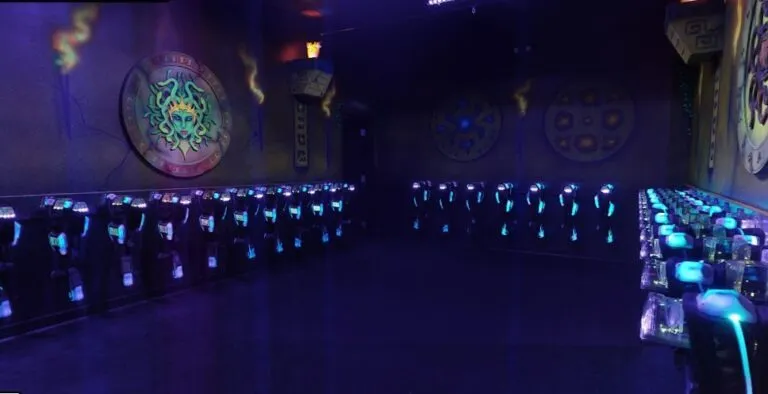
The venue is a 40,000-square-foot family entertainment center anchored by the largest laser tag arena in Reno, a 9,000-square-foot maze of walls and raised platforms, plus Battlefield LIVE, an indoor combat simulation game. Guests can also enjoy more than 125 arcade and ride games, bumper cars, carnival midway games, escape rooms, and Tumble Town, a multi-level play area with a bounce house and toddler zone for younger children.
Fun Quest is well set up for birthdays, team events, and group outings, with private party rooms and customizable packages for parties of 8 to 100 guests that can include pizza, laser tag, and extra game play. The friendly staff, clean and spacious layout, and a free Adventure Club loyalty program make it a comfortable choice for families, school groups, and corporate team-building, with plenty of nearby resort amenities for resting and refueling between activities.
IndoorsCoconut Bowl at Wild Island sits in Sparks, Nevada, within the Wild Island entertainment complex along East Lincoln Way, just minutes from the Reno metro area. It’s a year-round, all-in-one fun zone featuring Elite Force Laser Tag in a two-story immersive jungle arena, USBC-sanctioned bowling with glow bowling, indoor go-karts, outdoor and glow mini golf, an XD Adventure Theater, billiards, a large arcade and the High Ballocity indoor playground.
Between games, guests can refuel at Water Dogs Bar & Grill and the seasonal Tiki Shack Food Truck, with two full-service bars offering a branded tropical lager. The venue hosts all-inclusive birthday packages, private event rooms and bowling garages, plus group events for corporate teams, sports groups and kids’ camps, with an experienced events team on hand to plan custom celebrations.
IndoorsIn an era dominated by screens and sedentary entertainment, laser tag stands as a defiant, adrenaline-pumping relic that has evolved into a high-tech sport. It is more than just a game of “tag”—it is a full-body tactical experience that blends exercise, strategy, and pure, unadulterated fun. Whether you are stalking through a neon-lit urban arena or navigating a forest clearing, laser tag offers a unique escape from the mundane.
At its core, laser tag is a recreational shooting sport where participants use infrared-emitting light guns to tag designated targets on their opponents’ vests or sensors. Unlike paintball, there are no projectiles, meaning no pain, no messy cleanup, and no need for bulky protective gear.
Modern equipment uses sophisticated radio frequency and infrared technology to track hits, manage “lives,” and provide real-time statistics. It is the closest thing to stepping into a sci-fi action movie, where you are the protagonist and the environment is your digital battlefield.
Modern laser tag arenas have evolved far beyond basic “kill-the-most-people” matches. Today, professional venues offer complex, mission-based gameplay that requires intellectual engagement:
While participants are focused on the thrill of the chase, they are inadvertently engaging in a high-intensity interval training (HIIT) session.
Experts in child development and ergonomics frequently praise laser tag for its “gamic” approach to physical exercise. Unlike traditional sports that can feel like a drill, laser tag leverages the “Flow State”—a psychological state where a person becomes fully immersed in a task.
Industry analysts point out that the rise of “Tactical Laser Tag” (which uses realistic, weighted equipment) has bridged the gap between military simulation training and civilian entertainment. By utilizing technology that tracks accuracy, reaction time, and movement patterns, researchers have even used laser tag systems to study decision-making under stress.
While often associated with childhood birthdays, the demographic of laser tag has shifted dramatically. Today, leagues exist for adults, and “tactical” laser tag draws in military enthusiasts and gaming fans alike.
Laser Tag for Kids: For children, it is a developmental playground. It encourages socialization, teaches children how to follow rules, and allows them to expend vast amounts of kinetic energy in a safe, controlled environment. It is the perfect antidote to “nature deficit disorder.”
If you are tired of the same stale party routines, laser tag offers a shared experience that creates instant memories:
The setting fundamentally changes the game:
Indoor Arenas: These are typically climate-controlled, multi-level environments filled with fog, blacklights, and “cyberpunk” obstacles. They allow for precise, fast-paced play regardless of the weather and are perfect for competitive, high-tech leagues.
Outdoor Arenas: If you want a more “mil-sim” experience, outdoor venues offer natural terrain—forests, bunkers, and trenches. Sunlight and wind add a layer of complexity to the accuracy of equipment, making for a more rugged, tactical experience that is physically demanding and visually immersive.
Regardless of where you play, laser tag remains one of the few places on earth where you can put down your phone, pick up a “laser,” and genuinely connect with the people around you in a high-stakes, high-fun environment.