El Monte
 Log in
Log in
Log in

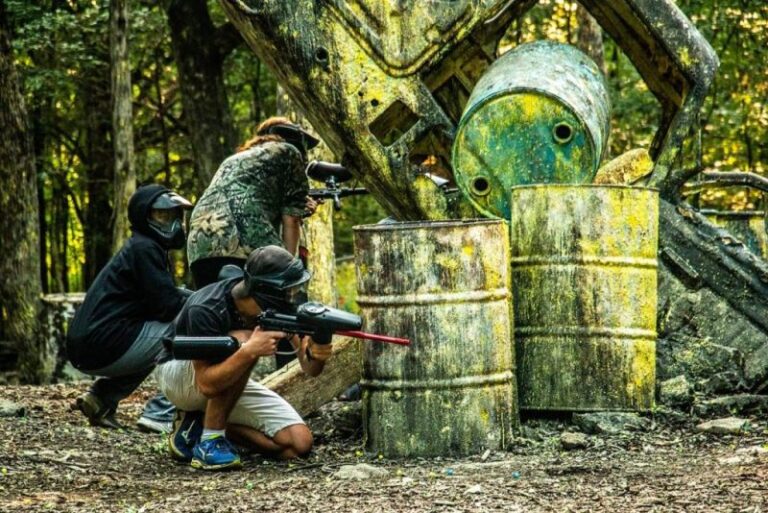
Middle Tennessee Paintball (MTP) sits on Kedron Road in Spring Hill, Tennessee, a short drive south of Nashville in the heart of Middle Tennessee.
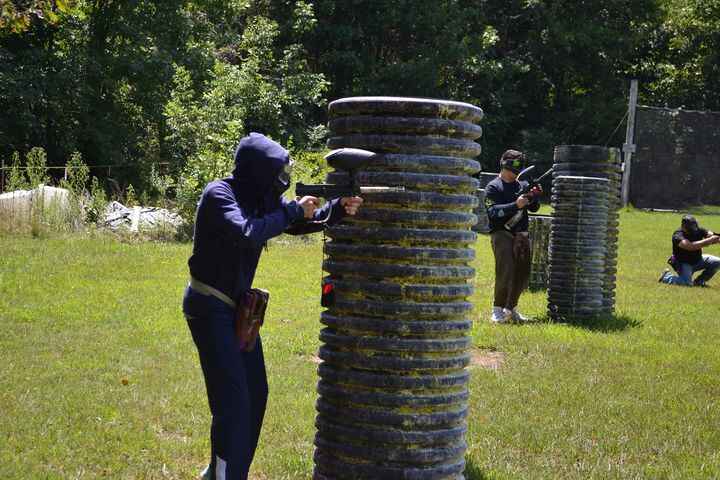
MTP is a family-run outdoor paintball field offering a variety of playing areas, including speedball, woodsball, hyperball, xball, and 5-man airball setups. The facility hosts tournaments and special events throughout the year, and rental packages are available for players without their own gear. The knowledgeable, friendly staff keep the experience safe and enjoyable for everyone from first-timers to competitive regulars.
Beyond open play, MTP is well suited for birthdays, group get-togethers, and corporate team-building days, with group reservations handled by the team. On-site amenities include restrooms, drinks, and credit card payment, and the welcoming atmosphere makes it a genuine hub for the local paintball community.
 Outdoors
Xtreme Paintball TN sits just east of Nashville in Lebanon, Tennessee, at 212 Old Laguardo Rd. W, a short drive from the city and easy to find.
The park offers three massive themed outdoor fields — Crash Site, Nuke Town, and Ambush Acres — with tactical objectives like flag capture and elimination games. Three daily sessions include night games under the lights, with a DJ-style sound system, PA towers, and trained referees guiding play. Rental packages include markers, masks, unlimited air refills, and premium break-on-impact paintballs, with everything from novice to pro options for individuals and groups.
Beyond open play, the park specializes in birthday parties, bachelor parties, and corporate team-building events, each with private picnic tables, energetic referees, and customizable packages. Spectators can watch from fully netted viewing areas, guests can bring their own food, and groups of 30 or more can book an exclusive field with their own referee. The friendly, safety-focused staff and welcoming atmosphere make it a popular choice for families, coworkers, and friends alike.
OutdoorsNashville Paintball sits in the Hermitage area of Nashville, Tennessee, roughly 15 minutes east of downtown, just off Jackson Downs Boulevard.
The club runs four unique outdoor fields — a tournament-style Airball arena, a post-apocalyptic Apocalypse battlefield, an industrial Concrete Jungle, and a forested Woods course — plus a target range. Open walk-on play runs Saturdays and Sundays from 10 a.m. to 4 p.m., while private events are available seven days a week with assigned referees, customizable game modes, and exclusive access to all four fields. Packages include equipment rental, safety briefings, and a choice of .50 or .68 caliber markers.
The facility is well set up for birthday parties, bachelor and bachelorette parties, corporate events, and team building, with catering available for an additional fee. Spectators are welcome, and the site offers a staging area, drinks, flush toilets, and ample parking. With over 15 years of experience and more than 1,000 events hosted, the crew handles everything from safety briefings to game flow, making it a dependable choice for groups of all sizes.
OutdoorsPaintball has evolved from a niche recreational activity into a global phenomenon that blends physical exertion, strategic thinking, and adrenaline-fueled competition. Whether played in a professional tournament setting or a casual weekend gathering, the sport offers a unique way to test one’s reflexes and teamwork. Understanding the mechanics, rules, and benefits of paintball is essential for anyone interested in stepping onto the field.
At its core, a paintball is a spherical capsule essentially designed as a delivery system for gelatin-encased, water-soluble dye. The shell is constructed from food-grade gelatin, making it biodegradable and environmentally friendly. Inside, the “paint” consists of polyethylene glycol, mineral oil, and non-toxic food coloring.
When a paintball is fired from a marker—the specialized air-powered device used in the sport—it travels at speeds typically capped at 300 feet per second. Upon impact with a target, the thin gelatin shell ruptures, marking the spot with a bright, unmistakable splash of color. This impact-activated marking system serves as the definitive way to determine if a player has been “eliminated” during a match, replacing subjective arguments with objective visual evidence.
While rules can vary slightly depending on the venue or the specific league, the fundamental principles of paintball remain consistent across the globe. Safety is the paramount concern. Every participant is required to wear a specialized thermal-lens mask that covers the entire face and ears. These masks are engineered to withstand direct impacts and are the only barrier between a player and potential eye injury.
In a standard game, the primary objective is to eliminate opponents by tagging them with a paintball. A player is considered “out” if they are hit anywhere on their body or equipment, resulting in a mark larger than a quarter. Once hit, the player must raise their marker, signal that they are eliminated, and proceed to the designated dead zone. Other rules typically include “surrender” policies—where a player may offer an opponent the chance to forfeit if they are caught at point-blank range to prevent bruising—and prohibitions against shooting players who have already been eliminated.
The variety found in paintball scenarios is one of the sport’s greatest strengths. Matches rarely rely on a single format, allowing players to shift between different tactical requirements.
Paintball acts as an incredible outlet for physical and mental development. Physically, it is a high-intensity interval training session. Players are constantly sprinting, diving, crawling, and maneuvering, which builds cardiovascular endurance and core strength.
Mentally, it fosters rapid decision-making under stress. Because the environment is dynamic and shifts second-by-second, players must learn to process information quickly, communicate effectively with teammates, and manage their adrenaline. Furthermore, it serves as an excellent vehicle for team building. Professional corporations and sports teams frequently use paintball to break down communication barriers, as success on the field is impossible without high-level coordination and mutual trust.
The demographic profile of paintball players is surprisingly diverse. While it is often associated with younger players, the sport has a massive following among adults of all professional backgrounds. It attracts individuals seeking a break from the sedentary nature of modern office work, as well as thrill-seekers looking for a competitive outlet.
Professional paintball leagues draw world-class athletes who treat the sport with the same level of discipline as any traditional professional sport. Simultaneously, the recreational side of the game welcomes families, birthday parties, and bachelor groups. The “level playing field” aspect—where equipment and physical gear often matter less than positioning and communication—makes it an accessible hobby for people of various fitness levels.
From a scientific and physiological perspective, experts view paintball as an effective way to improve neuro-motor coordination. The necessity to track moving targets while maintaining situational awareness engages multiple parts of the brain simultaneously. Researchers in sports psychology have noted that the “flow state” achieved during a fast-paced paintball match helps participants reduce symptoms of stress by focusing their attention entirely on the immediate task.
Industry experts also emphasize the evolution of safety tech. The development of high-pressure air (HPA) systems and advanced mask materials has moved the sport into a much safer category than it occupied in the 1980s. Experts point out that when played at regulated fields with proper safety protocols, the injury rate for paintball is statistically lower than that of common activities like soccer or basketball, largely due to the mandatory requirement of protective gear.
The experience of paintball is largely dictated by the environment in which it is played.
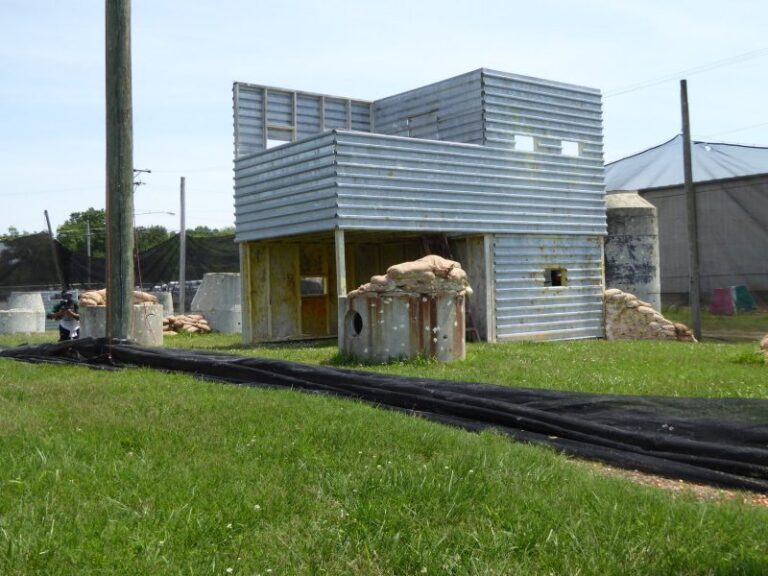
Outdoor Venues: These are often vast, sprawling complexes that utilize natural terrain. Players might find themselves navigating forests, ravines, or purpose-built “towns” constructed from shipping containers and wooden structures. Outdoor play offers the advantage of space, allowing for long-range engagements and tactical movement over larger areas.
Indoor Venues (Speedball): Often referred to as “Speedball,” these venues utilize flat, climate-controlled warehouses with inflatable bunkers (air bunkers). Indoor paintball is characterized by high-speed, close-quarters combat. It is much more spectator-friendly and places a premium on agility and rapid-fire accuracy. Because the environment is constant and controlled, indoor play is often favored by professional tournament teams looking to hone their reaction times in a strictly regulated setting.
Regardless of the choice, both venues provide a distinct atmosphere—one focusing on tactical endurance and the other on pure athletic intensity. Whether a player prefers the stealth required in the woods or the sheer speed of an indoor arena, the sport of paintball continues to offer an unmatched experience for those looking to challenge their limits.


 4215 Kedron Rd, Spring Hill, TN 37174