Log in
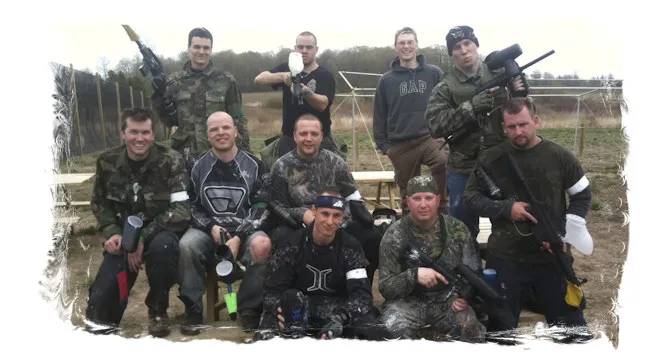
Combat Pursuit paintball and airsoft field is located in Pickering, ON close to Toronto.
Combat Pursuit is a popular destination for paintball and airsoft enthusiasts. The field offers a variety of game scenarios and terrain for players to enjoy, catering to both beginners and experienced players.
One of the highlights of Combat Pursuit is its state-of-the-art equipment and safety measures. With top-notch gear and safety protocols in place, players can have a fun and safe experience on the field. For those who do not have their own equipment, rental options are available.
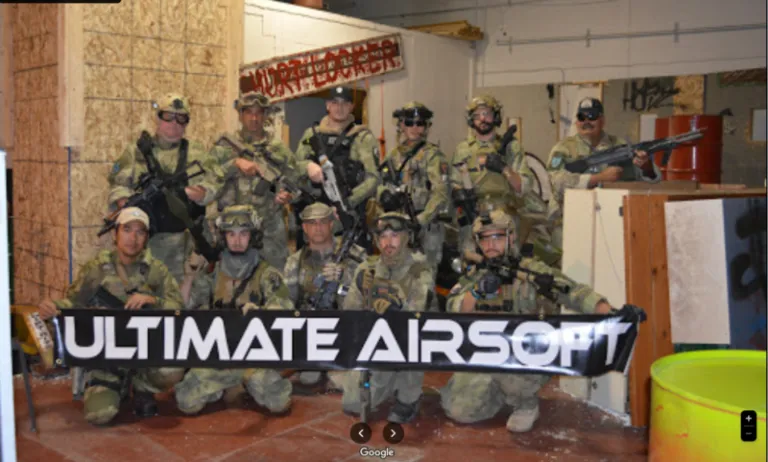
OutdoorsUltimate Airsoft indoor playground and store is located in Toronto, ON.
Are you looking for an exciting and unique experience for your next event? Look no further than Ultimate Airsoft in Toronto! With over 20,000 square feet of playing area, Ultimate Airsoft offers the ultimate close quarter combat (CQB) experience for any event.
At Ultimate Airsoft, they provide the highest quality rental equipment to ensure maximum safety and enjoyment for all guests. With their experienced staff on hand, you can rest assured that your event will be a success. Whether you’re planning a birthday party, Jack/Jill, or corporate event, Ultimate Airsoft has you covered.
Indoors
Airsoft is a sport that blends the tactical excitement of military simulation with the camaraderie of team‑based games. Participants—often called “players” or “airsofters”—use replica firearms that fire 6 mm plastic BBs at velocities low enough to be safe when proper protective gear is worn. Though the guns look and feel like real weapons, they are engineered to be non‑lethal, making the activity suitable for a wide age range and for people who enjoy strategy, physical exercise, and immersive role‑play.
The appeal of airsoft lies in several core pillars: realism, teamwork and strategy, variety of game modes, customization, and a thriving community. Realism is achieved through meticulously detailed replicas, authentic tactical gear, and scenarios that mimic military or law‑enforcement operations. Teamwork and strategy are essential because most matches pit squads against each other; success depends on communication, planning, and coordinated movement. Game modes range from fast‑paced “capture the flag” to elaborate “military simulation” (MilSim) battles that can span whole days and multiple objectives. Customization allows players to modify guns, optics, and accessories to suit personal preferences or specific mission requirements. Finally, the community—spanning local clubs, online forums, and organized tournaments—provides a supportive network that shares knowledge, hosts events, and keeps the sport evolving.
Entering the world of airsoft safely starts with the right protective equipment. Even though the BBs travel at modest speeds, they can cause serious injury if they strike unprotected skin or eyes. A well‑rounded beginner’s kit should include the following items:
| Gear | Why It Matters |
|---|---|
| Eye Protection (rated 99%+ UV protection) | The most critical safety item; prevents permanent eye damage from direct hits. |
| Gloves (tactical or cut‑resistant) | Shield hands from BB impacts and protect against abrasions when crawling or handling objects. |
| Sturdy Boots (high‑ankle, reinforced toe) | Provide ankle support, protect feet from BBs and rough terrain, and improve traction. |
| Knee Pads & Elbow Pads | Absorb shocks when taking cover, kneeling, or falling; reduce bruising and sprains. |
| Helmet (ballistic‑style or tactical) | Guards the head and face from stray BBs; many helmets include rail systems for mounting accessories. |
| Lower Face Protection (full‑face mask or lower‑half shield) | Covers the mouth, nose, and chin, which are vulnerable spots often missed by goggles alone. |
Investing in quality gear pays dividends in confidence and longevity on the field. Most reputable airsoft retailers offer starter bundles that bundle eye protection, gloves, and basic body armor at a reasonable price, making the initial outlay manageable for newcomers.
Airsoft is a self‑regulated sport, and its reputation rests on three foundational principles:
Safety First – Players must always keep their guns on “safe” or “neutral” when not actively engaged, never point a weapon at anyone outside the playing area, and respect the mandatory velocity limits set by the field (typically 350–400 fps for full‑metal‑jack (FMJ) BBs). Most fields require a safety brief before each session, and violations can result in immediate ejection from the game.
The Honour System – Since most matches involve “hits” that are not physically evident, players are expected to call themselves out when struck. Honesty is essential; cheating erodes trust and can lead to disputes that damage the community’s cohesion. Some venues supplement the honour system with electronic hit‑detector vests, but the underlying expectation of integrity remains unchanged.
Respect – This umbrella rule covers respect for fellow players, referees, field staff, and the environment. Players should refrain from aggressive language, follow the designated boundaries, and clean up any debris (including spent BBs) after the game. Respect also extends to the equipment of others; weapons should be handled responsibly, and any damage caused by negligence may require compensation.
Adhering to these rules ensures that airsoft remains a fun, inclusive, and safe pastime for everyone involved.
Airsoft replicas fall into three primary power‑plant categories, each with distinct characteristics that influence performance, maintenance, and cost.
AEGs dominate the market because they combine high fire rates with reliable operation. Powered by rechargeable lithium‑ion or NiMH batteries, an AEG’s motor drives a gearbox that compresses a spring and releases it to propel BBs. Advantages include semi‑automatic and fully‑automatic firing modes, consistent FPS, and easy upgrade paths (tightening springs, improving hop‑up units, etc.). Their downside is a reliance on batteries, which must be charged between matches, and the potential for gearbox wear if not properly lubricated.
Gas guns use compressed propellant—either green gas (propane‑based) or CO₂—to fire BBs. They are prized for realistic blowback action, where the slide or bolt physically recoils, enhancing immersion. Gas pistols and rifles excel in short‑range, high‑impact engagements. However, performance can be temperature‑dependent; cold weather reduces gas pressure and may cause misfires. Gas guns also require regular maintenance of seals and O‑rings to prevent leaks.
The simplest of the trio, spring guns rely on a manually cocked spring to store energy. Once the trigger is pulled, the spring releases, launching a single BB. They are inexpensive, mechanically straightforward, and ideal for beginners or players who prefer a “single‑shot” experience. Their primary limitation is a low rate of fire, making them less competitive in fast‑paced skirmishes. Nonetheless, high‑quality sniper rifles and pistols in this category can be remarkably accurate at longer ranges.
Choosing a gun depends on the player’s budget, preferred game style, and willingness to perform upkeep. Many newcomers start with a mid‑range AEG for its versatility and later expand their arsenal as skills develop.
While airsoft is primarily a recreational activity, it has attracted attention from researchers studying ergonomics, biomechanics, and even ballistics. Academic studies have examined the impact forces of 6 mm BBs, concluding that when proper protective gear is worn, the risk of serious injury is minimal. Biomechanical analyses of movement patterns during airsoft matches reveal that players achieve heart‑rate zones comparable to moderate‑intensity cardio workouts, highlighting the sport’s fitness benefits.
From an industry perspective, manufacturers invest heavily in polymer science to improve the hardness and consistency of BBs, reducing deformation on impact and increasing accuracy. Experts also emphasize the importance of standardized velocity limits to maintain safety across diverse playing environments. In recent years, smart‑electronics have entered the market, with built‑in telemetry that logs shot counts, FPS, and battery health, offering data that can be used for both performance optimization and safety monitoring.
Overall, the consensus among scientists and professionals is that airsoft, when practiced responsibly, is a low‑risk, high‑engagement activity that promotes teamwork, strategic thinking, and physical activity.
Airsoft attracts a surprisingly broad demographic. Young adults in their late teens to early thirties form the core player base, drawn by the tactical authenticity and social aspect. However, the sport also appeals to:
The inclusive culture of many clubs ensures that newcomers of any skill level can find a role—whether as a frontline rifleman, a support medic, or a communications operator.
Finding the right venue is crucial for a rewarding experience. Options range from small indoor arenas to sprawling outdoor battlefields.
Most regions host licensed fields that adhere to local safety regulations and enforce standard FPS limits. These venues often provide rental gear, structured game formats, and on‑site referees. They are ideal for first‑timers because staff can guide newcomers through safety briefings and equipment checks.
Grassroots clubs meet regularly at parks, forests, or private property, organizing informal skirmishes and training sessions. Joining a club offers mentorship from seasoned players, opportunities to test personal gear, and a sense of belonging to a tight‑knit community. Many clubs also host “field days” where members can try out new weapons and accessories.
For those craving immersive, narrative‑driven experiences, MilSim (Military Simulation) events provide multi‑day campaigns with elaborate objectives, realistic command structures, and realistic logistics (e.g., simulated ammunition resupply). These events often take place on large, purpose‑built sites that feature bunkers, trenches, and urban ruins. Participants are encouraged to adopt authentic load‑outs, use radio communications, and follow mission briefings that mimic real‑world operations.
Regardless of the setting, players should verify that the venue follows the established safety and honour guidelines, and that the terrain matches their preferred style of play—whether open fields for long‑range engagements or dense foliage for close‑quarters combat.
Airsoft is more than a hobby; it is a dynamic blend of sport, strategy, and social interaction. Its foundation rests on realistic equipment, teamwork, a wide selection of game modes, extensive customization possibilities, and a supportive community that values safety, honesty, and respect. New players should equip themselves with essential protective gear, understand the core rules that keep the environment safe, and choose a gun type that aligns with their goals and budget.
Scientific research and industry advances continue to enhance safety and performance, reinforcing the sport’s reputation as a low‑risk yet highly engaging activity. With participants ranging from tactical enthusiasts to casual weekend warriors, airsoft offers a versatile platform for everyone seeking excitement, exercise, and camaraderie.
Whether stepping onto a sanctioned field for the first time, joining a local club’s weekly meet‑up, or diving into an elaborate MilSim scenario, the airsoft experience encourages players to think critically, move decisively, and respect one another—principles that extend far beyond the battlefield and into everyday life.