Best of the best Free-roam VR in Atlanta, GA
The city of Atlanta, Georgia is rapidly becoming a leader in virtual reality technology. Virtual reality (VR) has become a household name, allowing users to experience a simulated environment in the comfort of their own home. Atlanta is no exception to the trend, with plenty of VR-related events and resources available throughout the area.

What Is a Free‑Roam VR Arena?
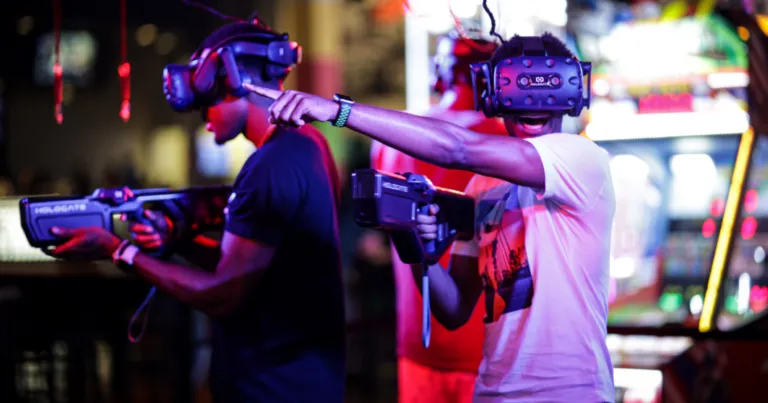
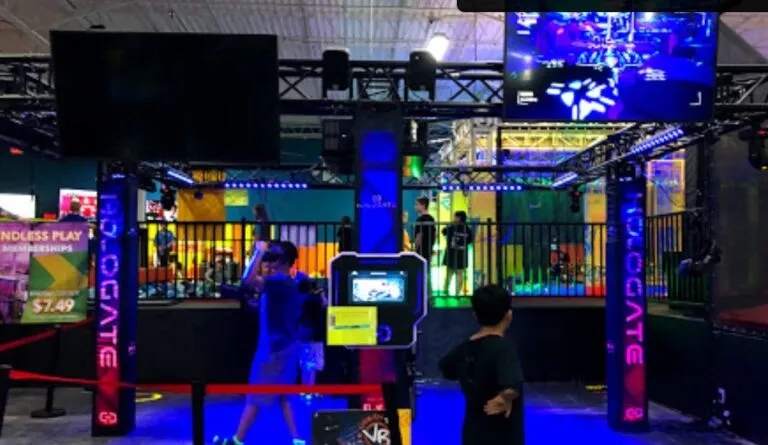
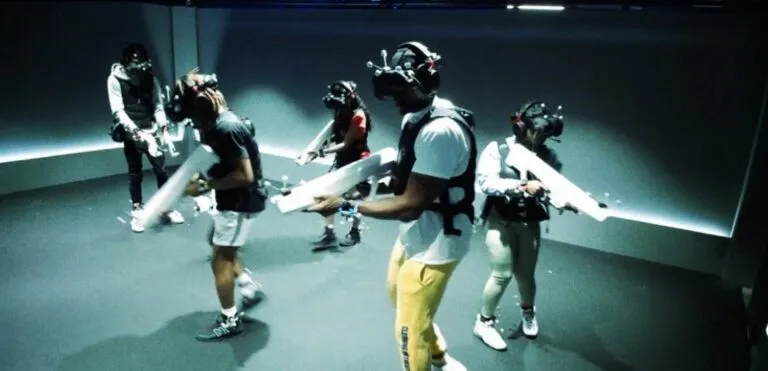
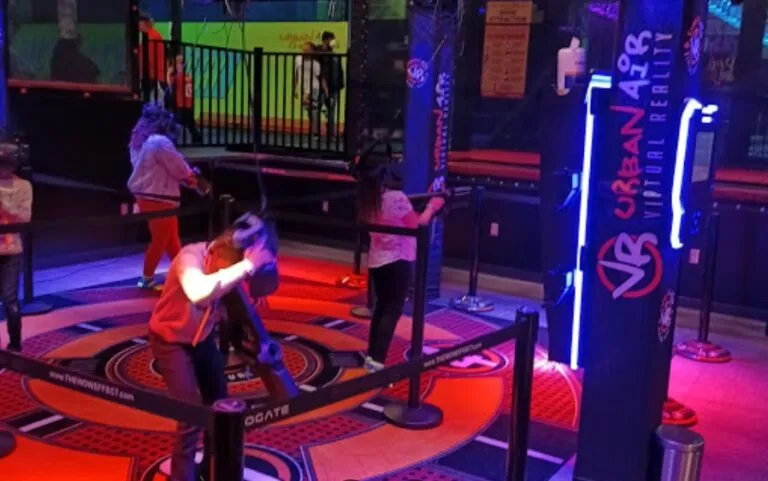
A free‑roam virtual‑reality arena is a physical space that has been transformed into an immersive playground where participants can move unrestricted while wearing a head‑mounted display (HMD). Unlike seated or room‑scale setups that limit motion to a modest area, free‑roam venues are equipped with a network of external sensors, motion‑capture cameras, or infrared beacons that track the user’s position across a room‑sized (or larger) environment. The result is a seamless blend of the digital and the tangible: avatars glide, dodge, and interact in a virtual world while the player’s feet remain firmly on the ground.
Key technical components include:
- Full‑body tracking – either through built‑in HMD sensors or supplemental wearables that capture limb movement.
- Safety infrastructure – padded walls, padded flooring, and sometimes low‑height railings keep participants from colliding with real‑world obstacles.
- Robust networking – low‑latency wireless connections ensure that the virtual representation mirrors the user’s motions in near real‑time.
- Dynamic content engines – software that can adjust the virtual environment on the fly, allowing multiple scenarios to be run in the same physical space.
Together, these elements create an arena where the sense of presence is amplified. Users report a feeling of “being there” that surpasses conventional VR experiences because they can physically walk, run, duck, or even climb, with the virtual world responding instantly.
Free‑Roam VR Scenarios
The versatility of free‑roam technology lends itself to an ever‑growing library of scenarios, each designed to capitalize on unrestricted movement. Some of the most popular categories include:
| Scenario Type |
Core Experience |
Typical Duration |
| Adventure Quest |
Players embark on treasure hunts, solve puzzles, and battle mythic creatures in sprawling fantasy realms. |
15‑30 minutes |
| Sci‑Fi Combat |
Team‑based shooters set aboard spaceships, alien planets, or cyber‑punk cityscapes, emphasizing tactical positioning. |
20‑40 minutes |
| Educational Exploration |
Virtual recreations of historic sites, planetary surfaces, or cellular environments, encouraging hands‑on learning. |
10‑25 minutes |
| Fitness Challenges |
Rhythm‑based workouts, obstacle courses, and dance battles that translate real‑world exertion into in‑game progress. |
10‑20 minutes |
| Narrative Immersion |
Story‑driven experiences where players act as protagonists, making choices that affect the plotline. |
30‑60 minutes |
Because the arena can be re‑configured digitally in seconds, the same physical space can host a high‑octane battle one hour and a tranquil underwater exploration the next. This flexibility makes free‑roam VR an attractive option for venues that wish to rotate offerings frequently to keep repeat visitors engaged.
Who Plays on Free‑Roam VR Arenas?
The appeal of free‑roam VR crosses demographic boundaries, drawing in a mix of casual gamers, serious enthusiasts, and non‑players alike. Demographic trends observed across major venues reveal the following patterns:
- Teenagers and Young Adults (13‑29) – This group represents the bulk of foot traffic. They are drawn by competitive multiplayer modes, fast‑paced shooters, and social play that mirrors popular e‑sports titles.
- Families – Parents often bring children to test the novelty of walking through a virtual world together. Shared experiences, such as cooperative puzzle rooms, foster family bonding.
- Corporate Teams – Businesses book arena time for team‑building exercises, using scenario‑based challenges that require communication, strategy, and trust.
- Educators and Researchers – Academic institutions use the arena as a laboratory for studying human‑computer interaction, spatial cognition, and rehabilitation techniques.
- Senior Citizens – With specially designed low‑impact scenarios, older adults can enjoy gentle movement and mental stimulation while staying safe within a controlled environment.
The blend of physical activity and imaginative storytelling creates a low‑barrier entry point for those who might be hesitant about traditional VR, which can feel cramped or motion‑sickening. By allowing users to remain upright and move naturally, free‑roam arenas reduce the disconnect that sometimes plagues seated experiences.
Free‑Roam VR Arenas for Kids
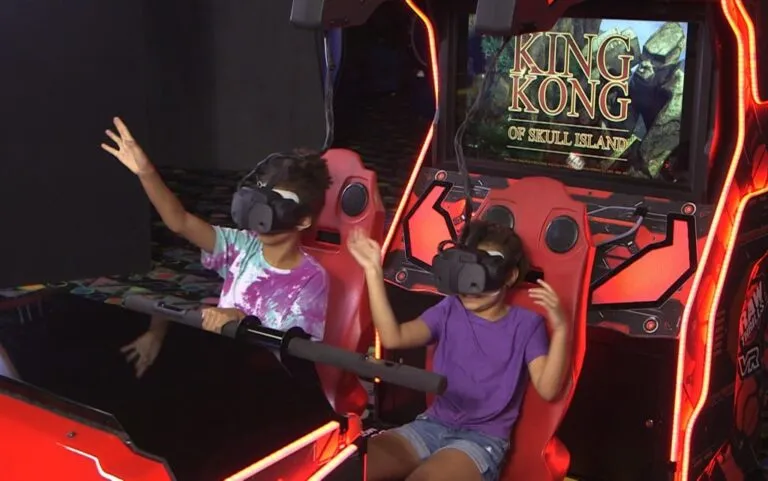
Children benefit uniquely from free‑roam VR because the technology aligns well with developmental needs. Safety is a top priority: padded walls, soft flooring, and strict supervision protocols ensure that little explorers can roam without risk. Content for younger audiences typically incorporates the following design principles:
- Bright, Intuitive Visuals – Colorful palettes and clear visual cues help children navigate the virtual world without confusion.
- Guided Progression – Levels are structured to introduce mechanics gradually, reinforcing learning through repetition.
- Educational Layers – Many scenarios embed STEM concepts—such as basic physics puzzles or biology lessons—within a playful narrative.
- Co‑operative Play – Games often require two or more participants to solve challenges together, encouraging teamwork and communication.
- Short Sessions – Attention spans are respected with experiences that last 5‑15 minutes, followed by a cooldown period for rest.
Parents appreciate that these arenas provide a safe alternative to screen‑based entertainment. The physical movement helps expend energy, while the immersive storytelling stimulates imagination. Moreover, the data collected (with consent) can be used to assess a child’s motor skills and spatial reasoning, offering valuable insights for educators and pediatric therapists.
Free‑Roam VR for a Birthday Party, Graduation, Corporate Party
When planning a celebration, organizers are constantly searching for experiences that feel fresh, inclusive, and memorable. Free‑roam VR satisfies all three criteria, and venues have crafted specialized packages for different occasions.
Birthday Parties
A birthday party in a free‑roam arena transforms the usual cake‑and‑games routine into an adventure. Packages often include a themed scenario—such as a pirate treasure hunt or a superhero training academy—tailored to the birthday child’s interests. The event staff handles equipment fitting, safety briefings, and photo documentation, allowing the host to focus on socializing. Because the arena can host multiple groups simultaneously, friends can compete or cooperate on separate stations, minimizing wait times.
Graduations
Graduation ceremonies traditionally involve speeches and formal photographs. Adding a free‑roam VR segment provides a dynamic showcase of the graduating class’s achievements. A customized scenario might let graduates walk through a virtual timeline of their school years, interact with milestones, and culminate in a celebratory fireworks display that they can “trigger” by completing a collective task. The experience not only honors the past but also creates a shared memory that participants can replay on demand.
Corporate Parties
For corporate gatherings, the focus often shifts to networking, morale boosting, and brand alignment. Free‑roam arenas support these goals through:
- Team‑Building Modules – Scenarios that require cross‑functional collaboration, problem‑solving, and strategic planning.
- Custom Branding – Virtual environments can be skinned with company colors, logos, and product imagery, turning the arena into an immersive marketing space.
- Data Analytics – Post‑event reports can reveal participant engagement levels, time spent in each activity, and collaborative patterns, offering insights for HR and leadership teams.
Because the physical activity is moderate, participants remain energetic without the fatigue associated with full‑day conferences. The novelty factor also tends to generate social media buzz, extending the party’s reach beyond the venue.
Scientists and Industry Experts View on Free‑Roam VR
The scientific community has taken a keen interest in free‑roam VR, recognizing its potential to bridge gaps between virtual simulation and real‑world interaction. Researchers in neuroscience, biomechanics, and psychology highlight several key advantages:
- Enhanced Spatial Presence – Studies indicate that unrestricted locomotion significantly boosts the brain’s sense of “being there,” leading to higher immersion scores compared to seated VR.
- Improved Motor Learning – Because users must navigate physical space, free‑roam scenarios can serve as training grounds for skills ranging from sports techniques to surgical procedures.
- Reduced Motion Sickness – By aligning visual motion cues with actual body movement, the mismatch that often triggers cybersickness is minimized.
- Rich Data Capture – The external sensor arrays collect high‑resolution movement data, enabling precise analysis of gait, posture, and reaction times.
Industry experts echo these findings while emphasizing market considerations. Analysts forecast that the free‑roam segment will grow at a compound annual rate of 22 % over the next five years, driven by expanding entertainment venues, educational institutions, and corporate wellness programs. The primary challenges identified include the high capital expense of outfitting large spaces with tracking infrastructure and the need for standardized safety protocols.
Nevertheless, the consensus among both scientists and business leaders is that free‑roam VR represents a pivotal evolution in immersive technology. Its ability to combine physical activity, cognitive engagement, and social interaction positions it as a versatile platform that can serve entertainment, education, health, and commercial purposes simultaneously.
Looking Ahead
As hardware continues to shrink and wireless bandwidth expands, the barriers that once limited free‑roam VR are eroding. Future developments may include:
- Modular Arena Kits – Portable tracking and safety modules that allow pop‑up experiences in malls, festivals, or corporate campuses.
- AI‑Driven Adaptive Content – Real‑time personalization that reacts to a player’s skill level, emotional state, or physiological metrics.
- Hybrid Mixed‑Reality Experiences – Integration of physical props and haptic feedback devices that further blur the line between virtual and tangible worlds.
For now, free‑roam VR arenas stand as vibrant hubs where imagination meets movement. Whether a teenage gamer battling alien hordes, a family exploring a prehistoric jungle, or a boardroom team strategizing a virtual rescue mission, the technology offers a shared space where the only limit is the depth of the story being told. As more people step into these arenas, the collective narrative of free‑roam VR will continue to evolve—one stride at a time.