El Monte
 Log in
Log in
Log in

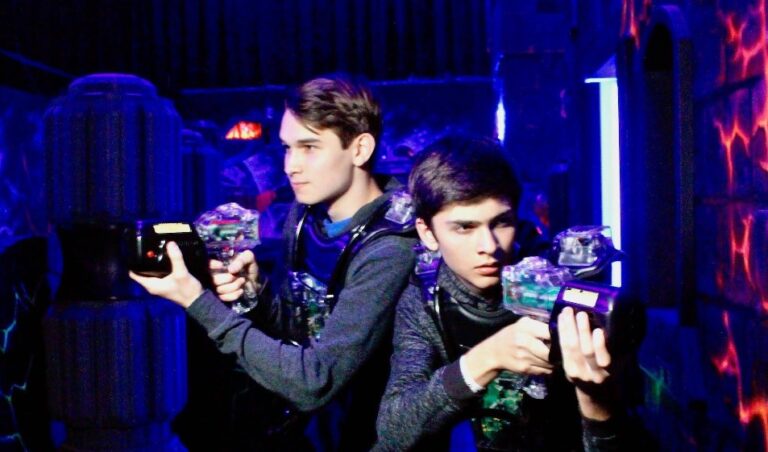
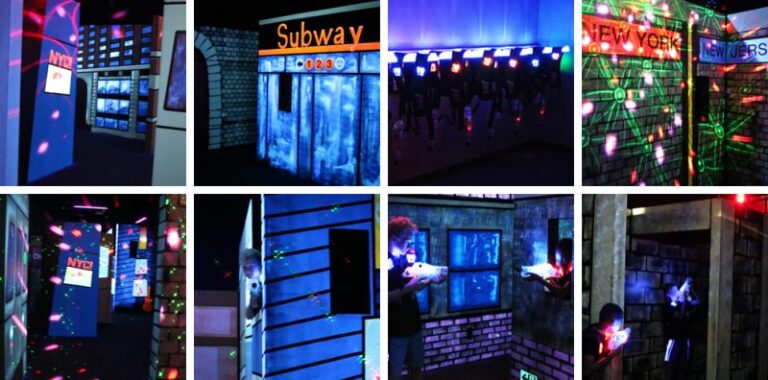
The primary attraction is the expansive, multi-level arena. This complex layout transforms a simple game of laser tag into a strategic battle. Players navigate ramps, barriers, and hidden nooks, creating opportunities for ambushes, defensive stands, and thrilling chases. The environment is brought to life with a combination of neon-black lighting, upbeat music, and theatrical fog, heightening the senses and making every match feel like a scene from a science fiction film. The equipment itself is modern and user-friendly, with lightweight vests that register hits with lights and vibrations, and responsive phasers that provide real-time feedback on scores and performance.
Lively Laser Tag accommodates a variety of gameplay preferences. While classic solo or team-based matches are staples, the arena often features different game modes to keep the experience fresh.
The venue is particularly well-suited for hosting events like birthday parties and corporate team-building outings.
 Indoors
Urban Air Trampoline and Adventure Park sits in the Avenel section of Woodbridge Township, New Jersey, along Saint Georges Avenue, convenient for families from Colonia, Woodbridge, Rahway, Iselin, and Carteret.
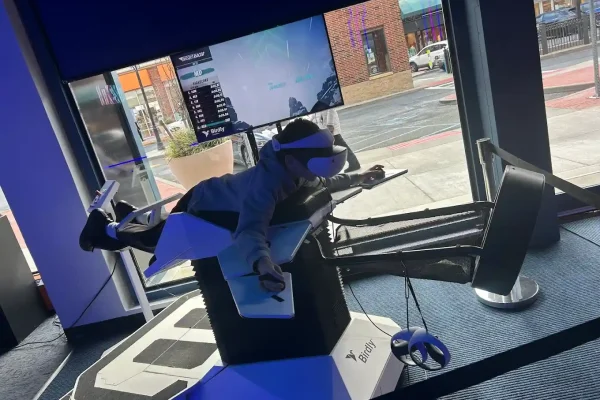
The park is a year-round indoor playground where a single Unlimited Play ticket unlocks every attraction for the whole day — trampolines, a Warrior Course, climbing walls, a Slam Dunk Zone, Battle Beam, a Tubes playground, virtual reality, and a dedicated area for kids 7 and under. Memberships cost about half the price of a day ticket and cover unlimited monthly visits, with reduced rates for children 40 inches and under and for parents.
Birthday parties are a specialty, with Deluxe and Ultimate packages, a Small Squad option, and upgraded Private Room and VIP Suite spaces, all planned online with staff handling the details. A full-service cafe, the Adventure 4 All family bundle, and friendly, helpful staff round out the experience, making it a solid choice for birthdays, family outings, and group events regardless of the weather.
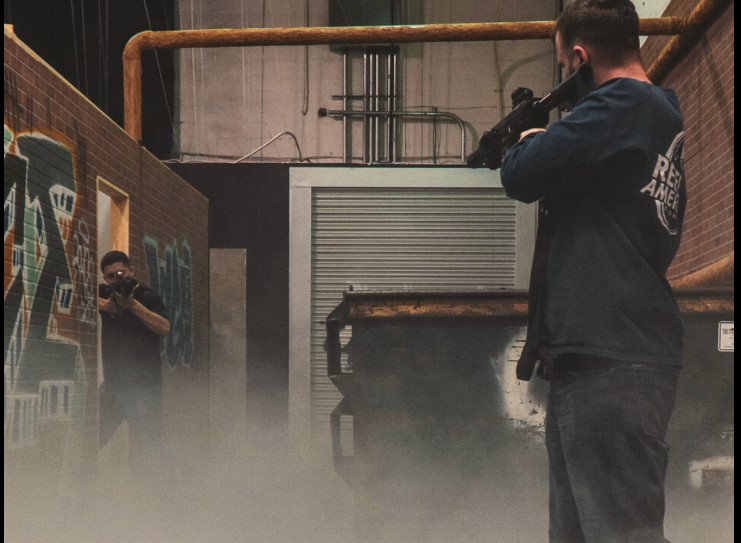
IndoorsTac Ops – Tactical Laser Tag – Fairfield is located at 373 US 46 W, Suite D110, in Fairfield, New Jersey, part of a three-location chain that also includes Florham Park and Princeton. The arena offers mission-based tactical laser tag inspired by first-person shooter video games, with six game modes including Team Death Match, Elimination, Capture the Flag, Domination, and VIP. A standard 75-minute session includes 15 minutes of suiting up and briefing plus a full hour of gameplay, with scoring and stats tracked through the CallSign app. The immersive indoor arena has a real terrain, city-street feel with atmospheric fog, and all games are televised in the lobby and party rooms.
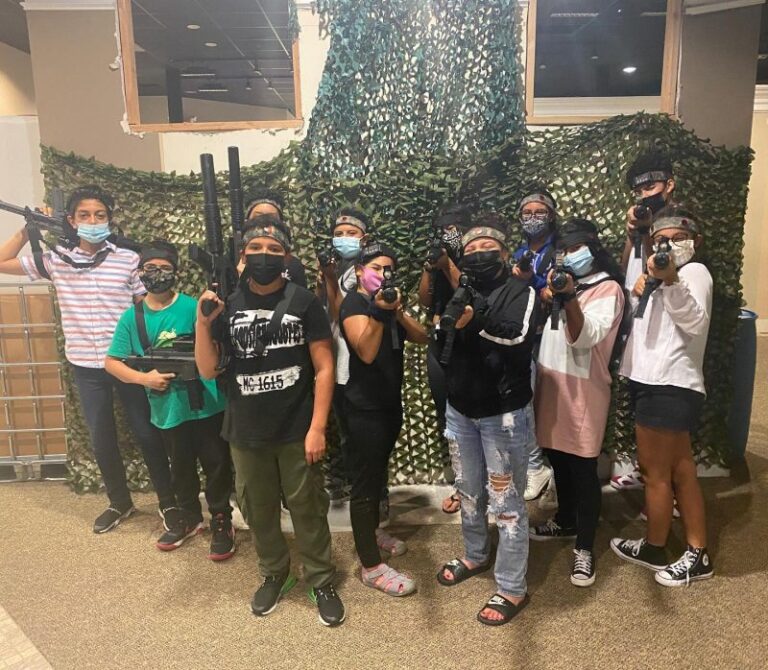
The venue is reservation-only and welcomes players ages eight and up, with adjustable difficulty for all experience levels. It hosts birthday parties, corporate team-building events, bachelor and bachelorette parties, and summer camps, and includes a spacious party room for up to 32 people that can be used for 45 minutes after play. The party room comes with supplies, a refrigerator and freezer for cakes, and the staff can recommend local restaurants for catering. Friendly, experienced staff and add-ons like upgraded taggers and grenade rentals round out the experience.
IndoorsBranchburg Sports Complex is located in Branchburg, NJ.
Nestled in the heart of Branchburg, New Jersey, the Branchburg Sports Complex stands as a dynamic hub for thrill-seekers and families alike, offering a unique blend of physical activity, strategy, and cutting-edge technology. Among its most popular attractions is LaserTrag, an innovative hybrid of airsoft, paintball, and laser tag that has redefined modern sports entertainment. Combining adrenaline-pumping action with a commitment to safety, the complex has become a go-to destination for those craving immersive, social experiences.
Beyond LaserTrag, the complex offers additional attractions, including batting cages, rock climbing walls, and trampoline parks, making it a versatile destination for full-day adventures. However, it is the LaserTrag experience that often leaves the deepest impression—a testament to the power of innovation in reimagining active recreation. By blending technology, strategy, and physicality, Branchburg Sports Complex has created a space where friends and families can bond, compete, and unleash their competitive spirits in a safe, engaging environment. Whether seeking a quick adrenaline rush or an all-day event, visitors find the complex to be a hidden gem in Central Jersey’s recreational landscape.
IndoorsTac Ops – Indoor Tactical Laser Tag – Florham Park is located in Florham Park, NJ.
Tac Ops – Tactical Laser Tag in Florham Park, NJ, offers an innovative and exhilarating experience for laser tag enthusiasts and newcomers alike.
As you enter Tac Ops, you immediately feel the shift from conventional laser tag arenas. The setting is meticulously designed to resemble realistic combat environments, enhancing the immersive experience. Every aspect of the facility—from the architecture to the equipment—focuses on delivering a genuine tactical challenge. This is NJ’s premier destination for those who crave more than just aimless shooting, but instead seek the thrill of strategic thinking and teamwork.
Tac Ops is not only a fantastic entertainment venue for individuals and families but also an excellent team-building destination for corporate groups or sports teams. The strategic nature of the gameplay promotes cooperation, communication, and camaraderie among participants. It’s an opportunity for teams to strengthen their bonds and enhance their problem-solving skills in a fun and energetic environment.
In conclusion, Tac Ops – Tactical Laser Tag in Florham Park, NJ, is revolutionizing the way people perceive and engage with laser tag. By prioritizing strategy, realism, and mission-based challenges, it offers a truly unique experience that goes beyond mere entertainment. It is a destination where video game fantasies come to life and where players of all skill levels can enjoy the thrill of tactical combat. Whether for leisure, celebration, or team-building, Tac Ops stands out as a premier choice for laser tag enthusiasts looking to elevate their game to the next level.
IndoorsNxGn Arena is located in Edgewater, NJ.
At the core of NxGn Arena’s appeal is its high-tech laser tag arena, where players don sleek sensor vests and futuristic phasers to battle through a multi-level, neon-lit maze. The arena is engineered with fog machines, pulsating music, and dynamic lighting that transforms each session into a sensory adventure. Unlike traditional laser tag, NxGn enhances gameplay with real-time scoring, mission-based objectives, and team modes, making every round feel like a scene from a sci-fi film. It’s an experience that encourages strategy, coordination, and—above all—excitement.
But NxGn Arena doesn’t stop at laser tag. The facility proudly embraces the future of gaming through its advanced VR experiences.
Groups can book private events for birthdays, corporate team-building, or school outings, with customizable packages that include combo play across laser tag and VR stations.
IndoorsAt Bullseye Lasertag, players step into a multi-level arena designed to ignite the imagination. The venue features a dynamic, obstacle-filled course complete with fog machines, pulsating music, and neon lighting that creates a vibrant, arcade-like atmosphere. Equipped with lightweight, handheld laser tag blasters and responsive vests, participants are ready to dodge, aim, and score points while avoiding enemy fire. Each game session lasts approximately 15 to 20 minutes, providing just enough time to strategize, react, and experience the adrenaline rush of friendly competition.
Beyond open play, Bullseye Lasertag offers private party packages that include reserved game time, dedicated party rooms, and optional extras like pizza and soft drinks.
In addition to laser tag, the facility occasionally incorporates other attractions such as arcade games and mini bowling, adding extra layers of fun to a single visit.
IndoorsThe Funplex East Hanover is located in East Hanover, NJ.
Tucked away in East Hanover, New Jersey, The Funplex stands as a vibrant hub of entertainment, offering families, teens, and thrill-seekers a dynamic escape from everyday routine. More than just an amusement center, The Funplex East Hanover blends cutting-edge technology with classic arcade fun to create an experience that appeals across generations.
At the heart of its modern appeal are futuristic attractions like LaserTag and virtual reality (VR) zones. The LaserTag arena is a multi-level labyrinth illuminated by pulsing black lights and fog machines, where players gear up with phaser-style sensors and compete in strategic, glow-in-the-dark battles. It’s more than run-and-shoot—it’s a full sensory challenge that tests agility, teamwork, and reflexes. With zones designed to resemble sci-fi corridors and alien landscapes, the game blurs the line between imagination and reality.
IndoorsLaserTag is a fast‑paced, team‑oriented game that simulates a futuristic combat arena using harmless infrared beams. Players wear lightweight vests or wristbands equipped with sensors that register hits when they are “shot” with a handheld laser gun, often called a phaser or blaster. The equipment is battery‑powered and communicates with a central computer that tracks scores, time limits, and game modes in real time. Unlike paintball or airsoft, there is no physical projectile, which means the sport can be enjoyed in a wide variety of settings without the need for protective gear or extensive safety protocols. The core appeal lies in its blend of strategic teamwork, physical activity, and high‑tech immersion, making it a popular pastime for families, schools, corporate groups, and competitive leagues alike.
The flexibility of LaserTag’s technology allows organizers to design a multitude of scenarios that cater to different age groups and objectives. Some of the most common formats include:
Free‑For‑All: Every player competes individually, aiming to accumulate the highest score before the timer expires. This mode is ideal for parties where participants want to test personal skill against a crowd.
Team Deathmatch: Two or more teams compete to eliminate the opposing side. Points are awarded for each successful hit, encouraging coordinated tactics and communication.
Capture the Flag: Each team hides a “flag” object, and the goal is to infiltrate the opponent’s territory, retrieve the flag, and return it to the home base while avoiding enemy fire. This scenario emphasizes stealth and strategic planning.
Mission‑Based Campaigns: Players receive a storyline—such as rescuing hostages, defusing a bomb, or defending a research facility—and must complete a series of objectives in sequence. The narrative element adds depth and engagement, especially for older participants.
Zombie Apocalypse: A handful of “infected” players start as zombies, and the rest are survivors. Once a survivor is hit, they become a zombie, creating an escalating challenge that tests both speed and endurance.
Training Simulations: Some venues offer custom drills that focus on reflexes, target acquisition, and teamwork. These are often used by law‑enforcement or military academies to practice non‑lethal response tactics.
By mixing and matching these frameworks, venue operators can keep the experience fresh, ensuring repeat visitors encounter new challenges each time they play.
Beyond pure entertainment, LaserTag offers a suite of physical, cognitive, and social advantages that make it a valuable activity for a broad audience.
Physical Activity: Players constantly move through the arena, sprinting, ducking, and pivoting. A typical 15‑minute session can burn between 150 and 250 calories, providing a cardio workout comparable to a brisk jog.
Improved Hand‑Eye Coordination: The rapid identification of targets and precise aiming required for a successful shot trains visual tracking and motor response, skills that translate to better performance in sports and everyday tasks.
Strategic Thinking: Most game modes demand real‑time decision‑making, resource management (e.g., limited ammunition in certain scenarios), and strategic planning. Participants learn to assess risk, allocate roles, and adapt tactics on the fly.
Teamwork and Communication: Successful teams rely on clear verbal cues, role assignment, and shared objectives. This fosters cooperative skills and reinforces the importance of listening and providing constructive feedback.
Stress Relief: The adrenaline‑fueled environment provides a safe outlet for releasing tension. Because the “combat” is non‑violent and non‑injurious, players can experience excitement without the fear of physical harm.
Inclusivity: The low‑impact nature of the game makes it accessible to people of varying fitness levels, ages, and physical abilities. Adjustable difficulty settings and sensor sensitivity allow organizers to customize the experience for beginners or seasoned veterans.
Collectively, these benefits position LaserTag as more than a recreational pastime; it is an activity that supports health, learning, and social bonding.
Researchers in fields ranging from kinesiology to cognitive psychology have begun to examine LaserTag’s impact on participants. A consensus is emerging that the sport offers measurable advantages while presenting minimal risks.
Physical Health: Studies analyzing heart‑rate data collected during LaserTag sessions indicate that players spend a substantial portion of the game in the “moderate” to “vigorous” intensity zones defined by the American College of Sports Medicine. This suggests that regular participation can contribute to cardiovascular fitness without the joint stress associated with high‑impact sports.
Cognitive Function: Experiments using functional MRI have shown heightened activation in the prefrontal cortex and parietal lobes during fast‑paced target acquisition tasks akin to LaserTag. This activity is associated with improved attention span, decision‑making speed, and spatial awareness.
Social Dynamics: Organizational psychologists note that the collaborative demands of team‑based LaserTag mirror workplace environments that require rapid problem solving and cross‑functional communication. Simulated “high‑stakes” scenarios enable participants to practice conflict resolution and leadership in a low‑risk setting.
Safety and Technology: Industry engineers highlight the robustness of infrared sensor technology, emphasizing that modern LaserTag equipment is designed with redundant safety features—automatic shut‑off after prolonged inactivity, low‑power output that is harmless to eyes and skin, and fail‑safe mechanisms that prevent accidental over‑charging. These safeguards have contributed to an incident rate that is statistically negligible compared with traditional contact sports.
Overall, the expert community regards LaserTag as a scientifically backed avenue for promoting physical activity, mental acuity, and team cohesion, while maintaining a strong safety profile.
LaserTag’s appeal cuts across demographic lines, drawing participants from childhood through adulthood. The sport’s adaptability makes it attractive to distinct groups:
Children and Adolescents: For younger players, the glowing arenas and sci‑fi aesthetics capture imagination, while the non‑violent nature addresses parental concerns about safety. Schools often incorporate LaserTag into physical‑education curricula to encourage active learning.
Young Adults: College students and recent graduates appreciate LaserTag as an affordable alternative to larger‑scale adventure sports. Competitive leagues and tournaments provide a venue for skill development and social networking.
Corporate Teams: Companies use LaserTag for team‑building retreats, leadership workshops, and employee engagement events. The game’s requirement for clear communication and shared objectives mirrors workplace challenges, creating a memorable learning experience.
Seniors and Rehabilitation Patients: Modified low‑impact sessions have been introduced in senior centers and physical‑therapy clinics. The gentle movement and cognitive stimulation aid in maintaining mobility and mental sharpness.
When targeting children, venues typically design age‑appropriate scenarios that balance excitement with safety. Brightly colored equipment, simplified rules, and shorter game durations keep younger players engaged without overwhelming them. Many facilities also offer “parent‑child” packages that allow families to play together, reinforcing familial bonds while providing a supervised environment.
Birthday Parties: A LaserTag birthday party often includes a dedicated arena, custom decorations, and a celebratory cake served after the action. Packages frequently feature a private game session, a brief tutorial, and optional themed missions that align with the birthday child’s interests (e.g., “Space Rescue” or “Jungle Patrol”).
Graduations: Transitional milestones such as high‑school or college graduations benefit from the energetic atmosphere of LaserTag. Organizers can incorporate “team awards” to recognize leadership, strategy, or most improved player, turning the celebration into a memorable rite of passage.
Corporate Parties: For businesses seeking an unconventional corporate event, LaserTag provides a dynamic platform for employee recognition and morale boosting. Companies can brand the arena with logos, customize scoring dashboards to highlight departmental achievements, and integrate debrief sessions that translate game lessons into workplace practices.
By tailoring the experience to the occasion, LaserTag venues enhance the relevance and enjoyment of each event, ensuring that participants walk away with more than just a high score.
LaserTag can be enjoyed in a variety of settings, each offering distinct advantages.
Most urban centers host purpose‑built indoor facilities, featuring:
Indoor arenas are especially popular for corporate bookings, birthday parties, and competitive leagues because they provide a predictable, repeatable experience regardless of weather.
Advances in battery life and rugged sensor housing have enabled outdoor LaserTag on larger scales. Typical outdoor formats include:
Outdoor LaserTag is ideal for large groups, summer camps, and community festivals where space is abundant and the novelty of playing under the open sky adds to the excitement.
A growing segment of the market offers mobile LaserTag units that can be transported to schools, corporate campuses, or private residences. These kits typically include modular obstacles, collapsible power stations, and portable scoring consoles, enabling a fully functional experience without permanent infrastructure.
LaserTag’s evolution from a niche amusement to a versatile, science‑backed activity reflects its capacity to adapt to diverse audiences and environments. Whether played in a high‑tech indoor arena, a sun‑drenched forest clearing, or a backyard birthday celebration, the sport delivers a unique blend of physical exertion, mental challenge, and social interaction. Its proven benefits, endorsement by experts, and broad demographic appeal ensure that LaserTag will continue to illuminate the recreational landscape for years to come.


 355 US 22 East Springfield, NJ 07081