TOP 10 best of the best Paintball in Boise, ID – Battleonix
El Monte
Log in
0

Advanced Search:

City

Rating

Playground


Price:

Main / Catalog / Paintball / Idaho, US / Boise, ID

The best Paintball near me in Boise, ID

img
from $25
PaintballAirsoftKids paintball

Pyrrhic Outdoor Paintball and Fun is located in Caldwell, ID.


Pyrrhic Tactical Sports Center in Caldwell, ID, offers 6 acres of high-energy outdoor activities.

Pyrrhic positions itself as the top destination in Treasure Valley for outdoor adventure throughout the year. They suggest their facility as suitable for birthday parties, bachelor parties, company team building, youth groups, or recreational outings.

The facility offers a variety of outdoor games, including Paintball, Outdoor Airsoft, and Paintball Groups & Parties.

Outdoor Games and Events include Paintball and Airsoft, Peewee Paintball, Birthday Parties, Bachelor(ette) Parties, Team Building and Training, and Large Group Paintball.

Outdoors

Best of the best Paintball in Boise, ID


Paintball is a fast‑paced team sport that pits players against one another using compressed‑air or CO₂‑powered markers that fire small gelatin capsules—commonly called paintballs—filled with a non‑toxic, water‑based dye. When a paintball strikes a player’s body or equipment, the capsule ruptures and leaves a bright, easily visible mark, indicating a “hit.” Modern markers resemble compact rifles or pistols, but they are deliberately engineered to fire at velocities low enough to avoid serious injury while still delivering a satisfying impact. The sport can be played on a wide variety of terrain, from dense woodland to purpose‑built arenas, and it accommodates everything from casual weekend outings to highly competitive leagues.

General Paintball Rules

Although individual fields may tweak specifics, the core rules that govern paintball worldwide remain largely consistent:

  1. Safety Equipment – Every participant must wear an approved paintball mask that fully covers the eyes, nose, and mouth. Most venues also require body armor, gloves, and long‑sleeved clothing to reduce bruising.

  2. Marker Velocity Limits – Most fields cap marker velocity at 280–300 feet per second (85–91 m/s). Velocity checks are performed with chronographs before play begins, and markers must be re‑checked if any part of the system is altered.

  3. Hit Confirmation – A player is considered “out” when a paintball leaves a visible splatter on the body, clothing, or mask. If a hit is ambiguous, the player must call themselves out; deliberate cheating is penalised with disqualification.

  4. No Physical Contact – Paintball is a non‑contact sport. Pushing, shoving, or any form of hand‑to‑hand combat is prohibited and may result in immediate ejection.

  5. Game Start and End Signals – A referee or field official typically uses a whistle, siren, or electronic countdown to signal the beginning and end of each round. Players must remain stationary until the start signal is given.

  6. Boundary and Safety Zones – All fields have clearly marked boundaries and safety zones (often called “dead zones” or “neutral zones”) where players cannot fire. Crossing these lines unintentionally can lead to warnings or penalties.

  7. Reloading and Ammunition Limits – Most matches impose a maximum number of paintballs per player, often ranging from 200 to 1,000 depending on the game’s length and format. Players must reload only in designated safe areas.

These rules create a level playing field, protect participants, and preserve the sport’s reputation as a safe, adrenaline‑filled recreation.

Paintball Scenarios

Paintball’s versatility stems from the endless variety of scenarios that can be staged. Below are some of the most popular formats:

Classic Capture the Flag

Two teams defend their own flag while attempting to seize the opponent’s. The first team to retrieve the enemy flag and bring it back to their base wins. This scenario emphasizes coordination, stealth, and rapid decision‑making.

Attack‑Defense (Objective)

One side is tasked with completing a specific objective—such as “planting a bomb,” “retrieving a hostage,” or “securing a control point”—while the opposing side defends. This format mirrors military simulations and is favored by tactical players who enjoy strategic planning.

Elimination (Last Man Standing)

All players start with equal ammunition and must eliminate opponents until only one remains. The round can be short (a few minutes) or extended, and it tests individual marksmanship, movement, and situational awareness.

Scenario or “Scenario Paintball”

These matches create immersive storylines, often involving elaborate props, role‑playing elements, and multi‑hour narratives. Examples include “Zombie Apocalypse,” “Wild West Showdown,” or “Post‑Apocalyptic Survival.” Scenario paintball blends sport with theater, attracting participants who enjoy both physical challenge and creative storytelling.

Speedball

Played on a compact, inflatable field with symmetrically placed bunkers, speedball is the format most commonly seen in televised tournaments. The tight layout encourages fast reflexes and rapid fire, making it ideal for spectators and competitive teams.

Each scenario can be adapted for different skill levels, player counts, and venue types, ensuring that paintball stays fresh and appealing to a broad audience.

What Is Paintball Good For?

Beyond sheer entertainment, paintball offers a spectrum of practical benefits:

  • Physical Fitness – Running, ducking, crawling, and sprinting across varied terrain provide an aerobic workout comparable to high‑intensity interval training. The sport also improves core strength, agility, and hand‑eye coordination.

  • Teamwork and Communication – Successful paintball squads rely on clear, concise communication and coordinated tactics. Players learn to assign roles, share information, and adapt plans on the fly—skills directly transferable to workplaces and other group activities.

  • Strategic Thinking – Scenarios require players to evaluate terrain, anticipate opponent moves, and allocate resources such as ammunition and time. This constant decision‑making sharpens problem‑solving abilities and fosters a tactical mindset.

  • Stress Relief – The combination of physical exertion and focused concentration offers a natural outlet for stress. The adrenaline rush, coupled with the release of endorphins, can improve mood and lower cortisol levels.

  • Social Bonding – Paintball events often bring friends, families, and coworkers together in a low‑stakes, high‑energy environment, strengthening interpersonal connections.

  • Leadership Development – Team captains and squad leaders practice delegating tasks, motivating teammates, and making rapid judgments under pressure—experiences that translate well into leadership roles outside the field.

Overall, paintball functions as a multi‑dimensional activity that blends sport, strategy, and social interaction, making it a valuable addition to personal fitness routines and team‑building programs alike.

Who Plays Paintball?

Paintball attracts a remarkably diverse demographic. While the sport’s roots lie in military and law‑enforcement training simulations, its modern incarnation welcomes participants from virtually every age group and background:

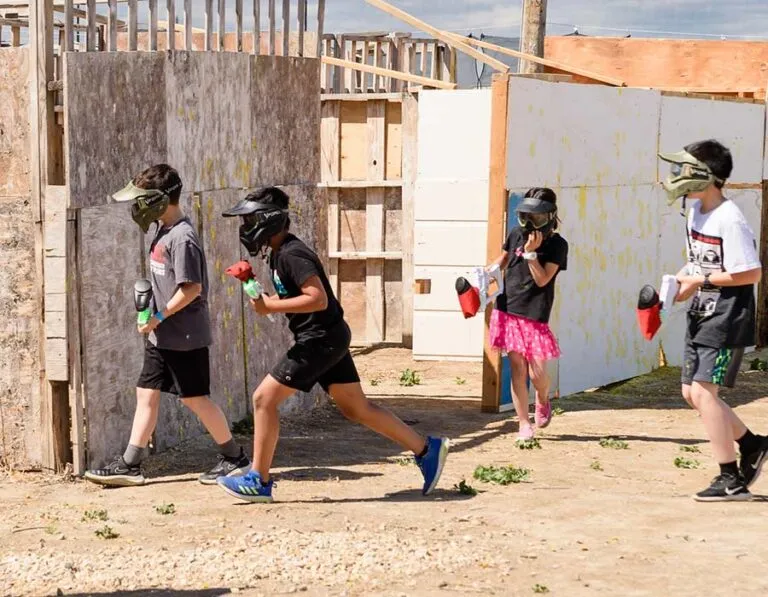
  • Youth and Teens – Many schools and youth clubs organize paintball outings as part of extracurricular activities, focusing on teamwork and safe play.

  • College Students – Campus leagues and intramural teams provide a competitive outlet for students seeking both recreation and camaraderie.

  • Corporate Groups – Companies frequently use paintball for team‑building retreats, leveraging the sport’s collaborative challenges to foster trust and communication among employees.

  • Military and Law‑Enforcement Personnel – Tactical training units incorporate paintball to rehearse urban combat, room‑clearing, and decision‑making scenarios in a low‑risk environment.

  • Fitness Enthusiasts – Individuals looking for a high‑intensity cardio workout often choose paintball as a fun alternative to traditional gym sessions.

  • Recreational Gamers – Adults and seniors who enjoy role‑playing games, laser tag, or escape rooms often transition to paintball for its added physical element.

The inclusive nature of the sport—supported by adjustable equipment, varying difficulty levels, and flexible game formats—ensures that newcomers can start safely while seasoned players can continually refine their skills.

Scientists and Industry Experts View on Paintball

From a scientific perspective, paintball occupies a niche where physics, physiology, and psychology intersect. Researchers studying impact biomechanics have measured the kinetic energy of a standard 0.68 cm (0.27 in) paintball at typical field velocities, finding it comparable to a low‑velocity rubber bullet. The energy is sufficient to cause a sting and a visible mark, yet remains well below thresholds for serious tissue damage. Consequently, most experts conclude that, when safety gear is properly used, paintball poses a low risk of lasting injury.

Sports medicine specialists highlight paintball’s cardiovascular benefits. A 30‑minute high‑intensity match can elevate heart rate to 150–170 bpm, burning 400–600 calories depending on terrain and player effort. However, they also caution about common minor injuries—such as bruises, sprains, or eye irritation—emphasizing the importance of protective masks with polycarbonate lenses and the need for proper warm‑up routines.

Psychologists note that paintball’s blend of competition and cooperation activates the brain’s reward pathways, releasing dopamine and endorphins. The “flow” state—characterized by complete immersion and loss of self‑consciousness—often emerges during fast‑paced rounds, contributing to the sport’s addictive appeal.

Industry analysts project steady growth for the global paintball market. Technological innovations, such as low‑recoil markers, biodegradable paintballs, and electronic firing systems, have expanded the sport’s reach and reduced environmental concerns. Moreover, the rise of “scenario paintball” events has opened new revenue streams through ticket sales, merchandise, and specialized venue rentals.

Overall, the consensus among scientists and experts is that paintball, when practiced responsibly, offers a safe, physically demanding, and mentally stimulating activity with broad recreational and professional applications.

Where to Play Paintball? Outdoor and Indoor Venues

Paintball’s versatility is reflected in the variety of venues that host the sport. Players can choose between expansive outdoor fields that mimic natural battlefields or compact indoor arenas designed for fast‑paced action.

Outdoor Fields

Outdoor venues often span several acres and incorporate natural obstacles—trees, hills, abandoned structures, and waterways—to create realistic tactical environments. These fields are ideal for large‑scale scenario games, military simulations, and “woodsball” matches that emphasize stealth and long‑range engagements. Many outdoor complexes also offer camping facilities, allowing multi‑day events where participants live on site, further enhancing immersion.

Key features of a quality outdoor field include:

  • Diverse Terrain – A mix of open fields, forested sections, and built‑up structures provides strategic depth.
  • Safety Infrastructure – Clearly marked boundaries, safety zones, and first‑aid stations positioned throughout the site.
  • Ammunition Supply – On‑site paintball shops that sell refillable paintball tanks and biodegradable markers to minimize environmental impact.

Indoor Arenas

Indoor paintball arenas—often referred to as “speedball” facilities—use inflatable bunkers arranged symmetrically on a compact playing surface, typically ranging from 30 × 30 ft to 50 × 50 ft. The controlled lighting and sound systems make these venues ideal for televised competitions and beginner-friendly sessions. Indoor arenas allow for quick game turnover, making them popular for corporate events, birthday parties, and league play.

Essential amenities in an indoor arena include:

  • Climate Control – Consistent temperature and ventilation to keep markers functioning optimally.
  • High‑Visibility Markers – Brightly colored, low‑profile bunkers that aid quick decision‑making.
  • Spectator Seating – Elevated platforms or glass walls that let audiences watch matches without interfering.

Choosing the Right Venue

When selecting a paintball location, participants should consider several factors:

  • Skill Level – Beginners often prefer indoor speedball for its predictable layout, while experienced players may gravitate toward outdoor woodsball for strategic depth.
  • Group Size – Large groups benefit from outdoor fields with multiple fields or expansive scenario zones, whereas smaller parties can comfortably use indoor arenas.
  • Event Objectives – Corporate team‑building sessions typically opt for indoor venues that can be booked for private use, while enthusiasts looking for immersive storytelling choose outdoor scenario fields.

Regardless of venue type, reputable paintball facilities maintain rigorous safety standards, provide well‑maintained equipment, and staff knowledgeable referees to ensure fair, enjoyable play.


Paintball has evolved from a niche training exercise into a globally recognized sport that blends physical exertion, tactical thinking, and social interaction. By understanding the fundamentals—what paintball is, the core rules, popular scenarios, and its myriad benefits—players can fully appreciate the depth of the experience. Whether a teenager seeking an adrenaline rush, a corporate team aiming to strengthen collaboration, or a seasoned tactician refining strategy, paintball offers a dynamic playground where every match tells a new story.


Paintball in Boise, ID