
 El Monte
 Log in
Log in
Log in

DFW Adventure Park is located in Northlake, TX.
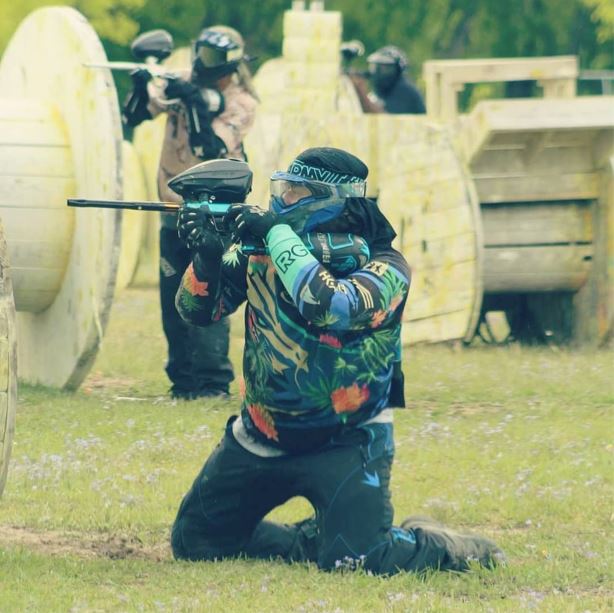
DFW Adventure Park is a giant location, around 170 acres in size! It’s a space with a lot of planted trees and creeks, and it’s perfect for active leisure during the holiday or on a weekend! Charge yourself with energy and positivity for the whole week ahead with a game of paintball, airsoft, and laser tag! There’s a huge variety of all kinds of different cover and obstacles around the area: barrels, shields, bunkers, concrete slabs, and many more! The park hosts special events such as the zombie hunt and team-building events. You can also try yourself at zip-lining, a crash course, and other attractions. Come here to celebrate your birthday, graduation, or just hang with your friends!
 Outdoors
Fun On The Run Paintball Outdoor Park is located in Fort Worth, TX.
Fun On The Run Paintball Park is a popular destination for paintball enthusiasts in Fort Worth, TX. The park offers a variety of playing fields, including wooded areas, open fields, and urban-style environments, providing a diverse and exciting experience for players of all skill levels.
The staff at Fun On The Run Paintball Park are friendly and knowledgeable, and prioritize safety while ensuring that players have a great time. Whether you’re a seasoned paintball veteran or a newcomer to the sport, Fun On The Run Paintball Park is a fantastic place to enjoy some adrenaline-pumping fun with friends and family.
OutdoorsPaintball is a fast‑paced, team‑oriented sport in which participants fire small, gelatin‑filled capsules—commonly called paintballs—through pneumatic or CO₂‑powered markers. The projectiles burst on impact, leaving a colorful mark that signals a hit. Though the equipment is lightweight, the game demands a blend of strategy, athleticism, and quick decision‑making. Modern paintball markers are highly engineered, offering adjustable firing rates, programmable controls, and ergonomic designs that allow players to adapt to a wide variety of field layouts and game scenarios.
At its core, paintball is a tactical simulation. Players assume the roles of soldiers, law‑enforcement officers, or fictional characters, moving across a defined arena while seeking to eliminate opponents or accomplish mission objectives. The sport can be played in a single‑round “last man standing” format, in structured matches with point‑based scoring, or in elaborate scenario games that span several hours and involve story‑driven objectives.
While the exact rule set can vary between fields and organized leagues, most paintball venues adhere to a core set of standards that promote safety, fairness, and enjoyment:
Safety Gear Is Mandatory – Every participant must wear a full‑face mask that meets ANSI Z87.1 standards, along with protective clothing such as padded vests, gloves, and appropriate footwear. Many fields require additional gear like chest protectors or elbow pads for high‑impact arenas.
Markers Must Be Certified – Paintball markers must be inspected and approved by field staff before play. This includes checking barrel length, velocity (typically limited to 280–300 feet per second for standard fields), and the integrity of the trigger mechanism.
Hit Confirmation – A player is considered “out” when a paintball breaks on their body, clothing, or equipment, and the mark is visible. Some leagues use “instant‐kill” rules where a single hit ends a player’s participation, while others allow a “tag‑out” system where a player must signal their status before leaving the field.
No Physical Contact – Paintball is a non‑contact sport. Pushing, shoving, or any form of deliberate physical aggression results in immediate disqualification.
Game Boundaries – Players must stay within the designated playing area. Crossing out‑of‑bounds lines typically incurs a penalty or results in elimination, depending on the format.
Reloading and Ammunition Limits – Most fields impose a cap on the number of paintballs a player can carry into a match, often 2,000 to 3,000 rounds. Reloading must be performed in designated safe zones, and players cannot hand off ammunition to teammates during active play.
Etiquette and Sportsmanship – Respect for opponents, referees, and field staff is essential. Unsportsmanlike conduct—such as feigning injury, sabotaging equipment, or verbally harassing other players—is not tolerated.
These rules form the backbone of organized play, ensuring that the focus remains on strategic competition rather than unnecessary risk.
Scenario paintball goes beyond simple elimination games, immersing participants in narrative‑driven events that can last anywhere from a few hours to an entire weekend. Organizers craft elaborate storylines, terrain modifications, and mission objectives that require coordination, problem‑solving, and role‑playing.
MilSim (Military Simulation) – Players adopt realistic military tactics, using authentic gear, radios, and coordinated fire‑team movements. Objectives may include capturing a command post, defending a supply convoy, or executing a hostage rescue.
Zombie Apocalypse – A small “infected” team attempts to convert the remaining players by tagging them. As the game progresses, the number of zombies grows, creating a dynamic where survival hinges on both offense and defense.
Fantasy Quests – Some events borrow from fantasy literature, with players seeking magical artifacts, navigating enchanted forests, or battling mythical creatures portrayed by referees and props.
Capture the Flag (CTF) Variants – While a classic mode, scenario CTF adds layers such as multiple flags, timed “power‑up” zones, or the requirement to escort a flagged player to a safe zone.
Objective‑Based Games – Teams might need to plant a “bomb” (a designated marker) at a specific location, repair a “bridge,” or retrieve a hidden “intel” package while defending against the opposing side.
Scenario play encourages creativity, fosters community bonds, and allows participants to explore aspects of tactical decision‑making that are rarely seen in standard matches.
Beyond its entertainment value, paintball offers a range of physical, mental, and social benefits:
Physical Fitness – Running, crawling, and sprinting across varied terrain improve cardiovascular health, agility, and muscular endurance. The sport provides a full‑body workout while keeping participants engaged through competition.
Teamwork and Leadership – Successful paintball squads rely on clear communication, role allocation, and strategic planning. Players learn to trust one another, delegate responsibilities, and make rapid tactical decisions under pressure.
Stress Relief – The adrenaline surge and the immersive nature of the game act as an outlet for stress. The controlled environment allows individuals to release tension safely, often leaving the field feeling rejuvenated.
Problem‑Solving Skills – Scenario games present complex challenges that require participants to assess risks, adapt tactics, and manage limited resources, sharpening critical thinking abilities.
Confidence Building – Overcoming fear of getting hit, mastering equipment, and achieving objectives boost self‑esteem. Beginners often remark on the confidence gained simply by stepping onto the field.
Social Connection – Paintball brings together people from diverse backgrounds—students, corporate teams, military veterans, and families—creating a shared experience that fosters new friendships and strengthens existing bonds.
These advantages make paintball attractive to schools, corporate team‑building programs, and recreational clubs alike.
The sport’s appeal cuts across age groups, occupations, and cultures. Common participant demographics include:
Youth and College Students – High schools and universities often host intramural leagues, introducing students to teamwork and strategy early in life.
Corporate Teams – Many organizations use paintball as an immersive team‑building exercise. The fast‑paced environment pushes employees out of their routine, encouraging collaboration and creative problem solving.
Military and Law‑Enforcement Personnel – Training programs incorporate paintball to simulate combat scenarios, allowing personnel to practice tactics in a low‑risk setting while reinforcing unit cohesion.
Recreational Enthusiasts – Hobbyists of all ages enjoy regular matches, weekend scenario events, and local league play. Some devoted players travel nationally or internationally to attend major tournaments.
Families and Youth Camps – Controlled, age‑appropriate fields offer family‑friendly games, allowing parents and children to share a safe, active pastime.
Adventure Tourists – Travelers seeking unique experiences often add a paintball session to their itinerary, especially in regions known for elaborate outdoor venues.
The diversity of participants underlines paintball’s flexibility as both a competitive sport and a casual group activity.
Researchers and industry analysts have examined paintball from several perspectives, ranging from safety to psychological impact.
Safety Studies – Medical investigations consistently show that, when proper protective equipment is used, paintball results in a relatively low incidence of serious injury. The majority of reported cases involve minor bruises or superficial skin abrasions, reinforcing the importance of mandatory mask usage and compliance with velocity limits.
Biomechanics and Performance – Sports scientists have measured the physiological demands of paintball, noting that a typical match can elevate heart rate to 150–180 beats per minute, comparable to high‑intensity interval training. The sport therefore qualifies as a form of vigorous aerobic activity with added benefits of agility and coordination training.
Psychological Benefits – Studies in occupational psychology highlight paintball’s effectiveness in enhancing team cohesion, communication, and leadership skills. Controlled stress exposure within the game environment encourages participants to develop coping mechanisms that transfer to workplace settings.
Economic Impact – Industry reports indicate that the global paintball market generates billions of dollars annually, driven by equipment sales, venue operations, and organized events. Technological advancements—such as electronic markers, biodegradable paintballs, and digital scoring systems—have spurred growth and broadened consumer appeal.
Environmental Concerns – Experts have raised awareness about the ecological footprint of paintball fields. In response, manufacturers have introduced water‑soluble, non‑toxic paintballs and biodegradable casings, while many venues adopt recycling programs for spent shells and adopt land‑management practices that preserve natural habitats.
Overall, the consensus among scientists and industry professionals is that paintball, when regulated responsibly, offers substantial health, educational, and economic benefits while presenting manageable safety and environmental considerations.
Paintball can be enjoyed in a wide range of settings, each offering distinct experiences and logistical considerations.
Outdoor venues capitalize on natural terrain, providing varied obstacles such as forests, hills, bunkers, and water features. These fields often span several acres, allowing for expansive, open‑play games and large‑scale scenario events.
Forested Courses – Trees, underbrush, and elevation changes create a dynamic battlefield that emphasizes stealth and ambush tactics. Players must contend with limited sightlines and unpredictable footing.
Urban‑Style Layouts – Some fields construct mock cityscapes using plywood structures, shipping containers, and inflatable barriers. These setups simulate close‑quarters combat, prompting rapid decision‑making and precision shooting.
Multi‑Field Complexes – Large facilities may house several distinct courses, ranging from beginner‑friendly arenas to advanced “speedball” fields designed for fast, high‑intensity play. Multi‑field complexes often host tournaments and seasonal scenario events.
Outdoor play offers the advantage of fresh air, varied lighting conditions, and a sense of immersion that is difficult to replicate indoors. However, weather can affect scheduling, and the larger area may require more extensive safety monitoring.
Indoor paintball venues provide a controlled environment that mitigates weather constraints and allows for year‑round operation. These arenas typically feature modular walls, inflatable obstacles, and high‑visibility lighting.
Speedball Arenas – Compact, symmetrical layouts with evenly spaced inflatable bunkers prioritize speed, accuracy, and individual skill. Speedball is the format most commonly used in competitive leagues.
Themed Rooms – Indoor facilities may design rooms around specific themes—space stations, medieval castles, or sci‑fi corridors—enhancing the immersive experience for scenario play.
Laser‑Paintball Hybrids – Some venues incorporate electronic scoring systems that register hits automatically, reducing the need for visual confirmation and streamlining gameplay.
Indoor play excels in logistical predictability, ease of access for urban populations, and the ability to host corporate events or birthday parties with minimal setup. The primary drawback is the limited space, which can reduce the sense of expansive tactical maneuvering found outdoors.
When selecting a field, players should consider the following factors:
Skill Level – Beginners may feel more comfortable in smaller, well‑marked indoor arenas, while experienced players often seek the strategic depth of larger outdoor courses.
Game Type – Speedball enthusiasts gravitate toward indoor speedball setups, whereas scenario lovers prefer outdoor fields capable of accommodating elaborate props and multi‑hour narratives.
Location and Accessibility – Proximity to major transportation routes and parking facilities can influence the decision, especially for groups traveling from distant locations.
Safety Protocols – Reputable venues maintain rigorous equipment checks, enforce mask usage, and provide trained referees to oversee matches.
By weighing these considerations, participants can find a venue that aligns with their preferences and maximizes enjoyment.
Paintball stands as a multifaceted sport that blends physical exertion, tactical ingenuity, and social interaction. From its basic definition—a game of marker‑fired paintballs—to the sophisticated scenario events that resemble live‑action role‑playing, the activity offers something for a broad spectrum of participants. Established rules safeguard participants while preserving the competitive spirit, and the diverse game modes—from classic elimination to elaborate narrative battles—ensure that the experience remains fresh and engaging.
Beyond recreation, paintball serves as a valuable tool for fitness, team building, stress relief, and skill development. Its appeal reaches youth, corporate groups, military personnel, and casual hobbyists alike, reflecting its adaptability across ages and cultures. Scientific analyses confirm that, with proper safety measures, the sport poses minimal health risks while delivering measurable physiological and psychological benefits. Industry insights reveal a thriving market driven by technological innovation and growing demand for immersive, active entertainment.
Whether players choose the rugged expanses of an outdoor forest, the fast‑paced intensity of an indoor speedball arena, or the narrative depth of a weekend scenario, paintball offers a dynamic, rewarding experience. Its capacity to foster teamwork, sharpen strategic thinking, and provide an exhilarating outlet for competitive energy makes it a distinctive and enduring component of modern recreational culture.


 13055 Cleveland Gibbs Rd, Northlake, TX 76262
