El Monte
 Log in
Log in
Log in

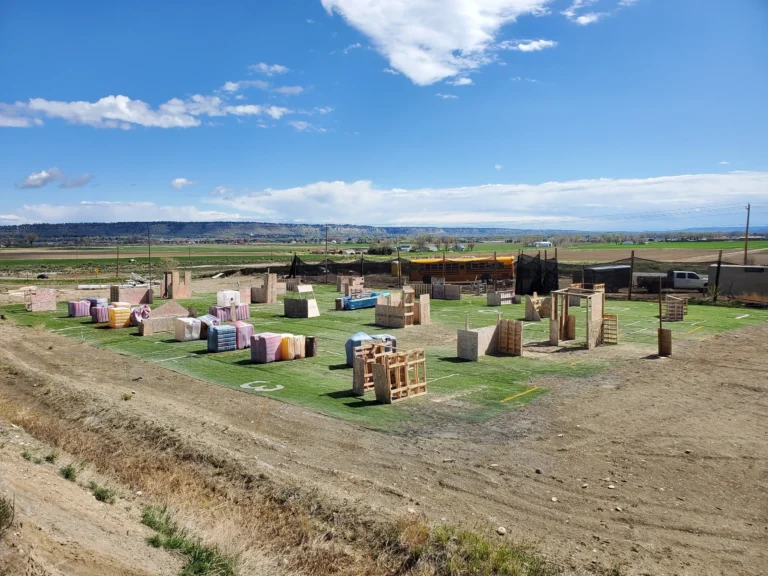
Diamond Paintball is located in Billings, MT.
Diamond Paintball, located in Billings, MT, is Montana’s Premier Paintball Field. They aim to provide a top-tier paintball experience for a wide range of players and events.
Their venue is a popular choice for various parties. Paintball offers an exciting and engaging activity for birthday parties, bachelor/bachelorette parties, and gatherings of all kinds.
Diamond Paintball is also suitable for team-building exercises. Corporate events, sports teams, family reunions, and youth groups can enjoy a fun and collaborative experience while developing communication skills, discipline, and teamwork.
Furthermore, they cater to school trips. Graduation parties, class trips, advanced activities classes, and school clubs represent just a few examples of the school groups that have enjoyed their facilities. Diamond Paintball provides a memorable and active outing for students of all ages.
 Outdoors
Wild Rose Paintball & Airsoft is a popular recreational facility located in Billings, Montana. It offers both paintball and airsoft games for players of all skill levels.
The paintball field at Wild Rose features various obstacles, including bunkers, barrels, and barricades, creating an exciting and challenging environment for players. The facility provides all the necessary equipment, including paintball markers, masks, and protective gear.
Airsoft enthusiasts can also enjoy a dedicated field at Wild Rose. Airsoft is a military simulation game that uses replica firearms that shoot plastic BBs. The facility offers a safe and controlled environment for players to engage in thrilling airsoft battles.
In addition to regular open play sessions, Wild Rose also hosts special events, tournaments, and private parties. The facility is staffed with trained referees who ensure safety rules are followed and fair play is maintained.
OutdoorsPaintball is a fast‑paced, team‑oriented sport in which participants—known as “players” or “markers”—fire gelatin capsules filled with non‑toxic, water‑based paint from specially designed air‑powered guns called paintball markers. The capsules, commonly called paintballs, burst on impact, leaving a visible mark that signals a hit. The core of the game lies in strategy, movement, and quick decision‑making rather than raw physical force, making paintball a blend of tactical sport and lively recreation.
Modern paintball markers are highly engineered, offering adjustable firing speeds, ergonomic grips, and electronic firing modes that mimic real‑world firearms without the lethal consequences. The sport can be played in a variety of environments—from dense woodland courses to tight indoor arenas—each providing a unique set of challenges that test players’ adaptability and teamwork.
Although specific rule sets differ between leagues and venues, most paintball games adhere to a core set of universal principles designed to keep play safe, fair, and enjoyable.
Safety Gear is Mandatory – Every player must wear an approved mask that fully covers the eyes and face, as well as protective clothing such as long‑sleeved shirts, pants, gloves, and sometimes chest protectors. Most venues also require a harness or padded vest to reduce bruising.
Markers Must Be Regulated – Most fields cap marker velocity at 300 feet per second (fps) for standard paintballs; higher velocities are allowed only with larger‑diameter or specially designed paintballs. Players must have their markers checked before entering the field.
Hits Are Final – When a paintball breaks and leaves a visible mark on a player’s clothing, mask, or exposed skin, that player is considered “out” and must leave the field or move to a designated “respawn” zone, depending on the game mode.
No Physical Contact – Paintball is a non‑contact sport. Pushing, tackling, or any intentional body contact is prohibited and may result in disqualification.
Barrel Safety – Markers must be kept pointed away from other players and spectators at all times, and the barrel must be covered with a barrel sock or safety cap when the marker is not actively in use.
Game Start and End Signals – A whistle, horn, or electronic countdown signals the beginning and end of each round. Players must cease firing immediately when the end signal is heard.
Respect the Field – Players are expected to follow the specific rules of the venue, which may include designated safe zones, “no‑fire” areas, and restrictions on certain strategies (e.g., “ambush” zones).
Adherence to these guidelines helps maintain a level playing field while minimizing the risk of injury. Most venues provide a brief safety briefing before the first match, ensuring that newcomers and veterans alike are on the same page.
Paintball’s versatility stems from its ability to accommodate a wide array of scenarios, each crafted to emphasize different tactical aspects. Below are some of the most popular formats, illustrating how the sport can shift from pure combat to immersive role‑play.
Two teams compete to retrieve the opponent’s flag and return it to their own base while defending their own flag. CTF encourages coordinated offense and defense, and it rewards quick thinking and effective communication.
In this straightforward format, the objective is simply to eliminate all opposing players. The round ends when one side has no remaining active players. Elimination emphasizes accuracy, movement, and aggressive play.
A central “hill” or objective zone is designated on the field. Teams must hold the hill for a cumulative amount of time to score points. Control often passes back and forth, creating intense, fast‑paced battles.
These games incorporate elaborate storylines, props, and role‑playing elements. Players may be assigned roles such as “sniper,” “medic,” or “engineer,” each with unique abilities or objectives. Scenario games can span several hours and may involve multiple objectives, puzzles, and narrative twists.
Played on a small, symmetrical field with inflatable bunkers, speedball is designed for rapid, high‑intensity action. It is the format most commonly seen in professional leagues and televised competitions. The short field and tight bunkers demand split‑second decisions and aggressive tactics.
MilSim games attempt to recreate realistic combat conditions. They often involve large numbers of players, realistic equipment (e.g., replica radios, night‑vision gear), and authentic military objectives like “secure the checkpoint” or “clear the building.” MilSim places a premium on long‑range planning, stealth, and teamwork.
These varied scenarios demonstrate paintball’s capacity to cater to both casual players seeking a quick thrill and dedicated enthusiasts desiring immersive, multi‑hour campaigns.
Beyond being a thrilling pastime, paintball offers a suite of physical, mental, and social benefits that extend well beyond the field.
Physical Fitness – Players run, crouch, climb, and dive constantly, leading to improved cardiovascular health, muscular endurance, and overall agility. The unpredictable nature of the game ensures a full‑body workout that traditional gym routines may lack.
Strategic Thinking – Success hinges on planning, situational awareness, and rapid adaptation. Players constantly assess terrain, enemy positions, and resource availability (e.g., ammunition, “pagers” for respawn). This mental gymnastics sharpens decision‑making skills useful in everyday life and professional environments.
Teamwork and Communication – Coordinated attacks and defensive formations require clear, concise communication. Paintball teaches participants to trust teammates, assign roles, and execute collective strategies—key competencies in corporate, military, and educational settings.
Stress Relief – The adrenaline rush of a fast‑paced match, combined with the cathartic release of “shooting” in a safe environment, offers a potent outlet for tension. Many players report heightened mood and reduced stress after a session.
Confidence Building – Overcoming fear of being hit, mastering a marker, and achieving objectives on the field translates into increased self‑esteem and confidence off the field.
Social Bonding – Whether joining a local league, attending a corporate team‑building event, or meeting friends at a weekend “paint‑out,” the shared experience fosters camaraderie and lasting friendships.
Problem Solving Under Pressure – Paintball scenarios often throw unexpected challenges, prompting players to improvise quickly. This ability to think on one’s feet can improve performance in high‑stress occupations such as emergency response, law enforcement, or project management.
Collectively, these benefits make paintball a valuable tool for personal development, corporate training, and community recreation.
Paintball attracts a remarkably diverse demographic, reflecting its broad appeal across age groups, professions, and cultural backgrounds.
Youth and Teens – Many schools and youth organizations use paintball for physical education, leadership camps, and after‑school programs. The sport’s emphasis on teamwork and strategy resonates with developing adolescents.
College Students – Campus clubs and intramural leagues provide a social outlet and an avenue for competitive play. College tournaments often draw large, enthusiastic crowds.
Corporate Teams – Businesses increasingly use paintball for team‑building exercises, valuing the sport’s capacity to simulate high‑stakes decision‑making in a low‑risk environment.
Military and Law‑Enforcement Personnel – While not a substitute for formal training, paintball offers a realistic, cost‑effective platform for practicing tactics, communication, and situational awareness.
Recreational Adults – Casual players of all skill levels enjoy weekend “paint‑outs” or “laser‑paintball hybrids,” where the emphasis is on fun rather than competition.
Competitive Athletes – Professional leagues and national teams train rigorously, following structured practice schedules, nutrition plans, and mental conditioning programs.
Families – Many venues provide family‑friendly formats with reduced paintball velocities and specific safety protocols, allowing parents and children to share a memorable experience.
This cross‑section of participants underscores paintball’s flexibility: it can be a lighthearted family activity, a serious competitive sport, or a professional development tool.
The location of a paintball game dramatically influences its tactical flavor, equipment needs, and overall atmosphere. Both outdoor and indoor venues offer distinct experiences.
Outdoor fields are typically expansive, ranging from a few acres to dozens of acres, and are often set in natural environments such as forests, fields, or abandoned industrial sites.
Woodland Courses – Dense foliage, varied elevation, and natural obstacles create a realistic “bush” environment. Players must navigate through trees, streams, and uneven terrain, demanding proficient footwork and strategic positioning.
Urban/Scenario Fields – Constructed to replicate cityscapes, these fields feature barricades, multi‑story structures, and faux buildings. They are ideal for MilSim and scenario games that require cover, interior clearing, and line‑of‑sight challenges.
Open‑Field “Speedball” – A flat, symmetrical arena with inflatable bunkers, designed for fast‑paced competition. The field’s uniformity minimizes environmental variables, emphasizing skill and speed.
Outdoor venues often incorporate natural weather elements—rain, heat, wind—which add an extra layer of difficulty and realism. Players must adapt to changing conditions, manage hydration, and protect equipment from moisture.
Indoor arenas are typically climate‑controlled, allowing year‑round play regardless of weather. Their compact design focuses on speed and precision.
Inflatable Bunker Arenas – Similar to outdoor speedball, but compressed into a tighter space. Inflatable obstacles absorb paintball impact, reducing injury risk and allowing for rapid movement.
Laser‑Paintball Hybrid Zones – Some indoor facilities combine traditional paintball markers with laser‑based “hit” detection, enabling quieter, lower‑impact gameplay while preserving strategic depth.
Themed Rooms – Entertainment centers may offer themed rooms (e.g., “zombie apocalypse,” “space station”) with specialized lighting, sound effects, and props that heighten immersion.
Indoor venues excel at providing consistent lighting, regulated temperature, and easy access to amenities such as locker rooms, snack bars, and equipment rentals. They are popular for corporate events, birthday parties, and first‑time players seeking a controlled environment.
When selecting a paintball venue, players should consider several factors:
Skill Level – Beginners may prefer indoor or “beginner” outdoor fields with reduced marker velocity and clearly marked boundaries. Advanced players often seek large MilSim fields or competitive speedball arenas.
Game Format – Scenario and MilSim games thrive in expansive outdoor settings, while speedball and quick‑fire matches excel in indoor or inflatable arenas.
Location and Accessibility – Proximity to public transportation, parking availability, and operating hours influence convenience.
Safety Protocols – Reputable venues enforce strict safety standards, regular equipment checks, and thorough briefings.
Additional Services – Rental equipment, on‑site staff, and post‑game amenities (e.g., decontamination stations, refreshment areas) enhance the overall experience.
Whether a player seeks the raw, immersive feel of a forest battleground or the high‑octane blitz of a compact indoor arena, the paintball landscape offers a venue to match virtually any preference.
In summary, paintball is far more than a simple “shoot‑the‑other‑person” game. It blends physical exertion, strategic depth, and social interaction into a single, adaptable sport. From fundamental safety rules to elaborate MilSim scenarios, the activity offers something for everyone—children learning teamwork, corporations fostering collaboration, athletes sharpening reflexes, and enthusiasts craving immersive combat experiences. With a thriving network of outdoor fields and indoor arenas worldwide, the opportunity to step onto the battlefield—and discover what paintball can do for the body, mind, and community—is just a marker’s click away.


 144 S 64th St W, Billings, MT 59106, United States