Log in
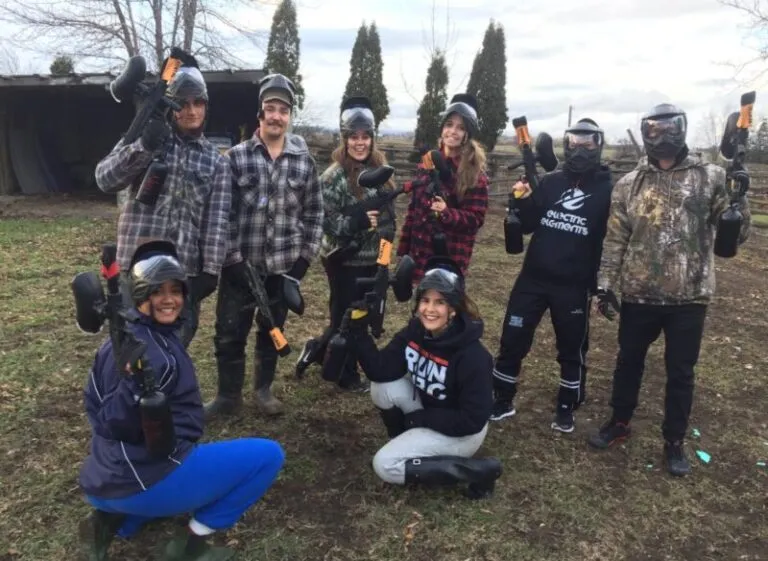
Paintball “Survival Tactics” is an outdoor paintball facility that offers an unforgettable experience. It is located n Caledon near Toronto, Vaughan, Mississauga, Brampton & the GTA.
Located in the heart of nature, Paintball “Survival Tactics” boasts over 20 acres of play space. With state-of-the-art paintball markers, players can experience a real battle as they walk, crawl, and run through the forest and obstacle fields. This is an ideal location for birthday parties, bachelor parties, and corporate events.
The friendly and experienced staff at Paintball “Survival Tactics” are committed to providing a safe and enjoyable experience for all. They provide safety briefings and demonstrations before each game and can offer advice to beginners. The staff is always on hand to ensure that the rules are followed and that everyone is having a good time.
OutdoorsAction Airsoft Club is located in Mississauga, ON
Nestled in the heart of Mississauga, the Action Airsoft Club is more than just a place to play; it’s a community of airsoft enthusiasts. The club prides itself on its inclusive and welcoming atmosphere, where players of all ages and skill levels can come together to enjoy the thrilling sport of airsoft.
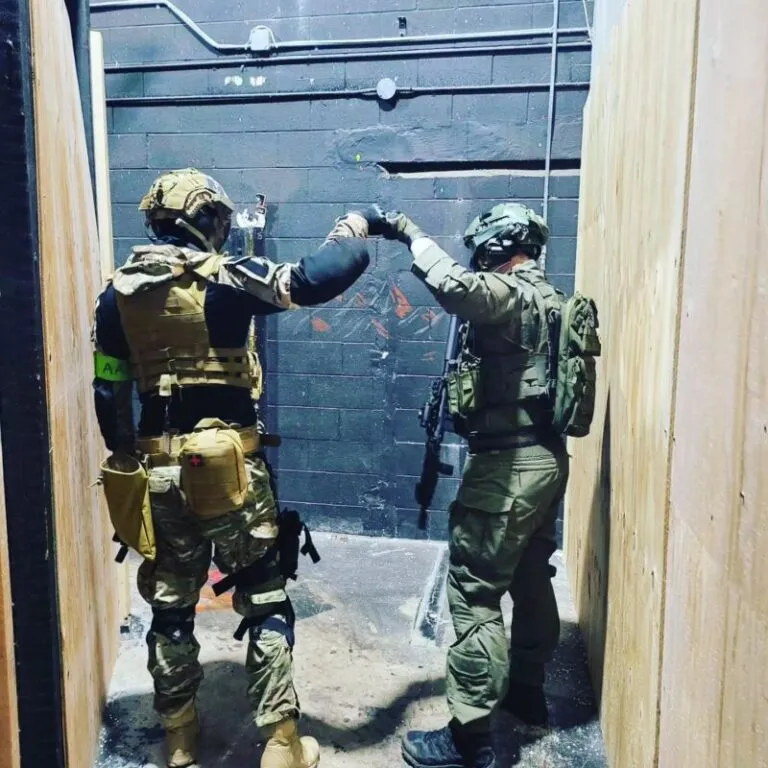
The crown jewel of the Action Airsoft Club is undoubtedly its expansive multi-level indoor field. This state-of-the-art facility is designed to mimic real-world combat scenarios, providing an immersive and thrilling airsoft experience. The multi-level design adds an extra layer of complexity and strategy to the game, as players must navigate different terrains and vantage points. Whether you’re ducking behind obstacles on the ground floor or sniping from an elevated position, every game is a unique and exhilarating challenge.
Indoors
Airsoft is a kinetic recreation that blends the thrill of military‑style simulation with the accessibility of a sport. Participants—known as “players”—use replica firearms that fire lightweight plastic BBs, typically 6 mm in diameter. The weapons are powered by electricity, gas, or a simple spring mechanism, and they are designed to look and feel like their real‑world counterparts. Unlike paintball, the projectiles leave little to no visible trace, which encourages longer, more tactical engagements. The core of airsoft lies not in the hardware but in the experience: a blend of realism, teamwork, and strategic thinking that draws players into immersive scenarios ranging from close‑quarters “room‑clear” skirmishes to sprawling “military simulation” (MilSim) campaigns.
One of the most compelling draws of airsoft is its emphasis on realism. Modern replicas feature authentic external dimensions, weight distribution, and even recoil‑like actions, allowing players to practice handling techniques that mirror those used by actual law‑enforcement or military personnel. This realism creates a bridge between hobby and training, making airsoft an attractive outlet for tactical enthusiasts, former service members, and anyone who enjoys the feel of a well‑balanced rifle.
Teamwork is equally critical. Successful engagements rarely hinge on a single player’s marksmanship; they depend on coordinated movement, communication, and shared objectives. A typical match may assign roles such as “point man,” “sniper,” or “medic,” each with distinct responsibilities that must mesh seamlessly. The strategic layer extends beyond individual skill to include route planning, suppression fire, and resource management—players must decide when to advance, retreat, or hold a position while considering ammunition limits, battery life (for electric guns), and the terrain’s cover options.
Airsoft’s versatility shines through its wide array of game modes, each catering to different skill levels and narrative interests:
These varied formats keep the hobby fresh, allowing players to switch from fast‑paced action to methodical, narrative‑driven play as they desire.
The airsoft market thrives on modularity. Almost every component of a replica can be altered or upgraded, giving each player a unique setup that reflects personal preference, budget, and the demands of a particular game mode.
Customization isn’t merely aesthetic; it’s a functional pursuit that lets players fine‑tune performance to their play style, whether that means maximizing range for a sniper role or reducing weight for a fast‑moving assault operator.
Beyond the battlefield, airsoft boasts a vibrant, global community. Online forums, social media groups, and local clubs serve as hubs for knowledge exchange, gear reviews, and event organization. The community encourages mentorship; seasoned veterans often guide newcomers through gear selection, maintenance, and tactical fundamentals. This culture of sharing not only enriches the individual experience but also fuels the hobby’s rapid evolution, as feedback loops between players and manufacturers drive continual innovation.
For newcomers, the most important investment is safety gear. Proper protection ensures that the excitement of the game never translates into injury.
While the above items form a solid foundation, additional gear—such as chest protectors, thigh pads, or hydration packs—can be added as the player’s commitment and understanding of the sport deepen.
Airsoft’s informal nature belies a strict set of etiquette that keeps the game safe, fair, and enjoyable.
Airsoft relies heavily on player honesty. Since BBs cause no visible wound, players must call “hit” when struck within the designated impact zone (usually the torso). A clear, pre‑established “hit” call—often “hit!”—ensures consistency. Violations of the honour system erode trust and can lead to bans from reputable fields.
Respect manifests in multiple ways:
Together, these principles create an environment where the focus remains on tactical enjoyment rather than needless conflict.
Airsoft replicas fall into three primary propulsion categories, each offering distinct characteristics.
AEGs are the most popular choice for beginners and veterans alike. Powered by rechargeable batteries, they employ an electric motor to drive a gearbox that cycles a spring, propelling BBs at semi‑automatic or fully automatic rates. Advantages include:
Gas‑powered guns use either green‑gas (propane mixed with silicone oil) or CO₂ to drive a piston, mimicking the blowback action of real firearms. They excel in:
However, gas guns are sensitive to temperature fluctuations and require regular refilling.
Spring guns are the simplest mechanically—pulling back a spring compresses the energy storage, which is released with each trigger pull. Commonly used for snipers and budget pistols, they offer:
The downside is a lower rate of fire and the need to manually cock each shot.
The scientific community generally regards airsoft as a low‑risk activity when safety protocols are observed. Ballistic studies indicate that a 6 mm BB traveling at standard field velocities (≈ 300 ft/s) carries kinetic energy far below thresholds associated with serious injury, especially when proper eye protection is used. Dermatologists note that skin abrasions can occur, underscoring the importance of protective clothing.
From an industry perspective, airsoft is recognized as a driver of innovation in polymer engineering, battery technology, and pneumatic systems. The demand for lightweight, high‑strength components pushes manufacturers to develop advanced plastics and alloys, which often find applications in other sectors such as automotive and aerospace. Moreover, the hobby’s emphasis on tactical planning and teamwork is cited by psychologists as a beneficial outlet for developing problem‑solving skills and group cohesion.
Airsoft’s demographic is surprisingly diverse. Participants range from teenagers discovering outdoor recreation to seasoned professionals seeking realistic training. Notable player groups include:
The inclusive nature of the sport, combined with varying intensity levels, ensures that there’s a niche for virtually anyone interested in tactical play.
Finding the right venue is essential for a fulfilling experience. Options span from organized fields to spontaneous gatherings.
Regulated fields adhere to national safety standards, provide clearly marked boundaries, and often feature constructed environments (urban wreckage, bunkers, forested sections). They typically enforce the honour system and maintain strict rules on ammunition limits, velocity caps, and protective gear. Many fields host regular league play, tournaments, and themed events.
Grassroots clubs meet in public parks, private land, or rented facilities. These groups focus on community building and skill development, often offering mentorship programs for newcomers. Membership can provide access to group discounts on gear, shared transportation to fields, and regular training sessions.
MilSim (Military Simulation) events are large‑scale operations that can span entire weekends and involve dozens to hundreds of participants. They feature realistic mission objectives, role‑playing elements, and often incorporate role‑specific equipment such as night‑vision scopes or communication radios. Participants are expected to follow a detailed brief, wear authentic uniforms, and adhere to a higher standard of conduct, making these events a hallmark for serious enthusiasts.
Airsoft stands at the intersection of recreation, simulation, and community. Its blend of realistic weapon handling, strategic depth, and diverse gameplay modes creates a hobby that appeals to a wide spectrum of participants. By prioritizing safety through robust protective gear and an honour‑based rule set, the sport maintains a low‑risk profile that satisfies both casual players and tactical professionals. Whether wielding an AEG on a fast‑paced Team Deathmatch, taking careful aim with a spring sniper in a MilSim scenario, or simply enjoying the camaraderie of a local club, airsoft offers an engaging, ever‑evolving experience—one that continues to grow as technology advances and the community expands.