
 El Monte
 Log in
Log in
Log in

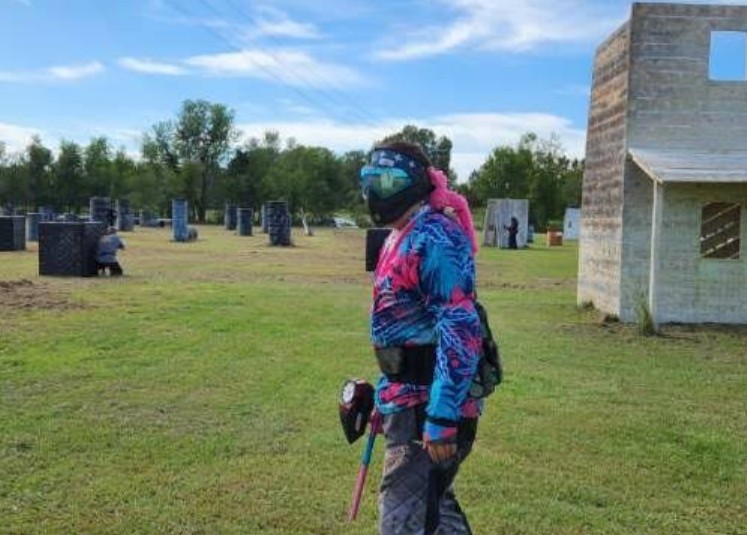
Eagle Action Sportz Paintball & Airsoft is located in Hattiesburg, Mississippi, just north of the city off Highway 49 North on Ryner Road.
The park offers six distinct playing fields including a Wild West town, an NXL tournament field, a hyperball field, and a traditional recreational field. Paintball and airsoft are the main attractions, with rental packages available for all skill levels. Low-impact paintball for ages 7–10, Gellyball for ages 4–6, and glow-in-the-dark paintball sessions add variety. The on-site pro shop carries major brands like Planet Eclipse, HK Army, and Tippmann, and the staff — led by three veteran founders — provides safety briefings and guidance for first-time players.
Beyond open play, Eagle Action Sportz hosts birthday parties, corporate team-building events, church group outings, bachelor parties, and military or law enforcement training simulations. Picnic tables and a lounge area offer space to relax between rounds. A loyalty program and annual pass are available for regular visitors. The park is open Saturday 9 AM–5 PM and Sunday 12 PM–5 PM, with Friday hours by reservation and weekday bookings available by calling ahead.
 Outdoors
Airsoft is a sport that blends the excitement of tactical combat with the safety of a controlled, non‑lethal environment. Participants—known as players—use replica firearms that fire 6 mm plastic BBs propelled by electricity, gas, or springs. Unlike paintball, airsoft ammunition leaves almost no visible trace, demanding a higher level of observation and strategic thinking. The game can be staged in indoor arenas, outdoor fields, abandoned buildings, or even forested terrain, allowing players to recreate historical battles, modern military operations, or entirely fictional scenarios. At its core, airsoft is a simulation: it mirrors the movements, communication, and decision‑making of real‑world combat while keeping participants safe through strict safety protocols and a strong emphasis on sportsmanship.
One of the greatest draws of airsoft is its ability to deliver an immersive, realistic experience without the risks associated with live fire. Players wear authentic‑looking uniforms, tactical gear, and even camouflage patterns that mirror those used by military units around the globe. This visual fidelity, combined with realistic weapon handling—reloading magazines, switching fire modes, and maintaining equipment—creates a convincing battlefield atmosphere.
However, realism alone does not define success. Airsoft is fundamentally a team sport. Effective communication, coordinated movement, and role specialization (such as designated marksmen, medics, or squad leaders) are essential. Teams that practice clear radio or hand‑signal protocols can outmaneuver opponents who rely on individual skill alone. Strategic planning—selecting entry points, establishing defensive perimeters, and managing ammunition—often determines the outcome more than raw shooting accuracy. The blend of realism and teamwork encourages players to think like soldiers, fostering problem‑solving abilities that translate beyond the field.
Airsoft’s versatility is evident in the sheer number of game modes available. Classic “Capture the Flag” pits two squads against each other, each tasked with retrieving the opponent’s flag while protecting their own. “Team Deathmatch” emphasizes pure firepower, with the highest kill count deciding the victor. More narrative‑driven scenarios—such as “Extraction,” “Hostage Rescue,” “Battle Royale,” or “MilSim” (military simulation) campaigns—incorporate objectives, timed phases, and evolving storylines.
Each mode challenges players in different ways: tactical coordination in objective‑based games, quick reflexes in deathmatch, and endurance during long‑form MilSim events that can span several hours or even days. This diversity ensures that newcomers can start with simple, easy‑to‑learn formats while veterans can seek out increasingly complex and demanding experiences.
Airsoft equipment is highly modular, inviting players to personalize their load‑out to match their preferred play style. Most guns feature interchangeable barrels, hop‑up units (which add backspin to BBs for extended range), and adjustable trigger groups. Players can upgrade internal components—such as gearboxes, motors, and batteries for automatic electric guns (AEGs)—to increase rate of fire, reliability, or realism.
External accessories are equally abundant: tactical rails accept foregrips, lasers, flashlights, and vertical or angled grips; stocks can be swapped for folding, fixed, or adjustable versions; and optic sights range from simple iron sights to sophisticated holographic or variable‑zoom scopes. Beyond firearms, players often customize uniforms, load‑bearing equipment, and protective gear, allowing each participant to craft a unique “battle dress” that reflects personal taste while adhering to field regulations.
The airsoft community extends far beyond the battlefield. Local clubs organize regular practice sessions, weekend skirmishes, and social gatherings where newcomers can learn from seasoned veterans. Online forums, social media groups, and dedicated marketplaces enable players to exchange tips, trade gear, and arrange meet‑ups across regional and international borders.
A strong sense of camaraderie underpins the culture. Many clubs adopt mentorship programs, pairing experienced players with novices to teach safety fundamentals, weapon maintenance, and tactical concepts. Annual conventions and trade shows showcase the latest technology, while charity events use airsoft as a fundraising platform, reinforcing the sport’s positive social impact. This vibrant community fosters lifelong friendships and a shared passion for tactical recreation.
Beginning airsoft players must prioritize protection and comfort before focusing on advanced weaponry. Essential gear includes:
While many players eventually add chest protectors, load‑bearing vests, and additional armor, the listed items provide a solid safety foundation for newcomers.
The following principles guide player conduct:
Observing these rules ensures a fun, fair, and injury‑free experience for everyone involved.
Airsoft firearms fall into three primary categories, each offering distinct performance characteristics:
Choosing the right platform depends on budget, desired realism, and the intended game mode. Many newcomers start with an AEG for its balance of performance and ease of use, then graduate to gas or spring options as experience grows.
Airsoft attracts a broad demographic, united by a shared enthusiasm for tactical recreation. Participants range from teenagers discovering team sports to adult professionals seeking stress‑relief and physical activity. Military veterans often find the sport a constructive outlet for skills honed in service, while law‑enforcement personnel use airsoft for training simulations. Students and hobbyists enjoy the technical aspects of weapon customization and strategic planning. The inclusive nature of the community welcomes players of varying fitness levels, cultural backgrounds, and experience, fostering a diverse environment where anyone can find a role that fits.
Finding the right venue is essential for a rewarding airsoft experience. Options include:
Regardless of the setting, players should verify that the venue adheres to local legal restrictions on airsoft firearms and that it maintains proper safety standards. Engaging with a reputable field or club ensures access to knowledgeable staff, well‑maintained equipment, and a supportive community.
Airsoft stands at the intersection of sport, hobby, and tactical training. Its blend of realism, teamwork, and strategic depth offers an engaging outlet for individuals seeking both physical activity and mental challenge. By investing in proper protective gear, respecting foundational rules, and exploring the variety of equipment and game modes available, newcomers can quickly become part of a vibrant community that values safety, camaraderie, and the thrill of simulated combat. Whether on a local weekend skirmish or a multi‑day MilSim campaign, airsoft continues to evolve, inviting players of all backgrounds to step onto the field and experience the exhilaration of tactical play.


 70 Ryner Rd, Hattiesburg, MS 39402