El Monte
 Log in
Log in
Log in

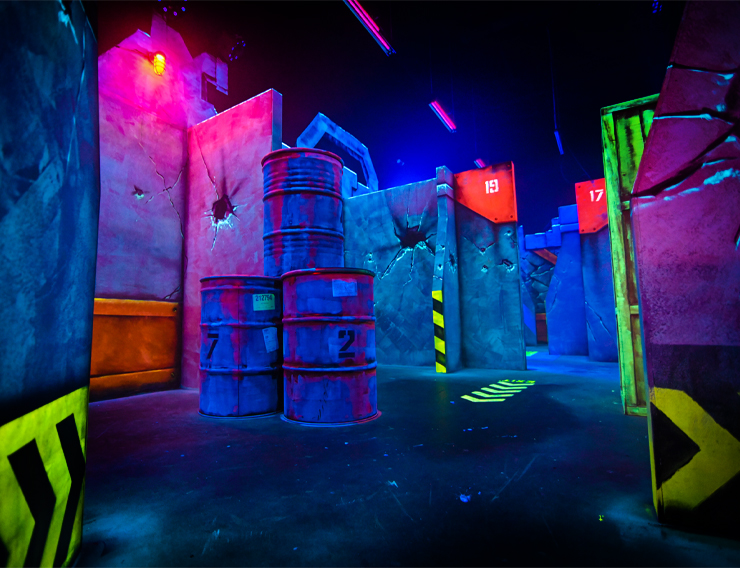
Spare Time Colchester is located in Colchester, VT.
More than just a bowling alley—though it boasts 24 regulation lanes—Spare Time has evolved into a dynamic recreation hub that caters to all ages. At the heart of its appeal? A full-tilt entertainment experience where laser tag lights up the night and good times roll from dawn to dusk.
But Spare Time Colchester isn’t just about competitive fun. The facility spans over 70,000 square feet, making it one of the largest entertainment centers in northern Vermont. Alongside laser tag and bowling, visitors can enjoy a full arcade loaded with the latest video games, redemption kiosks, and classic favorites like air hockey and Skee-Ball. For those craving a more relaxed pace, the on-site lounge and bar serve craft beers, cocktails, and appetizers—perfect for parents unwinding while kids play.
 Indoors
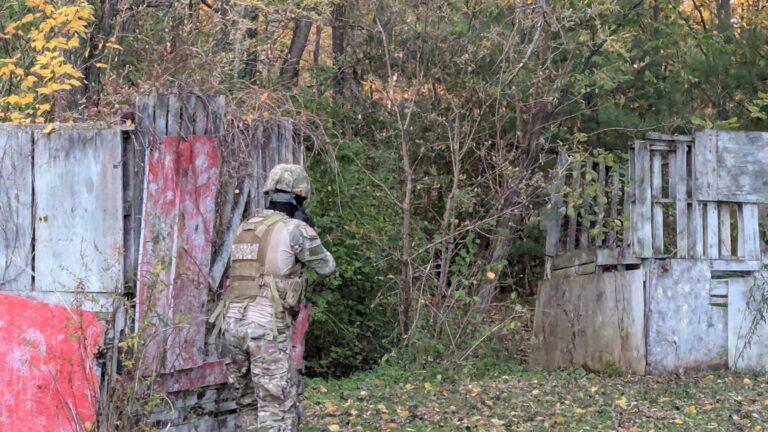
Legacy Paintball & Airsoft Park is located in Morrisonville, NY.
This 40-acre adventure complex blends high-octane action with cutting-edge facilities, offering immersive experiences in paintball, airsoft, and the rising sport of gellyball.
Beyond individual play, Legacy Paintball & Airsoft Park thrives as a community hub. The venue hosts weekly leagues, holiday tournaments, and themed events, fostering camaraderie among competitors and casual players alike. Corporate teams, school groups, and families regularly book exclusive field sessions for team-building or social gatherings. On-site amenities, including picnic areas and concession stands, enhance the day-trip appeal.
IndoorsEach year brings the familiar dilemma of deciding where a birthday celebration should take place. Parents, teens, and adults alike weigh the comfort of a familiar home gathering against the excitement of something a little more adventurous. Traditional venues—restaurants, parks, and party rooms—still dominate the market, but a growing number of families and groups are looking for experiences that combine fun, physical activity, and a splash of novelty. In recent years, action‑oriented games and free‑roam virtual‑reality (VR) clubs have emerged as compelling alternatives. These options not only break the routine of cake‑and‑balloon parties but also provide participants with a shared challenge that can turn a birthday into a memorable adventure.
“Action games” in the birthday‑party context refer to organized, competitive activities that let participants move, strategize, and engage with one another in a safe, controlled environment. The most popular among these are laser tag, paintball, airsoft, and the newer wave of modern VR clubs. All four share a common appeal: they transform a gathering into an immersive playground where birthday guests become heroes, tacticians, or explorers for the duration of the event.
Choosing an action‑game venue requires a few practical considerations. First, the age range of the guests determines which activity is appropriate. Second, the physical layout of the venue—whether an indoor arena, an outdoor field, or a mixed‑reality space—must accommodate the number of participants and any safety protocols. Third, the host should think about the level of equipment needed, including protective gear, controllers, or VR headsets. Finally, budget and time constraints shape the final decision, as each activity carries its own cost structure and session length.
When these factors line up, an action‑game birthday can become a high‑energy, story‑driven experience that leaves everyone talking long after the final score is announced. Below, each major option is examined in detail, highlighting the age groups it best serves and the unique atmosphere it creates.
Laser tag remains a perennial favorite for children’s birthday parties. The activity takes place in a dimly lit arena peppered with obstacles, neon signage, and glowing “base” zones. Participants wear lightweight vests equipped with infrared sensors and wield hand‑held “phasers” that emit low‑power beams. When a beam strikes a sensor, the vest registers a hit, and the player’s score decreases or a “life” is lost, depending on the game mode.
The appeal for kids is immediate: the combination of bright lights, futuristic sound effects, and a clear, easy‑to‑understand scoring system creates an environment that feels both safe and exhilarating. Because the equipment is non‑lethal and the arena is designed with soft padding and rounded edges, parents can feel comfortable allowing children as young as five to participate. Most laser‑tag centers also offer tailored game scenarios—such as “rescue the princess” or “alien invasion”—which can be matched to the birthday child’s favorite movies, books, or video‑game themes.
From a logistical standpoint, laser‑tag venues typically handle most of the party planning. They provide a dedicated party room for cake and gifts, supply the required safety gear, and often include a package that covers a set amount of game time, a private arena, and a staff member who explains the rules and monitors the action. This all‑inclusive model simplifies the host’s responsibilities, allowing the focus to remain on celebrating the birthday honoree.
Because the activity is highly repeatable, guests can enjoy multiple rounds with varied objectives, keeping energy levels high without the fatigue that can accompany more physically demanding games. The result is a birthday party that feels like a mini‑adventure, with each child emerging as a champion who earned their victory through teamwork and quick reflexes.
When the birthday crowd steps into the teenage years or adulthood, the appetite for a more intense, physically engaging experience often rises. Paintball—a sport that pits teams against each other in a field of natural or artificial terrain—delivers that intensity while still maintaining a playful spirit. Participants fire biodegradable paint‑filled pellets from pneumatic markers, aiming to tag opponents and eliminate them from play.
Paintball’s appeal to older age groups lies in its blend of strategy, athleticism, and adrenaline. Unlike laser tag’s purely electronic scoring, paintball provides a tangible, visual confirmation of a hit: a bright splatter that marks the opponent’s uniform. This sensory feedback can heighten the sense of competition and satisfaction. Moreover, many paintball facilities design their courses with themes—such as “captive rescue,” “capture the flag,” or “zombie apocalypse”—which can be customized to reflect the birthday person’s interests, from military simulations to fantasy quests.
Safety is a paramount concern, but modern paintball fields are well‑equipped to manage risk. Players receive full protective gear, including masks, goggles, chest protectors, and gloves. Staff members enforce strict rules regarding barrel covers, trigger discipline, and safe distances, ensuring that the environment stays fun and injury‑free. For birthday parties, many venues offer bundled packages that include a private field, equipment rental, a certain number of paintballs per player, and a party area for post‑game celebrations.
The physical demands of paintball make it ideally suited for groups that enjoy outdoor activity, teamwork, and a moderate level of exertion. It also encourages participants to think tactically, develop communication skills, and adapt quickly to changing circumstances—valuable life skills that double as entertaining party elements. For teens and adults seeking a birthday experience that feels less like a typical gathering and more like a tactical competition, paintball provides an unforgettable blend of excitement and camaraderie.
Airsoft occupies a niche adjacent to paintball, offering a more realistic simulation of military or law‑enforcement engagements. Instead of paint‑filled pellets, airsoft guns fire plastic BBs that are smaller, lighter, and often more accurate. The equipment—ranging from replica pistols and rifles to tactical gear—mirrors real‑world firearms in appearance, which makes the activity popular among adult enthusiasts who appreciate authenticity.
Because airsoft’s realism can be higher than paintball’s, the activity is most appropriate for adult birthday parties. Participants typically have a baseline understanding of safety protocols, and the environment is usually a controlled outdoor field or a specially designed indoor arena with cover elements such as bunkers, wooden structures, and natural foliage. The emphasis in airsoft is on stealth, positioning, and coordinated team maneuvers, creating a strategic experience that resonates with adults who enjoy role‑playing scenarios, historical reenactments, or modern tactical simulations.
Safety measures for airsoft are stringent. All players must wear eye protection approved for high‑velocity BBs, and many fields require additional facial masks or helmets. The BBs themselves travel at lower velocities than paintball pellets, reducing the likelihood of severe impact, but strict adherence to safe‑handling practices is still mandatory. Most airsoft venues provide rental packages that include a selection of weapons, protective gear, and a set amount of ammunition per player.
Celebrating an adult birthday in an airsoft setting can be especially meaningful when the honoree has a passion for outdoor sports, military history, or tactical video games. The immersive nature of the game allows guests to step out of everyday roles and into a collaborative, mission‑oriented environment. After the matches, many venues offer dedicated spaces for food, drinks, and cake, allowing the group to unwind, recount highlights, and celebrate the birthday in a relaxed atmosphere.
Overall, airsoft presents a mature, immersive option that balances physical activity with strategic depth, making it a compelling choice for adult birthday parties seeking an experience that feels both thrilling and sophisticated.
Virtual‑reality clubs have risen to prominence as a versatile and inclusive birthday‑party alternative. Unlike laser tag, paintball, or airsoft—each of which requires a specific physical setting—VR centers provide a digital arena that can be reconfigured instantly to suit any theme, age group, or skill level. Participants don head‑mounted displays and wield motion‑tracked controllers that translate their real‑world movements into the virtual realm.
One of the most significant advantages of VR clubs is their adaptability. For younger children, experiences can focus on whimsical adventures—such as exploring underwater worlds, riding friendly dragons, or solving simple puzzles. For teenagers and adults, the library often expands to include fast‑paced shooters, cooperative escape rooms, rhythm games, and even competitive sports simulations. The technology can accommodate multiple players simultaneously, allowing groups to team up for co‑op missions or face off in head‑to‑head challenges.
Safety in VR environments is managed through clear floor markings, supervised play areas, and staff members who guide participants through the equipment setup. Since the experience is largely stationary—players typically remain within a defined play zone—VR clubs can operate in smaller indoor spaces, making them especially suitable for urban locations where larger outdoor fields may be unavailable. Many VR venues provide birthday packages that bundle a private party room, a set number of game sessions, catering options, and on‑site staff to handle equipment sanitation and troubleshooting.
Inclusivity is another strong point. Because the physical demands of VR are minimal, guests with limited mobility can still fully engage in the experience. Additionally, the sensory nature of VR can be adjusted to reduce motion sickness for more sensitive participants, ensuring that the celebration remains enjoyable for everyone.
From a thematic perspective, VR clubs enable hosts to craft a cohesive narrative that runs through the entire party. For example, a “space‑exploration” birthday could begin with a group mission to repair a damaged starship, transition into a competitive asteroid‑dodging race, and conclude with a collaborative puzzle that “unlocks” the birthday cake. This level of storytelling and immersion is difficult to replicate in traditional physical games, giving VR clubs a unique edge as a modern birthday‑party platform.
In summary, VR clubs stand out as a flexible, low‑maintenance, and highly engaging option for birthdays across the age spectrum. Whether the guests are kids fascinated by cartoonish worlds or adults who crave realistic combat simulations, the virtual‑reality landscape can be tailored to meet the desired level of excitement and complexity.
When the calendar rolls over to another birthday, the decision of where to celebrate should be guided by the interests of the birthday person, the composition of the guest list, and the desired atmosphere of the event. Action‑game venues—laser tag, paintball, airsoft—offer high‑energy, physically interactive experiences that foster teamwork and friendly competition. They each align with specific age brackets, ensuring that safety and enjoyment are optimally balanced.
Virtual‑reality clubs, on the other hand, provide a technology‑driven playground that can be customized to virtually any theme, making them suitable for multi‑generational gatherings or groups with diverse preferences. Their ability to blend storytelling, competition, and accessibility positions them as a forward‑thinking choice for families looking to break away from conventional party formats.
Practical considerations, such as location proximity, budget, and time constraints, also play a vital role. Many action‑game facilities bundle venue rental, equipment, and party amenities into all‑inclusive packages, simplifying logistics for busy parents or organizers. VR clubs frequently offer flexible scheduling and can accommodate smaller spaces, which may be advantageous for urban celebrations.
Ultimately, the most successful birthday party is the one that reflects the celebrant’s personality while providing guests with a shared experience that is both memorable and enjoyable. By evaluating the strengths of each action‑game and VR option—and aligning them with the age group and interests of the participants—hosts can craft a celebration that stands out from the routine and leaves a lasting impression.
The modern birthday landscape offers far more than cake and balloons. Action games such as laser tag, paintball, and airsoft each bring a distinct flavor of excitement tailored to children, teens, or adults. Meanwhile, free‑roam VR clubs merge technology with imagination, delivering an adaptable platform that satisfies guests of any age. By understanding the unique benefits of each option—considering safety, thematic flexibility, and logistical ease—families and party planners can make an informed choice that transforms a simple birthday into an unforgettable adventure. Whether the chosen venue features the neon glow of a laser‑tag arena, the splatter of a paintball field, the realistic tactics of an airsoft battleground, or the limitless realms of virtual reality, the result is the same: a celebration that engages, thrills, and creates stories that will be retold at many birthdays to come.


 215 Lower Mountain View Dr, Colchester, VT 05446