
 El Monte
 Log in
Log in
Log in

Southern Lanes Family Fun Center is located in the Scottsville Road area of Bowling Green, Kentucky.
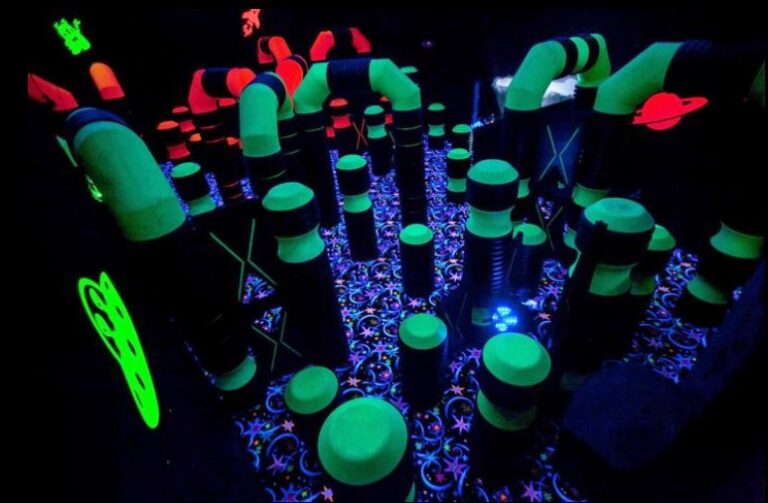
The center features 32 bowling lanes, a laser tag arena, bumper cars, mini-golf, billiards, batting cages, a Time Freak challenge room, and a full arcade. Guests can choose from individual attractions or bundled packages that combine multiple activities. Birthday parties are a specialty, with packages that include bowling, laser tag, bumper cars, pizza parties, and dedicated party hosts. Group packages for corporate events and field trips offer unlimited bowling and shoe rental at per-person rates.
The facility also includes party rooms for private celebrations, a snack bar for refreshments, and a pro shop for bowling gear. The Wednesday Unlimited Special provides evening access to bowling, laser tag, bumper cars, and mini-golf at a single flat rate. The staff is known for being friendly and experienced with large groups, making the center a reliable choice for school outings, company events, and family gatherings of all sizes.
 Indoors
When considering fun activities in the Bowling Green, KY area, laser tag is an excellent choice. Laser tag is a shooting game that is accessible to children, teens and adults of all ages. It runs on the same principle as paintball, without the mess; contestants wear uniforms and special sensors on their clothes that register light beams shooting from laser guns. This makes it a safe, clean alternative for people who prefer not to get covered in paint.
Using laser beams to shoot at opponents makes the game of laser tag especially exciting for children and adolescents. Players can practice team dynamics and decision-making while they strategize to outwit their opponents. In addition, the physical activity involved burns off energy and keeps children active in a fun and engaging way.

Laser tag is a fast‑paced, team‑oriented game that simulates combat using infrared (IR) technology rather than projectiles. Players wear a vest or harness embedded with IR sensors and carry a handheld “phaser” that emits a low‑power infrared beam. When the beam strikes a sensor, the equipment records a hit, typically displaying the result on a small screen or through a vibration cue. Scores are tallied automatically, allowing participants to focus on strategy, movement, and teamwork instead of keeping manual counts.
The sport emerged in the 1970s as a safer alternative to paintball and has since evolved into a global pastime. Modern systems incorporate sophisticated software that tracks individual performance, offers real‑time leaderboards, and even integrates story‑driven missions. The combination of high‑tech equipment, imaginative settings, and physical activity makes laser tag appealing to a wide demographic, from schoolchildren to corporate teams.
A defining feature of laser tag is the variety of scenarios that can be programmed into the arena’s control system. These scenarios transform a simple arena of obstacles into immersive worlds, each with its own objectives and rules.
Classic Team Deathmatch – Two teams compete to achieve the highest number of hits within a set time limit. The straightforward “kill‑count” format is ideal for beginners and large groups.
Capture the Flag – Each side hides a virtual “flag” in a designated zone. Players must infiltrate the opponent’s territory, retrieve the flag, and bring it back to their base while avoiding being “tagged.” This mode emphasizes stealth, coordination, and rapid decision‑making.
Hostage Rescue – One team protects a set of “hostages” (represented by stationary sensors), while the opposing team attempts to locate and “free” them by deactivating the sensors. The rescue team must balance aggressive assaults with careful navigation of the arena’s layout.
Zombie Apocalypse – A small group starts as “survivors,” while the rest are “infected.” When a survivor is tagged, they become infected and join the zombie ranks. The goal for survivors is to reach an extraction point before the infection spreads. This mode introduces a dynamic shift in team composition and pacing.
Mission‑Based Storylines – Some venues offer narrative arcs where players follow a scripted plot, such as infiltrating an alien base or defusing a virtual bomb. Sensors are linked to specific plot triggers, and the software provides audible or visual cues that advance the story as objectives are met.
These scenarios can be customized for length, difficulty, and player count, allowing organizers to tailor the experience to the audience’s age, skill level, and event theme.
Beyond its entertainment value, laser tag delivers a suite of physical, mental, and social advantages that make it a valuable activity for schools, families, and corporations alike.
Although the equipment is lightweight, the game requires rapid running, dodging, crouching, and occasional climbing over obstacles. A typical 20‑minute match can raise heart rate into the aerobic zone, burning an average of 150–250 calories depending on intensity. Because the movements are varied and non‑repetitive, laser tag promotes flexibility, balance, and coordination without the monotony of traditional gym routines.
Players must constantly assess the arena, locate opponents, and anticipate enemy movements. This real‑time problem‑solving stimulates spatial awareness, tactical planning, and quick decision‑making. Studies of similar fast‑paced, sensor‑driven games have shown improvements in reaction time and working memory among participants who play regularly.
Most scenarios hinge on coordinated action. Successful teams share information about enemy positions, divide responsibilities (offense, defense, recon), and adapt strategies on the fly. These dynamics mirror workplace collaboration, reinforcing skills such as active listening, role clarity, and conflict resolution.
The immersive, gamified environment provides a controlled outlet for competitive energy. The absence of physical projectiles eliminates the risk of injuries that can accompany traditional combat games, allowing participants to vent aggression safely. The intermittent nature of the game—short bursts of high intensity followed by brief pauses—helps players practice emotional regulation and recover quickly from setbacks.
Laser tag equipment can be adjusted for varying physical abilities. Sensors can be mounted on wheelchairs, and the arena’s layout can be modified to remove steep inclines or narrow passages. This flexibility ensures that people with mobility challenges can still engage fully, fostering a sense of belonging.
Researchers in sports science, psychology, and human‑computer interaction have taken a keen interest in laser tag as a platform for studying teamwork and embodied cognition. A 2021 review in Journal of Interactive Sports highlighted laser tag’s “unique combination of low‑impact physical activity and high cognitive load,” noting its potential as a research tool for measuring decision‑making under physical stress.
Industry experts see laser tag as a bridge between entertainment and training. Defense contractors have adapted laser tag technology for tactical simulations, using it to rehearse squad movements in urban environments without live ammunition. Likewise, corporate trainers leverage the same software to create leadership development modules, tracking metrics such as response time, delegation frequency, and collaborative efficiency.
From a health perspective, the American College of Sports Medicine has listed laser tag among “alternative aerobic activities” that meet moderate‑intensity exercise guidelines when played for 20 minutes or more. The organization emphasizes that the activity’s intermittent nature can be especially appealing to individuals who find traditional cardio monotonous.
Overall, the consensus among scientists and industry professionals is that laser tag is more than a novelty; it is a versatile, data‑rich medium that can support both recreational enjoyment and purposeful skill development.
Laser tag’s appeal cuts across age groups, cultural backgrounds, and professional sectors. Understanding the primary user segments helps venue operators design appropriate packages and marketing strategies.
The most visible demographic consists of children aged 6–16. Schools often incorporate laser tag into physical‑education curricula to satisfy activity‑time requirements while offering a novel, tech‑savvy experience. Youth leagues organize regular matches, fostering a sense of community and healthy competition. Parents appreciate the non‑violent, low‑risk nature of the game, which encourages outdoor play in a digital‑age world.
College students and recent graduates gravitate toward laser tag as a social outlet and a stress‑reliever during exam periods. The game’s competitive edge and team dynamics make it a popular choice for fraternity/sorority events, club fundraisers, and casual meet‑ups.
Corporate wellness programs frequently schedule laser tag sessions for team‑building retreats. The activity’s built‑in scoring system provides immediate feedback on individual contributions, making it easy for facilitators to debrief and extract leadership lessons. Additionally, many adult leisure centers offer “after‑work” laser tag leagues that combine networking with recreation.
While less common, senior centers have begun to adopt laser tag as a low‑impact aerobic option. Modified equipment (lighter vests, larger sensor pads) and obstacle‑free arenas enable older adults to participate safely, supporting mobility and cognitive stimulation.
When planning laser tag for children, safety and thematic relevance are paramount. Most venues provide age‑appropriate gear, such as smaller vests with padded edges and phasers that emit a gentle infrared signal. Staff are trained to enforce rules that prevent collisions and ensure fair play.
Thematic events—such as “Space Adventurers,” “Jungle Quest,” or “Superhero Showdown”—transform a standard arena into a narrative playground. Incorporating story elements helps maintain younger participants’ attention and encourages imaginative role‑play. Parents often opt for bundled packages that include a brief tutorial, a set number of matches, and a souvenir photo, creating a memorable experience without logistical hassles.
Laser tag’s flexibility makes it an excellent centerpiece for special occasions.
A birthday celebration can be built around a custom scenario that reflects the celebrant’s interests. For example, a “Pirate Treasure Hunt” can be programmed to require teams to locate hidden virtual chests while fending off rival crews. Packages typically include a private arena, a dedicated game master, and optional add‑ons such as themed decorations, catering, and a post‑game party area.
Graduates looking to blend fun with a sense of achievement often choose laser tag as a symbolic “final mission” before entering the next life phase. Organizers can design a “Mission: Graduate” scenario where participants must “secure the diploma” by reaching a specific zone under time pressure, reinforcing themes of perseverance and teamwork.
In the corporate world, laser tag serves both as entertainment and a diagnostic tool. Companies can request customized data reports that break down individual performance metrics—hits, accuracy, defensive actions—and aggregate them into team‑level insights. Facilitators then lead debrief sessions to discuss communication patterns, decision‑making styles, and leadership emergence. The physical nature of the activity also provides a welcome break from screen‑centric work environments, fostering camaraderie through shared sweat and laughter.
Laser tag can be enjoyed in a variety of settings, each offering distinct advantages.
Most urban centers host purpose‑built indoor facilities equipped with modular walls, inflatable obstacles, and ambient lighting. Indoor arenas provide climate control, ensuring consistent conditions regardless of weather. The enclosed space enhances the infrared signal’s reliability, reducing dead zones and guaranteeing accurate scoring. Venues often feature multiple themed rooms, allowing groups to switch scenarios without leaving the facility.
Outdoor laser tag expands the playing field to parks, forests, and even abandoned industrial sites. Natural terrain introduces irregular hiding spots, elevation changes, and open sightlines, adding a layer of tactical complexity absent in many indoor setups. Portable laser tag systems, powered by rechargeable battery packs, can be deployed in temporary configurations for festivals, school field days, or corporate retreats.
Key considerations for outdoor play include ambient lighting (bright daylight can diminish sensor sensitivity) and weather protection for electronic components. Many providers offer weather‑proof gear and waterproof casings to mitigate these challenges.
Some operators blend indoor and outdoor elements by constructing semi‑outdoor arenas with covered sections, glass walls, and adjustable lighting. This hybrid model offers the best of both worlds: the immersive ambience of indoor lighting with the expansive feel of an outdoor field.
When selecting a venue, organizers should assess the following factors:
By weighing these elements, event planners can match the venue’s strengths to the specific goals of their laser tag experience.
Laser tag has evolved from a novelty arcade attraction into a sophisticated, multi‑dimensional activity that satisfies the physical, cognitive, and social needs of a broad audience. Its adaptable scenarios—ranging from classic team deathmatch to narrative‑driven missions—keep the gameplay fresh and engaging. The measurable benefits—enhanced fitness, sharpened decision‑making, strengthened teamwork, and inclusive participation—have attracted the attention of scientists, defense trainers, and corporate wellness experts alike.
Whether for a child’s birthday, a graduation celebration, or a corporate team‑building retreat, laser tag offers a customizable platform that can be staged in indoor arenas, outdoor fields, or hybrid spaces. As technology continues to advance, future iterations may integrate augmented reality overlays, biometric feedback, and AI‑driven coaching, further blurring the line between play and purposeful training.
In the meantime, anyone seeking an exciting, low‑risk way to combine movement, strategy, and fun need look no further than the glowing beams of a laser tag arena.


 2710 Scottsville Rd, Bowling Green, KY 42104, United States