N-tense Sports is located just off Morgantown Road in Bowling Green, Kentucky, a short drive from the center of town.
The facility offers five paintball fields including speedball, airball, and rec-ball, plus gel blaster games for younger children. Low-impact .50 caliber paintball is available for those who want a gentler experience. Every group gets a dedicated referee who handles safety, rules, and game suggestions. Rental equipment is available for all players, and the pro shop sells paint by the bag or case.
Birthday parties, corporate team-building, church youth groups, bachelor parties, and casual friend gatherings are all welcome. Party areas with tables and chairs are provided for breaks and celebrations. The facility can accommodate groups of up to about 100 people with advance notice, and private groups play separately from other customers. Coveralls, chest protectors, and other gear can be rented on-site, and drinks and sometimes food are available.
Paintball is a great way to entertain yourself or your friends and family with thrilling activities in Bowling Green, KY. It’s a popular, fast-paced game where players use paintball guns to shoot each other with paintballs. It can be played outdoors or indoors, making it the perfect way to celebrate a special day or gather with friends and colleagues for an exciting adventure.
What Is a Paintball?
Paintball is a fast‑paced, team‑oriented sport in which participants use specially designed markers to fire gelatin capsules—commonly called paintballs—at one another. The capsules are filled with a non‑toxic, water‑based dye that bursts on impact, leaving a bright, temporary mark. A typical paintball marker resembles a compact rifle or pistol, is powered by compressed carbon dioxide (CO₂) or high‑pressure air (HPA), and can launch a 0.68‑inch sphere at speeds ranging from 250 to 300 feet per second. The sport can be played in a variety of environments, from densely wooded “woodsball” fields that simulate natural terrain to tightly controlled indoor arenas where inflatable obstacles create a futuristic battleground. Although its roots trace back to the 1970s in the United States, paintball has evolved into a global pastime embraced by millions of hobbyists, competitive athletes, and corporate teams.
General Paintball Rules
While the specific regulations may differ between venues, a core set of rules governs most paintball games to ensure safety, fairness, and enjoyment.
Protective Gear – Every player must wear an approved mask that covers the eyes, nose, and mouth. Additional protection such as chest protectors, gloves, and elbow/knee pads is strongly encouraged, especially in high‑impact formats.
Marker Limits – Most fields impose a velocity cap (commonly 280–300 fps) measured with a chronograph and may require markers to be painted with a bright color for visibility. Some competitive leagues also limit hopper capacity.
Shooting Etiquette – Players are expected to fire only when they have a clear line of sight and a reasonable chance of hitting a legitimate target. Intentional “shoot‑and‑run” or “shoot‑through” tactics that expose bystanders are prohibited.
Elimination Protocol – Once a paintball breaks and marks a player’s body, equipment, or clothing, the player is considered “out” and must retreat to a designated safe zone or be escorted off the field. In certain formats, a “respawn” system allows eliminated players to re‑enter after a set time or upon completing a task.
Boundary Enforcement – Players must stay within the delineated play area. Crossing the boundary line, whether intentionally or by accident, results in a penalty or immediate ejection from the game.
Sportsmanship – The spirit of the game calls for respect toward teammates, opponents, referees, and field staff. Unsportsmanlike conduct—such as cheating, verbal abuse, or tampering with equipment—leads to disqualification.
Adhering to these rules creates an environment where players can focus on strategy and skill rather than safety concerns.
Paintball Scenarios
Paintball’s versatility lies in its ability to accommodate a wide range of scenarios, each designed to test different tactical and physical skills.
Capture the Flag – Two teams vie to retrieve the opponent’s flag and return it to their own base while defending their own flag. This classic mode emphasizes coordinated offense and defense, as well as quick decision‑making under pressure.
Elimination (or “Last Man Standing”) – Players attempt to eliminate all opponents in a free‑for‑all or team‑based setting. The game ends when only one player or one team remains. The scenario stresses accuracy, movement, and situational awareness.
Objective‑Based Missions – Teams are assigned specific tasks such as “defuse a bomb,” “rescue a hostage,” or “secure a control point.” These missions often incorporate timed objectives and may require players to split into sub‑units, fostering communication and role specialization.
Speedball – Played on a symmetrical, inflatable field with standardized bunkers, speedball is the format most commonly used in professional tournaments. The fast pace and clearly defined cover encourage rapid firing and aggressive play.
Woodsball – Conducted in natural terrain—forests, fields, or abandoned structures—woodsball emphasizes stealth, camouflage, and long‑range shooting. Players often adopt military‑style tactics, making the experience akin to a simulated combat operation.
Each scenario can be customized with rule variations, time limits, or point systems, allowing organizers to tailor the experience to the skill level and preferences of their participants.
What Is Paintball Good For?
Beyond the obvious thrill of competition, paintball offers a host of physical, mental, and social benefits.
Physical Fitness – A typical game involves sprinting, crouching, climbing over obstacles, and rapid changes in direction, providing a cardiovascular workout comparable to high‑intensity interval training. The constant movement also strengthens core muscles and improves overall agility.
Strategic Thinking – Players must assess terrain, anticipate opponents’ moves, and allocate resources such as ammunition and cover efficiently. This real‑time problem solving sharpens decision‑making skills that translate to professional and academic settings.
Teamwork and Leadership – Successful teams rely on clear communication, role delegation, and mutual trust. Many corporate training programs now incorporate paintball to build leadership qualities, foster collaboration, and highlight the consequences of poor coordination.
Stress Relief – Engaging in a controlled, adrenaline‑pumping activity can release endorphins and provide an outlet for tension. The combination of physical exertion and focused attention often leaves participants feeling refreshed and mentally clear.
Hand‑Eye Coordination – Repeatedly aiming and firing at moving targets enhances fine motor skills and improves reaction time, qualities valuable for sports, gaming, and everyday tasks.
Collectively, these advantages make paintball a well‑rounded activity for individuals seeking both excitement and personal development.
Who Plays Paintball?
Paintball’s appeal cuts across age, gender, and cultural lines, attracting a diverse participant base.
Youth and Adolescents – Many high schools and community centers introduce paintball as an extracurricular sport, offering a structured environment where teenagers can channel energy constructively.
College Students – Campus clubs often organize intramural leagues, viewing paintball as a social catalyst and a way to cultivate camaraderie among classmates.
Adults and Professionals – Corporate groups use paintball for team‑building retreats, capitalizing on its ability to simulate high‑pressure decision‑making. Additionally, many adults pursue paintball as a regular weekend hobby, appreciating the blend of physical activity and tactical challenge.
Military and Law Enforcement Personnel – Units frequently incorporate paintball into training regimens to rehearse urban combat scenarios, refine communication protocols, and evaluate teamwork without the risks associated with live ammunition.
Competitive Athletes – A growing professional circuit features players who train year‑round, compete in national and international tournaments, and earn sponsorships from gear manufacturers.
The sport’s inclusive nature—paired with the option to play at varying intensity levels—ensures that beginners and seasoned veterans can coexist on the same field.
Scientists and Industry Experts View on Paintball
Scientific research and expert analysis generally acknowledge paintball as a safe, low‑risk sport when proper safeguards are observed.
Safety Studies – Ergonomic assessments have shown that the majority of injuries are minor skin abrasions or bruises, with severe eye injuries being exceedingly rare due to mandatory mask usage. Researchers recommend regular mask inspections and the use of “anti‑fog” lenses to maintain visual clarity.
Physiological Impact – Exercise physiologists have measured heart‑rate spikes comparable to those seen in sprinting or high‑intensity interval workouts, indicating that paintball can serve as an effective cardiovascular activity. The sport also promotes muscular endurance, particularly in the lower body and core.
Psychological Benefits – Studies in sports psychology suggest that paintball’s combination of teamwork and competition can enhance group cohesion, improve stress coping mechanisms, and increase self‑efficacy. The controlled exposure to simulated danger is thought to help participants develop resilience and adaptive coping strategies.
Industry Perspectives – Manufacturers of markers, protective gear, and consumables emphasize continual improvements in material safety, such as biodegradable paintballs and low‑impact marker designs. Industry bodies like the International Paintball Federation (IPF) advocate for standardized safety protocols to maintain the sport’s reputation and expand its global reach.
Overall, the consensus among scientists and experts is that paintball, when played responsibly, offers a balanced mixture of physical exertion, mental stimulation, and social interaction without introducing significant health hazards.
Where to Play Paintball? Outdoor and Indoor Venues
Finding the right venue depends on the desired experience, weather conditions, and logistical considerations.
Outdoor Fields
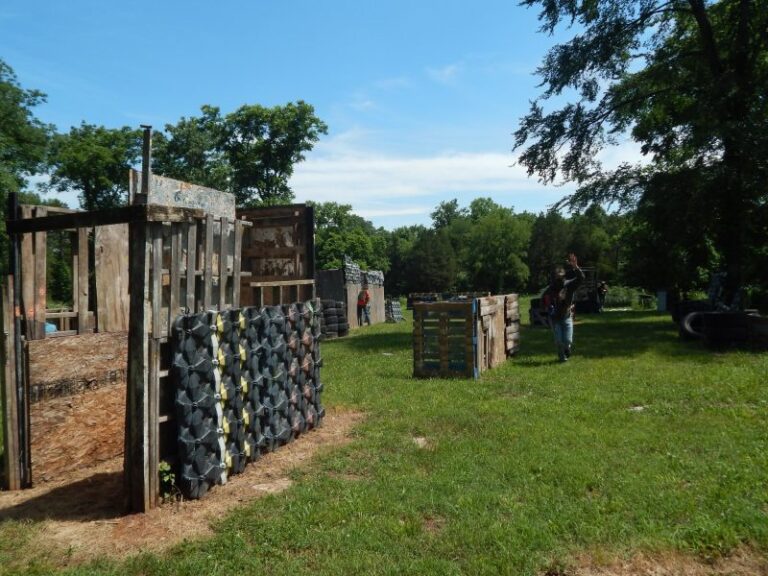
Outdoor locations provide natural terrain and expansive space, making them ideal for scenario‑heavy formats such as woodsball and large‑scale capture‑the‑flag battles. Popular settings include:
Forested Parks – Dense foliage, uneven ground, and natural obstacles create realistic cover, demanding careful navigation and long‑range shooting.
Open Fields with Constructed Bunkers – Wide‑open spaces dotted with inflatable or wooden bunkers support speedball games, offering a fast‑paced, high‑action environment.
Military‑Style Training Grounds – Some facilities repurpose decommissioned military bases, providing realistic urban or desert layouts for tactical drills.
Outdoor venues usually operate seasonally, with many fields offering night‑time play using glow‑in‑the‑dark paintballs and illuminated markers to add a new dimension to the game.
Indoor Arenas
Indoor paintball centers bring the action under a roof, allowing year‑round play regardless of climate. These venues typically feature:
Inflatable Obstacle Courses – Soft, modular structures that can be reconfigured quickly to design new layouts for each session.
Themed Environments – Some arenas adopt sci‑fi, zombie, or historical motifs, enhancing immersion for scenario‑based games.
Advanced Ventilation and Safety Systems – Controlled airflow removes excess paint residue, and strict equipment checks maintain consistent marker performance.
Indoor settings are especially popular in urban areas where land for large outdoor fields is scarce. They also cater to corporate events and birthday parties, offering packages that include gear rental, coaching, and post‑game debriefs.
Regardless of the venue type, reputable facilities provide comprehensive safety briefings, well‑maintained equipment, and staff trained to enforce rules, ensuring a secure and enjoyable experience for all participants.
Conclusion
Paintball has matured from a niche pastime into a multifaceted sport that blends physical challenge, strategic depth, and social interaction. Understanding its fundamental components—what it is, how it is regulated, the variety of scenarios, its benefits, and the demographics it attracts—allows newcomers and veterans alike to appreciate its unique appeal. Scientific and industry endorsements reinforce paintball’s status as a safe, health‑promoting activity when proper precautions are taken. Whether players choose the natural immersion of outdoor woodsball or the high‑octane precision of indoor speedball, the sport offers an adaptable platform for recreation, competition, and team development. As technology advances and new formats emerge, paintball is poised to continue its trajectory as a vibrant, inclusive, and globally enjoyed game.

 El Monte
 Log in

 Outdoors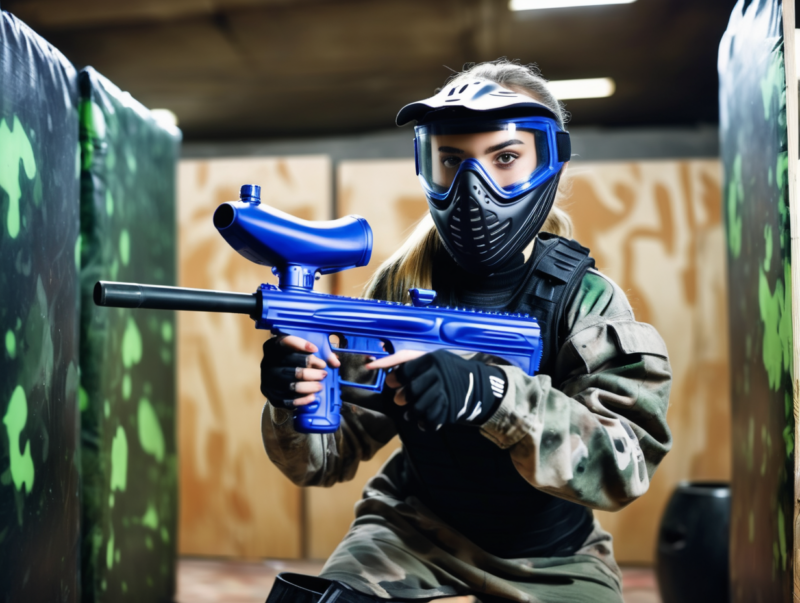


 2101 Morgantown Rd, Bowling Green, KY 42101