El Monte
 Log in
Log in
Log in

Blitz Paintball and Airsoft is located in Dacono, Colorado, just north of Denver off I-25 near Erie.
The facility offers five outdoor recreational paintball fields — a two-story castle, an urban combat zone with semi-trailer structures, a military base with a helicopter and missile silos, a large Hyperball field, and a smaller Hyper-Spool field. Airsoft is also available on separate AstroTurf fields using only biodegradable BBs. Walk-on play runs on weekends with continuous games throughout the day, and private games can be arranged for groups of any size. The staff provides thorough safety orientations and stays on the field as referees during play.
Birthday parties, bachelor and bachelorette parties, and corporate team-building events are regularly hosted, with group discounts available for parties of five or more. The facility includes a covered picnic area, a seasonal concession stand, and a small pro shop offering gear, paint, and air refills. Players are welcome to bring their own food and drinks. Blitz is open year-round on weekends (weather permitting) and by reservation during the week for groups of five or more.
 Outdoors
Dynamic Paintball & Airsoft is located in Aurora, Colorado, just east of E-470 near Murphy Creek Golf Course and minutes from Denver International Airport.
The facility features a 5.5-acre recball field with natural and man-made obstacles, two turfed NXL-format speedball fields, a hyperball field, and monthly airsoft days. They offer public walk-on paintball, private parties for groups of 10 or more, and low-impact options for kids including Gotcha paintball (ages 6+), .50 cal semi-auto (ages 8+), Gellyball (ages 6+), and Bazooka Ball (ages 5+). The staff is known for being friendly and safety-focused, with referees who actively balance teams and rotate game modes.
Beyond the games, the facility provides a large staging area with picnic tables and shade, propane grill rentals for $5, and a concession stand. Private parties include a dedicated referee and exclusive field access. Memberships are available for frequent players, offering free entry, discounted paint, and other perks. The venue is well-suited for birthdays, corporate team-building, bachelor/bachelorette parties, and youth group outings.
OutdoorsAmerican Paintball Coliseum operates in the Denver area with outdoor fields in Aurora and an indoor facility in Denver. The venue offers paintball, airsoft, laser tag, axe throwing, and virtual reality across seven themed outdoor fields and a 26,000-square-foot indoor arena. Fields feature real vehicles, bunkers, and structures for immersive gameplay, with options for both casual walk-in play and competitive tournament-style matches through the Rocky Mountain Paintball League.
Birthday parties, corporate team-building events, bachelor parties, and graduation celebrations are all regularly hosted, with dedicated “Eat & Play” packages that include equipment, ammunition, and food. The staff is known for being patient and attentive, especially with first-time and younger players. Between games, guests can relax in covered picnic seating, grab snacks from the concession stand, or visit the on-site pro shop for gear, repairs, and air refills. Private group play is available, and the facility is open seven days a week.
 Indoors
Paintball in Denver, CO is a popular recreational activity, allowing participants to engage in fast-paced, action-packed play. The city boasts several large and well-maintained paintball fields, providing players of all ages and skill levels the opportunity to enjoy competitive and entertaining experiences. Whether you’re a skilled tournament player or just looking for a fun activity to do with friends, Denver paintball is a great option.
Most local paintball settings in Denver are either airball or woods fields, although some alternate styles like speedball are occasionally available. Players typically use semi-automatic paintball markers, operated from compressed air tanks, to launch gelatin capsules filled with non-toxic paints at one another. Protective gear such as full-face masks, overalls, and gloves are usually required and all playing fields abide by strict safety measures to ensure a safe and enjoyable playing environment. Several professional teams also call Denver home, hosting regional tournaments and competing with other top paintball squads throughout the West.
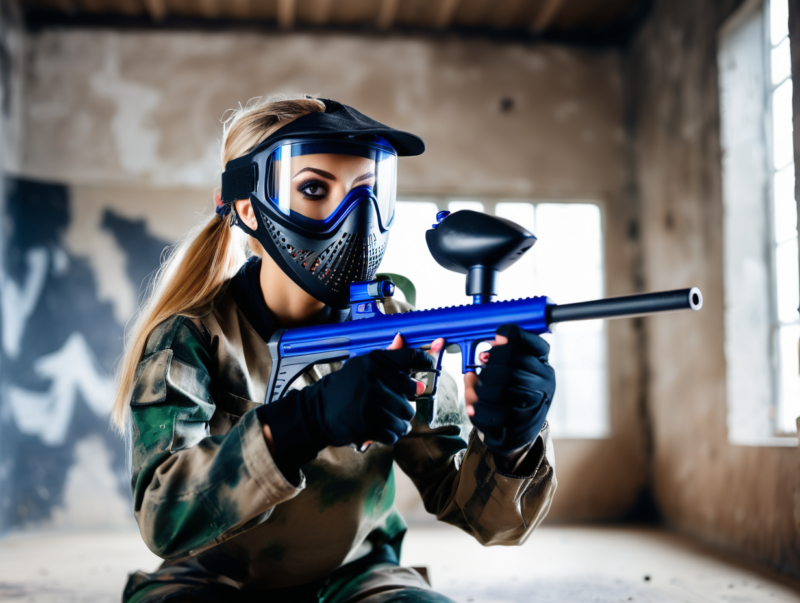
Paintball is a fast‑paced, team‑oriented sport in which participants use pneumatic or CO₂‑powered markers—commonly called paintball guns—to shoot gelatin capsules filled with non‑toxic, water‑based paint. When a capsule strikes a player’s body or equipment, it bursts, leaving a visible paint mark that signals an “elimination.” The basic premise mirrors classic combat games: players move through a defined field, seek cover, and attempt to out‑maneuver opponents while adhering to a set of safety and gameplay rules. Modern paintball equipment includes high‑precision markers, protective masks, body armor, and a variety of tactical accessories such as pod packs, loaders, and tactical vests. Though the sport originated in the 1970s as a military training tool, it has since evolved into a mainstream recreational activity, competitive league sport, and even an arena for corporate team‑building exercises.
Although individual fields may tweak regulations to suit their terrain or event style, most paintball venues enforce a core set of universal rules designed to protect players and ensure fair competition:
Protective Gear Is Mandatory – Every participant must wear a certified paintball mask that covers the eyes and nose, along with appropriate clothing such as long‑sleeved shirts, pants, and gloves. Many venues also require chest protectors or padded vests for higher‑intensity matches.
Elimination Protocol – A player is considered eliminated when paint from a capsule fully covers a body part that is not covered by protective gear. In standard league play, a single hit is enough; in scenario games, certain “hit zones” may be exempt.
Marker Safety – Markers must be inspected before each game. They must be set to the venue’s maximum velocity limit (commonly 280–300 feet per second) to prevent injury. Players are prohibited from modifying their markers to exceed these limits.
No Physical Contact – Paintball is a non‑contact sport. Pushing, shoving, or any form of physical aggression results in immediate disqualification.
Field Boundaries – Players must remain within the marked playing area. Crossing the boundary line—whether voluntarily or because of a hit—constitutes a violation and often leads to a penalty.
Sportsmanship – Respect for opponents, referees, and staff is mandatory. Unsportsmanlike conduct such as profanity, intentional cheating, or damaging equipment can result in suspension from the field.
Reloading and Ammo Management – Reloading must be performed in designated safe zones unless the field permits “on‑the‑fly” loading. Air tanks must be secured, and players must adhere to the venue’s refill policies.
By adhering to these basic guidelines, paintball maintains its reputation as a safe, exhilarating sport that can be enjoyed by a wide audience.
Beyond the classic “capture the flag” or “elimination” formats, paintball scenarios add narrative depth and strategic variety to the experience. Scenario games are often built around a story line, mission objectives, or historical reenactments, and they can run for several hours or even multiple days. Some of the most popular scenario categories include:
Military Simulations – Players assume the roles of infantry squads, special forces, or insurgent groups. Objectives may involve securing a forward operating base, rescuing hostages, or destroying a “weapon cache.” These games often integrate realistic tactics, communication protocols, and command structures.
Zombie Apocalypse – A small group of “infected” players attempts to tag the remaining survivors. As more participants become infected, the balance of power shifts, creating a dynamic, suspenseful environment that emphasizes survival tactics.
Historical Battles – Reenactments of famous conflicts such as the Battle of Gettysburg, D-Day, or the Siege of Stalingrad allow participants to explore history while employing period‑appropriate strategies and uniforms.
Fantasy and Sci‑Fi – Themes drawn from popular media—such as alien invasions, superhero battles, or medieval quests—encourage creative costuming and role‑playing, often combined with custom objectives like “collect the magic crystal” or “defeat the alien mothership.”
Corporate Team‑Building – Businesses hire scenario designers to craft missions that emphasize communication, leadership, and problem‑solving. Teams might be tasked with “retrieving a confidential file” while navigating obstacles that require cooperation and strategic planning.
Scenario events are typically supported by props, inflatable bunkers, smoke machines, and sound effects that enhance immersion. The extended duration and narrative stakes encourage players to think beyond simple line‑of‑sight shooting, integrating tactics such as ambushes, reconnaissance, and resource management.
Paintball offers a surprisingly broad spectrum of benefits, ranging from physical conditioning to psychological development:
Cardiovascular Fitness – The stop‑and‑go nature of a match forces participants to sprint, dodge, and sprint again, delivering a high‑intensity interval workout that improves heart health and endurance.
Coordination and Reflexes – Tracking moving targets, aiming under pressure, and reacting to sudden threats sharpens hand‑eye coordination and speeds up neural response times.
Teamwork and Communication – Success in most paintball formats hinges on clear, concise communication and coordinated movement. Players learn to delegate roles, share information, and adapt strategies on the fly—skills that translate directly to workplace environments.
Stress Relief – The physical exertion combined with a focused, adrenaline‑rich setting provides an outlet for stress release. Endorphin release after a game often leaves participants feeling more relaxed and energized.
Strategic Thinking – Scenario games demand long‑term planning, resource allocation, and risk assessment. Players practice evaluating terrain, anticipating opponent moves, and making rapid tactical decisions.
Confidence Building – Overcoming the fear of being “hit,” mastering equipment, and achieving objectives bolster self‑esteem, especially for newcomers who may have previously felt hesitant about high‑energy activities.
Social Interaction – Paintball draws a diverse crowd. Regular players form tight‑knit communities, while newcomers often make friends quickly, fostering a sense of belonging.
Collectively, these advantages make paintball an appealing option for fitness enthusiasts, corporate trainers, educators, and anyone seeking an engaging, multi‑dimensional activity.
The paintball community is remarkably inclusive, encompassing a range of age groups, backgrounds, and motivations. Some of the primary demographics include:
Youth and Teens – Many teenagers discover paintball through school clubs, summer camps, or birthday parties. The sport serves as an introduction to team sports, offering a safe outlet for competitive energy.
Young Adults – College students and recent graduates often gravitate toward paintball for its social aspect, adrenaline rush, and low barrier to entry. Campus leagues and local tournaments provide structured competition.
Corporate Professionals – Companies frequently organize paintball outings as part of team‑building programs. Employees appreciate the blend of physical activity and collaborative problem‑solving.
Military and Law Enforcement Personnel – While paintball is not a direct substitute for tactical training, many service members use it to rehearse squad movement, communication, and decision‑making in a low‑risk environment.
Recreational Enthusiasts – Adults who enjoy outdoor sports, hunting, or shooting sports often adopt paintball as a seasonal hobby, participating in weekly league matches or occasional scenario events.
Senior Participants – Some facilities offer “low‑impact” or “slow‑play” formats that accommodate older adults seeking a moderate physical challenge while maintaining social connections.
Women and Girls – Historically under‑represented, female participation has grown substantially over the past decade, with many venues establishing women‑only leagues and mentorship programs to encourage inclusivity.
The sport’s adaptability—offering both high‑intensity competition and relaxed, family‑friendly games—ensures that it continues to attract an ever‑expanding player base.
From a scientific perspective, paintball is increasingly recognized for its unique combination of physical, cognitive, and social benefits. Researchers in kinesiology and sports medicine have conducted studies showing that short bursts of high‑intensity activity, such as those experienced during a paintball match, improve aerobic capacity and muscular endurance comparable to interval training programs. Moreover, the rapid decision‑making required under pressure has been linked to enhanced executive function, particularly in adolescents and young adults.
Psychologists have explored the sport’s impact on teamwork and stress management. Findings suggest that the immersive, goal‑oriented environment cultivates resilience and cooperative problem‑solving, traits that are transferable to academic and occupational settings. The “flow state” frequently reported by players—characterized by deep focus and loss of self‑consciousness—has been associated with increased satisfaction and reduced perceived stress levels.
Industry experts, including equipment manufacturers and venue operators, emphasize safety innovations and technological advancements. Modern markers incorporate electronic firing modes that regulate velocity, while masks now feature anti‑fog lenses and impact‑resistant polycarbonate shells. Additionally, the rise of biodegradable paintballs addresses environmental concerns, reducing plastic waste and minimizing ecological impact on natural fields.
Collectively, the consensus among scientists and industry stakeholders positions paintball not merely as entertainment but as a multidimensional activity that promotes physical health, cognitive development, and social cohesion, all while maintaining robust safety standards.
Paintball can be enjoyed in a variety of settings, each offering distinct experiences, terrain challenges, and logistical considerations.
Outdoor venues typically occupy large parcels of land—ranging from a few acres to expansive forested complexes. The natural environment provides diverse terrain features such as hills, dense foliage, bunkers, and water hazards, fostering realistic tactical scenarios. Key advantages of outdoor play include:
Many outdoor fields also incorporate specialized attractions like inflatable obstacles, zip‑lines, and “airsoft‑style” structures, enhancing the variety of gameplay.
Indoor paintball centers are housed within warehouses, gymnasiums, or purpose‑built facilities. These venues offer a controlled climate, consistent lighting, and highly engineered layouts using inflatable bunkers, modular walls, and laser‑tag‑style obstacles. Benefits of indoor play encompass:
Indoor venues often cater to beginners and families, offering shorter match lengths, lower entry fees, and rental equipment packages that lower the barrier to entry.
When selecting a paintball location, players should consider several factors:
Regardless of the setting, the core essence of paintball—strategic movement, teamwork, and the excitement of a well‑aimed shot—remains constant, ensuring that every match delivers an engaging, memorable experience.
Paintball continues to evolve, blending advancements in technology, scientific insights, and creative scenario design. Whether played in a forest clearing, an inflatable arena, or a corporate training room, the sport offers a unique combination of physical exertion, mental acuity, and social interaction. Its broad appeal across age groups, professions, and cultures underscores its status as more than just a game; it is a versatile platform for fitness, teamwork, and immersive storytelling.


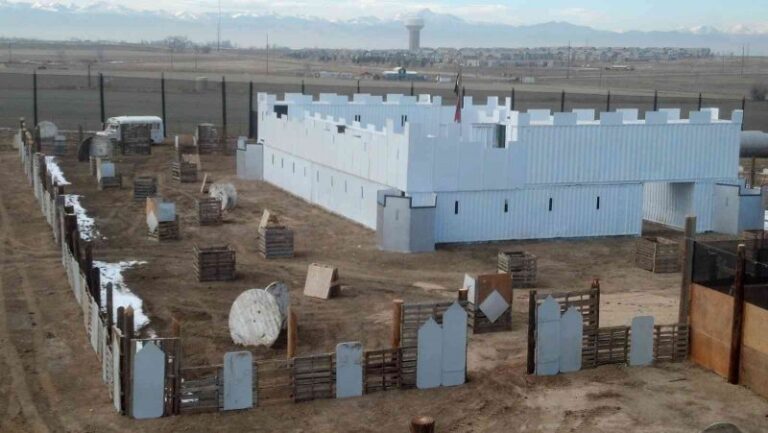
 5340 Summit Blvd. Dacono, CO 80514