El Monte
 Log in
Log in
Log in

Family Paintball Center is located in Miami, Florida, in the western part of the city near the Tamiami Trail area. The club offers three distinct playing fields: a tournament-style Speedball field with inflatable bunkers, an urban Battletown field with a diner and gas station, and a Wild West-themed town with a saloon and sheriff’s office. Activities include traditional paintball for ages 12+, low-impact paintball for ages 7+, and Gelly Ball for ages 5+, which uses soft water beads with no mess or pain. Popular game scenarios include capture-the-flag and team elimination matches.
Reservations include a reserved seating area, and the facility hosts birthdays, corporate team-building events, and family outings. On-site food trucks serve Mexican cuisine, and Frostbites Shaved Ice offers cool treats. The Private Host add-on provides a dedicated crew member to manage games and equipment for groups with children. The staff uses Planet Eclipse EMEK markers, JT masks, and Tippmann chest protectors, and has facilitated over 20,000 player sign-ups in the past year.
 Outdoors
Matrix Tactical Airsoft & Paintball Field is located in the South Miami-Dade area of Miami, Florida, near the Vehlin Hamlet neighborhood.
The club offers two distinct outdoor fields spread across over two acres of natural woodland: a large woodsball arena with sniper towers, trenches, and multiple bases, plus a small-town-themed field built for close-quarters combat. Both paintball and airsoft are available, with standard open-play sessions running every weekend and special themed events like Zombie Madness held throughout the year. Rental packages are available for players who do not own their own equipment, and the staff provides free CO2 and compressed air refills for those who bring their own gear.
Matrix Tactical is well-suited for birthday parties, bachelor parties, corporate team-building events, and other group celebrations. Private group packages include a dedicated tent and tables at no extra cost, and outside food is permitted on the premises. The facility features a lounge and recreation area for resting between matches, on-site parking, restrooms, and occasional food vendors. The family-owned operation is known for its friendly, professional staff and welcoming community atmosphere.
Outdoors
Paintball is an exciting sport that has taken Miami, FL by storm. Paintball has become increasingly popular in the Miami, FL area. From state-of-the-art paintball fields to full on tournament play, the city offers something for everyone.
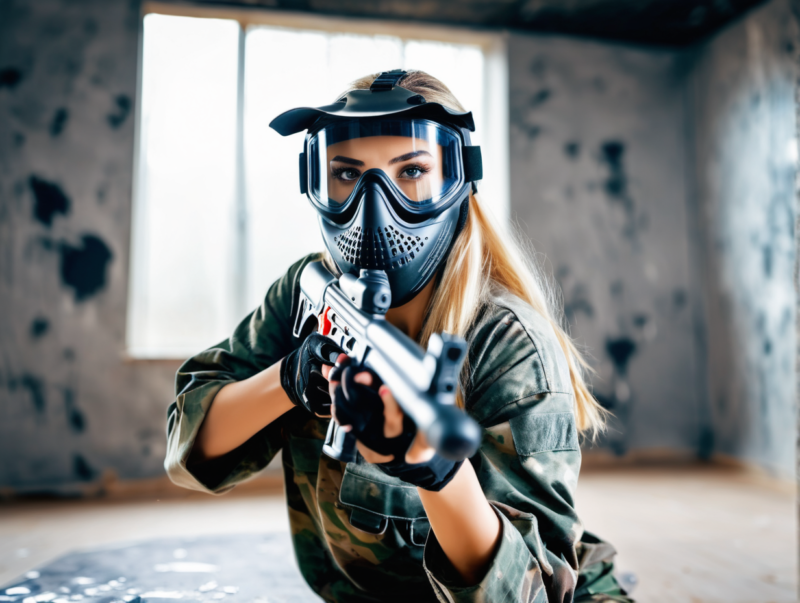
Paintball is a fast‑paced, team‑oriented sport in which participants use specially designed low‑velocity markers to fire paint‑filled gelatin capsules—commonly called paintballs—at one another. The objective varies by game mode, but the core idea is simple: hit an opponent with a paintball to eliminate them from the round. Modern paintball markers resemble compact firearms and are powered by compressed air or CO₂, delivering a consistent shot speed that is safe for players when proper protective gear is worn. The capsules themselves are made of a thin, biodegradable shell surrounding a small amount of non‑toxic, water‑soluble paint, ensuring that hits are visible yet clean‑up is straightforward.
Paintball originated in the early 1980s as a recreational off‑shoot of military simulation training. Over the decades it has evolved from a niche pastime into a global phenomenon with organized leagues, international tournaments, and a thriving aftermarket of equipment, apparel, and custom‑built fields. The sport’s appeal lies in its blend of physical exertion, strategic thinking, and the sheer thrill of sprinting across a field while dodging a flurry of brightly colored projectiles.
While specific rule sets differ between leagues, most organized play adheres to a core set of guidelines designed to keep the game fair, safe, and enjoyable for everyone involved.
Safety Gear: Players must wear a full‑face mask that meets industry safety standards, along with protective clothing such as padded vests, gloves, and appropriate footwear. Some venues also require chest protectors and elbow/knee pads, especially for younger participants.
Marker Limits: Most fields limit marker velocity to 300 feet per second (fps) or less. This restriction reduces the risk of injury while maintaining sufficient impact to leave a clear paint mark.
Elimination: A player is considered eliminated when a paintball breaks on the body, clothing, or equipment. The hit must be visible; a “splatter” on the ground does not count. Eliminated players must leave the playing area and report to the referee or designated “rehab” zone before re‑entering the next round.
Reloading: Reloads must be performed in designated safe zones unless a field explicitly permits on‑field reloads. A marker can only be reloaded when a player’s hand is fully away from the barrel.
Code of Conduct: Unsportsmanlike conduct—such as deliberate headshots, aggressive physical contact, or the use of prohibited ammunition—results in warnings, penalties, or removal from the game. Most fields enforce a “zero tolerance” policy for actions that jeopardize safety.
Game Timing: Rounds typically last between 5 and 15 minutes, with a brief intermission for players to reload, hydrate, and regroup. Some formats use a “sudden death” timer where the first hit after a set period ends the game.
Boundary Awareness: Players must stay within the clearly marked playing area. Exiting the field without permission is a violation that can lead to disqualification for the offending player or their entire team.
These rules form the backbone of organized paintball. They are reinforced by referees, safety briefings before each session, and mandatory equipment checks at the entrance of most venues.
Paintball is a versatile sport that can be shaped to suit a wide range of interests, skill levels, and group sizes. The most popular scenarios fall into three broad categories: objective‑based games, elimination matches, and story‑driven simulations.
In an objective‑based match, the focus is on completing a specific task rather than simply eliminating opponents. Classic examples include Capture the Flag, where each team must retrieve the opponent’s flag and return it to their base, and Attack/Defend, in which one side must protect a designated asset while the other tries to seize it. These games encourage coordinated movement, communication, and tactical planning.
Traditional elimination (or “deathmatch”) formats pit teams against each other in a pure shoot‑out. The round continues until one side is fully eliminated or time expires. Variations such as “Last Man Standing” (individual elimination) and “Team Elimination” (team‑based) keep the pace rapid and adrenaline‑fueled, making them ideal for short, high‑energy sessions.
For groups seeking immersive experiences, scenario paintball offers narrative frameworks that mimic military operations, sci‑fi battles, or historical reenactments. Players assume roles—such as squad leader, medic, or reconnaissance specialist—and must follow mission briefs, adhere to “rules of engagement,” and sometimes even manage in‑game resources like “ammo caches” or “medical kits.” These events can span several hours or be staged as multi‑day tournaments with elaborate objectives and evolving storylines.
Each scenario type contributes to paintball’s broad appeal, allowing newcomers to start with simple elimination games while seasoned players can explore complex, collaborative challenges.
Beyond entertainment, paintball delivers a suite of physical, mental, and social benefits that make it a valuable activity for a diverse audience.
The sport demands sprinting, ducking, crawling, and rapid changes of direction, providing a high‑intensity cardiovascular workout. The constant movement improves agility, core strength, and overall stamina. Because matches are typically brief but intense, paintball offers a form of interval training that can complement traditional gym routines.
Success on the field hinges on quick decision‑making, spatial awareness, and strategic foresight. Players must assess enemy positions, predict opponent behavior, and adapt tactics on the fly. This mental gymnastics sharpens problem‑solving abilities and enhances situational awareness—skills that transfer to everyday life and professional environments.
Paintball’s reliance on coordinated action makes it an excellent team‑building exercise. Participants learn to convey information efficiently, trust teammates’ decisions, and manage collective resources such as ammunition and time. Many corporations and military units incorporate paintball into leadership development programs for precisely these reasons.
The physical exertion combined with the release of endorphins creates a natural stress‑reliever. The adrenaline rush and the playful, competitive atmosphere provide a constructive outlet for aggression and tension, leaving players feeling refreshed and mentally reset after a match.
Whether played in a casual weekend league or a competitive tournament, paintball fosters camaraderie. The shared experience of navigating obstacle‑laden fields, celebrating victories, and learning from defeats builds lasting friendships and a strong sense of community among participants.
Collectively, these advantages position paintball as more than a hobby; it is a multifaceted activity that promotes holistic well‑being.
Paintball’s participant base is remarkably diverse, cutting across age, gender, and professional backgrounds.
Youth and Teens: Many schools and youth clubs organize paintball outings as part of physical‑education curricula or extracurricular programs. The sport’s emphasis on teamwork and strategic thinking resonates with adolescents seeking active, social recreation.
Adults and Professionals: Corporate teams frequently use paintball for team‑building retreats, leveraging the game’s collaborative demands to strengthen workplace dynamics. Professionals from fields such as engineering, finance, and education often join local leagues to unwind after work.
Military and Law Enforcement: While not a direct substitute for live‑fire training, paintball offers a safe, cost‑effective means for tactical drills, scenario planning, and unit cohesion exercises. Many veterans also turn to paintball as a recreational bridge to civilian life, appreciating the familiar teamwork and adrenaline.
Competitive Athletes: Dedicated players compete in regional, national, and international tournaments. These athletes invest in high‑performance gear, study game theory, and maintain rigorous fitness regimens, treating paintball with the seriousness of any mainstream sport.
Families and Social Groups: Many venues provide “family days” or “beginner sessions” that welcome participants of all skill levels. Paintball’s accessibility—thanks to rental equipment and guided instruction—makes it an attractive option for group outings, birthday parties, and reunions.
The sport’s inclusive nature ensures that anyone with a desire for active, strategic play can find a place on the field.
Researchers and industry analysts have examined paintball from several perspectives, highlighting both its benefits and areas for improvement.
Biomechanical studies conducted by sports medicine experts confirm that, when proper protective equipment is used, the risk of serious injury in paintball is minimal. The majority of documented injuries involve minor abrasions or bruises, often resulting from improper mask fit or failure to adhere to velocity limits. Consequently, most safety guidelines emphasize equipment standards, regular inspections, and strict enforcement of velocity caps.
Psychologists studying competitive leisure activities note that paintball can boost confidence and improve stress‑management skills. The fast‑paced, unpredictable nature of the game forces participants to stay present, fostering mindfulness and reducing rumination. However, experts caution that excessive competitiveness may lead to heightened aggression if not balanced with sportsmanship training.
Industry analysts observe that the paintball market has stabilized after a surge in the early 2000s, now focusing on premium equipment, technologically advanced markers, and experiential venues. Indoor arenas, equipped with air‑conditioned environments and elaborate inflatable structures, have grown in popularity, especially in regions with limited outdoor space. The rise of “paintball esports”—broadcasted matches with real‑time commentary—has also expanded the sport’s audience, attracting sponsorships and media attention similar to traditional extreme sports.
Ecologists have examined the environmental footprint of paintball fields. The biodegradable nature of modern paintball shells reduces litter, while many venues employ recycling programs for spent shells and CO₂ canisters. Some researchers advocate for the use of renewable energy sources to power compressors, further lowering the sport’s carbon impact.
Overall, scientific consensus affirms that paintball, when regulated responsibly, offers a safe, health‑enhancing, and socially enriching activity. Industry experts continue to innovate in equipment safety, venue design, and sustainability, ensuring the sport’s relevance for future generations.
Paintball can be enjoyed in a wide variety of settings, each offering distinct experiences that cater to different preferences and logistical constraints.
Traditional outdoor paintball fields span anywhere from a few acres to multi‑square‑kilometer battle zones. They often feature natural terrain—forests, hills, streams—and man‑made structures such as bunkers, tire walls, and wooden fortifications. The diversity of terrain encourages strategic movement and provides a realistic backdrop for tactical simulations.
Outdoor play is heavily influenced by weather, making it seasonal in regions with extreme temperatures or precipitation. However, many fields provide covered areas, heaters, or misting systems to enhance comfort.
Indoor paintball facilities have proliferated in recent years, offering climate‑controlled environments and compact, fast‑paced action. These venues typically employ inflatable obstacles, modular walls, and high‑tech lighting to create dynamic layouts that can be reconfigured between games.
Indoor venues are accessible year‑round, making them ideal for urban populations where outdoor land is scarce. Their compact footprint also allows for easy integration with other recreational activities, such as laser tag or virtual reality zones, fostering a multi‑disciplinary entertainment hub.
When selecting a paintball location, participants should consider factors such as:
By weighing these considerations, players can find a setting that aligns with their objectives—whether it’s a casual weekend outing, a rigorous tactical drill, or a competitive tournament.
Paintball has matured from a novelty pastime into a sophisticated sport that blends physical exertion, strategic depth, and social interaction. With clear safety standards, a wide array of game scenarios, and venues ranging from rugged forests to high‑tech indoor arenas, it offers something for everyone—from the curious teenager to the seasoned corporate team. As scientific research continues to underscore its health benefits and industry innovation pushes the boundaries of equipment and experience, paintball is poised to remain a vibrant, inclusive activity for years to come.


 220 NW 137th Ave, Miami, FL 33182, United States