
 El Monte
 Log in
Log in
Log in


Ruckus Paintball + Airsoft sits on the west side of Albuquerque, inside the Albuquerque City Shooting Range Park at 16001 Shooting Range Access Rd, as the largest paintball park in New Mexico.
The park offers four game styles across three themed fields: classic paintball and low-impact paintball for ages 10 and up, airsoft on the first and third Saturdays, and Gellyball for younger kids ages 6 to 10. Full rental packages include guns, face masks, unlimited air fills, and all-day admission, with paintballs included. Walk-on players are welcome on weekends, and the fields feature bunkers, forts, trenches, and varied obstacles supporting capture-the-flag, elimination, and scenario games.
Ruckus doubles as a full event venue, hosting birthday parties, bachelor and bachelorette parties, corporate outings, youth and school groups, church groups, and sports teams, with private bookings available any day of the week and custom quotes for groups of 30-plus. The professional, safety-focused staff includes dedicated airsoft referees with decades of combined experience. Gift cards are available, and reservations are recommended since rentals book up quickly on weekends.
 Outdoors
Paintball is a fast‑paced, team‑oriented sport in which participants use compressed‑air or CO₂‑powered markers—commonly called “paintball guns”—to fire capsules of gelatin‑based paint at opponents. The paint‑filled projectiles, known as paintballs, are designed to burst on impact, leaving a visible mark that signals a hit. The core of the game lies in strategy, movement, and quick decision‑making; the equipment merely provides the medium through which players interact.
Modern paintball markers are lightweight, ergonomically shaped, and highly adjustable. They can fire anywhere from a gentle 200 feet per minute (fpm) to the regulated maximum of 300 fpm in most competitive leagues. Paintballs themselves are 0.68 inches in diameter, made of a thin shell that shatters on contact, delivering a small splash of non‑toxic, water‑soluble dye. Because the sport relies on a clear visual cue to determine eliminations, the paint must be bright, easy to see, and quick to wash off.
Beyond the basic definition, paintball has evolved into a cultural phenomenon that spans casual weekend outings, corporate team‑building exercises, and highly organized tournaments with prize pools that rival traditional athletics. Its accessibility—requiring only a marker, a hopper, a mask, and a venue—makes it a low‑barrier entry point into the world of tactical recreation.
While the specific regulations can vary from one field to another, most paintball venues adhere to a core set of rules designed to keep the game safe, fair, and enjoyable for everyone.
Mandatory Protective Gear
Every participant must wear a full‑face mask that meets ASTM F1492 or equivalent safety standards. The mask must be secured at all times while on the field, protecting the eyes, ears, and face from high‑velocity impacts. Many fields also require padded gloves, chest protectors, and leg guards for added safety.
Marker Power Limits
Most organized play caps marker velocity at 300 fpm (or 280 fpm for certain age groups). Velocity is measured with chronographs before players are allowed onto the field. Exceeding the limit can result in a warning, marker disqualification, or removal from the game.
Paintball Size and Quality
Paintballs must be the standard 0.68‑inch diameter and free from cracks, dents, or defects that could cause barrel blockage. Fields often conduct “paintball checks” before the start of a match, discarding any compromised rounds.
Hit Confirmation and Elimination
A player is eliminated when a paintball strikes them and leaves a visible mark on any part of the body that is not covered by protective equipment. In many formats, a hit to a teammate’s mask, which is considered part of the protected area, does not result in elimination. However, a hit to the mask’s visor (the clear plastic) is counted as a hit in most rulesets.
Shooting Etiquette
Players must never shoot at an opponent’s face through an opened mask, must keep a safe distance (typically no closer than 1 foot) when firing, and must avoid “double‑tap” shooting where the marker’s barrel is pointed directly at a teammate’s head or face.
Game‑Specific Objectives
Beyond “last man standing,” many scenarios introduce objectives such as capture the flag, king of the hill, or point‑blank hostage rescue. In these formats, additional rules—like flag handling, respawn timers, or protected zones—are layered on top of the basic framework.
Field Conduct
Players are expected to respect the venue’s property, stay within the designated playing area, and follow the directives of referees or field staff. Unsportsmanlike conduct, including deliberate sabotage of equipment or verbal harassment, can lead to immediate ejection from the site.
These fundamental rules form the backbone of safe, organized paintball. Whether a player is stepping onto a backyard course for the first time or signing up for an international tournament, adherence to these guidelines ensures a level playing field and minimizes risk.
A paintball scenario is a scripted or semi‑scripted set of objectives that shape the flow of a match. While classic “team deathmatch” pits two squads against each other until one side is eliminated, modern scenarios add narrative, strategy, and varied win conditions. Below are some of the most popular formats.
Two teams each defend a flag placed at their base while simultaneously attempting to retrieve the opponent’s flag and return it to their own territory. Successful capture awards points, and the game can be timed or played until a preset score is reached. CTF encourages coordinated assaults, stealthy infiltration, and defensive fortifications.
One squad is assigned a fortified position—often a bunker or a series of barricades—while the opposing team must breach the defenses within a limited time frame. The defending team’s goal is to hold the line; the attackers aim to infiltrate and plant a marker (or retrieve an object) inside the defended zone. This scenario mimics military tactics and is a staple of high‑intensity league play.
A small number of “infected” players start the round alongside a larger group of “survivors.” When a survivor is hit by an infected player, they become infected themselves. The round ends when either all survivors are converted, or a time limit expires with at least one survivor remaining. The scenario blends horror motifs with rapid decision‑making.
A central area—often an elevated platform or a marked zone—acts as the “hill.” Teams fight to control the hill for a cumulative amount of time. Points are awarded for each second the hill is held, encouraging aggressive pushes and strategic retreats. The fluid nature of the hill makes it a fan‑favorite in tournament settings.
One team is tasked with retrieving an “intel” object placed somewhere on the field and escorting it back to a designated extraction point. The opposing team must prevent the extraction. The scenario introduces a high‑value target that forces the attackers to split their forces between offense and protection, while defenders must allocate resources to both patrolling and guarding the extraction area.
Some fields organize elaborate, multi‑hour events with story arcs—e.g., “Rescue the Hostage” or “Rebel Uprising.” Players assume roles, receive mission briefings, and often wear themed gear. These long‑form games can last several hours, with multiple objectives that evolve based on player actions, creating a dynamic, immersive experience reminiscent of live‑action role‑playing (LARP).
Each scenario challenges participants to think beyond sheer firepower. Tactical planning, communication, and adaptability become as important as accuracy, making paintball a versatile sport that caters to a wide range of play styles.
While the immediate thrill of dodging paint‑splattered bursts is undeniable, paintball offers a suite of benefits that extend far beyond the field.
Paintball is a high‑intensity aerobic activity. Players sprint, crouch, climb, and duck constantly, burning an average of 400–600 calories per hour depending on terrain and game style. The sport improves cardiovascular endurance, muscular strength (particularly in the core, legs, and upper body), and flexibility through dynamic movements.
Successful paintball relies on rapid situational assessment, decision‑making under pressure, and strategic foresight. Players must evaluate cover, anticipate opponents’ moves, and coordinate with teammates—all in real time. This mental training translates to improved problem‑solving skills and heightened focus in everyday life.
Most paintball formats are team‑oriented, requiring clear, concise communication. Players learn to delegate roles (sniper, support, breacher), share intel, and adjust tactics on the fly. These collaborative experiences foster leadership abilities, trust, and conflict‑resolution skills—qualities highly valued in corporate and academic environments.
The adrenaline rush of a well‑executed charge or a close‑call dodge releases endorphins, providing a natural mood boost. The competitive yet playful nature of paintball offers an outlet for pent‑up energy, reducing stress and promoting mental well‑being.
Whether it’s a weekend outing with friends, a birthday party, or a corporate team‑building day, paintball brings people together in a shared challenge. The camaraderie formed on the field often continues off it, strengthening friendships and workplace relationships.
For individuals interested in law‑enforcement, military, or security fields, paintball provides a low‑risk environment to practice movement, cover utilization, and communication without live ammunition. Many training programs incorporate paintball drills to reinforce fundamentals of tactical decision‑making.
In sum, paintball serves as an all‑round recreational, educational, and fitness platform, appealing to anyone seeking a blend of physical exertion, mental challenge, and social interaction.
Paintball’s appeal cuts across age, gender, and professional backgrounds. Below is a snapshot of the main demographics that populate the sport.
Many middle‑school and high‑school programs incorporate paintball as an extracurricular activity. It offers a structured, supervised outlet for energetic adolescents, while teaching responsibility (e.g., equipment maintenance) and teamwork. Youth leagues often have lower velocity limits and specialized safety protocols.
University clubs and intramural leagues are a major source of paintball participation. The sport fits well within the college culture of competition and social networking, and many campuses host regional tournaments that attract teams from across the country.
Companies increasingly use paintball for team‑building retreats. The fast‑paced, cooperative nature of the game mirrors workplace dynamics, making it an effective tool for enhancing communication, leadership, and morale. Many corporate packages include coaching sessions that translate field tactics into business strategies.
Active‑duty service members and police officers turn to paintball for realistic, low‑cost tactical training. Paintball’s emphasis on movement, cover, and coordinated fire mirrors real‑world scenarios, allowing personnel to hone skills without the expense or danger of live‑fire exercises.
A large segment of the paintball community consists of adults who play primarily for fun, competition, or nostalgia. These players range from casual weekend warriors who visit a local field a few times a year to dedicated “seasoned veterans” who travel to major tournaments and maintain personal rigs.
While historically male‑dominated, paintball now sees growing female participation. Many fields host “women‑only” nights or mixed‑gender leagues to foster an inclusive environment. Female players often report that the sport’s emphasis on skill over size makes it an attractive competitive outlet.
The diversity of participants underscores paintball’s universal appeal: anyone who enjoys strategy, movement, and a bit of friendly competition can find a place on the field.
Finding the right venue can greatly influence the paintball experience. Paintball fields vary in size, terrain, and design, catering to different styles of play.
1. Natural Terrain Parks
These venues use forests, hills, and natural obstacles to create a realistic, “wilderness” environment. Players can take advantage of trees, rocks, and uneven ground for cover, making each match unpredictable. Weather plays a role; rain can soften the ground and affect paintball performance, while wind may alter projectile trajectory.
2. Wood‑Chip and Junkyard Arenas
Constructed on cleared lots, these fields feature man‑made bunkers, trenches, and stacked pallets. The layout is typically symmetrical, facilitating balanced team play. Wood‑chip surfaces provide good footing and minimize paint splatter on clothing.
3. Large‑Scale Fields
Some venues span dozens of acres and host multi‑day scenario events. These fields often include multiple zones, each with distinct terrain—forests, open fields, and built‑up structures—allowing for varied scenarios within a single tournament.
Outdoor venues excel at delivering the feeling of a “real battlefield,” making them popular for attack/defend and scenario games that rely on extensive movement and tactical positioning.
1. Speedball Arenas
Speedball is the sport’s fastest, most competitive format, played on a small (typically 20 × 30 ft) field with inflatable bunkers and a low, open roof. Matches are fast, high‑intensity, and emphasize reflexes and precision shooting. Speedball is the primary format used in professional leagues such as the National Paintball League (NPL) and the Millennium Series.
2. Urban‑Themed Arenas
These indoor venues simulate city streets, warehouses, and office spaces using modular walls, props, and lighting effects. Players navigate tight corridors, stairwells, and simulated windows, making the experience akin to a tactical video game.
3. Multipurpose Facilities
Some gyms or recreation centers have dedicated paintball bays that can be reconfigured for both speedball and scenario play. They often have climate control, allowing year‑round play regardless of weather conditions.
Indoor facilities offer consistent lighting, temperature, and terrain, making them ideal for beginners, organized leagues, and players looking for a quick, high‑tempo session. They also provide a safe environment for youth groups, as the controlled space reduces the risk of stray paintballs leaving the playing area.
When selecting a field, players should consider:
Whether the player prefers the rustle of leaves in a forested arena or the bright, inflatable bunkers of a speedball court, the paintball landscape offers a venue to match every taste and skill level.
Paintball stands as a dynamic intersection of sport, strategy, and social interaction. From its simple premise—a marker that fires paint‑filled capsules—to the intricate scenarios that challenge teams to think like commanders, the game offers a rich tapestry of experiences. Its core rules safeguard participants while preserving the competitive spirit, and the variety of formats—capture the flag, zombie survival, king of the hill, and countless others—ensure that no two matches feel the same.
Beyond entertainment, paintball delivers tangible benefits: physical conditioning, mental agility, teamwork, stress relief, and even tactical training for professionals. Its inclusive demographic—from teenage newcomers to seasoned veterans, from corporate teams to military units—demonstrates that the sport resonates across ages, genders, and occupations.
Finally, the choice between outdoor woodsball fields and indoor speedball arenas allows players to tailor their experience to personal preference, weather conditions, and desired intensity. Whether navigating natural obstacles beneath a canopy of trees or darting between inflatable bunkers under fluorescent lights, paintball provides a versatile platform for adventure, competition, and camaraderie.
In an era where digital distractions dominate leisure time, paintball invites participants to step into a tangible world of strategy, physicality, and shared excitement—a world where every splatter tells a story, and every match leaves a lasting mark.


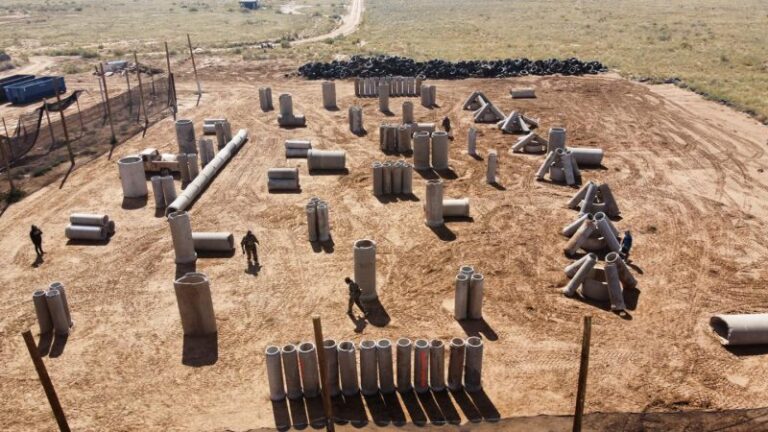
 16001 Shooting Range Access Rd, Albuquerque, NM 87121