
 El Monte
 Log in
Log in
Log in

Sorry. We don’t know any paintball locations in this city yet
Paintball is one of the most enjoyable and exciting games that can be enjoyed by both teenagers and adults. With multiple indoor and outdoor locations set up for this game in Pensacola, FL, you and your team can surely have an awesome time filled with fun and excitement!
Paintball is an excellent option to consider when it comes to celebrating birthday parties and even throwing corporate events. Furthermore, this game is not expensive at all. With reasonable rent fees and paintballs, you can surely have a budget-friendly outing.
The best paintball locations are spread across Pensacola, FL, and here are some of the best ones where you can find awesome paintball experiences:
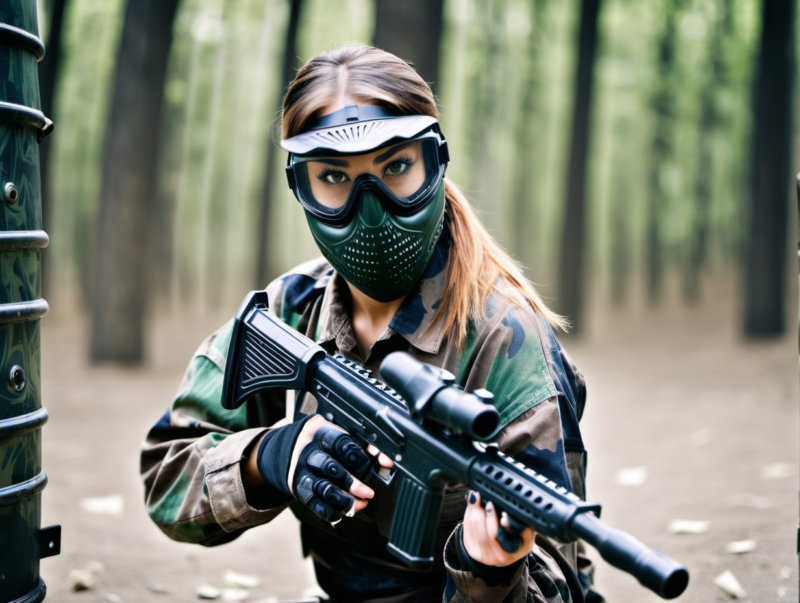
Paintball is a fast‑paced, team‑oriented sport that pits players against one another using compressed‑air‑powered markers that fire gelatin capsules—commonly called paintballs—filled with a water‑based dye. When a paintball strikes a surface, the thin shell bursts and leaves a bright, temporary mark, indicating that the target has been “hit.” The game can be played on a variety of terrains, from dense forests and abandoned industrial sites to purpose‑built arenas bristling with inflatable bunkers. Although the basic equipment—marker, hopper, protective mask, and paintballs—remains the same, the sport’s versatility allows it to adapt to anything from casual backyard skirmishes to highly organized competitive leagues.
The core of paintball lies in safety and fairness, which is why most fields enforce a universal set of rules. First and foremost, every participant must wear an approved eye and face protection mask at all times; removal of the mask inside the playing area is a direct violation that can result in immediate ejection. Markers must be calibrated to fire at a velocity that is high enough to travel the field reliably but low enough to avoid serious injury—most leagues cap this at 300 feet per second (fps).
Hit detection is simple: once a paintball breaks and leaves a visible mark on a player’s clothing, gear, or exposed skin, the player is considered “out” and must raise their hand, walk to the designated “dead‑ball” zone, and remain there until the round ends. In many formats, a player who is hit can re‑enter the game after a specific amount of time (often 30 seconds) or after a teammate tags them, a mechanic known as “respawning.”
Beyond the basics, each game mode may add its own layer of rules. For example, in “Capture the Flag” formats, a flag may be retrieved only by a player who has not been eliminated, while “Elimination” matches may enforce a strict no‑reentry policy once a player is out. Regardless of the variant, the emphasis stays on respecting the safety equipment, maintaining marker integrity (no modifications that increase velocity), and adhering to the field’s specific boundary lines.
The beauty of paintball stems from its ability to simulate a wide spectrum of tactical scenarios, each designed to test different skills.
Speedball – Played on a compact, symmetrical field dotted with inflatable obstacles, speedball emphasizes quick reflexes, precise shooting, and rapid decision‑making. The low‑profile bunkers force players to constantly move, making the sport feel almost like a live‑action video game.
Scenario Paintball – These events can last several hours or even days and often incorporate elaborate storylines, such as “Zombie Outbreak,” “Military Invasion,” or “Post‑Apocalyptic Survival.” Players may be assigned roles (medic, engineer, scout) and objectives beyond simply “eliminate the enemy,” such as rescuing hostages, gathering supplies, or defending a fortified base.
MilSim (Military Simulation) – MilSim games aim for realism, using authentic‑looking gear, realistic communication protocols, and strict rules of engagement. Players often operate in squads, follow a chain of command, and complete mission‑type objectives like “secure the objective point” or “destroy the enemy communications array.”
Recreational/Pick‑Up – For newcomers or casual groups, a simple “last man standing” or “team deathmatch” on a local field provides an easy entry point. These games focus more on fun and less on strict tactical discipline, allowing players to experiment with different strategies in a low‑pressure environment.
Each scenario promotes a distinct blend of physical stamina, strategic planning, and teamwork, ensuring that paintball can cater to a broad range of interests.
Beyond the immediate excitement of a well‑timed shot, paintball offers a suite of tangible benefits. Physically, the sport delivers a vigorous cardiovascular workout; rapid sprints between cover, crouching, crawling, and the occasional climb generate calorie burn comparable to a high‑intensity interval training (HIIT) session. The repeated motions improve agility, balance, and hand‑eye coordination, while the need to maneuver through uneven terrain develops functional strength in the legs, core, and upper body.
Mentally, paintball sharpens decision‑making under pressure. Players must evaluate cover, anticipate opponent movement, and select the right shot—all within a few seconds. This rapid problem‑solving translates well to real‑world scenarios that demand quick thinking, such as emergency response or high‑stress workplace environments.
Socially, the sport fosters trust and communication. Successful teams rely on clear, concise radio or verbal exchanges, making paintball an effective team‑building exercise for corporate groups, schools, and military units. The shared adrenaline rush also creates strong bonds among participants, often leading to lasting friendships and a vibrant community culture.
Finally, paintball serves as a safe outlet for competitive aggression. By providing a controlled environment where physical confrontation is regulated by rules and protective gear, participants can channel excess energy constructively, reducing the likelihood of uncontrolled conflicts in other areas of life.
Paintball’s appeal cuts across age, gender, and professional lines. Young adults in their late teens and twenties constitute the largest demographic, drawn by the sport’s social atmosphere and the thrill of competition. However, a growing number of families and senior players partake in the activity, often at fields that offer “family days” or slower‑paced games.
Corporate teams frequently book private sessions for team‑building retreats; the structured, yet fun, nature of paintball aligns well with leadership development objectives. Law enforcement and military personnel also incorporate paintball into training programs, using the sport to rehearse tactical movements and communication without the logistical costs of live‑fire exercises.
In addition, niche communities have emerged—such as “women‑only” leagues that provide a supportive environment for female players, and adaptive‑paintball programs that modify equipment for participants with physical disabilities. The sport’s inclusive ethos, combined with the ability to tailor scenarios to varying skill levels, has cemented its reputation as an activity that welcomes anyone willing to don a mask and step onto the field.
Researchers studying recreational sports have highlighted paintball’s unique blend of physical exertion and cognitive demand. A 2022 study published in the Journal of Sports Science & Medicine reported that participants in a 30‑minute paintball session exhibited heart rates averaging 85 % of their maximum, confirming its efficacy as a high‑intensity aerobic workout. The same research noted improved reaction times post‑game, suggesting that the sport’s rapid decision‑making component can enhance neuromotor performance.
From a safety standpoint, industry experts emphasize the importance of proper equipment standards. The International Paintball Sports Commission (IPSC) outlines specifications for mask impact resistance, marker velocity caps, and paintball shell thickness to mitigate the risk of eye or skin injuries. Compliance with these standards has kept serious injury rates low; data collected by the National Paintball Association (NPA) indicate that less than 0.5 % of participants experience injuries requiring medical attention beyond basic first‑aid for bruises and scrapes.
Economists analyzing the adventure‑sports market note that paintball contributes significantly to local tourism economies. Fields generate revenue not only from game fees but also from ancillary services such as equipment rental, food and beverage sales, and merchandise. In regions where outdoor recreation is a primary draw, paintball venues often partner with hotels and travel agencies to create multi‑day “adventure packages,” thereby extending the sport’s economic impact beyond the field itself.
Overall, the consensus among scientists and industry leaders is that, when played responsibly, paintball offers a balanced mix of health benefits, strategic skill development, and economic value, while maintaining a strong safety record through rigorous standards and ongoing education.
Paintball’s versatility is reflected in the diversity of venues where it can be enjoyed.
Outdoor arenas range from modest, single‑acre farms to expansive, multi‑acre wilderness parks. Rural fields often feature natural obstacles such as trees, ditches, and uneven ground, providing a realistic tactical environment that mimics real‑world combat scenarios. Some locations specialize in scenario events, offering elaborate set pieces, prop weapons, and thematic storylines that can span an entire weekend.
Large commercial complexes—sometimes called “paintball resorts”—combine multiple fields, ranging from speedball arenas to woodland maps, under one roof. These sites typically include on‑site lodging, dining, and equipment rental, allowing groups to stay for multi‑day tournaments without leaving the property.
Indoor venues capitalize on climate‑controlled environments, making paintball accessible year‑round regardless of weather conditions. The playing area is usually a large warehouse outfitted with inflatable bunkers, wooden pallets, and modular walls that can be rearranged to create fresh layouts for each session.
Speedball originated in indoor settings, and many modern indoor facilities focus on this high‑tempo format. Because the playing surface is flat and the obstacles are standardized, indoor games emphasize quick reflexes and precise shooting over navigation of natural terrain. Moreover, indoor fields often accommodate “laser tag” or “airsoft” cross‑overs, giving players the option to switch between projectile‑based games without changing venues.
When selecting a venue, players should consider the type of experience they seek. For teams interested in tactical depth, a sprawling outdoor field with natural cover and scenario options may be ideal. For those looking for fast, competitive matches or a quick pick‑up game, an indoor speedball arena offers convenience and consistency.
Other practical factors include proximity to transportation hubs, availability of on‑site gear rental (important for beginners), and the presence of certified safety staff. Many fields provide introductory packages that include a mask, marker, and a set number of paintballs, making it easy for newcomers to try the sport without a significant upfront investment.
Paintball has evolved from a backyard pastime into a globally recognized sport that blends physical fitness, strategic thinking, and social interaction. Its core equipment—a marker, paintballs, and protective gear—remains simple, yet the myriad of rule sets, game scenarios, and venue types create a rich tapestry of experiences for players of all backgrounds.
The sport’s benefits extend beyond exhilaration: participants enjoy cardiovascular workouts, sharpen split‑second decision‑making, and develop teamwork skills that translate to professional and personal settings. Researchers and industry professionals affirm paintball’s safety record and its positive impact on health and local economies, provided that standardized safety protocols are rigorously followed.
Whether a corporate team looking for a novel bonding activity, a military unit seeking realistic yet low‑risk training, or a group of friends craving an adrenaline‑filled weekend, paintball offers a flexible platform that can be tailored to virtually any need. With a growing network of outdoor fields and indoor arenas worldwide, the opportunity to step onto the battlefield—masked, armed with color‑filled shells, and ready for action—has never been more accessible.
In the end, paintball is more than a game; it is a dynamic, inclusive sport that challenges the body, sharpens the mind, and builds community, one vibrant splatter at a time.


