El Monte
 Log in
Log in
Log in

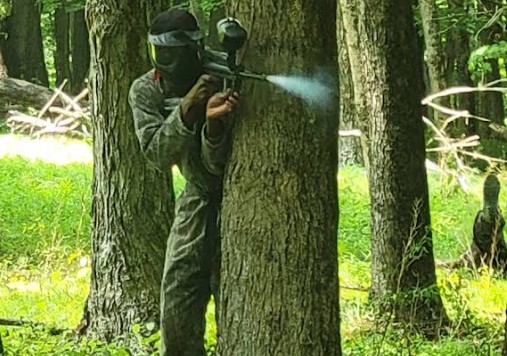
Crusader Paintball in Fairless Hills, PA is a popular destination for paintball enthusiasts. The facility boasts a variety of playing fields, including wooded areas and open fields, allowing for a diverse range of gameplay. The staff is knowledgeable and helpful, ensuring a safe and enjoyable experience for all players.
In addition to traditional paintball, Crusader Paintball offers low-impact options for younger or less experienced players. The facility also hosts private parties and corporate events, making it a great choice for team building exercises or birthday celebrations.
 Outdoors
Shooters 365 is located in Hamilton Township, NJ
Spanning over 45 acres, Shooters 365 features meticulously designed outdoor fields that simulate real-world terrains, from dense wooded areas to urban-style battlegrounds. These realistic environments allow players to engage in dynamic gameplay that challenges both skill and teamwork. The fields are regularly updated to keep the experience fresh, with rotating themes and objectives that appeal to both casual players and competitive teams.
For paintball lovers, the venue provides rental equipment including high-performance markers, masks, and air tanks, ensuring newcomers and seasoned players alike can dive right into the action. Airsoft enthusiasts also find a welcoming space at Shooters 365.
The venue also houses a pro shop stocked with premium gear, including paintball markers, airsoft guns, protective equipment, and tactical apparel.
 Indoors
Paintball is a fast‑paced, team‑oriented sport in which participants fire small gelatin capsules filled with non‑toxic, water‑based paint from pneumatic or CO₂‑powered markers. The capsules, commonly called “paintballs,” burst on impact, leaving a visible mark that signals a hit. Modern equipment is lightweight and highly customizable, allowing players to adjust velocity, barrel length, and firing mode to suit the style of play. Although it originated as a military training exercise in the 1970s, paintball has since evolved into a worldwide recreational activity, a competitive league sport, and a popular option for corporate team‑building events.
The foundation of any paintball match rests on a set of universal rules designed to keep the game safe, fair, and enjoyable. All participants must wear approved protective gear, most importantly a full‑face mask that meets ASTM standards; helmets, chest protectors, and gloves are also common. Markers are limited to a maximum muzzle velocity—typically 280–300 feet per second—to reduce injury risk. Players are required to keep their markers unloaded when not actively engaged in a round and must respect “no‑shoot” zones such as the referee’s area, medical stations, and any designated safe zones.
A hit is confirmed when a paintball leaves a visible stain on an opponent’s clothing, mask, or exposed skin. Once marked, the player must signal the hit, raise their hand, and exit the field to a designated “respawn” area before re‑entering the game. Infractions such as “ball‑hunting” (retrieving paintballs to fire again), “turfing” (staying in a single spot and shooting at passing players), or unsportsmanlike conduct are penalized with temporary suspensions or ejection from the match. By adhering to these standards, paintball maintains a balance between competitive intensity and participant safety.
Paintball scenarios are themed game modes that add narrative depth and tactical variety to the basic “elimination” format. In “Capture the Flag,” two teams vie to retrieve the opponent’s flag and bring it back to their base while defending their own. “Scenario Assault” often involves a storyline—such as “zombies versus survivors” or “hostage rescue”—where objectives evolve over the course of the match, encouraging players to adapt strategies on the fly.
Other popular formats include “King of the Hill,” where a central area must be held for a set period, and “Speedball,” a fast‑paced, small‑field game with inflatable bunkers that emphasizes precision shooting and rapid movement. Some venues also host “Adventure” scenarios that blend role‑playing elements, props, and puzzles, turning the paintball field into an immersive arena. These varied scenarios keep the sport fresh for veterans and provide entry points for newcomers who prefer a more story‑driven experience.
Beyond sheer excitement, paintball offers several practical benefits. Physically, the sport provides a full‑body workout; sprinting between cover, crouching behind obstacles, and handling a marker develop cardiovascular endurance, core strength, and fine motor coordination. Mentally, paintball sharpens decision‑making under pressure, as players must assess threats, communicate with teammates, and execute split‑second tactics.
The collaborative nature of the game also fosters teamwork and leadership skills. In corporate settings, paintball is frequently used for team‑building exercises, where participants practice communication, trust, and conflict resolution in a high‑energy environment. The sport’s emphasis on strategic planning translates well to business scenarios that require quick adaptation and coordinated effort. Additionally, the adrenaline surge from competitive play can serve as a healthy outlet for stress relief, offering a socially engaging alternative to solitary fitness routines.
Paintball attracts a remarkably diverse demographic. Teenagers and college students often discover the sport through campus clubs or local recreation centers, drawn by its blend of athleticism and tactical gameplay. Adults ranging from 30 to 50 years old participate for fitness, camaraderie, and the thrill of competition, while many retirees enjoy the low‑impact yet mentally stimulating aspects of the game.
Professional leagues feature highly skilled athletes who train intensively, similar to traditional sports, traveling nationwide for tournaments with prize purses and sponsorships. Meanwhile, families and casual groups use paintball as a weekend outing, appreciating the accessible learning curve and the opportunity for all ages to engage in a shared adventure. This broad appeal has helped paintball maintain steady growth across urban, suburban, and rural regions.
Researchers studying the physiological impact of paintball have documented measurable benefits. Exercise physiology studies indicate that a typical 30‑minute match can expend between 300 and 500 calories, comparable to moderate‑intensity cardio workouts. Biomechanical analyses reveal that rapid directional changes and low‑impact collisions reduce the likelihood of chronic joint injuries common in high‑impact sports.
From an industry perspective, safety experts stress the importance of proper equipment standards and continuous education on field etiquette. Advancements in marker technology—such as electronically regulated firing systems and lightweight polymer bodies—have improved reliability while minimizing recoil, thereby lowering the risk of accidental injury. Environmental scientists also note that most paintball manufacturers now produce biodegradable paintballs, decreasing ecological impact and making the sport more sustainable for outdoor fields.
Paintball venues fall into two primary categories: outdoor fields and indoor arenas, each offering distinct experiences. Outdoor facilities often span several acres and incorporate natural terrain—forests, hills, and waterways—that creates realistic combat settings. These fields support large‑scale scenario games, with multiple objectives and the capacity to accommodate hundreds of players simultaneously. Many outdoor sites also provide rental equipment, on‑site camping, and themed events that extend beyond a single match.
Indoor arenas, commonly referred to as “speedball” fields, are housed in large warehouses or gymnasiums. The playing area is typically 30 × 50 meters and features inflatable bunkers arranged in geometric patterns. The controlled lighting and compact layout produce fast‑paced action, emphasizing precision shooting and rapid decision‑making. Indoor venues are ideal for beginners, tournament play, and groups seeking a climate‑controlled environment regardless of weather conditions.
Both venue types prioritize safety protocols, offering thorough briefings, on‑site referees, and well‑maintained equipment. Players can choose a setting that matches their preferred style—whether it’s the immersive, tactical depth of a sprawling forest or the high‑energy, competitive atmosphere of an indoor speedball arena.
Paintball’s blend of physical exertion, strategic depth, and social interaction continues to captivate a wide spectrum of participants. By understanding the core equipment, rule set, and variety of scenarios, newcomers can step onto the field with confidence, while seasoned players can explore new formats and venues to keep the experience fresh. Whether played for fitness, teamwork, or pure adrenaline, paintball remains a dynamic sport that bridges the gap between recreation and tactical challenge.



 225 Lincoln Highway, Fairless Hills, PA, 19030