El Monte
 Log in
Log in
Log in

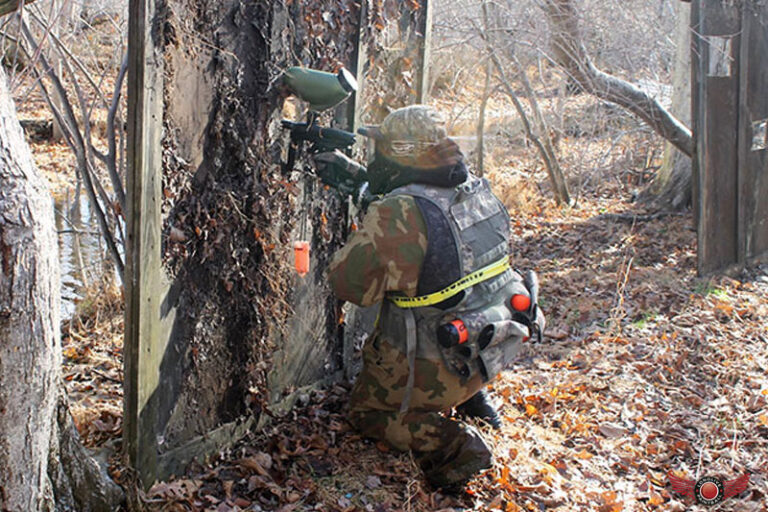
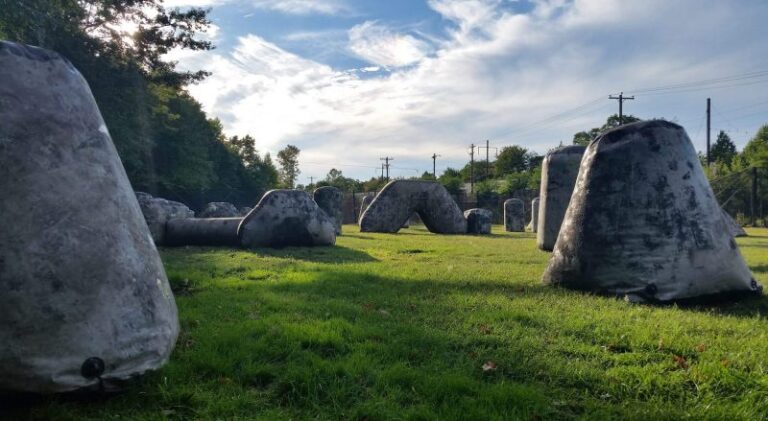
Crusader Paintball in Fairless Hills, PA is a popular destination for paintball enthusiasts. The facility boasts a variety of playing fields, including wooded areas and open fields, allowing for a diverse range of gameplay. The staff is knowledgeable and helpful, ensuring a safe and enjoyable experience for all players.
In addition to traditional paintball, Crusader Paintball offers low-impact options for younger or less experienced players. The facility also hosts private parties and corporate events, making it a great choice for team building exercises or birthday celebrations.
 Outdoors
Long Live Paintball is located in Monroe Township, in the Middlesex County part of central New Jersey, close to the Old Bridge line.
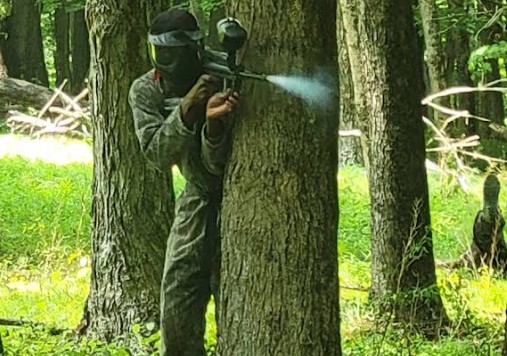
This is an outdoor park where entry covers all-day play across roughly seven separate fields, each with its own theme: wooded terrain with natural cover, open bunkered layouts for fast games, and built-up areas with barricades, crates and structures. Referees rotate through elimination, capture the flag and objective-based scenarios, adjusting rules and team balance to the group on the field. Weekends run as open play for walk-ons, while weekdays are set aside for private bookings, and the park operates year-round.
Rentals cover markers, masks, air and paint, with electronic markers, coveralls, chest protectors and thermal goggles available as upgrades, and low-impact equipment for the youngest players from about age eight. Players with their own gear get air for the day, and a full pro shop on site handles paint, parts and repairs. Birthday parties, bachelor parties, day camps, school and church groups and corporate team-building days all book here, with food packages and a party area for kids’ events. Between rounds there are picnic tables, shade, restrooms, changing space and ample parking, and the staff — consistently the most-praised part of a visit — run briefings, fit gear and stay on the field throughout.
OutdoorsShooters 365 is located in Hamilton Township, NJ
Spanning over 45 acres, Shooters 365 features meticulously designed outdoor fields that simulate real-world terrains, from dense wooded areas to urban-style battlegrounds. These realistic environments allow players to engage in dynamic gameplay that challenges both skill and teamwork. The fields are regularly updated to keep the experience fresh, with rotating themes and objectives that appeal to both casual players and competitive teams.
For paintball lovers, the venue provides rental equipment including high-performance markers, masks, and air tanks, ensuring newcomers and seasoned players alike can dive right into the action. Airsoft enthusiasts also find a welcoming space at Shooters 365.
The venue also houses a pro shop stocked with premium gear, including paintball markers, airsoft guns, protective equipment, and tactical apparel.
 Indoors
Battle Creek Paintball, located in West Milford, New Jersey, is a highly regarded paintball facility in the area. It boasts a wide variety of playing fields, such as wooded areas, open fields, and urban-themed scenarios.
One of the standout features of Battle Creek Paintball is its rental equipment service. They provide everything players need, including paintball markers, masks, and protective gear. Additionally, there are air stations on-site for convenient air tank refills. Moreover, Battle Creek Paintball offers group packages for various occasions like birthday parties, bachelor parties, and corporate team-building events.
Outdoors
Paintball is a fast‑paced, team‑oriented sport that pits participants against one another with a simple yet effective piece of equipment: a paint‑filled gelatin capsule, commonly called a “paintball.” These capsules are fired from low‑pressure, pneumatic markers that resemble compact rifles. When a paintball makes contact with a player’s protective gear, the burst of colored gelatin instantly marks the target, indicating a hit. The game can be played in a wide variety of settings, from dense woodland arenas to purpose‑built indoor warehouses, and it can be adapted to suit casual recreation, competitive leagues, or immersive scenario play. At its core, paintball blends physical activity, tactical decision‑making, and the thrill of competition into a single, easily accessible experience.
Although specific fields may tweak details to suit the layout or the level of participants, the sport follows a universal set of rules that keep play safe and fair.
Safety Gear is Mandatory – Every player must wear a full‑face mask that meets the governing body’s standards, along with a chest protector, gloves, and appropriate clothing that covers the skin.
Markers Must Be Regulated – The velocity of a paintball is limited to a maximum of 300 feet per second (fps) in most regions. Fields equip chronographs at the entrance to verify compliance; markers exceeding the limit are required to be adjusted before play can begin.
Paintballs Must Be Certified – Only paintballs that meet industry specifications for size, shape, and shell thickness are permitted. This ensures consistent breakage patterns and reduces the risk of “dead‑balls” that can cause injury.
Elimination Procedures – When a paintball strikes a player’s gear and leaves a visible mark, the participant must call “out,” raise their marker, and exit the field to a designated safe zone. In many formats, a player may re‑enter after a set time‑out or when a teammate tags them in a “respawn” zone.
Field Boundaries Are Strict – Crossing a boundary line results in an automatic penalty, typically a temporary suspension from the match. This rule prevents players from gaining an unfair positional advantage.
Sportsmanship Is Enforced – Unsportsmanlike conduct, such as intentional head‑shots, rough handling of equipment, or aggressive verbal behavior, is subject to immediate disqualification.
These rules form the backbone of the sport, allowing players of any age or skill level to engage in a controlled yet exhilarating environment.
The versatility of paintball stems largely from the variety of scenarios that can be programmed by field operators or league organizers. Each scenario emphasizes different tactical skills, ranging from pure fire‑fight to elaborate role‑playing.
Capture the Flag – Two teams defend their own flag while attempting to retrieve the opponent’s. This classic mode rewards speed, coordination, and the ability to read the opponent’s movements.
Elimination (or “Team Deathmatch”) – The objective is simply to eliminate all members of the opposing side. Players must balance aggression with caution, making use of cover and flanking maneuvers.
Objective‑Based Missions – Teams are tasked with completing specific goals, such as planting a “bomb,” securing a “hostage,” or deactivating a simulated control panel. These missions demand communication, role assignment, and time management.
Scenario / Immersive Play – Large‑scale events can span multiple acres and last several hours, featuring storylines, NPCs (non‑player characters), and props. Participants might reenact historical battles, post‑apocalyptic survival, or futuristic combat, immersing themselves in a narrative while adhering to the fundamental rules of paintball.
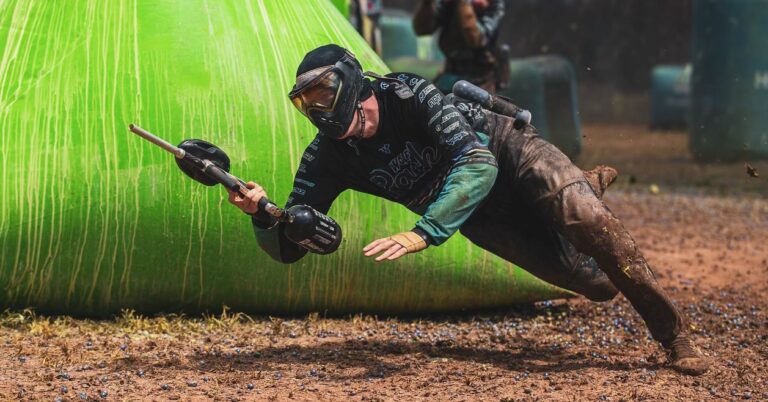
Speedball – Played on a small, inflatable field with evenly spaced bunkers, speedball emphasizes fast reflexes and rapid decision‑making. This format is the foundation of most professional leagues and televised competitions.
The breadth of scenarios ensures that paintball can cater to casual weekend warriors as well as serious competitors seeking a strategic challenge.
Beyond the obvious entertainment value, paintball offers a suite of tangible benefits that appeal to a broad audience.
Physical Fitness – The sport requires running, sprinting, crouching, and quick directional changes. A typical match can burn several hundred calories, providing cardiovascular exercise comparable to a high‑intensity interval workout.
Teamwork and Leadership – Success depends on coordinated movement, clear communication, and the ability to assume leadership roles on the fly. Players often develop stronger interpersonal skills that translate to professional environments.
Strategic Thinking – Each scenario presents a unique problem set that must be analyzed and solved in real time. Players learn to assess terrain, predict opponent behavior, and allocate resources such as limited ammunition effectively.
Stress Relief – The physical exertion combined with the focus required to stay alive on the field can serve as a healthy outlet for stress, releasing endorphins and providing a mental reset.
Confidence Building – Overcoming the fear of getting “hit,” mastering marker handling, and achieving objectives all contribute to a heightened sense of self‑efficacy, especially for younger participants.
Social Connection – Paintball creates a shared experience that fosters camaraderie. Whether joining a local league or participating in a one‑off event with friends, the sport encourages bonding through mutual achievement and friendly competition.
In short, paintball functions as both a recreational pastime and a practical tool for personal development.
The demographic profile of paintball participants is remarkably diverse.
Youth and Teens – Many schools and community programs incorporate paintball as an extracurricular activity, providing a structured environment for physical activity and teamwork.
College Students – Campus clubs often organize intramural leagues, leveraging the sport’s social appeal to attract a wide range of students, from athletes to those seeking a new challenge.
Corporate Teams – Companies frequently use paintball for team‑building retreats. The controlled competitive setting allows employees to practice leadership, communication, and problem‑solving outside the office.
Professional Athletes – Some athletes from other sports use paintball as cross‑training, valuing its emphasis on agility, quick decision‑making, and mental stamina.
Veterans and Law‑Enforcement Personnel – The tactical nature of the game mirrors real‑world scenarios, making it a useful training adjunct for those in security or emergency response roles.
Families and Recreational Groups – Weekend tournaments and “paintball birthday parties” attract families looking for an active and memorable way to spend time together.
The universal accessibility of paintball—requiring minimal prior experience and offering adjustable difficulty—means that participants can range from beginners in their teens to seasoned competitors in their forties and beyond.
Research into the physiological and psychological impacts of paintball has produced a generally favorable assessment. Sports scientists note that the intermittent high‑intensity bursts typical of a match stimulate both aerobic and anaerobic pathways, improving overall cardiovascular health and muscular endurance. Studies measuring cortisol levels before and after gameplay report a noticeable reduction in stress hormones, supporting the sport’s reputation as an effective stress‑relief activity.
From a safety perspective, experts emphasize that, when proper protective equipment is used and field rules are strictly enforced, the injury rate in paintball remains low compared to contact sports such as football or rugby. The most common injuries are minor abrasions or bruises, with severe trauma being rare.
Industry analysts highlight paintball’s economic contribution, noting that the global market for markers, ammunition, and field operations generates billions of dollars annually. The growth of indoor “speedball” arenas and the rise of televised professional leagues have expanded the sport’s visibility, attracting sponsorships from outdoor apparel brands and technology companies.
Overall, the consensus among scientists and industry observers is that paintball constitutes a safe, beneficial, and economically viable activity when managed responsibly.
Finding the right venue is essential to maximizing the paintball experience, and the choice largely depends on the preferred style of play, weather conditions, and logistical considerations.
Outdoor Fields – Traditional outdoor arenas are often set in forests, fields, or abandoned industrial sites. They provide natural cover such as trees, boulders, and terrain variations that lend themselves to realistic tactical scenarios. Outdoor venues are ideal for large‑scale events, scenario‑based missions, and players who enjoy navigating natural obstacles. Seasonal weather can affect play; many fields operate year‑round by offering winter‑proof gear and heated shelters.
Indoor Speedball Arenas – Constructed with inflatable bunkers arranged in a symmetrical grid, indoor arenas deliver a fast‑paced, high‑action environment. The controlled lighting, climate, and limited space ensure consistent gameplay regardless of external weather. Speedball is the preferred format for competitive leagues, offering spectators a clear view of the action and enabling rapid tournament turnover.
Hybrid Facilities – Some modern paintball complexes blend indoor and outdoor elements, featuring a central speedball arena surrounded by an expansive outdoor field. This configuration allows participants to transition between fast‑action matches and longer, scenario‑driven games within a single visit.
Mobile Pop‑Up Fields – For community events, festivals, or corporate outings, portable setups can be assembled in parking lots or open plazas. Temporary barriers, inflatable bunkers, and modular obstacle courses provide a flexible solution when permanent facilities are unavailable.
When selecting a venue, players should verify that the facility enforces standard safety protocols, maintains markers within the legal fps limit, and supplies clean, high‑quality paintballs. Many reputable fields also offer equipment rentals, allowing newcomers to try the sport without a significant upfront investment.
In conclusion, paintball’s adaptability—spanning diverse rulesets, scenarios, and venues—makes it a uniquely engaging sport. Whether seeking a vigorous workout, a strategic challenge, or simply an exhilarating way to bond with friends, participants find that paintball delivers on multiple fronts. The combination of physical demand, mental acuity, and community spirit ensures that the sport will continue to thrive across generations and across the globe.


 225 Lincoln Highway, Fairless Hills, PA, 19030