El Monte
 Log in
Log in
Log in

Advanced Action Sports is located in Webster, Massachusetts, just 15 minutes south of Worcester.
This 68,000-square-foot outdoor action sports center offers airsoft, paintball, gel-blaster, and Nerf battles on a forest-surrounded field with hand-built structures, buildings, and a retired truck for cover. Game scenarios include capture the flag, elimination, attack-and-defend, and objective-based missions, with trained supervisors and referees overseeing every session. Rental packages include protective gear, and a separate 400-acre milsim field is available in nearby Granville for scheduled events.
The facility hosts birthday parties, corporate team-building events, and group outings with private staging areas and food options available for purchase. A retail shop on-site sells gear and supplies, and the Fight Club membership program offers regular players ongoing savings. The atmosphere is welcoming to beginners and seasoned players alike, with a strong community focus and staff known for their helpfulness and professionalism.
 Outdoors
Friendly Fire Paintball is located in Upton, Massachusetts, on a 14-acre wooded property about 40 minutes west of Boston.
The field features forest terrain with wooden forts, two-story bunkers, a bridge, and smoke effects for immersive gameplay. They offer open public play on weekends, themed scenario events like the Summer Classic Big Game and Heroes vs Villains, as well as private parties for birthdays, bachelor events, and corporate groups. Rental equipment is available, and a low-impact SplatMaster option is offered for younger players ages 8 and up.
Additional services include a Preferred Player Pass with monthly perks, after-hours evening play sessions on select Thursdays, and dedicated referees for private groups. The facility is family-friendly with an emphasis on safety and customer service, making it suitable for both first-time players and experienced paintball enthusiasts.
OutdoorsPaintball is more than just a hobby; it is a global phenomenon that blends physical fitness, tactical thinking, and social bonding. Since its inception in the early 1980s, the sport has evolved from a simple game of “capture the flag” played by friends in the woods into a highly organized, competitive, and recreational industry. Whether played as a high-stakes tournament or a casual weekend activity, paintball offers a unique experience that challenges both the body and the mind.
At its core, a paintball is a spherical gelatin capsule filled with a non-toxic, water-soluble, biodegradable dye. These projectiles are designed to break upon impact, leaving a vibrant mark on the target, which serves as physical evidence of a “hit.” The shell is typically made from food-grade gelatin, similar to the casing used for bath beads or certain vitamin supplements, ensuring that the impact is environmentally friendly and easy to clean.
While the balls themselves are simple, the technology behind launching them has become remarkably sophisticated. Players use a “marker”—a specialized air-powered device—to propel the paintballs at high speeds using compressed air or carbon dioxide. These markers are precision-engineered, allowing players to adjust velocity, fire rate, and accuracy. This marriage of simple, colorful ammunition and high-tech hardware is what gives paintball its distinct mechanical appeal.
Safety is the absolute cornerstone of any paintball match. Because players are firing projectiles at significant velocities, the fundamental rule is the mandatory use of ASTM-approved masks. These goggles are designed to withstand direct impacts from paintballs, protecting the eyes and face from potential injury.
Beyond eye safety, the rules of the game are generally straightforward. A player is considered “eliminated” if they are struck by a paintball that breaks and leaves a mark of a specific size (usually the size of a quarter or larger) on their body or equipment. Once eliminated, a player must raise their marker, declare themselves “out,” and return to a designated “dead box” or return to their starting base, depending on the game variant.
Other common rules include “surrender” policies, where players are encouraged to ask an opponent to yield if they have the drop on them at close range, preventing unnecessary welts. Physical contact, such as sliding into or hitting other players, is strictly prohibited to ensure the sport remains a contest of strategy and skill rather than raw aggression.
The variety of paintball scenarios is limited only by the imagination of the field designers. “Capture the Flag” remains the quintessential game mode, where teams compete to secure an object from the center of the field and return it to their home base. However, many fields offer far more immersive experiences.
“Woodsball” takes place in natural forests, utilizing bunkers, trenches, and camouflaged positions to simulate tactical military scenarios. “Speedball,” by contrast, is played on a flat, manicured field with inflatable bunkers arranged in symmetrical layouts. This version is fast-paced, athletic, and relies heavily on communication and reaction time. Other scenarios include “Rec-ball,” which incorporates role-playing elements, such as defending a “fortress” or escorting a “VIP” to a specific extraction point. These missions require coordination, leadership, and a clear understanding of the terrain.
Paintball is widely recognized as an excellent cardiovascular workout. The combination of sprinting, crouching, crawling, and maneuvering provides a full-body workout that burns calories efficiently while improving muscular endurance. Because the game is so engaging, players often push themselves physically far longer than they would during a traditional gym session, effectively turning exercise into an immersive game.
Psychologically, paintball is a masterclass in decision-making under pressure. It forces players to think critically about their positioning, ammo management, and team strategy while under stress. It is also an exceptional team-building exercise. Corporations frequently use paintball to break down communication barriers, as players must rely on their teammates, coordinate movements, and trust one another to achieve a common objective.
The demographic of paintball is surprisingly broad. While it has a reputation for attracting thrill-seekers, the sport is accessible to almost anyone. Professional tournament leagues attract elite athletes who dedicate their lives to the sport, focusing on speed and accuracy. Simultaneously, recreational players range from curious teenagers celebrating birthdays to adults looking for a high-energy weekend escape.
The sport has also seen a rise in “mil-sim” (military simulation) enthusiasts—individuals who enjoy the tactical aspect of the game, often using markers designed to look like real-world firearms. This diversity ensures that the paintball community is a melting pot of backgrounds, ages, and interests, united by a shared appreciation for the intensity of the sport.
From the perspective of kinesiology and sports psychology, paintball is viewed as a high-intensity interval training (HIIT) activity. Experts note that the “fight or flight” response triggered during a match increases heart rate and focus, which can improve cognitive function and situational awareness.
Industry analysts point to the evolution of equipment as a major factor in the sport’s longevity. Innovations in markers, such as electronic trigger systems and high-efficiency air tanks, have made the sport safer and more reliable. Furthermore, advancements in the paint itself—such as “winter fill” for colder climates or “high-visibility” shells—have addressed many of the practical limitations that once plagued the game. Experts generally agree that as long as safety protocols are strictly enforced, paintball remains one of the safest high-impact sports available to the public.
The playing atmosphere drastically changes depending on the environment. Outdoor venues are often sprawling complexes that utilize natural scenery. These fields offer the greatest variety, with elaborate “towns” built from wood, forest paths, and natural hills. They are ideal for players who want to experience the tactical, immersive side of the sport.
Indoor venues, often located in repurposed warehouses, provide a controlled environment that is unaffected by weather. Because these fields are smaller and often consist of turf or carpeted surfaces, the game becomes much faster and more technical. Indoor paintball allows for year-round play, making it a popular choice for urban dwellers or those looking to play during the winter months. Regardless of the venue, the core requirement remains a well-maintained facility that adheres to strict safety standards, ensuring that every player—whether a novice or a veteran—can focus on the thrill of the game.
In conclusion, paintball continues to endure as a premier recreational activity because it satisfies a fundamental human urge: the desire for competition, strategy, and physical challenge. By balancing safety with intensity, it provides a unique environment for personal growth and social connection, solidifying its place in the world of modern active sports.


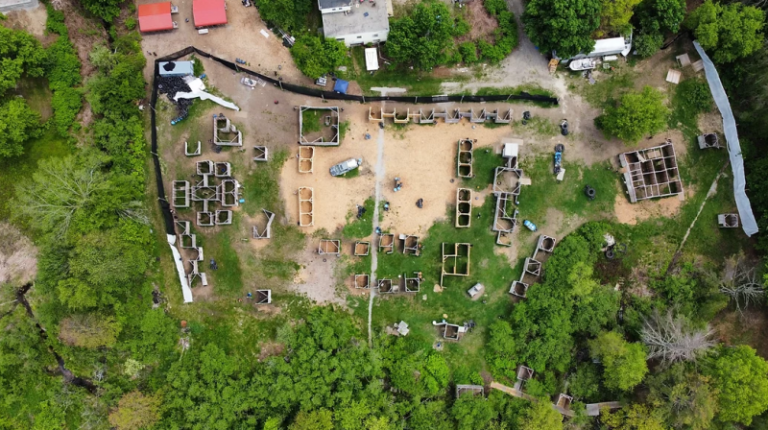
 109 Worcester Rd, Webster, MA 01570