El Monte
 Log in
Log in
Log in

Rampage Outdoor Paintball & Airsoft Millarville is located in Millarville, AB.
Rampage Paintball & Airsoft Millarville provides full equipment rental, including markers, airsoft replicas, protective masks, and safety gear. Professional referees oversee all games, conduct clear safety briefings, explain rules, and help players feel confident and supported throughout their visit. The well-organized flow of games and attentive staff create a safe and enjoyable experience for all participants.
The venue is an excellent choice for a wide range of events and celebrations. Rampage regularly hosts birthday parties, family celebrations, holiday events, corporate team-building outings, bachelor and bachelorette parties, graduation celebrations, and group gatherings with friends or colleagues. Flexible group packages and customizable game formats make it easy to tailor each event to the group’s size, age, and experience level.
 Outdoors
Capture The Flag Outdoor Paintball & Airsoft is located in Cochrane, AB.
Capture The Flag Paintball & Airsoft offers full equipment rental, including markers, airsoft replicas, protective masks, and safety gear, making it easy for newcomers to join without prior experience. Professional referees and staff oversee every game, provide clear safety briefings, explain rules, and help players feel confident and supported throughout the experience.
With its varied game fields, organized gameplay, attentive staff, and strong focus on teamwork and fun, Capture The Flag Paintball & Airsoft is an ideal destination for anyone looking to turn a casual gathering into an exciting shared adventure. Whether it’s a competitive match, a celebratory event, or a first-time experience, the club delivers memorable action in a safe and well-managed environment.
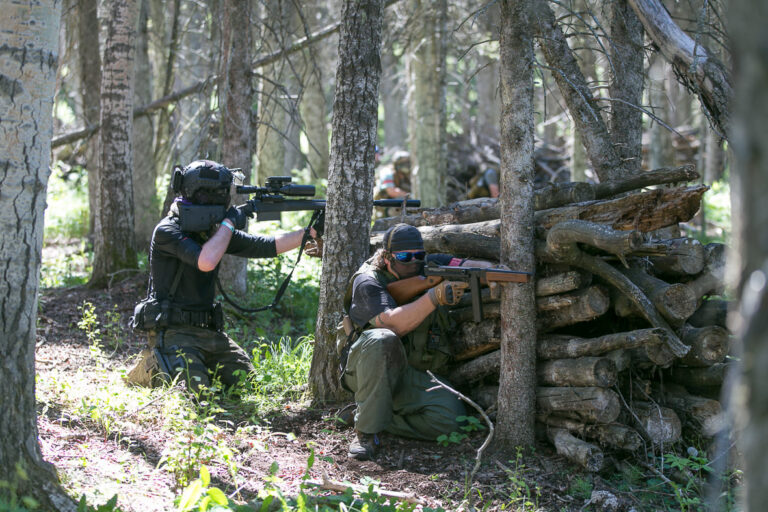
OutdoorsAirsoft is a recreational sport that pits two or more teams against each other in mock‑combat scenarios using replica firearms that fire small, non‑lethal plastic BBs. The core appeal lies not in the hardware alone but in the experience it creates: a blend of realism, teamwork, and tactical thinking. Players step into a world where strategic planning, quick decision‑making, and coordinated movement decide the outcome as much as the performance of their gear.
Modern airsoft equipment mirrors the look and feel of genuine firearms, from the weight of the stock to the recoil of the slide. This realism draws players into the role of a soldier, police officer, or private‑security operative, encouraging them to adopt authentic tactics such as flanking, suppressive fire, and cover‑and‑move drills. Because each side typically fields multiple participants, success hinges on clear communication, defined roles, and synchronized actions. In many ways, airsoft functions as a live‑action laboratory for the study of small‑unit tactics.
The sport is far from monolithic. Classic “capture the flag” and “team deathmatch” are just the tip of the iceberg. Players also enjoy objective‑based scenarios such as “bomb defusal,” “hostage rescue,” and “king of the hill.” Longer, narrative‑driven missions—often called MilSim (military simulation) events—can span several hours and incorporate elements of role‑play, logistics, and endurance. This breadth of game modes ensures that newcomers can find a style that matches their preferences, while veterans can continually discover fresh challenges.
One of the most compelling aspects of airsoft is the ability to personalize every component of a load‑out. Internally, spring‑tension, gearbox upgrades, and hop‑up adjustments allow players to fine‑tune velocity, accuracy, and reliability. Externally, rail systems, scopes, suppressors, and tactical lights turn a basic replica into a tailored platform that reflects a player’s tactical philosophy. This culture of modification fuels a thriving aftermarket and creates a feedback loop between manufacturers and enthusiasts, driving continual innovation.
Airsoft thrives on community. Local clubs host weekly matches, online forums exchange technical advice, and large‑scale events bring together participants from across continents. The shared love of the sport fosters friendships that often extend beyond the battlefield, with players collaborating on gear builds, organizing charity matches, and mentoring newcomers. This sense of belonging is a key factor behind the sport’s rapid growth worldwide.
Starting out in airsoft does not require a massive investment, but certain pieces of equipment are non‑negotiable for safety and comfort. Below is a concise checklist of the basics every beginner should acquire before stepping onto the field.
The most critical piece of safety gear is a pair of certified eye protection lenses. ANSI Z87.1‑rated polycarbonate goggles or full‑face masks with shatter‑proof lenses safeguard the eyes from high‑velocity BBs. Unlike ordinary sunglasses, these lenses are designed to withstand impact without cracking.
Gloves protect the hands from BB impacts, splinters, and harsh terrain. Tactical gloves with reinforced knuckles and padded palms provide a secure grip on the weapon while allowing enough dexterity for magazine changes and trigger work.
Footwear should offer ankle support, a firm sole, and resistance to mud, water, and sharp objects. Military‑style combat boots or high‑cut trail boots reduce the risk of twists and bruises during rapid movement across uneven ground.
Crouching, crawling, and taking cover are routine actions in airsoft. Reinforced knee and elbow pads absorb shock, prevent abrasions, and keep joints functional during extended matches.
A helmet shields the head from stray BBs and provides a stable platform for mounting accessories such as night‑vision devices or communication headsets. Lightweight ballistic helmets are preferred for their balance between protection and comfort.
A lower face shield—often a full‑face mask with a bite‑guard—covers the teeth, chin, and lower jaw, areas that are vulnerable during close‑quarters combat. It also helps to keep the wearer’s breathing apparatus (if worn) protected from dust and debris.
Across the globe, airsoft fields operate under a set of shared principles designed to keep the sport fun, fair, and safe. While specific venues may add house rules, three pillars underpin virtually every match.
Every participant must treat every BB as a potential projectile. This means keeping the muzzle pointed in a safe direction, never firing at a distance that exceeds the field’s prescribed limit, and immediately engaging the safety when approaching non‑players. Many fields require a “no‑shoot” zone—typically 10‑15 meters around referees, spectators, and other non‑combatants.
Airsoft relies heavily on self‑policing. Players are expected to call “hit” when struck by a BB that meets the field’s energy threshold (often measured in joules). Most fields use a “30‑second rule”—the hit player must leave the game area after the timer expires, unless a medics’ team revives them. The honour system encourages honesty and reduces the need for constant supervision.
Respect for opponents, referees, and the venue is essential. Verbal harassment, deliberate equipment sabotage, or reckless aggression are prohibited. Many fields enforce a code of conduct that includes proper cleanup of spent BBs and responsible disposal of any broken gear. Maintaining a respectful atmosphere ensures that newcomers feel welcomed and that experienced players can continue to enjoy the sport.
Airsoft firearms fall into three primary categories, each with distinct operating principles, performance characteristics, and maintenance needs.
AEGs are the most popular choice among casual and competitive players. Powered by a rechargeable lithium‑polymer battery, they drive a motor that compresses a spring (the gearbox) to propel BBs. Modern AEGs can fire in semi‑automatic, burst, or fully‑automatic modes, with rates of fire ranging from 600 to 1,200 rounds per minute. Their reliability, ease of use, and ability to accept upgrades make them a versatile platform for beginners and veterans alike.
Gas‑powered guns use compressed propellant—typically green gas (propane‑based) or CO₂—to drive a piston that launches the BB. They are prized for their realistic blowback action, which mimics the recoil of a real firearm. Gas pistols excel in close‑quarters engagements, while gas rifles and sniper platforms offer high velocity and long‑range accuracy. The main trade‑off is sensitivity to temperature; colder environments can reduce gas pressure and affect performance.
Spring guns are the simplest mechanically, relying on a manually compressed spring to fire a single BB per trigger pull. They are often used for sniper rifles, rifles with high hop‑up settings, or as budget‑friendly entry points for newcomers. While lacking the rapid fire capability of AEGs and gas guns, spring rifles deliver consistent velocity and are less prone to mechanical failure. Their downside is the slower rate of fire, which can be a tactical disadvantage in fast‑paced matches.
From a scientific perspective, airsoft offers a controlled environment to study projectile dynamics, material resilience, and human factors in combat simulation. Researchers have examined the kinetic energy of standard 0.20 g BBs at typical field velocities (≈ 90–120 m/s), confirming that the impact energy stays well below thresholds for serious injury when proper protective gear is used.
Industry experts emphasize the sport’s role in promoting safe, responsible firearm awareness. By providing a low‑risk outlet for tactical interest, airsoft can reduce the allure of unsafe improvisations with real weapons. Moreover, manufacturers are increasingly adopting eco‑friendly materials—biodegradable BBs and recyclable polymer frames—to lessen the environmental footprint of the hobby.
The airsoft community is remarkably diverse. Youth groups and high‑school clubs use the sport as an extracurricular activity that builds teamwork and discipline. College students often form competitive leagues that mirror e‑sports structures, complete with rankings and seasonal tournaments. Professionals—ranging from law‑enforcement officers to military veterans—use airsoft for tactical rehearsal and stress‑relief. Even retirees and hobbyists drawn to historical reenactments find a niche in MilSim events that recreate specific battles or campaigns. This cross‑generational appeal helps sustain a vibrant, constantly expanding player base.
Finding the right venue is crucial for a satisfying airsoft experience. Most regions offer a spectrum of options, each catering to different skill levels and game preferences.
Licensed fields operate under municipal or private regulations that enforce safety standards, energy limits, and standardized rules. They typically provide a variety of terrain—urban ruins, forested zones, and purpose‑built structures—and supply rental gear for newcomers. Sanctioned fields also host organized leagues and seasonal championships, making them ideal for players seeking structured competition.
Grassroots clubs meet in public parks, private land, or indoor arenas to run informal matches. These groups often emphasize community building, mentorship, and the sharing of technical knowledge. Joining a local club gives beginners a supportive environment to learn the etiquette, improve shooting fundamentals, and test their equipment in a low‑pressure setting.
MilSim (military simulation) events are large‑scale, multi‑day affairs that emulate real‑world combat operations. Participants are assigned roles such as squad leader, medic, or logistics officer, and must coordinate supply lines, execute command‑and‑control protocols, and achieve strategic objectives under realistic conditions. MilSim can involve hundreds of players, elaborate prop weapons, and often incorporates simulated casualties and after‑action reviews. For those craving an immersive, story‑driven experience, MilSim represents the pinnacle of airsoft play.
Airsoft has evolved from a niche pastime into a global phenomenon that blends realistic equipment, strategic depth, and a strong sense of camaraderie. Understanding the fundamentals—what the sport entails, the essential safety gear, the core rules, and the types of guns available—provides a solid foundation for anyone considering entry. Moreover, recognizing the perspectives of scientists and industry professionals highlights the sport’s responsible development and its potential as a safe outlet for tactical enthusiasm.
Whether a teenager seeking teamwork, a seasoned professional polishing tactical skills, or a hobbyist looking for adrenaline‑packed recreation, airsoft offers a tailored experience across a wide range of venues. By respecting the safety protocols, embracing the honour system, and engaging with the vibrant community, players can enjoy countless hours of strategic fun while building lasting friendships on and off the field.


 322157 192 St W, Foothills County, AB T0L 1K0, Canada