El Monte
 Log in
Log in
Log in

Sorry. We don’t know any airsoft locations in this city yet
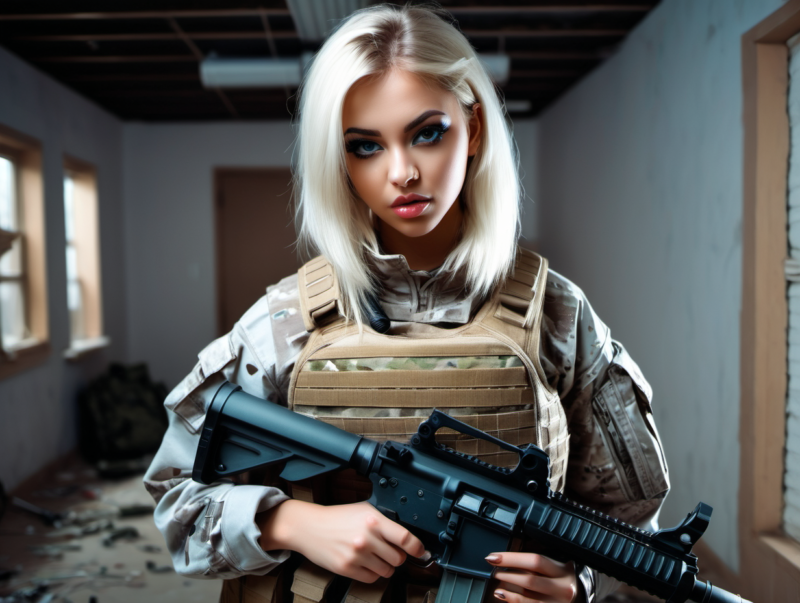
Airsoft is a recreational sport that blends the thrills of tactical combat with the safety of non‑lethal equipment. Participants—known as “players” or “operators”—use replica firearms that fire 6 mm plastic BBs propelled by electric, gas, or spring mechanisms. The game can be staged in a variety of environments, from indoor warehouses to dense woodland courses, and it emphasizes realism, teamwork, and strategic thinking. While the projectiles travel at modest speeds (typically 250‑400 fps for most civilian‑legal guns), the experience mirrors military simulations, demanding careful planning, communication, and adherence to safety protocols.
Manufacturers design airsoft replicas to mimic the weight, feel, and operation of real weapons. Many models incorporate functional hop‑up systems, adjustable hop‑up, realistic recoil, and even authentic sound effects. This dedication to realism allows players to practice proper handling, posture, and movement without the risks associated with live firearms. The realistic gear and scenarios also attract enthusiasts who enjoy immersing themselves in a believable tactical environment.
Unlike many solo‑player games, airsoft thrives on coordinated group action. Squads must develop clear objectives, assign roles (e.g., point man, support, medic), and communicate effectively—often via hand signals or radio. Successful teams anticipate enemy movements, manage resources such as ammunition and batteries, and adapt on the fly when the situation changes. This strategic depth cultivates leadership skills, problem‑solving abilities, and a sense of camaraderie that extends beyond the field.
Airsoft offers an expansive menu of scenarios. Classic “capture the flag” pits two teams against each other to retrieve a designated object. “Search and destroy” challenges one side to locate and neutralize a hidden target while the other defends. “MilSim” (military simulation) events replicate real‑world missions, complete with briefing packets, objectives, and strict rules of engagement. Role‑playing scenarios, hostage rescues, and objective‑based games keep the experience fresh and ensure that players of all skill levels find a mode that suits them.
One of the sport’s greatest attractions is the ability to modify equipment. Players can swap barrels, upgrade hop‑up units, install tactical rails, or replace batteries for better performance. External accessories—foregrips, laser sights, flashlights, and magazines—allow each operator to fine‑tune the gun to their personal style. This culture of modification encourages technical learning, budget management, and an appreciation for mechanical engineering.
Airsoft has cultivated a global community bound by shared enthusiasm for tactical play. Online forums, social media groups, and local clubs provide platforms for advice, trade, and organizing events. The community ethos emphasizes safety, mutual respect, and mentorship; seasoned players often guide newcomers through gear selection, rule comprehension, and field etiquette. This supportive network helps sustain the sport’s growth and ensures a welcoming environment for all participants.
Entering the world of airsoft requires more than just a gun; personal protective equipment (PPE) is paramount. Below is a checklist of items that should be considered essential for anyone starting out.
Eye Protection – The most critical piece of PPE. High‑impact polycarbonate goggles or full‑face masks with certified ballistic rating shield the eyes from stray BBs. A snug, spill‑proof fit prevents accidental removal during intense action.
Gloves – Lightweight tactical gloves protect the hands from BB impacts, abrasions, and cold weather. They also improve grip on the weapon and assist with handling equipment during low‑visibility night games.
Sturdy Boots – Footwear must offer ankle support, durable soles, and waterproofing. Combat‑style boots provide stability on uneven terrain and protect against cuts from debris or sharp objects.
Knee and Elbow Pads – These pads cushion falls, slides, and sudden drops while crawling through low‑lying cover. Reinforced padding helps prevent bruises and sprains during prolonged sessions.
Helmet – A tactical helmet safeguards the head from high‑velocity BBs and offers a mounting platform for accessories such as night‑vision devices, cameras, or communication headsets.
Lower‑Face Protection – A mesh balaclava, face shield, or full‑face mask covers the cheeks, chin, and lower jaw. This extra barrier reduces the risk of facial injuries, especially in close‑quarters engagements.
Investing in quality PPE not only satisfies field regulations but also builds confidence, allowing new players to focus on tactics rather than personal safety concerns.
All participants must treat every replica as if it were a live weapon. This includes keeping the muzzle pointed in a safe direction, engaging the safety switch when not on the field, and never loading a gun in a crowded area. BB velocity limits (commonly 350 fps for full‑metal‑face players and 400 fps for those wearing full face protection) are enforced to reduce injury risk. Fields often require a “kill confirmation”—a visible tag or spoken acknowledgment—before a player may leave the game area.
Airsoft relies heavily on honesty. Since there is no electronic hit detection, players must self‑report hits and accept elimination when struck within the designated hit zone (usually the torso). Cheating, such as “no‑hit” claims or deliberately ignoring a hit, is considered a severe breach of etiquette and can result in removal from the field or club.
Respect for fellow players, referees, and field owners underpins the entire community. Proper language, punctual arrival for briefings, and adherence to the “clear‑color” rule (removing camouflage that could be mistaken for an actual firearm) are standard expectations. When playing in public spaces, participants must also respect local laws and private property, ensuring that the sport remains a positive influence in the broader community.
AEGs dominate the civilian market because they combine semi‑automatic and fully automatic firing modes with a rechargeable battery. Internally, a motor drives a gearbox that compresses a spring, releasing a burst of air to propel the BB. These guns are highly reliable, easy to maintain, and support extensive upgrades, making them the go‑to choice for most beginners and seasoned players alike.
Gas guns use compressed propellant—typically green gas (propane mixed with silicone oil) or CO₂—to create a realistic blowback effect. The gas pushes a piston forward, mimicking the recoil of a real firearm. While gas guns deliver authentic operation and higher muzzle velocities, they are temperature‑sensitive (performance can drop in cold weather) and require frequent refilling. They are popular among enthusiasts who value realism above all else.
Spring guns function with a manually cocked mechanism. Pulling back a spring-loaded rod stores potential energy; releasing the trigger transfers that energy to the BB. Though limited to single‑shot operation, spring guns are simple, inexpensive, and virtually maintenance‑free. They are often used as training tools, entry‑level weapons, or for specialized sniper roles where high precision is more important than fire rate.
Researchers studying projectile dynamics, ergonomics, and injury prevention have generally praised airsoft for its low‑risk profile compared to paintball or live‑fire training. Studies reveal that, when proper PPE is worn, the likelihood of serious injury is minimal—most incidents are superficial bruises or eye injuries from inadequate protection. From an industry standpoint, experts highlight airsoft as a valuable platform for developing next‑generation tactical gear. The sport’s demand for lightweight, durable materials drives innovation in polymer engineering, battery technology, and modular design that often migrates into legitimate defense and law‑enforcement markets.
The player base is remarkably diverse. Young adults drawn to military history, veterans seeking a low‑impact outlet for tactical practice, and hobbyists fascinated by mechanical modification all converge on the field. In many regions, corporate team‑building events incorporate airsoft to foster leadership, communication, and problem‑solving under pressure. Additionally, youth groups and educational programs use airsoft as a controlled environment for teaching responsibility, safety awareness, and strategic thinking. The shared love of simulation creates a common language that bridges age, profession, and cultural backgrounds.
Dedicated fields—often sprawling acres of forest, abandoned industrial sites, or purpose‑built indoor arenas—offer structured environments with clearly marked boundaries, safety officers, and comprehensive rule sets. These venues provide rental gear, scenario planning assistance, and usually host regular events ranging from casual skirmishes to full‑scale MilSim operations.
Many cities host clubs that meet weekly for practice and friendly matches. Clubs often maintain their own private ranges, share equipment, and coordinate training drills focused on movement, communication, and tactics. Joining a local team offers newcomers mentorship, a supportive network, and the opportunity to participate in larger regional tournaments.
MilSim (military simulation) events are large‑scale productions that can span multiple days and involve hundreds of participants. Organized by professional event companies or veteran groups, these events simulate specific historical or fictional missions with detailed briefings, realistic objectives, and strict rules of engagement. Participants are usually required to adhere to elevated standards of gear authenticity, behavior, and documentation, delivering an immersive experience akin to a live‑fire exercise without the associated hazards.
Airsoft stands at the intersection of sport, simulation, and community. Its blend of realistic weaponry, strategic depth, and varied gameplay modes makes it appealing to a wide demographic. By emphasizing safety through mandatory eye protection, sturdy attire, and a robust honour system, the sport minimizes risk while maximizing enjoyment. The diversity of gun platforms—AEGs, gas, and spring—allows players to select a system that matches their preferred balance of realism, cost, and maintenance. Scientific research backs the notion that, when proper precautions are observed, airsoft remains a low‑injury activity that even contributes to technological advancements in related industries.
For those considering a first foray into the hobby, the path begins with a reliable AEG, a set of high‑quality protective gear, and a visit to a reputable field. Engaging with local clubs or online communities will provide guidance on upgrades, tactical training, and event participation. Whether the goal is casual weekend fun, serious tactical development, or a communal pastime, airsoft offers a structured yet flexible environment where teamwork, strategy, and personal growth thrive.