El Monte
 Log in
Log in
Log in

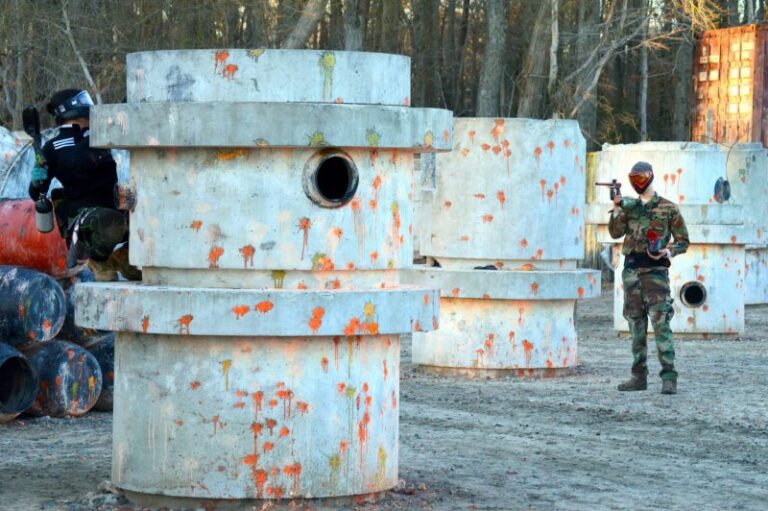
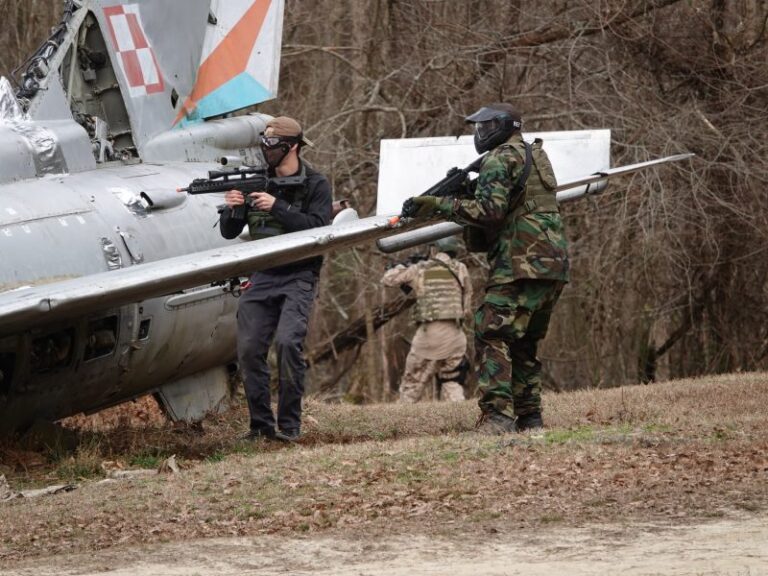
Ballahack Airsoft is an outdoor airsoft field located in Chesapeake, Virginia. The facility spans over 100 acres of land and offers a variety of terrain for players to engage in airsoft battles. The field features a mix of wooded areas, open fields, and even a small village for players to navigate through.
The field is open to players of all skill levels and offers a variety of game modes to keep things interesting. From capture the flag to team deathmatch, there is something for everyone. The staff at Ballahack Airsoft is knowledgeable and helpful, ensuring a safe and enjoyable experience for all players.
 Outdoors
Chesapeake Paintball Park is a popular destination for paintball enthusiasts in Chesapeake, VA. The park offers a variety of fields and courses to cater to different skill levels and preferences. With over 25 acres of land, players can enjoy a day of intense and exciting gameplay.
The park provides rental equipment such as markers, masks, and air tanks. They also offer group packages for parties and events. Chesapeake Paintball Park has a friendly and knowledgeable staff that ensures a safe and enjoyable experience for all players.
OutdoorsAirsoft is a sport that blends the excitement of military simulation with the camaraderie of team play. Participants use replica firearms that fire tiny plastic pellets at low velocities. The emphasis is on realistic tactics, coordinated movement, and strategic decision‑making rather than raw firepower. The environment is deliberately non‑lethal, and the rules are built around safety and sportsmanship. Within this framework the activity offers a surprising depth of realism, a broad spectrum of game modes, extensive opportunities for personal customization, and a thriving global community that keeps the hobby vibrant and evolving.
The appeal of airsoft comes from its layered experience. Realism is achieved through the use of full‑size replicas that mimic the weight, feel, and operation of actual weapons. Many players enjoy dressing in authentic‑looking uniforms, using realistic accessories, and practicing drills that mirror those of professional forces.
Teamwork and strategy are at the heart of every match. Successful squads must communicate clearly, assign roles, and adapt to changing battlefield conditions. Whether a small fireteam conducts a stealth infiltration or a larger force executes a coordinated assault, the outcome depends on how well participants work together and anticipate the opponent’s moves.
The sport supports an impressive variety of game modes. Classic capture‑the‑flag scenarios test speed and coordination, while objective‑based missions such as hostage rescue, bomb defusal, or zone control demand careful planning and resource management. Larger events may simulate entire campaigns, with multiple objectives spread across a day‑long battlefield. This diversity keeps the experience fresh and allows players to develop a broad skill set.
Customization is another major draw. Modern airsoft replicas can be upgraded with tighter inner barrels, adjustable hop‑up units, high‑capacity magazines, and electronic trigger systems. External accessories such as rails, grips, and scopes let players tailor each gun to personal preferences and specific mission requirements. Even the gear beyond the weapon—vests, packs, and communication devices—can be modified to improve comfort and effectiveness.
Behind all of this is a strong, supportive community. Online forums, regional clubs, and social media groups provide platforms for sharing advice, arranging matches, and discussing the latest equipment. Veteran players often mentor newcomers, reinforcing the sport’s culture of safety and mutual respect. The sense of belonging that develops among participants is a key factor in the hobby’s lasting popularity.
Entering the sport requires a baseline set of protective equipment. Safety is the foremost consideration, and the following items form the core of a beginner’s kit.
Eye Protection – The most critical piece of gear. Certified goggles or full‑face masks with impact‑rated lenses shield the eyes from high‑speed pellets. The design must eliminate any gaps that could allow fragments to reach the face.
Gloves – Durable, padded gloves protect the hands while preserving dexterity. They reduce the risk of blisters and provide a barrier against accidental impacts when handling the weapon.
Sturdy Boots – Footwear with ankle support and a reinforced toe is essential for navigating rough terrain, climbing obstacles, and maintaining stability during rapid movements.
Knee Pads and Elbow Pads – Soft‑shell pads absorb shocks when crawling, diving, or taking cover. They help prevent bruises and abrasions during extended engagements.
Helmets – A lightweight tactical helmet protects the head from stray pellets and gives the wearer a platform for mounting lights or communication devices.
Lower Face Protection – For players who prefer full‑face masks, a lower‑face shield adds an extra layer of safety, covering the nose and mouth.
These items work together to create a protective envelope that lets participants focus on tactics and fun without worrying about injury. As players progress, additional accessories such as chest rigs, ballistic plates, and hydration packs can be added to enhance comfort and performance.
The sport is governed by a concise set of principles that keep matches safe, fair, and enjoyable for everyone.
Safety First – All participants must treat every replica as if it were loaded with live ammunition. This mindset ensures that weapons are never pointed at anyone’s head or face, that muzzle checks are performed with the barrel pointed downward, and that safety gear remains in place throughout the game.
The Honour System – Because projectiles cannot be tracked after impact, players rely on honesty to call hits. When a pellet strikes a protected area, the player must acknowledge the hit and call a “hit” or “out.” This self‑policing mechanism builds trust and reduces the need for constant supervision.
Respect – Respect for teammates, opponents, referees, and the venue is fundamental. Players are expected to follow the instructions of field staff, avoid unsportsmanlike conduct, and treat the equipment of others with care. Maintaining a respectful attitude fosters a positive atmosphere and encourages new participants to stay involved.
Adhering to these rules creates an environment where the focus remains on strategy and teamwork rather than on the potential for accidents or conflict.
Airsoft firearms fall into three primary categories, each with distinct operating principles, performance characteristics, and maintenance requirements.
Automatic Electric Guns (AEGs) – Powered by rechargeable batteries, AEGs use an electric motor to drive a gearbox that cycles the bolt, loads a pellet, and fires. They are the most popular choice for beginners and seasoned players alike because they offer semi‑automatic and fully automatic fire modes, reliable performance, and relatively easy maintenance.
Gas Airsoft Guns – These guns use compressed gases such as green gas, CO₂, or proprietary blends to propel pellets. Gas pistols and rifles often provide realistic blowback action, which mimics the recoil of real firearms. They excel in close‑quarter engagements due to their rapid rate of fire and realistic feel, though they can be temperature‑sensitive and require careful handling of pressurized canisters.
Spring‑Powered Airsoft Guns – Operated by manually compressing a spring before each shot, spring guns are the simplest mechanically. They are commonly found in sniper rifles and low‑cost entry‑level models. While the rate of fire is limited to one shot per trigger pull, spring guns are praised for their durability, independence from batteries or gas, and consistent performance in a wide range of environmental conditions.
Choosing the appropriate platform depends on the player’s budget, preferred game style, and willingness to maintain the equipment. Many enthusiasts own multiple types to adapt to different scenarios.
Researchers and professionals from fields such as ballistics, material science, and public health have examined airsoft from several angles. Studies of pellet velocity and impact energy confirm that, when proper protective gear is used, the risk of serious injury is extremely low. Material scientists have contributed to the development of biodegradable pellets, which reduce environmental impact while maintaining reliable flight characteristics.
From an industry standpoint, manufacturers emphasize the importance of quality control, standardization of safety certifications, and responsible marketing. The market has grown steadily, driven by advances in electronics that enable realistic recoil simulation and by the rise of modular accessories that allow customization without sacrificing reliability.
Public health experts note that the sport promotes physical activity, teamwork, and strategic thinking, offering benefits comparable to other organized recreational pursuits. Their assessments underscore the need for continued education about safety protocols and for the maintenance of clear, enforceable field rules.
Overall, the consensus among scientists and industry leaders is that airsoft is a safe, engaging, and socially constructive activity when participants adhere to established safety standards.
The demographic of airsoft participants is remarkably diverse. Young adults often discover the sport through video games or military‑themed media, drawn by the opportunity to experience realistic scenarios in a controlled setting. Older enthusiasts appreciate the tactical depth and the chance to stay physically active.
Professionals from fields such as law enforcement, emergency services, and security sometimes use airsoft as a low‑cost training tool to practice close‑quarters tactics and communication. Students and hobbyists enjoy the creative aspect of building and modifying their gear.
The community also includes families, with many clubs offering junior leagues that teach safety and teamwork to younger players under close supervision. This inclusivity helps the sport maintain a steady influx of new members and fosters intergenerational bonds.
Finding the right venue is essential for a rewarding experience. Three main categories of locations cater to different preferences and skill levels.
Sanctioned Airsoft Fields – These are purpose‑built arenas that follow local regulations and provide clearly marked boundaries, safety stations, and trained staff. Fields often feature themed layouts, such as urban ruins, forested trenches, or abandoned warehouses, allowing players to immerse themselves in varied environments.
Local Teams and Clubs – Many cities host community groups that organize regular matches on public or private land with the permission of landowners. These gatherings are typically informal, fostering a friendly atmosphere where newcomers can learn the basics from seasoned players.
MilSim Events – Short for military simulation, MilSim events are large‑scale, multi‑day operations that aim to replicate real combat missions. Participants may be assigned ranks, receive briefings, and follow detailed orders, creating an experience that blends sport with role‑playing. These events often attract players from a wide geographic area and emphasize endurance, logistics, and long‑term strategy.
Choosing the appropriate setting depends on personal goals, desired intensity, and the level of immersion sought. Beginners may start with local clubs to gain confidence, while more experienced players might gravitate toward sanctioned fields or MilSim scenarios to test advanced tactics.
Airsoft offers a unique blend of realism, strategy, and community that appeals to a broad spectrum of participants. By embracing safety protocols, investing in essential protective gear, and understanding the different types of weapons available, newcomers can quickly become competent players. The sport’s emphasis on teamwork, diverse game modes, and extensive customization options ensures that each match feels fresh and challenging. Backed by scientific research and industry standards, airsoft stands as a safe and socially enriching activity. Whether played on a local field, with a neighborhood club, or in an immersive MilSim event, the experience fosters cooperation, strategic thinking, and a sense of belonging that keeps enthusiasts returning for more.


 2900 Ballahack Rd, Chesapeake, VA 23322