
 El Monte
 Log in
Log in
Log in

Tallahassee Paintball Sports is located in Havana, Florida, a short drive north of Tallahassee.
The facility has been operating since 1995 and offers three main activities: low-impact 50-caliber paintball for ages 7 and up, full .68 caliber paintball for ages 10 and older, and airsoft for private groups ages 10 and up. The property features seven different playing fields, including woodsball, hyperball, barrel fields, and a Sup’Air inflatable bunker field. Walk-on play is available on weekends, and private group packages are offered for parties of 6 to 40 players.
The club is well-suited for birthday parties, corporate team-building events, and large group outings. The staff is experienced and approachable, and the facility includes a Pro Shop, lounge area, restrooms, and on-site parking. Glow Ball paintball sessions are held on select Saturday nights, adding a unique nighttime option to the regular lineup.
 Outdoors
Airsoft is an incredibly popular military simulation sport that has been gaining in popularity for the past few years. It is a game where players use authentic military-style weapons and tactics to engage in mock combat. The sport is gaining in popularity due to the fact that it is relatively safe and fun for both teenagers and adults alike.
The weapons used in Airsoft are realistic-looking replicas of real military weapons, but they fire 6mm round plastic BBs instead of metal bullets. The BBs are made of hard plastic and do not cause any serious harm, making it a relatively safe game.
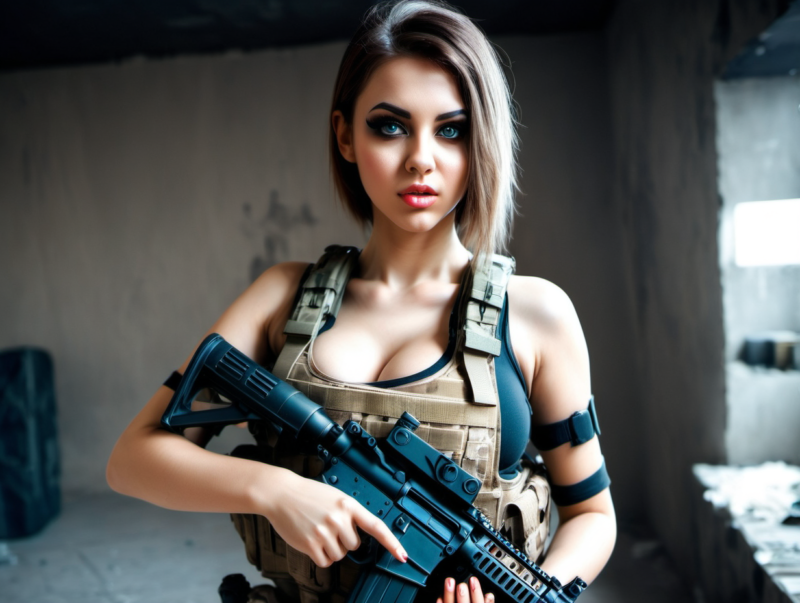
Airsoft is a fast‑growing recreational activity that pits teams of players against one another using replica firearms that fire lightweight plastic BBs. Unlike paintball, the projectiles leave no visible mark on impact, and the weapons are often engineered to look and feel like real firearms, down to the external controls and internal mechanisms. The sport is played both indoors and outdoors, on purpose‑built fields or in improvised environments, and it embraces a blend of physical activity, tactical thinking, and community spirit.
One of the strongest draws of airsoft is its commitment to realism. Manufacturers design guns that replicate the external dimensions, weight distribution, and operating sounds of military and law‑enforcement weapons. Players often dress in authentic camouflage, tactical gear, and accessories that mirror real‑world forces. This attention to detail creates an immersive experience that appeals to enthusiasts who enjoy the feel of a genuine combat scenario without the lethal consequences.
Because airsoft matches typically involve objectives such as “capture the flag,” “hold a zone,” or “eliminate the opposing team,” success depends heavily on cooperation. Teams must plan routes, allocate roles (sniper, rifleman, support, medic), and communicate effectively under pressure. Strategic considerations include fire‑and‑movement, use of cover, and coordination of flanking maneuvers. The emphasis on teamwork fosters leadership skills and teaches participants how to make quick decisions in dynamic environments.
Airsoft offers a broad spectrum of game formats, each emphasizing different aspects of tactical play. Classic “team deathmatch” focuses on maximizing eliminations, while “objective‑based” scenarios require players to complete tasks such as hostage rescue or ammunition resupply. “MilSim” (military simulation) events often span several hours or days, featuring intricate storylines, realistic rules of engagement, and logistical challenges like rations and medical treatment. The versatility of game modes keeps the hobby fresh and accommodates both casual players and hardcore strategists.
The modular nature of airsoft equipment invites extensive personalization. Internally, players can upgrade hop‑up units, replace gears, or fine‑tune gas regulators to improve range and accuracy. Externally, rail systems allow for the attachment of scopes, foregrips, laser sights, and lights. Clothing and load‑bearing equipment can be mixed and matched to suit personal style, climate, or mission requirements. This culture of modification not only enhances performance but also fuels a creative community that shares ideas and builds a vibrant aftermarket ecosystem.
Around the world, airsoft has cultivated a tight‑knit community that extends beyond the battlefield. Online forums, social media groups, and local clubs provide platforms for discussion, trade, and mentorship. Newcomers benefit from experienced players who offer guidance on gear selection, safety practices, and field etiquette. Annual conventions and regional tournaments bring together enthusiasts from diverse backgrounds, reinforcing a sense of belonging and shared passion for the sport.
Entering the world of airsoft requires a baseline of protective and functional equipment. While the specific inventory can expand over time, beginners should focus on the following essentials:
The most critical piece of safety gear is a quality pair of airsoft goggles or full‑face masks that meet or exceed the ANSI Z87.1 standard. These lenses are designed to stop high‑velocity plastic BBs, preventing serious eye injury. Many players opt for a full‑face mask that also shields the teeth and nose, offering added protection during close‑quarters engagements.
Tactical gloves protect the hands from BB impact, abrasions, and cold weather. Kevlar‑lined or reinforced palm designs provide durability while retaining dexterity, enabling players to manipulate triggers, reload magazines, and handle equipment without sacrificing grip.
Footwear must combine ankle support, traction, and durability. Military‑style boots with reinforced toe caps and thick soles reduce the risk of sprains and protect against accidental impacts on rough terrain. Waterproof models are advantageous for outdoor fields that may become muddy after rain.
Since many games involve crawling, taking cover behind low obstacles, or navigating uneven ground, knee and elbow protection is essential. Padded braces with adjustable straps keep the pads in place, absorbing shock and preventing bruises during prolonged sessions.
A tactical helmet not only adds a layer of head protection but also serves as a mounting platform for accessories such as night‑vision goggles, lights, or communication headsets. Lightweight composite helmets balance safety with comfort, allowing players to stay alert throughout the match.
For players who choose goggles rather than a full‑face mask, a lower‑face protector (often called a “cheek guard” or “facemask”) shields the teeth, lips, and chin from stray BBs. This additional barrier is especially important during high‑intensity close‑range encounters.
While each field may have specific guidelines, there are universal principles that govern safe and respectful play.
The cornerstone of every airsoft event is the commitment to safety. All participants must wear approved eye protection at all times, maintain a safe shooting distance (typically a minimum of five meters when the muzzle is pointed at another player), and treat every gun as if it were loaded. Many fields enforce a “no shooting above the waist” rule to reduce the risk of injury to vital organs.
Airsoft relies heavily on the honour system for hit detection. When a player feels the impact of a BB, they are expected to raise their hand, announce “hit,” and step out of the game or re‑load according to the specific scenario’s rules. Cheating, such as refusing to acknowledge a hit, is considered a serious breach of etiquette and can lead to expulsion from the field.
Respect for fellow players, field staff, and property is paramount. This includes arriving on time, following the field’s operational procedures, and maintaining a clean environment by picking up spent BBs. Proper conduct also extends to post‑match debriefs, where constructive feedback is encouraged, and personal disagreements are resolved calmly.
Airsoft firearms are categorized by their power source and operating mechanism. Understanding the differences helps players choose a platform that aligns with their playing style and budget.
AEGs dominate the market due to their reliability, semi‑automatic and fully automatic firing modes, and ease of maintenance. Powered by rechargeable lithium‑ion or NiMH batteries, AEGs use an internal motor to drive a gearbox that compresses a spring and propels BBs. They are available in a wide range of calibers, including popular models such as the M4 carbine, AK‑47, and MP5. The modular nature of AEGs makes them ideal for upgrades, from stronger springs to tighter hop‑up units.
Gas‑powered guns use compressed propellant—either green gas (propane‑based) or CO₂—to fire BBs. These weapons often mimic the blow‑back action of real firearms, providing realistic recoil and slide movement. Gas pistols and rifles are favored for their authentic feel, but they can be temperature‑sensitive; performance may drop in cold weather. High‑end gas snipers, equipped with adjustable regulators, can achieve long‑range accuracy comparable to AEGs.
The simplest of the three, spring‑powered guns require manual cocking before each shot. This category includes bolt‑action rifles, spring pistols, and some low‑cost budget models. While the rate of fire is limited, spring guns are valued for their durability and independence from batteries or gas canisters. They are often used in entry‑level kits or as backup weapons during extended field days where logistics are a concern.
From a scientific perspective, airsoft presents an interesting case study in projectile dynamics, material science, and human behavior. Researchers note that modern BBs, typically 6 mm in diameter and weighing 0.20 g, travel at velocities ranging from 200 to 400 feet per second, depending on the gun’s power source and hop‑up adjustment. At these speeds, impact energy is low enough to avoid penetrating skin, yet sufficient to cause welts or bruises if proper protection is not worn.
Industry experts highlight the positive psychosocial effects of airsoft. The sport encourages regular physical activity, improves hand‑eye coordination, and fosters teamwork and communication skills. Moreover, the tactical decision‑making required in MilSim events mirrors real‑world problem‑solving scenarios, offering participants a safe outlet for strategic thinking. Critics, however, caution that the realistic appearance of the weapons can cause misunderstandings in public spaces, emphasizing the need for clear identification, such as orange safety markers, and responsible use.
The demographic of airsoft players is remarkably diverse. Youths and college students often join as a social outlet, while veterans and former law‑enforcement personnel appreciate the tactical authenticity and camaraderie. Professionals in fields such as engineering, project management, and IT find the hobby a practical way to unwind while exercising strategic planning abilities. Additionally, families with older children sometimes participate together, reinforcing trust and cooperation across generations. The inclusive nature of the community—bolstered by local clubs, online forums, and organized events—ensures that newcomers can find a niche regardless of age, background, or skill level.
Finding the right venue enhances both safety and enjoyment. Options range from highly regulated fields to informal gatherings.
Dedicated airsoft fields are licensed facilities that adhere to local regulations and enforce strict safety protocols. They feature a variety of terrain—urban‑style buildings, forested areas, and obstacle courses—designed to accommodate multiple game modes. Most fields offer rental equipment, on‑site referees, and scheduled events, making them ideal for beginners and seasoned players alike.
Community‑based teams and clubs organize regular meet‑ups at nearby parks, vacant lots, or private property with the owner’s permission. These groups often focus on specific styles of play, such as close‑quarters combat or long‑range sniper engagements. Membership provides access to shared resources, scheduled training sessions, and a network of fellow enthusiasts who can advise on gear upgrades and tactics.
MilSim (military simulation) events are large‑scale, often weekend‑long affairs that simulate realistic combat scenarios. Organized by specialized companies or veteran groups, MilSim weekends may include role‑playing elements, logistics planning, and coordinated objectives that unfold over several phases. Participants are encouraged to bring extensive gear, including load‑bearing vests, radios, and field‑ready supplies. The immersive nature of MilSim offers an unparalleled experience for those seeking depth beyond typical one‑hour matches.
Airsoft stands at the intersection of sport, simulation, and community, offering participants a blend of physical challenge, strategic depth, and social interaction. Its realistic equipment, diverse game modes, and emphasis on teamwork create an environment where players can develop tactical acumen while enjoying the thrills of controlled combat. By adhering to safety protocols—eye protection, proper gear, and the honour system—players ensure a responsible and enjoyable experience for all. Whether one starts with a modest AEG and a pair of goggles or dives straight into a fully kitted MilSim scenario, the hobby welcomes a wide spectrum of enthusiasts. With fields, clubs, and events proliferating worldwide, airsoft continues to grow as a dynamic pastime that both honors tradition and invites innovation.


 210 Salem Rd, Havana, FL 32333, United States