
 El Monte
 Log in
Log in
Log in

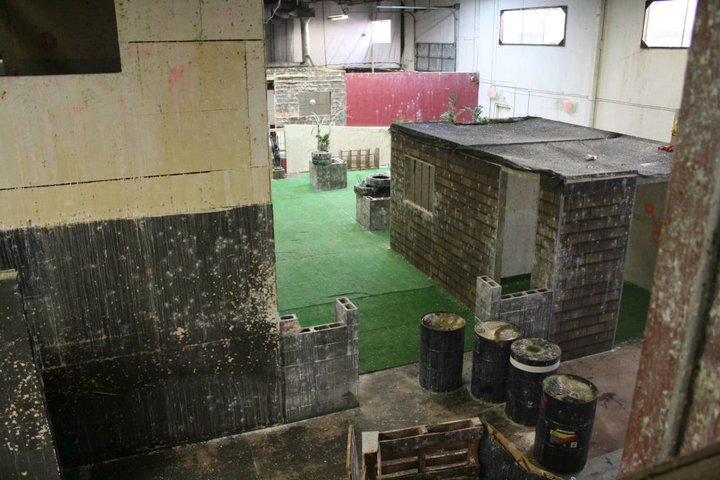
Richmond Indoor Paintball Outdoor Paintball Inc is located in Richmond, BC.
The club provides a fully equipped indoor field designed for realistic airsoft action — complete with barricades, cover zones, corridors, bunkers, and tactical obstacles that make each match feel immersive and unpredictable. Whether you bring your own gear or rent full sets of masks, vests, rifles, and ammo on site, you can jump straight into team-based airsoft games. The arena supports both casual play and organized matches, catering to beginners and experienced players alike.
Richmond Indoor Paintball specializes in hosting group events and celebrations. It’s an ideal spot for anyone looking to bond with friends, blow off steam, or celebrate a special occasion through energetic, team-driven airsoft battles.
 Indoors
Millionaire Paintball Outdoor Paintball is located in Abbotsford, BC.
Millionaire Paintball, located in Abbotsford, BC, is a thrilling outdoor adventure that combines strategy, teamwork, and adrenaline-pumping action for players looking to unleash their inner warrior in a safe and controlled environment. With over 8 themed game zones spanning across 6 acres and over 80 props and obstacles to navigate through, this paintball park offers an immersive and unforgettable experience for players both young and old alike! Whether you prefer to play in teams or go solo, Millionaire Paintball has something for everyone, making it the perfect destination for birthday parties, corporate events, or just a fun day out with friends and family. So, grab your gear, load up your paintball marker, and get ready to embark on an epic battle royale at Millionaire Paintball!
 Outdoors
Airsoft is a recreational activity that pits participants against one another in mock combat using replica firearms that fire small plastic pellets (usually 6 mm in diameter). The sport blends elements of military simulation, paintball, and tactical gaming, offering a uniquely immersive experience. Players move through realistic scenarios, employing tactics, communication, and coordination while adhering to safety protocols that keep the activity enjoyable for people of all ages.
One of the strongest draws of airsoft is its emphasis on realism. Modern replicas are painstakingly modeled after real‑world weapons, complete with functional magazines, recoil‑simulating parts, and external accessories such as rails, scopes, and suppressors. Coupled with realistic uniforms, load‑out gear, and battlefield props, the sport creates an environment that feels almost indistinguishable from actual tactical operations—without the lethal consequences.
Because the objective is usually to achieve a mission goal (capture a flag, secure a building, or eliminate the opposing team), success hinges on teamwork. Players must share information, allocate roles, and synchronize movements. The need to plan ambushes, set up defensive positions, and manage limited ammunition forces participants to think several steps ahead, sharpening decision‑making skills under pressure.
Airsoft offers a wide spectrum of game modes that keep the experience fresh. Classic “Capture the Flag” and “Team Deathmatch” are staples, but more elaborate scenarios such as “Hostage Rescue,” “Bomb Defusal,” and “MilSim” (military simulation) missions add narrative depth. Some fields even host role‑playing events that blend storytelling with tactical objectives, allowing participants to embody specific characters or units.
The hobby is famous for its culture of modification. Players can swap out internal components, upgrade hop‑up systems, install higher‑capacity magazines, or attach optics and foregrips. This degree of personalization lets enthusiasts tailor their weapons to personal preferences, performance goals, or the demands of a particular game mode. Customization extends beyond the gun; load‑out gear, tactical vests, and communication equipment can also be fine‑tuned.
Airsoft’s community is one of its most valuable assets. Local clubs, online forums, and social‑media groups provide platforms for newcomers to seek advice, trade gear, and arrange matches. The camaraderie formed on the field often continues off it, fostering friendships that cross geographic and cultural boundaries. Shared values of sportsmanship, safety, and respect cement the bond among players.
Entering the sport safely and comfortably begins with the right protective equipment. While the specific items may vary by region and field regulations, the following gear forms the core of a beginner’s load‑out.
The most critical piece of equipment is a pair of certified ballistic or polycarbonate goggles. Airsoft pellets travel at velocities ranging from 200 to 400 fps (feet per second); proper eye protection prevents serious injuries. Many players opt for full‑face masks that combine eye shields with a protective mesh over the nose and mouth.
Tactical gloves protect the hands from impacts, abrasions, and cold weather. Reinforced palms and knuckles ensure a secure grip on the weapon while allowing enough dexterity to reload quickly.
High‑cut tactical boots provide ankle support, traction on uneven terrain, and protection against mud, debris, and low‑lying obstacles. Waterproof or breathable options help maintain comfort during long matches.
Crouching, crawling, and sliding are frequent movements in airsoft. Knee and elbow pads absorb impact, reduce bruising, and preserve mobility, especially on hard or rocky surfaces.
A lightweight combat helmet shields the head from stray pellets and low‑lying debris. Helmets with built‑in rails allow attachment of night‑vision devices, headlamps, or small communications gear.
A full‑face mask or lower‑face guard guards the teeth, lips, and chin. Many masks incorporate a clear visor, offering additional eye protection while reducing fogging.
Together, these items form a baseline safety package that lets newcomers focus on tactics and enjoyment rather than worrying about preventable injuries.
Airsoft fields typically publish a set of standard rules that all participants must follow. These guidelines are designed to protect players, preserve equipment, and maintain a fair playing environment.
Airsoft operates largely on an honour system: when a player is hit by a pellet, they must immediately signal “hit” and leave the game area or move to a designated safe zone. The honour system discourages “cheating” and reduces the need for constant supervision. Most fields employ a “30‑second rule” for players who have been hit, allowing a brief recovery period before they can re‑enter the game.
Respect for fellow participants, referees, and property is non‑negotiable. Verbal harassment, aggressive posturing, or intentional damage to equipment and facilities can result in immediate ejection from the field. Many venues also require participants to sign a liability waiver acknowledging responsibility for personal conduct.
Airsoft firearms fall into three primary categories, each with distinct operating mechanisms, performance characteristics, and maintenance requirements.
AEGs are the most popular type among both newcomers and seasoned players. Powered by rechargeable lithium‑ion or NiMH batteries, they use an internal motor to drive a gearset that compresses a spring, propelling the pellet. AEGs can fire in semi‑automatic, burst, or fully automatic modes, offering versatility across game scenarios. Modern AEGs boast adjustable hop‑up, high rates of fire (up to 15 rounds per second), and extensive aftermarket support for upgrades.
Gas‑powered guns operate using compressed propellant—either green‑gas (propane mixed with silicone oil) or CO₂. These firearms often mimic the blow‑back action of real pistols and rifles, providing realistic recoil. Gas rifles (known as “GBBs”) excel in outdoor environments where temperature stability is important, while gas pistols deliver a satisfying blow‑back feel for close‑quarters play. The trade‑off is that gas guns require more frequent refilling and may be less reliable in cold weather.
Spring guns are the simplest and most cost‑effective option. A manually compressed spring stores energy that is released each time the trigger is pulled. Because there is no external power source, spring guns are virtually maintenance‑free and are often permitted in “low‑tech” or “historical” game settings. Their primary limitation is a lower rate of fire—typically one shot per trigger pull—but they are valued for reliability and ease of use.
Research into projectile sports has examined airsoft from both safety and biomechanical perspectives. Studies conducted by ballistic experts confirm that, when velocity is limited to 350 fps with 0.20 g BBs, the kinetic energy remains below the threshold for penetrating skin, making proper eye protection the principal safety concern.
Psychologists studying team‑based games note that airsoft can enhance situational awareness, communication skills, and stress management. The sport’s emphasis on cooperative decision‑making mirrors real‑world tactical training, leading some military and law‑enforcement agencies to incorporate airsoft simulations into their curricula.
Industry analysts observe a steady growth in the global airsoft market, driven by advancements in polymer technology, battery efficiency, and realistic firearm design. The proliferation of online communities and the rise of “MilSim” events have transformed airsoft from a niche hobby into a mainstream recreational activity with an estimated participant base of several million worldwide.
Airsoft attracts a diverse demographic, ranging from teenagers discovering tactical sports to adults seeking an immersive workout. Common participant groups include:
The sport’s inclusive nature—thanks to adjustable difficulty levels, varied game formats, and customizable equipment—means that newcomers can find a niche that matches their skill set and interests.
Finding the right venue is essential for a positive airsoft experience. Three primary categories of playing locations dominate the landscape.
These are purpose‑built facilities that meet safety standards, provide structured game zones, and enforce rules through trained referees. Fields often feature multiple environments—urban streets, forested terrains, and indoor complexes—allowing organizers to host a wide array of scenarios. Many sanction fields also offer rental gear, making them ideal for first‑timers.
Community‑based clubs meet regularly at public parks, abandoned industrial sites, or private property with the owner’s permission. Membership typically involves a modest fee and a commitment to a schedule of weekend or weekday matches. Clubs foster a tight‑knit atmosphere, facilitating mentorship for newer players and offering opportunities for skill development.
MilSim (military simulation) events are large‑scale, often multi‑day affairs that aim to recreate realistic combat operations. Participants may be assigned ranks, receive mission briefings, and operate under strict chain‑of‑command structures. These events can take place on expansive wilderness areas, historic battlefields, or specially prepared “combat villages.” MilSim events attract players who crave deep immersion, strategic planning, and the camaraderie of a mock unit.
Airsoft stands at the intersection of sport, simulation, and community. Its blend of realistic weaponry, tactical teamwork, and endless customization options creates an experience that is both physically demanding and intellectually stimulating. By beginning with the essential protective gear—eye protection, gloves, sturdy boots, and appropriate body armor—newcomers can safely explore the hobby’s diverse facets.
Adherence to universal safety rules, the honour system, and mutual respect ensures that every match remains enjoyable and injury‑free. Understanding the three primary gun types—AEGs, gas‑powered, and spring‑powered—allows players to select a platform that matches their budget, preferred play style, and maintenance tolerance.
Scientific studies reinforce the safety profile of airsoft when proper precautions are observed, while also highlighting its benefits for teamwork, decision‑making, and physical fitness. The sport welcomes participants from all walks of life, whether they are seeking a realistic tactical outlet, a new way to stay active, or simply a social hobby.
Finally, the variety of venues—from regulated fields and local clubs to immersive MilSim events—provides ample opportunities for players to find the setting that best fits their desired level of realism and challenge. As the global community continues to grow and the technology behind airsoft evolves, the sport is poised to remain a vibrant, engaging pastime for years to come.


 6631 Westminster Hwy #160, Richmond, BC V7C 4V4, Canada
