TOP 10 best of the best Free-roam VR in Toronto, ON – Battleonix
El Monte
Log in
0

Advanced Search:

City

Rating

Playground


Price:

Main / Catalog / VR / Ontario, Canada / Toronto, ON

The best Free-roam VR near me in Toronto, ON

img
from $60
VR

Sandbox VR Toronto Indoor Center is located in Toronto, ON.


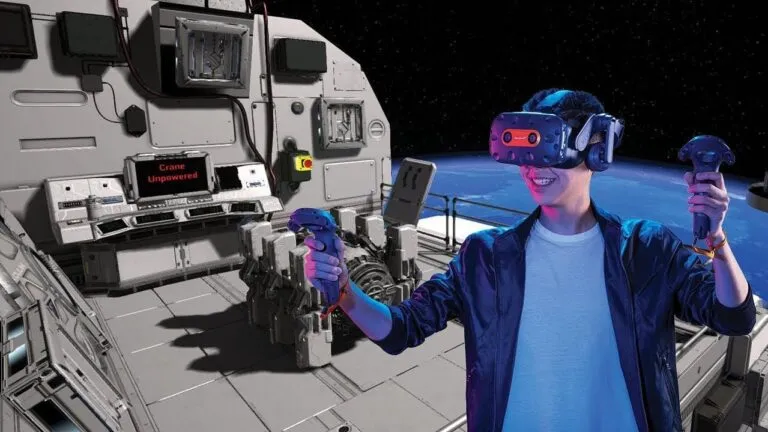
Sandbox VR Toronto, located in the heart of downtown Toronto, offers an immersive virtual reality experience like no other. With state-of-the-art technology and a variety of games and simulations, visitors can step into new worlds and interact with them in ways that were once only possible in science fiction. Whether you’re looking to play a thrilling multiplayer game, explore a historical site, or simply relax in a virtual spa, Sandbox VR Toronto has something for everyone. With friendly and knowledgeable staff on hand to guide you through the experience, it’s the perfect destination for anyone looking to push the boundaries of what is possible in virtual reality technology.

Indoors
img
from $48
VR

Zero Latency Toronto Indoor Center is located in Toronto, ON.


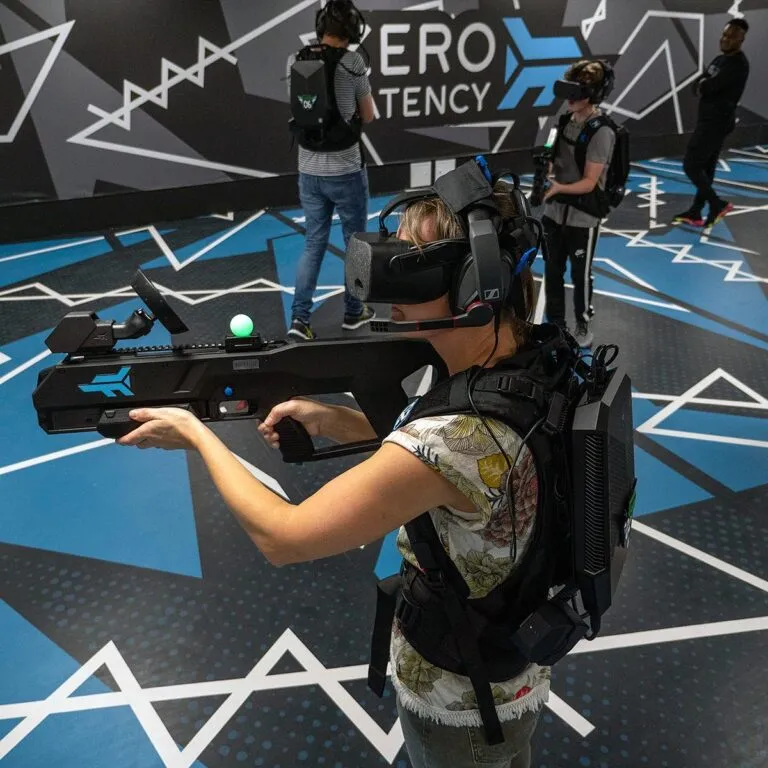
Zero Latency Toronto is an immersive virtual reality gaming experience that allows players to move freely in a large-scale arena while interacting with each other and the game’s environment in real time with no perceptible lag (latency). With state-of-the-art technology, high-quality graphics, and a variety of multiplayer games to choose from, Zero Latency Toronto offers a unique and unforgettable gaming experience that is unlike any other. Whether you’re a seasoned gamer or a VR newcomer, this cutting-edge technology is sure to transport you to new worlds and provide an unparalleled level of immersion.

Indoors
img
from $10
VR

VR Escapism Newmarket Indoor Center is located in Newmarket, ON.


VR Escapism Newmarket is a state-of-the-art virtual reality gaming center that offers an immersive and thrilling experience for gamers of all ages. With a wide selection of VR games and experiences, visitors can transport themselves to new worlds, explore exotic landscapes, and engage in exciting challenges that push their limits. The center’s high-tech equipment and expert staff ensure that every guest enjoys a safe and enjoyable VR adventure, making VR Escapism Newmarket the perfect destination for anyone seeking a unique and unforgettable gaming experience.

Indoors
img
from $10
VR

VR Escapism Markham  Indoor Center is located in Markham, ON.


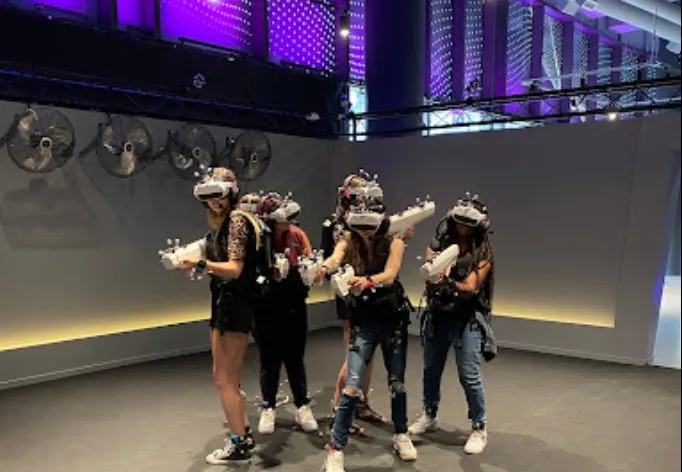
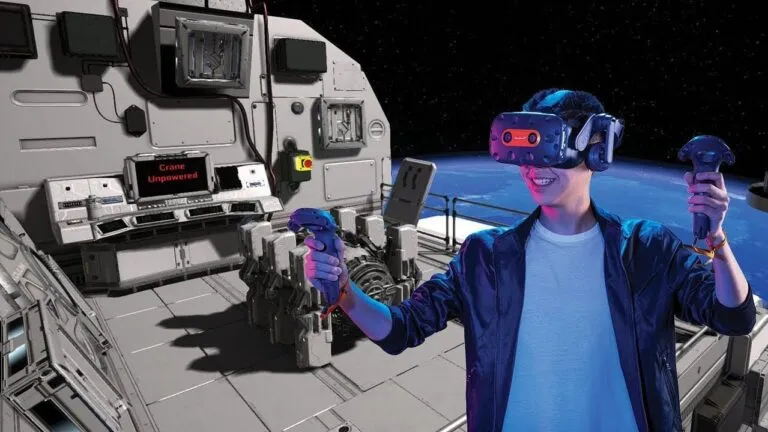
VR Escapism Markham offers an immersive and interactive virtual reality experience for individuals seeking a break from reality. With state-of-the art equipment and a wide range of games and simulations, customers can transport themselves to different worlds and environments, from underwater adventures to outer space explorations. Whether looking to challenge themselves mentally or physically, VR Escapism Markham provides a unique and unforgettable escape from the mundane.
Indoors
img
from $54
VR

Levelup VR Toronto Indoor Arcade is located in Toronto, ON


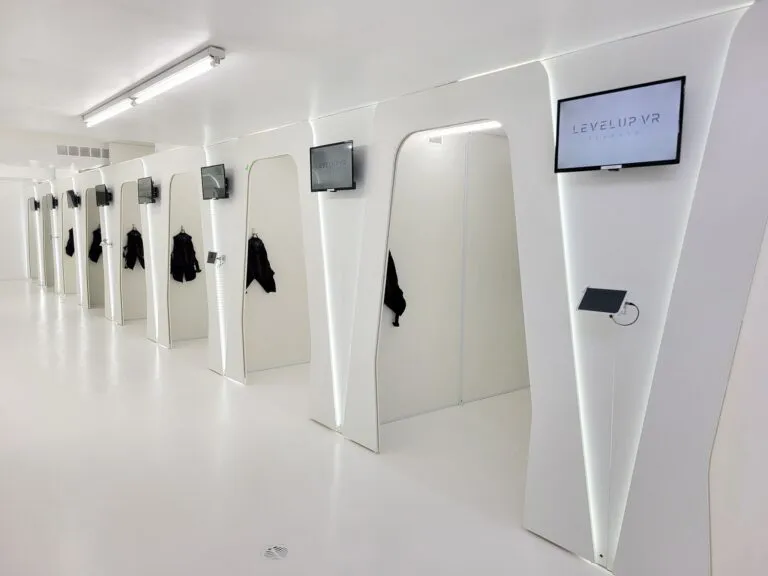
Levelup Reality proudly holds the title of Toronto’s highest-rated VR arcade. This stellar reputation is backed by an impressive array of over 80 VR experiences. Whether you are an ardent gamer or a casual visitor, there is something here that will captivate your imagination and immerse you in a new reality. From the spine-chilling excitement of surviving a zombie apocalypse to the awe-inspiring views and treacherous paths along the edge of Everest, your adventure begins the moment you slip on the VR headset.

At Levelup Reality, flexibility meets excitement with their hourly and event booking options. Their facility is perfect for hosting birthday parties, corporate events, or simply a fun day out with friends and family. Special packages are designed to cater to diverse needs, ensuring everyone can enjoy a premium VR experience that is both memorable and thrilling. If you are planning a large group gathering, there’s no better venue than Levelup Reality. They specialize in hosting game parties for sizable groups, delivering an entertainment experience that is second to none.

Levelup Virtual Reality Arcade in Toronto is not just a gaming destination; it is a gateway to new worlds and endless possibilities.

Indoors

Best of the best Free-roam VR in Toronto, ON


What Is a Free‑Roam VR Arena?

A free‑roam virtual‑reality (VR) arena is a purpose‑built space where users can move freely while wearing a wireless headset, instead of being tethered to a desk or seated in a stationary rig. The arena is typically equipped with motion‑tracking cameras, infrared sensors, or inside‑out tracking systems that capture a participant’s exact position, orientation, and gestures in three dimensions. The floor is often covered with a non‑slip mat or a low‑profile carpet, and the walls may be padded or lined with safety foam to prevent injuries during rapid turns or jumps.

Unlike couch‑based VR, which limits the user to a small physical area, free‑roam arenas translate the user’s real‑world steps directly into the virtual environment. This creates a sense of presence that can rival traditional amusement‑park attractions while preserving the immersive, interactive qualities that define VR. Because the hardware is wireless, participants are not constrained by cables, and the arena can host multiple people simultaneously, allowing for collaborative games, competitive sports, or narrative experiences that involve groups of players.


Free‑Roam VR Scenarios

The versatility of a free‑roam arena stems from the breadth of scenarios that developers can design for it. Some of the most popular categories include:

  • Adventure Exploration – Players navigate sprawling fantasy landscapes, ancient ruins, or alien planets, physically walking through corridors, climbing virtual ladders, and solving spatial puzzles that require real‑world movement.
  • Sports and Fitness – Virtual versions of soccer, basketball, fencing, or even futuristic hover‑ball can be played with motion‑tracked bodies, providing a high‑intensity workout while keeping participants engaged through gamified scoring.
  • Cooperative Missions – Teams of 2–6 users collaborate on tasks such as disarming a virtual bomb, rescuing digital avatars, or building structures, fostering communication and teamwork in a fully immersive setting.
  • Story‑Driven Experiences – Narrative-driven titles place users in cinematic scenarios where they act as the protagonist, interacting with virtual characters and objects to influence plot outcomes.
  • Educational Simulations – From walking through a virtual reconstruction of a historic city to performing a virtual anatomy dissection, these experiences blend learning with embodied interaction.
  • Creative Playgrounds – Sandbox environments let users sculpt, paint, or build in three dimensions, using gestures to manipulate virtual tools and materials.

Each scenario leverages the unlimited physical space of the arena to eliminate “wall‑hitting” limitations that plague seated VR. The result is a more natural, intuitive interaction model that can be tailored to entertainment, education, training, or therapeutic purposes.


Who Plays on Free‑Roam VR Arenas?

The demographic profile of free‑roam VR participants is surprisingly broad, reflecting the technology’s growing mainstream acceptance. While early adopters were predominantly tech‑savvy adults with disposable income, today the user base includes:

  • Teenagers and Young Adults – This group is attracted by high‑energy games, competitive e‑sports, and social experiences that allow them to hang out with friends in a novel setting.
  • Families with Children – Parents bring younger kids for age‑appropriate adventures, often choosing titles that combine storytelling with light physical activity.
  • Corporate Teams – Companies use free‑roam VR for team‑building exercises, leadership training, and innovative brainstorming sessions that encourage out‑of‑the‑box thinking.
  • Healthcare Professionals – Therapists employ the arena for physical rehabilitation, pain management, and cognitive training, capitalizing on the safe, controlled environment.
  • Educators and Researchers – Schools and universities integrate free‑roam experiences into curricula ranging from history to engineering, while researchers study embodiment, spatial cognition, and human‑computer interaction within the arena.

The common thread among these groups is a desire for immersive, embodied interaction that cannot be replicated on a traditional screen or seated VR setup. The arena’s safety measures and scalable difficulty levels make it accessible to participants of varying ages and skill sets.


VR for Kids

Children’s interaction with free‑roam VR is shaped by both developmental considerations and parental expectations. Developers design kid‑friendly experiences that prioritize:

  • Safety – Low‑impact movements, padded surroundings, and automatic pause mechanisms when a player reaches the arena’s boundary.
  • Simplicity – Intuitive controls that rely on natural gestures rather than complex button combos, allowing children to focus on exploration rather than learning a control scheme.
  • Educational Value – Games that teach basic concepts like mathematics, language, or environmental stewardship through immersive play.
  • Creativity – Sandbox worlds where kids can build, paint, or sculpt without fear of “breaking” the system, encouraging artistic expression.

The benefits of VR for children extend beyond entertainment. By physically moving through virtual spaces, kids develop spatial awareness, hand‑eye coordination, and proprioception. Moreover, immersive storytelling can enhance empathy and cultural understanding, as children experience narratives from multiple perspectives. As a result, many parents view free‑roam VR as a modern extension of traditional play that blends physical activity with digital imagination.


Free‑Roam VR for a Birthday Party, Graduation, or Corporate Event

The flexibility of a free‑roam arena makes it an appealing venue for a variety of celebrations and corporate gatherings.

Birthday Parties

A birthday party in a free‑roam VR arena can be customized around the honoree’s interests. Options include:

  • A themed adventure (e.g., “Space Quest” or “Wizard’s Castle”) where guests collaborate to complete quests.
  • A competitive tournament of VR sports, allowing kids to earn points and trophies.
  • A “make‑your‑own‑world” session where participants design a shared virtual party space, decorating it with digital balloons, cake, and confetti.

Because the arena can host multiple participants simultaneously, the event runs smoothly without the need for individual headsets or long wait times.

Graduations

Celebrating a graduation in VR offers a unique way to mark a transition:

  • A virtual “walk of fame” where graduates walk through a digital campus, encountering milestones from their academic journey.
  • A collaborative performance where graduates choreograph a virtual flash‑mob, projecting avatars onto a large screen for family members who may not be physically present.
  • A memory‑lane experience that reconstructs favorite campus locations, allowing alumni to revisit them in a fully immersive format.

These experiences combine nostalgia, camaraderie, and a forward‑looking vibe that aligns with the spirit of graduation.

Corporate Parties and Team‑Building

For businesses, free‑roam VR provides a platform for both celebration and professional development:

  • Team‑Building Challenges – Multi‑player escape rooms or mission‑based scenarios force teams to communicate, delegate tasks, and solve problems under time pressure.
  • Product Showcases – Companies can create virtual prototypes that participants can walk around, interact with, and provide feedback on in real time.
  • Celebratory Events – Annual award ceremonies or holiday parties can be transformed into immersive spectacles, with virtual fireworks, interactive games, and photo booths that capture avatars in custom costumes.

The controlled environment ensures safety while fostering a memorable experience that reinforces company culture.


Scientists and Industry Experts View on Free‑Roam VR

From a research perspective, free‑roam VR is regarded as a pivotal step toward truly embodied digital interaction. Scientists in fields such as cognitive neuroscience, biomechanics, and human‑computer interaction point to several key advantages:

  1. Ecological Validity – Because participants move naturally, experiments conducted in a free‑roam arena better approximate real‑world behavior compared with seated or treadmill‑based VR setups. This improves the reliability of findings related to spatial navigation, motor learning, and social dynamics.
  2. Therapeutic Potential – Clinical researchers are exploring the arena for stroke rehabilitation, balance training, and exposure therapy for anxiety disorders. The ability to control virtual stimuli while allowing safe physical movement creates a powerful therapeutic toolbox.
  3. Data Richness – High‑precision tracking yields granular data on gait, posture, and gesture, enabling detailed analyses of motor patterns and fatigue. This data can feed machine‑learning models that adapt difficulty levels in real time.
  4. Scalability and Accessibility – Industry experts highlight the decreasing cost of wireless headsets and modular tracking systems, which makes it feasible to install arenas in schools, community centers, and corporate campuses.

Critics caution that the technology still faces challenges, including motion sickness for some users, the need for regular hardware calibration, and the logistical demands of managing a physical space. Nonetheless, the consensus among scholars and practitioners is that free‑roam VR represents a convergence of immersive media, embodied cognition, and spatial computing that will shape the next generation of interactive experiences.


In summary, a free‑roam VR arena transcends the limitations of traditional virtual‑reality setups by granting users the freedom to walk, run, and interact naturally within richly imagined digital worlds. From thrilling adventure games and collaborative missions to educational simulations and therapeutic applications, the arena’s versatility attracts a wide spectrum of participants—from curious children to corporate professionals. Its ability to host celebrations such as birthdays, graduations, and corporate events adds a social dimension that blends entertainment with memorable storytelling. As scientists continue to uncover the cognitive and physiological benefits of embodied VR, and as industry advances lower the barriers to entry, free‑roam VR is poised to become an integral part of how society learns, plays, and connects in the digital age.