
 El Monte
 Log in
Log in
Log in
Airsoft is often misunderstood. To the casual observer, it might look like a simple game of tag played with toy guns. But peel back the layers of protective gear and strategically applied camouflage, and you discover a complex, demanding, and highly engaging sport that marries physical agility with mental acuity. Airsoft is not just a game; it is a serious recreational sport built on realism, teamwork, and an unwavering code of honor.
For those eager to enter this adrenaline-charged world, understanding its core appeal and the essential steps for safe participation is critical.
At its heart, Airsoft is a military simulation (milsim) game where participants use replica firearms (RIFs) that shoot small, biodegradable 6mm plastic pellets, known as BBs. Unlike paintball, which uses messy dye-filled capsules and often fantasy-style markers, airsoft focuses heavily on faithful reproduction. The replicas look, feel, and often operate remarkably similar to their real-steel counterparts, providing an unparalleled level of immersion.
The competitive landscape of airsoft spans everything from casual weekend skirmishes to multi-day, highly structured operational events, all bound by the fundamental principle: the Honor Code. Since the BBs do not leave a physical mark like paint, players must honestly acknowledge when they have been hit, a requirement that fosters immediate trust and respect within the community.
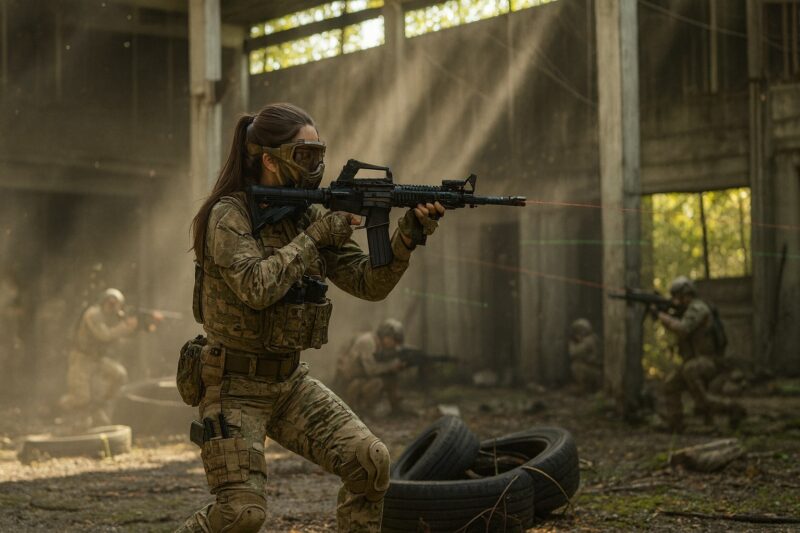
The enduring popularity of airsoft lies in five key attributes that elevate it beyond simple recreation: Realism, Teamwork and Strategy, Variety of Game Modes, Customization, and Community.
Realism is perhaps the single greatest draw for many airsoft enthusiasts. The replicas are designed to mimic the weight, function, and aesthetic of actual military equipment. Holding an airsoft rifle—feeling the heft of its metal components, cycling the charging handle, and managing the magazine changes—provides a visceral experience that shooting a firearm in a video game simply cannot replicate.
This commitment to authenticity extends beyond the rifle itself. Players invest heavily in authentic tactical gear, communications setups, and disciplined movement drills, transforming the field into a living, breathing military exercise. For those who appreciate military history or modern tactical doctrine, airsoft is the ultimate physical sandbox.
While one skilled player can make a difference, airsoft is fundamentally a team sport. Success on the field relies heavily on effective communication, coordinated maneuvers, and clear strategic planning.
Teams must dedicate time to planning fire-and-movement drills, setting up flanking maneuvers, designating fire zones, and maintaining communication across the battle space. In objective-based modes, rushing blindly is a recipe for failure. Instead, players learn the value of suppression fire, controlled advances, casualty transport simulations, and managing limited ammunition. This strategic complexity engages the mind just as much as the body.
Airsoft fields offer a vast spectrum of experiences, ensuring the sport rarely becomes monotonous:
The airsoft rifle (RIF) functions as a highly customizable platform. Players can spend countless hours upgrading both the internal mechanics and external appearance of their replicas, tailoring them to specific roles (e.g., Designated Marksman Rifle, CQB specialist, Support Gunner).
Externally, players often add optics, lasers, grips, flashlights, and suppressors. Internally, components like motors, hop-up units (which control BB spin for accuracy), and tighter barrels can be changed to enhance performance. This deep level of technical customization appeals strongly to hobbyists and engineers.
Despite the competitive nature, the airsoft community is largely welcoming and supportive. The reliance on the Honor Code fosters mutual respect. When a new player or “noob” steps onto the field, experienced players are generally quick to offer advice on gear setup, field tactics, and safety checks. The shared adrenaline, the physical challenge, and the dedication to realism forge strong bonds and camaraderie that extend beyond the playing field.
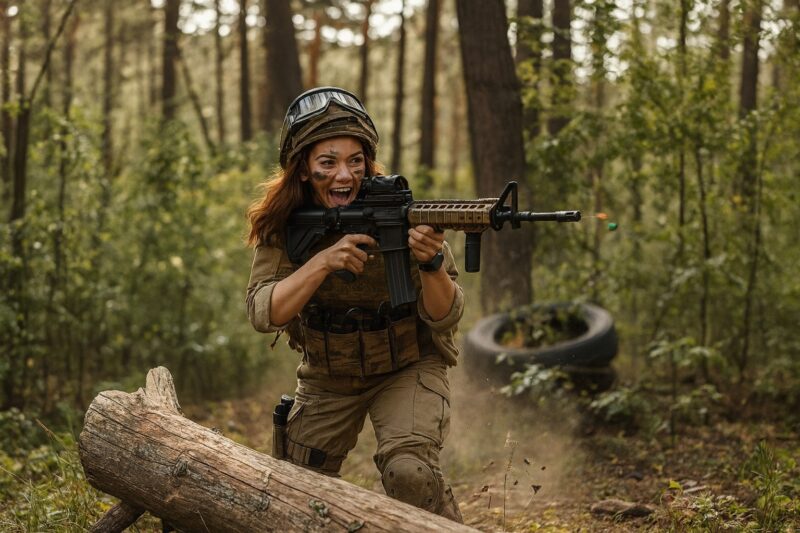
Essential Gear: What Airsoft Gear to Start With
Before acquiring your first replica, investing in mandatory safety equipment is non-negotiable. Airsoft BBs travel fast enough to cause serious harm, particularly to unprotected areas. Safety is the foundation of the sport.
Tier 1: Non-Negotiable Safety Protection
The following items are mandatory and should be purchased with quality and safety certifications in mind. Do not compromise on these elements.
1. Eye Protection (The Most Critical Item)
This is the single most important piece of gear. Airsoft-grade impact BBs can cause permanent blindness. You require full-seal goggles or glasses that meet high-impact safety standards, specifically the ANSI Z87.1+ rating (or equivalent European standards). The protection must completely wrap around the eyes to prevent BBs from bouncing off cheekbones and under the lens.
2. Lower Face Protection
While eye injuries are the most dangerous, dental injuries are the most common and expensive airsoft-related injury. A dedicated lower face protection mask (often mesh or rigid polymer) is essential. It extends from the nose bridge down to the chin, protecting the teeth, lips, and cheeks. Many fields mandate full face protection for all players under 18, and it is highly recommended for everyone.
Tier 2: Functional Gear for Comfort and Safety
These items are vital for protecting your body from common strains and abrasions during intense movement.
3. Sturdy Boots
Airsoft fields are often rough terrain—muddy, rocky, uneven, or filled with debris. Cheap sneakers will not suffice. Invest in sturdy, over-the-ankle hiking boots or tactical boots that provide excellent ankle support. A sprained ankle will end your day immediately, and good boots mitigate this risk while providing better grip and stability.
4. Gloves
Gloves are essential for two main reasons: protection and grip. Taking a direct hit on an exposed knuckle can be painful and distracting. Look for full-fingered tactical gloves that offer reinforced knuckles and palms, ensuring you maintain a firm grip on your replica even when wet or muddy.
Tier 3: Ergonomic and Recommended Protection
While not always mandatory, these items drastically increase comfort, protect joints, and enhance play longevity.
5. Knee Pads and Elbow Pads
Airsoft often involves rapid transitions between standing, crouching, and going prone. Dropping onto sharp gravel or concrete can injure joints quickly. Dedicated external knee pads allow you to kneel or crawl comfortably, protecting your knees from impact and strain. Elbow pads offer similar protection for crawling or bracing against hard surfaces.
6. Helmets
A helmet offers protection from stumbling and hitting your head, but its primary function in airsoft is often utility. Helmets provide a stable platform for mounting vital accessories, such as night vision devices, high-powered flashlights, action cameras (GoPros), and communication headsets.
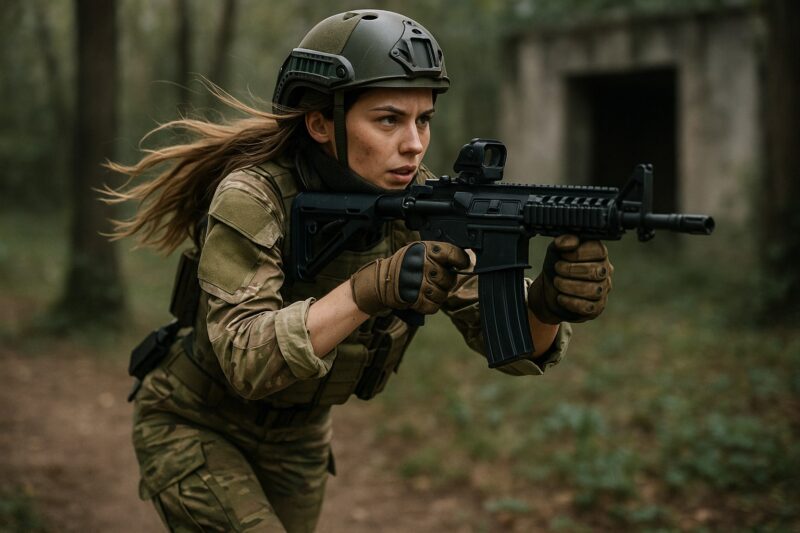
Airsoft offers a challenging escape from the mundane, combining physical exertion with strategic depth. It demands discipline, honesty, and a commitment to safety above all else. By understanding the core tenets of realism and teamwork, and by prioritizing quality protective gear—especially top-tier eye and face protection—new players can safely step onto the field.
The world of airsoft awaits: a place where honor is currency, adrenaline is constant, and the pursuit of strategic victory is exhilarating. It’s more than just firing BBs; it’s about engaging fully in a community built on shared passion and respect.
Airsoft is often misunderstood, viewed merely as a sophisticated version of tag or pellet guns. In reality, it is a demanding, high-stakes tactical simulation that thrives on discipline, sophisticated technology, and, crucially, a deeply ingrained code of ethics. It is a sport built not on paint splatters or electronic confirmation, but on honesty—a unique philosophical foundation that separates it from almost every other combat simulation in the world.
To truly understand airsoft is to grasp three interconnected elements: the strict rules governing safety and conduct, the varied technology powering the simulation, and the diverse community that sustains it.
The structure of airsoft is held together by three pillars: Safety First, The Honour System, and Respect. These are not suggestions; they are the non-negotiable mandates that ensure the sport remains thrilling, fair, and viable.
In a sport where projectiles travel at high velocities, safety is paramount. The cardinal rule of airsoft is the infallible requirement for eye protection. Certified, full-seal ANSI Z87.1 rated goggles or masks are mandatory from the moment a player enters the designated play area until they leave safe zone boundaries. Minor scratches can heal; eyesight cannot be replaced.
Beyond eye safety, players must adhere to strict Muzzle Discipline. The gun’s muzzle must never intentionally cover anything you do not intend to shoot, especially in safe zones. In these designated non-combat areas, magazines must be removed, the weapon cleared (usually by firing a few shots on an empty chamber), and a barrel sock or safety bag placed securely over the end of the barrel.
Finally, every field enforces Chronograph Limits (FPS). Weapons are tested before games to ensure their output velocity (measured in Feet Per Second) does not exceed pre-determined limits, which often vary based on the engagement distance (Minimum Engagement Distance, or MED). These limits prevent excessive kinetic energy transfer, ensuring that the sting of a hit remains a minor discomfort rather than an injury risk.
Unlike paintball, which leaves a visible mark, airsoft relies entirely on the integrity of the individual. When shot, the plastic 6mm projectile leaves no evidence—it is up to the player to acknowledge the hit, loudly declare “HIT!” or “OUT!”, put their hand up, and begin their respawn procedure. This is known as the Honour System.
The entire sport collapses without compliance. When players fail to call their hits (“tanks” or “cheaters”), frustration mounts, and the atmosphere sours instantly. Conversely, the high quality of gameplay and the atmosphere of trust found in organized airsoft fields is a direct testament to the vast majority of players who adhere to this fundamental ethical contract. It breeds a level of self-policing and trust rarely seen in competitive sports.
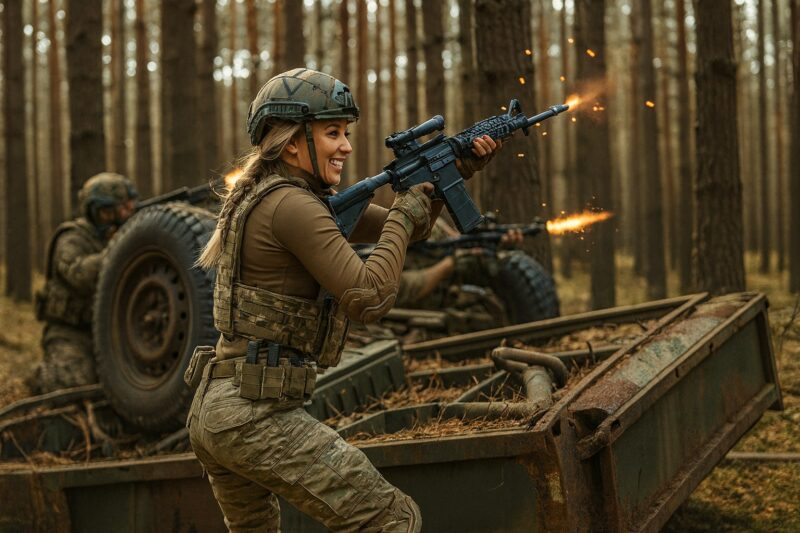
Respect also dictates specific gameplay rules:
No Blind Firing: Players must be able to see where their shots are going. Sticking a gun around a corner and spraying wildly is prohibited, as it eliminates the target’s ability to defend themselves and poses a safety risk.
Vulnerability: Even if only a finger or a small piece of gear is struck, the player is out. There is no arguing about where the BB landed.
The Bang Rule: In close quarters (often 10–15 feet), players are encouraged to use a “Parley” or “Bang” rule, declaring the opponent out rather than firing at point-blank range, mitigating unnecessary pain.
Airsoft is competitive, but it must never become antagonistic. Respect requires players to obey the rules and the instructions of field marshals (referees) without argument. Marshals have the final authority on all rulings.
Once the ethical framework is internalized, players turn their attention to the hardware. Airsoft weapons are specialized replicas categorized mainly by their firing mechanisms.
The AEG is the undisputed workhorse of the airsoft world. Powering 90% of all primary airsoft weapons, AEGs use rechargeable batteries to power an internal motor, which drives a piston and spring system (the gearbox) to propel the BB.
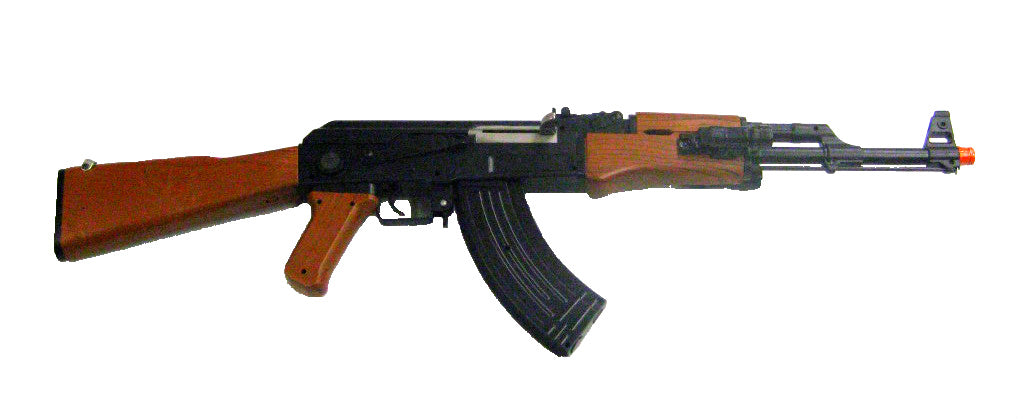
Key characteristics:
Reliability and Consistency: They function well in almost all weather conditions.
Customization: AEGs are highly modular, allowing for extensive external modifications (sights, rails, grips) and internal upgrades (motors, gears, barrels).
Ease of Maintenance: They require less intensive cleaning than gas systems.
Versatility: They are available in nearly every rifle, carbine, and submachine gun pattern imaginable (M4 variants, AK platforms, SCARs, etc.).
For new players, an AEG offers the best balance of performance, affordability, and ease of use.
Gas-powered guns use compressed gas (typically Green Gas, Propane, or CO2) stored in the magazine or internal reservoir to cycle the action and propel the BB. These are generally divided into Gas Blowback (GBB) and Non-Blowback (NBB) models.
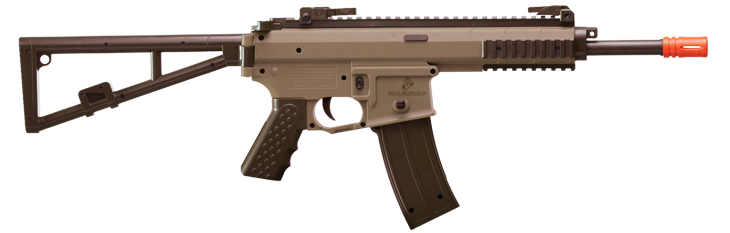
Key characteristics:
Realism: GBB rifles (GBBRs) and pistols (GBBPs) provide realistic recoil, sometimes requiring complex disassembly and maintenance akin to real firearms. This realism makes them highly popular for simulationists and military/police training.
Sound and Feel: They produce a satisfying “clack” and “clunk” sound due to the slide or bolt cycling, adding to the immersion.
Temperature Sensitivity: Gas systems suffer performance drops in cold weather, as pressure decreases significantly.
Role: While GBB pistols are common secondary weapons, GBBRs are often primary weapons for dedicated players seeking high realism over high volume of fire.
Spring-powered guns require manual cocking before every shot—pulling back a slide or bolt handle compresses a coil spring, which is then released to fire the BB.
Key characteristics:
Simplicity and Entry Cost: Spring pistols and cheap shotguns are often the least expensive way to enter the sport.
High Power Potential: Because the power source is manual, high-end spring rifles (like bolt-action sniper rifles) can be designed for very high FPS limits, making them ideal for long-range, precision roles.
Low Maintenance: Virtually no electronics or complex gas systems to worry about.
Role: Exclusively used for designated sniper roles, where the tradeoff for high power and range is the low rate of fire.
3. The Community: Who Plays Airsoft and Why?
Airsoft is a universally inclusive sport, drawing an incredibly diverse group of players united by a common interest in tactics, simulation, and adrenaline.

The stereotype of airsoft players as strictly young paintball refugees quickly dissipates upon visiting a field. The airsoft community includes:
Tactical Professionals: Military personnel and law enforcement agencies globally use airsoft equipment for force-on-force training due to the realism of the replicas and the ability to train safely in settings where real firearms are restricted.
Simulation Enthusiasts: These players, often called “Milsimmers,” meticulously recreate real-world loadouts, focusing on historical accuracy (WWII, Vietnam) or modern military kit.
Fitness and Adrenaline Seekers: Airsoft is physically demanding. A full day of running, crouching, and sprinting across uneven terrain provides an excellent, engaging workout.
The Family Unit: It is common to see parents playing alongside their teenage children, fostering teamwork and providing a shared hobby that promotes physical activity away from screens.
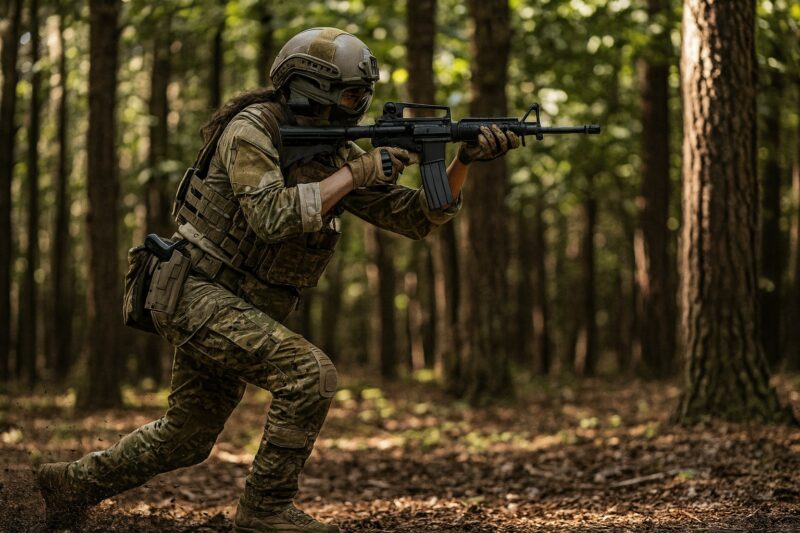
The motivation to dedicate weekends and resources to airsoft is multifaceted, extending far beyond the simple desire to shoot plastic BBs.
1. Tactical Problem-Solving
Airsoft requires constant communication, strategic planning, and improvisation under pressure. Whether flanking an enemy position or defending an overwhelmed objective, the sport engages the mind as much as the body. It forces players to learn about cover, concealment, field geometry, and team synchronization.
2. Adrenaline and Immersion
Few sports match the intense adrenaline rush of a close-quarters engagement or successfully completing a multi-day Milsim operation. The realism of high-end gear and the fear of getting hit generate a high level of immersion, creating memorable and exciting experiences.
3. Camaraderie and Community
Airsoft is overwhelmingly a team sport. Players rely on their squadmates for cover, intelligence, and support, forging strong bonds that transcend the boundaries of the field. The community is welcoming, collaborative, and built on shared respect—a necessary prerequisite for the Honour System to function.
Airsoft is more than a game; it is an exercise in ethics, a test of teamwork, and a playground for tactical technology. By holding fast to the non-negotiable rules of safety and maintaining the trust inherent in the Honour System, the community ensures that the simulated high-stakes battle remains a rewarding and honorable sport for all who participate.


