El Monte
 Log in
Log in
Log in

The Cave is located in Bethel, CT.
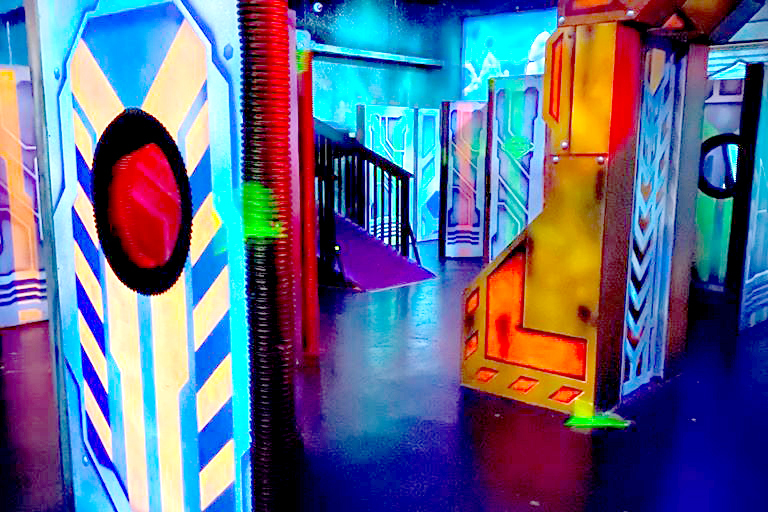
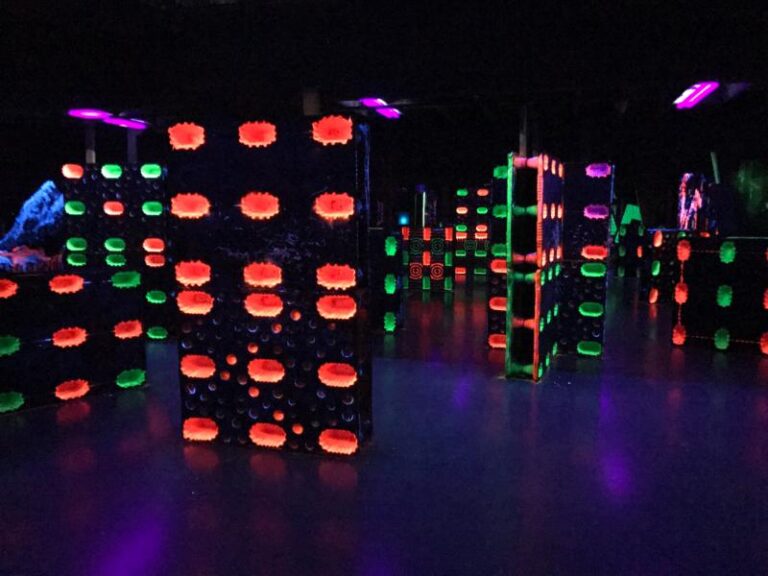
Located in Bethel, CT, The Cave offers a unique entertainment experience with its 3-level indoor GLOW mini golf and laser tag amusement center. This vibrant and exciting venue promises something for everyone and encourages the celebration of every occasion within its walls. They see it as a good place for all kinds of events, parties, and social gatherings.
Adult parties are particularly popular at The Cave. The combination of glow-in-the-dark mini golf, laser tag, and other attractions creates a fun and energetic atmosphere perfect for adult celebrations. They often host group events as well as birthday parties.
Virtual reality enthusiasts will be thrilled with the four VR attractions available. Guests can choose from the 6-seater Starship Adventure, the 2-player Infinite Battle, the 360 VR Coaster, or the VR Racing attraction.
 Indoors
Sports Center of Connecticut is located in Shelton, CT.
Established in 1999 as a golf driving range, The SportsCenter of Connecticut has blossomed into the premier Family Fun Entertainment Center in New England. Occupying over 20 acres, the facility houses over 150,000 square feet of indoor entertainment spaces alongside numerous outdoor activities. The original vision for The SportsCenter was to provide children and young adults with a fulfilling and safe environment they could consider uniquely “their own.” Over the decades, the SportsCenter has successfully lived up to that ideal, and expanded to meet and exceed customer expectations.
Visitors will find Connecticut’s only Lazer Tag arena housed within The SportsCenter.
Those seeking virtual adventures can Dive Into Another Dimension with the SportsCenter’s immersive virtual reality experiences.
Birthday parties hosted at the SportsCenter of Connecticut are nothing short of legendary.
For those who favor a wild west theme, The SportsCenter offers a unique Western-themed paintball arena with moving and impact illuminating targets.
IndoorsConnecticut Sportsplex is located in North Branford, CT.
Connecticut Sportsplex: Fun and Excitement Awaits!
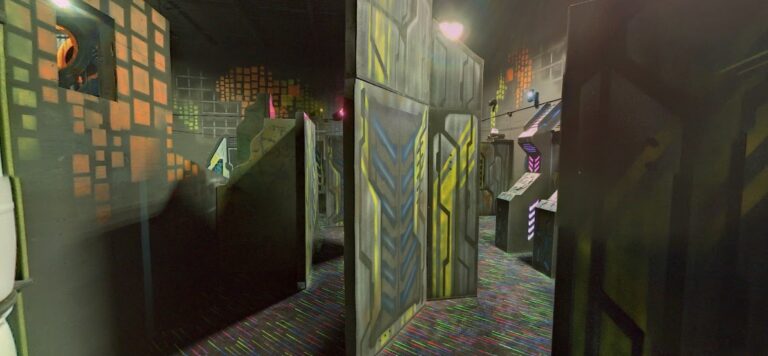
Located in North Branford, CT, the Connecticut Sportsplex Family Fun Center offers an affordable and engaging experience for visitors seeking entertainment. Guests can immerse themselves in a full arcade, boasting over 35 games that include both redemption and classic arcade favorites. For adrenaline seekers, the laser tag arena features state-of-the-art technology. This multi-level arena, encompassing 4,500 square feet, underwent a complete remodel in 2019, ensuring a dynamic and immersive playing environment.
Those looking to host an event will find the Connecticut Sportsplex is an ideal venue. The facility is equipped to handle parties of all sizes and types. It allows clients to enjoy their event without the burden of intricate planning, and their party coordinator can skillfully manage the logistics, facilitating the activity selection process while adeptly catering to all other requirements and needs.
IndoorsUrban Air Trampoline and Adventure Indoor Park is located in Orange, CT.
Urban Air Trampoline and Adventure Park in Orange, CT is the spot for thrilling fun and entertainment. The park offers an array of activities like trampolining, obstacle courses, climbing walls, zip-lining, and a virtual reality experience. Children and adults alike can enjoy a time full of exhilaration with an added dose of adrenaline. The park also hosts events like birthday parties, corporate events, and team building activities. With the focus on safety, Urban Air takes all the necessary measures to ensure a safe and fulfilling experience for all visitors.
Indoors
Laser Tag has become one of the most popular games for people of all ages. In New Haven, CT, visitors and local residents alike will find a wide variety of Laser Tag arenas and outdoor fields to enjoy.
Laser Tag is a shooting game that is completely safe, and involves tagging special sensors located on the players’ clothing with lasers. This means that the game poses no risk of hurting anyone, making it suitable even for youngsters.
The game is perfect for a variety of occasions. With plenty of Laser Tag fields in New Haven, holding a kid’s birthday party, family event, corporate retreat or a night out with friends is a breeze. Laser Tag allows players to stay active and have a blast as they sprint around the interactive playing fields.
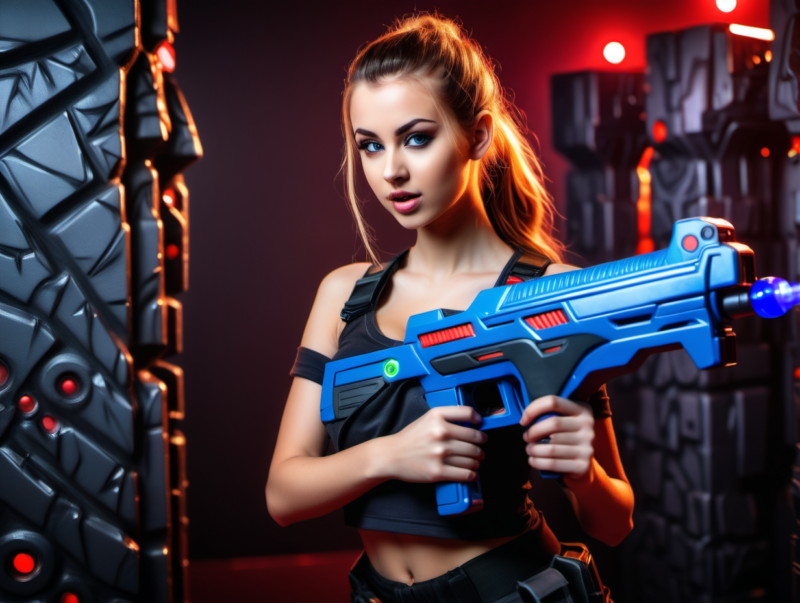
Laser tag is a fast‑paced, team‑oriented game that combines the excitement of tactical combat with the safety of light‑based technology. Players wear lightweight vests or harnesses fitted with infrared sensors and wield hand‑held “phasers” that emit invisible laser beams. When a beam strikes a sensor, the system registers a hit and records the player’s score in real time. The game can last from a few minutes to an hour, depending on the scenario, and is overseen by a central console that tracks individual and team performance, provides instant feedback, and can even project live statistics on a screen for spectators.
Unlike traditional paintball or airsoft, laser tag leaves no mess, requires no protective gear beyond the vest, and can be played in virtually any environment that can accommodate the necessary safety lighting and power supplies. Its blend of physical movement, strategic thinking, and instant digital scoring makes it a popular choice for recreation, training, and corporate team‑building alike.
The appeal of laser tag lies largely in the variety of scenarios that can be programmed into the system. Modern laser‑tag arenas and portable kits allow organizers to choose from a menu of pre‑designed missions or to craft custom storylines that suit any audience.
| Scenario Type | Core Elements | Typical Duration |
|---|---|---|
| Classic Team Deathmatch | Two teams compete to score the most hits while protecting their own base. | 8‑12 minutes |
| Capture the Flag | Players must locate and retrieve an opponent’s “flag” (a sensor‑equipped object) while defending their own. | 10‑15 minutes |
| Zombie Apocalypse | One player starts as the “zombie”; each successful hit converts a teammate into a zombie, creating a fast‑moving infection chain. | 12‑20 minutes |
| Mission‑Based Ops | Teams receive specific objectives—disarm a virtual bomb, rescue a hostage, or retrieve intel—requiring coordinated movement and communication. | 15‑25 minutes |
| Free‑For‑All | Everyone competes individually; the highest‑scoring player wins. | 5‑10 minutes |
Beyond these staples, themed experiences such as “Space Station Infiltration,” “Medieval Siege,” or “Spy Thriller” can be layered with ambient lighting, sound effects, and props to deepen immersion. The flexibility of the software also permits adaptive difficulty levels, making the same arena suitable for children, teenagers, and adult participants alike.
Laser tag delivers a suite of physical, mental, and social advantages that go far beyond simple amusement.
Physical Activity – Players constantly run, crouch, duck, and sprint, offering a cardio workout comparable to a moderate‑intensity sport. Because the game emphasizes short bursts of high‑energy movement, it helps improve agility, balance, and coordination.
Strategic Thinking – Success depends on planning routes, allocating resources, and anticipating opponents’ moves. Players develop situational awareness, quick decision‑making, and problem‑solving skills that translate to academic and professional settings.
Teamwork and Communication – Most scenarios require coordinated action. Teams must share intel, delegate roles, and support each other under pressure, fostering collaboration and leadership abilities.
Stress Relief – The immersive, game‑like environment provides a safe outlet for adrenaline. Participants often report a “runner’s high” after a session, as endorphins flood the bloodstream.
Inclusivity – The non‑contact nature of laser tag makes it accessible to people of varying fitness levels, ages, and abilities. No protective gear beyond the vest is needed, reducing barriers to entry.
Technology Literacy – Interacting with real‑time scoring interfaces, Bluetooth‑linked equipment, and sometimes augmented‑reality overlays encourages familiarity with emerging tech platforms.
Collectively, these benefits have positioned laser tag as a favored tool in schools, youth programs, and corporate wellness initiatives.
Researchers in kinesiology and cognitive psychology have taken a growing interest in laser tag as a laboratory for studying movement, attention, and group dynamics. A 2022 study published in Human Movement Science found that participants in a 15‑minute laser‑tag bout displayed a 20 % increase in aerobic capacity compared with a control group that engaged in seated video gaming. Moreover, the same research highlighted improvements in spatial memory and reaction time, attributing these gains to the game’s demand for rapid visual processing and navigation.
Industry experts in the entertainment sector echo these findings, emphasizing laser tag’s commercial viability. Market analysts project the global laser‑tag industry to exceed USD 1.2 billion by 2028, driven by advances in sensor accuracy, immersive lighting, and integration with mobile apps. Engineers specializing in wearable tech note that laser‑tag vests are becoming testbeds for low‑power, high‑precision infrared communication—technology that could spill over into fields such as remote health monitoring and indoor navigation.
Together, the scientific community and industry professionals view laser tag not only as a recreational pastime but also as a proving ground for innovations in human‑machine interaction, health‑focused gamification, and collaborative training platforms.
Laser tag’s broad appeal stems from its ability to attract a diverse demographic. While the core player base includes teenagers and young adults seeking action‑packed entertainment, the sport has also carved out a niche among younger children and families.
For kids, laser tag offers an engaging way to develop motor skills and social competence. Age‑appropriate equipment—lighter vests, simplified scoring, and bright, colorful arena lighting—makes the experience less intimidating. Many venues provide “Kid Zones” with reduced arena size and fewer obstacles, ensuring that younger participants can enjoy the game without feeling overwhelmed.
Adolescents are drawn to the competitive aspect, often forming clubs or leagues that meet regularly. High school physical education programs have incorporated laser tag into curricula to teach teamwork, tactical planning, and safe conflict resolution.
In recent years, adult leagues have emerged, featuring more complex scenarios and longer match durations. Some senior centers have introduced laser tag as a low‑impact activity that encourages movement while minimizing joint strain.
Overall, laser tag’s modular design—adjustable hit sensitivity, customizable game lengths, and scalable difficulty—ensures that the same equipment can be tailored to suit the capabilities and interests of any age group.
Because laser tag blends excitement with flexibility, it has become a go‑to option for a wide variety of celebrations.
Parents appreciate laser tag’s “mess‑free” nature, which eliminates the need for cleanup after paintball or foam darts. Party packages often include dedicated game masters, themed décor (e.g., superhero or space motifs), and optional add‑ons such as photo booths or snack stations. The competitive format keeps guests engaged, while the built‑in scoring system provides a natural way to award “best player” recognitions.
Graduates looking for a memorable send‑off can book an entire arena for a private session. Organizers can design custom scenarios that reflect the graduate’s interests—perhaps a “mission to retrieve the diploma” or a “future‑career simulation.” The shared experience promotes bonding among classmates and creates a unique narrative for the milestone.
Companies leverage laser tag to break down hierarchical barriers and foster collaboration. Professional facilitators can integrate debrief sessions where teams analyze their performance metrics, discuss communication strengths, and identify improvement areas. Because the activity is high‑energy yet low‑risk, it suits venues ranging from corporate campuses with indoor arenas to off‑site locations that rent portable laser‑tag kits.
In each of these contexts, laser tag serves as both entertainment and a subtle catalyst for social interaction, making it a versatile choice for event planners.
The location of a laser‑tag session influences the game’s atmosphere, complexity, and logistical requirements. Both indoor and outdoor options offer distinct advantages.
Indoor facilities are purpose‑built with black‑wall surfaces, modular obstacles, and programmable lighting rigs. They provide a controlled environment—consistent lighting, temperature, and safety measures—which is ideal for younger participants and corporate events. Many cities host dedicated laser‑tag centers that offer multiple themed rooms, allowing groups to switch scenarios without leaving the venue.
For larger groups or those seeking a more expansive battlefield, outdoor laser‑tag setups are increasingly popular. Portable kits can transform parks, forests, or even warehouse rooftops into dynamic play zones. Natural terrain—trees, hills, and structures—adds realism to scenarios such as “wilderness rescue” or “urban guerrilla warfare.” However, outdoor play requires careful attention to weather conditions, power supply (often via generators or battery packs), and safety boundaries to prevent stray shots.
Some venues blend indoor and outdoor elements, featuring a covered arena that opens onto a surrounding field. This hybrid model enables organizers to start with structured, lighting‑intensive missions indoors and transition to a free‑form chase outside, maximizing the use of space and keeping the experience fresh.
When selecting a venue, organizers should consider factors such as group size, age range, desired scenario complexity, and logistical constraints (e.g., transportation of equipment). Regardless of setting, modern laser‑tag systems are designed for rapid deployment, with wireless sensors, rechargeable phasers, and intuitive control panels that streamline setup and teardown.
Laser tag has evolved from a niche amusement into a multifaceted activity that blends physical exertion, strategic depth, and cutting‑edge technology. Its adaptability—manifested in a rich library of scenarios, inclusive equipment design, and suitability for a spectrum of events—makes it a compelling option for anyone seeking an engaging, health‑promoting, and socially enriching experience. Whether a child’s birthday, a graduation ceremony, or a corporate retreat, laser tag offers a uniquely immersive playground where participants of all ages can run, think, and collaborate under the glow of invisible lasers.


 13 Stony Hill Rd, Bethel, CT 06801, United States