Log in
United Skates of America Rumford Indoor Center is located in Rumford, RI.
United Skates of America Rumford, located in Rumford, Rhode Island, is a roller skating rink that offers a fun and active experience for all ages. With state-of-the-art equipment, spacious skating floors, and a variety of music genres, this rink provides an enjoyable and safe environment for skaters to enjoy. Whether you’re a seasoned pro or a beginner, United Skates of America Rumford has something for everyone. Come and join us for a thrilling roller skating session!
IndoorsLaunch Family Entertainment Warwick is located in Warwick, RI.
Launch Family Entertainment: Warwick, RI’s Premier Entertainment Destination
Launch Family Entertainment in Warwick, RI, provides a unique variety of attractions desirable for all ages.
Attractions:
IndoorsCW Lanes & Games is located in Lincoln, RI.
CW Lanes & Games: Entertainment Hub in Lincoln, RI
CW Lanes & Games in Lincoln, RI, combines movie theater excitement with interactive games for a complete entertainment experience.
CWTheaters Lincoln 16 is a state-of-the-art 16-screen theater in Rhode Island. All screens feature stadium seating, wall-to-wall screens, and DLP digital sight and sound. They aim to provide the ultimate movie theater experience at a great price for the whole family. Theaters are focused on offering low, everyday pricing.
Gear Up for a Futuristic Laser Tag Adventure
Laser Tag presents a high-tech adventure where skills and imagination can be put to the test. Dodging lasers and strategizing with teammates provides an opportunity to compete for high scores and glory in a capture the flag version of the game. Laser tag is positioned as a perfect activity for birthday parties, team-building events, and family fun.
IndoorsBattlegroundZ is located in Lincoln, RI.
BattleGroundz: Family Fun & Thrilling Experiences in Yacolt, WA
Choose BattleGroundz for a family fun day out, party, or corporate event. They offer a diverse range of activities including:
Arcade
Airsoft
Paintball
Gel Blaster
Lazer Wars
Archery Tag
Dodgeball
Dart Wars
Indoors
Laser tag has transformed from a quirky futuristic concept in the 1980s into a multi-billion-dollar global industry. It is a high-octane, adrenaline-fueled experience that blends physical activity with tactical thinking. Whether played in a dimly lit indoor arena illuminated by neon blacklights or across expansive outdoor fields under the sun, laser tag offers a compelling escape from the digital world. By simulating tactical combat using infrared beams rather than physical projectiles, it provides all the excitement of a high-stakes game without the risks associated with contact sports or paintball.
At its core, laser tag is a recreational shooting game where players use infrared-emitting light guns to tag designated targets, usually worn on the chest or head of opposing players. Unlike paintball, which relies on physical paint capsules, or airsoft, which uses plastic pellets, laser tag is entirely digital. When a player’s sensor detects an infrared hit, the system automatically logs the event, reducing the “honor system” element that complicates other tactical sports.
The technology behind the game is sophisticated. Sensors on vests or headbands interact with the transmitter on the “phaser” to track accuracy, lives remaining, and team scores in real-time. This digital integration allows for complex gameplay mechanics, such as “respawning” stations, ammo limitations, and special power-ups, making every session feel like stepping directly into a living video game.
The versatility of laser tag is best showcased through the variety of scenarios available to players. Modern arenas can program their equipment to support dozens of game types, each requiring a different tactical approach.
These scenarios force players to move beyond frantic running and shooting, encouraging communication, spatial awareness, and team coordination.
Laser tag is more than just a source of entertainment; it offers a wide range of physical and cognitive benefits. From a physical health perspective, it is an excellent form of cardiovascular exercise. A typical session involves darting between obstacles, squatting behind cover, and sprinting to avoid incoming fire. This builds endurance, agility, and improves overall stamina in a way that feels organic rather than like a gym workout.
On the psychological side, laser tag fosters rapid decision-making. Players must analyze the environment, anticipate enemy movement, and manage their resources—like “remaining ammunition”—all while under pressure. It also encourages social cohesion; team-based play requires constant verbal communication and the development of strategies, which helps break down communication barriers among participants of all ages.
Research into play-based learning and tactical training suggests that laser tag serves as an effective medium for cognitive development. Experts in developmental psychology often note that the game helps children and adults develop “spatial awareness”—the ability to understand where one is in relation to other objects in a three-dimensional field.
Industry experts view the evolution of laser tag as a bridge between physical sport and digital entertainment. By gamifying physical activity, the industry has successfully created a “phygital” experience that keeps participants engaged longer than traditional sports. Furthermore, experts analyze the safety statistics of the industry, pointing out that because there are no projectiles involved, the injury rate for laser tag is significantly lower than almost any other competitive contact game, making it an ideal choice for risk-managed group outings.
While often associated with childhood, laser tag has a surprisingly diverse demographic. It is a staple activity for kids because it allows them to burn off excess energy in an environment that rewards imagination. For children, the appeal lies in the “hero” fantasy—the ability to act out scenes from their favorite sci-fi movies or video games.
Most arenas have age-appropriate equipment, with lighter phasers and simplified scoring systems for younger players, ensuring they can enjoy the game without being overwhelmed by complex mechanics. It is one of the few activities where parents and children can compete on a relatively level playing field, creating memorable bonding moments that are difficult to replicate in other settings.
The adaptability of laser tag makes it an elite choice for celebrations and professional gatherings.
Choosing a venue depends on the desired atmosphere and time of year.
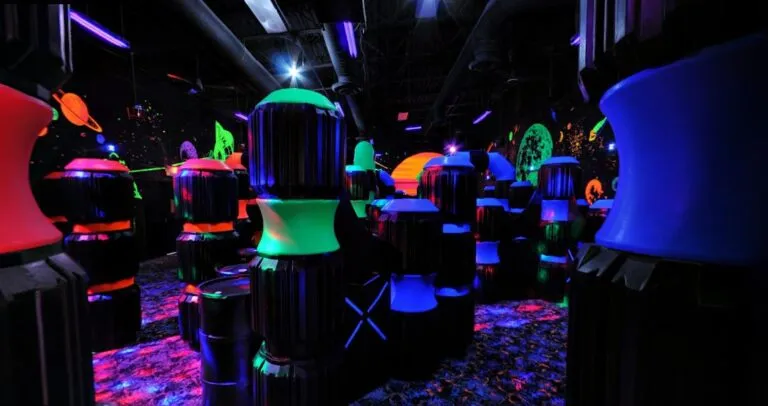
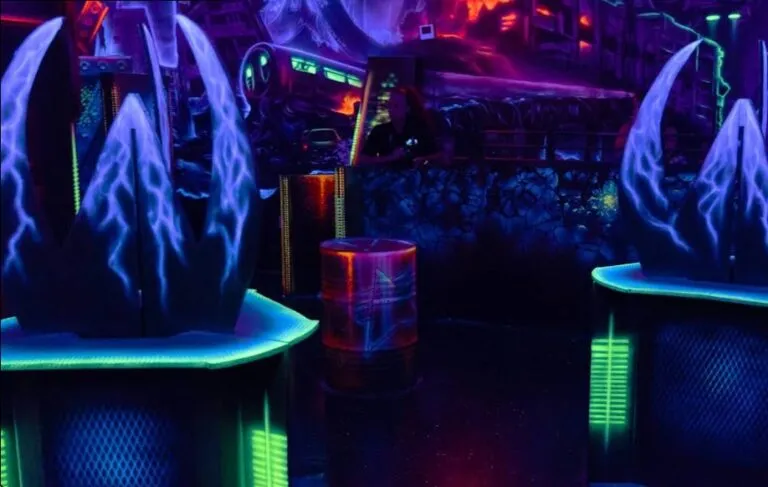
Indoor Venues: Usually housed in climate-controlled facilities, these arenas provide the “classic” experience. They often feature multi-level mazes, fog machines, strobe lighting, and immersive soundscapes. Indoor laser tag is perfect for year-round play, regardless of weather conditions, and offers a more controlled, tactical environment.
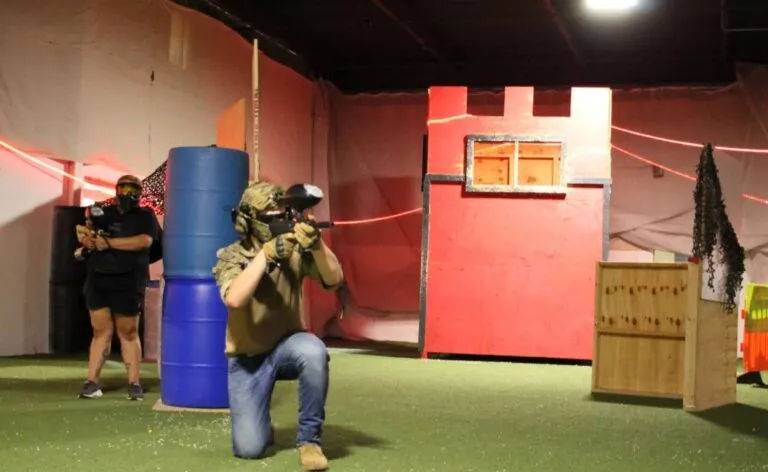
Outdoor Venues: These settings utilize natural topography—such as forests, inflatable barriers, or urban-style “cinderblock” villages—to create a more realistic, military-style simulation. Outdoor play often involves longer distances and more complex terrain, appealing to those who prefer a more rugged experience. The use of long-range infrared sensors in outdoor gear allows for sniper-style gameplay, which is rarely possible in a standard indoor facility.
Ultimately, whether you are dodging neon beams in a dark basement or sprinting through an outdoor woodland course, laser tag remains a premier experience for anyone seeking a blend of physical fitness, tactical depth, and pure, unadulterated fun. It is a testament to how technology can be used to bring people together, fostering community and healthy competition in an increasingly digital world.