El Monte
 Log in
Log in
Log in

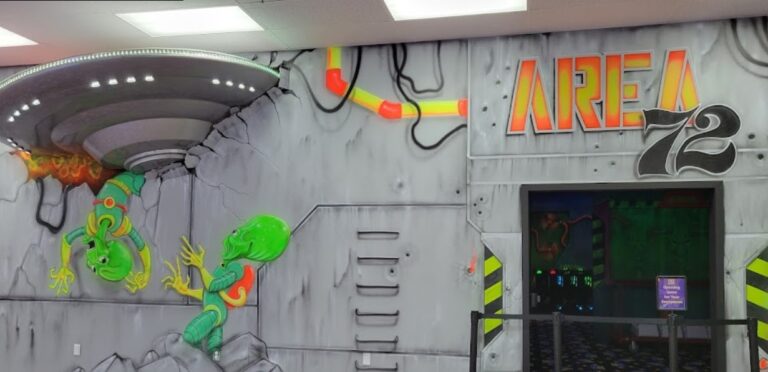
Main Event Indoor Laser Tag arena is located in Waco, TX.
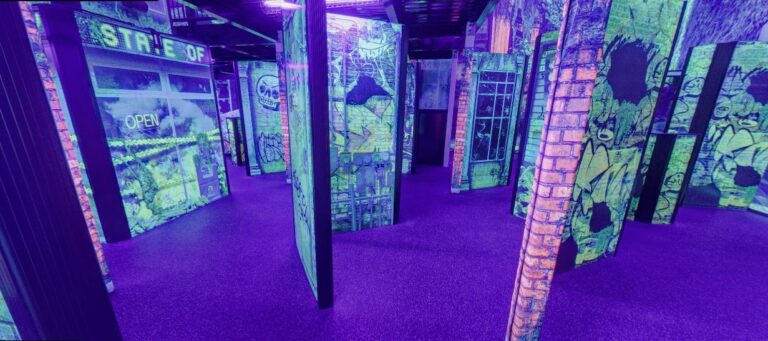
Main Event is a huge entertainment hub where you can spend your weekend or throw a birthday party. These laser-tag battles take place in a multi-story arena with fantasy-like decorations, neon lights, and laborious obstacles. Climb up the towers and rain fire on unsuspecting enemies.
There is also a large recreation area with snacks and drinks to chill after the game. There’s also bowling, pool, VR, mini-golf, a story room, and a ropes course – all available at one single place!
 Indoors
Tilt Studio Richland Indoor Center is located in Waco, TX.
Tilt Studio Richland, located in Waco, TX, is an entertainment destination that offers a variety of interactive experiences for all ages. From arcade games and bowling lanes to virtual reality and laser tag, there’s something for everyone at Tilt. The facility also features a full-service restaurant and bar, making it the perfect spot for a fun night out with friends or family. With its modern and sleek design, Tilt Studio Richland is the ultimate destination for those seeking a unique and exciting entertainment experience.
IndoorsLaser tag is a fast‑paced, team‑oriented game that uses infrared‑based “laser” guns and wearable sensors to simulate a combat experience without any projectiles or physical contact. Players wear a lightweight vest or wristband that registers hits, while the handheld emitters send coded infrared pulses when the trigger is pulled. A central computer system records each hit, tracks scores, and often provides real‑time feedback through audio cues or on‑screen displays. The technology is safe, reusable, and suited to a wide range of ages and skill levels, making laser tag a popular choice for recreation, training, and social events alike.
The versatility of laser‑tag equipment allows organizers to craft a multitude of scenarios that go far beyond a simple “tag‑the‑opponent” game. Commonly used setups include:
Each scenario can be tailored to the size of the venue, the number of participants, and the desired difficulty level, ensuring that laser tag remains fresh and engaging for repeat players.
Beyond sheer entertainment, laser tag delivers a range of physical, mental, and social advantages:
These benefits have prompted educators, fitness professionals, and corporate wellness programs to incorporate laser tag into curricula, team‑building workshops, and health‑promotion initiatives.
Researchers in fields ranging from biomechanics to psychology have examined laser tag as a model for safe, technology‑driven physical play. Studies on motion capture data indicate that a typical laser‑tag session can elevate heart rate to 70‑80 % of maximum, comparable to brisk jogging, while remaining low‑impact enough to reduce injury risk. Cognitive scientists note that the rapid decision‑making required in the game stimulates the prefrontal cortex, enhancing executive functions such as planning and impulse control.
Industry analysts point to laser tag’s growth as part of the broader “experiential entertainment” market. The combination of hardware durability, low operating costs, and the ability to integrate digital scoring systems positions laser tag as a scalable business model for both permanent venues and pop‑up events. Experts also highlight the technology’s potential crossover into training simulations for law enforcement and emergency responders, where realistic engagement without live ammunition is essential.
Laser tag’s appeal cuts across demographic lines, attracting a diverse audience:
For children, laser tag serves as an engaging platform for developing physical fitness and social skills. The game’s rules can be simplified to focus on basic concepts of turn‑taking and fair play, while the vibrant lighting and sound effects capture imaginations. Because the infrared technology eliminates any risk of bruises or cuts, parents feel confident allowing their children to participate in a high‑energy activity that also reinforces respect for personal space and peer interaction.
A laser‑tag birthday party turns a typical celebration into an interactive adventure. Packages often include dedicated game time, themed décor, and customizable mission briefings that align with the birthday child’s interests—whether it’s a superhero showdown or an intergalactic quest. The structured format simplifies planning for parents, while the high‑energy gameplay ensures that guests leave with lasting memories.
Graduation marks a transition, and laser tag offers a playful metaphor for moving forward. Schools and universities occasionally host graduation‑day tournaments that bring together seniors for a final collaborative challenge. The competitive yet cooperative nature of the game mirrors the teamwork students have practiced throughout their academic journey, providing a fitting culmination before they embark on new endeavors.
Corporate events leverage laser tag to break down hierarchical barriers and foster camaraderie. By mixing employees from different departments into mixed‑skill teams, organizations can observe natural leadership emergence and improve cross‑functional communication. Post‑game debriefs allow facilitators to draw parallels between in‑game strategies and workplace dynamics, translating the fun experience into actionable insights for team development.
Laser tag can be enjoyed in a variety of settings, each offering distinct advantages.
Purpose‑built indoor arenas feature darkened rooms, multi‑level platforms, and themed obstacles such as maze walls, tunnels, and neon‑lit corridors. The controlled lighting environment amplifies the visual impact of infrared beams and enhances scoring accuracy. Indoor venues are available year‑round, regardless of weather, and often provide additional amenities such as party rooms, snack bars, and on‑site equipment rental.
Outdoor laser‑tag courses take advantage of natural terrain—forests, abandoned warehouses, or large open fields. The expansive space allows for larger teams and longer engagement distances, while natural obstacles like trees, rocks, and elevation changes add tactical depth. Portable infrared emitters and solar‑powered sensors enable operators to set up temporary arenas at festivals, corporate retreats, or community events. Weather considerations are the primary limitation, but many outdoor setups include shelters or rain‑proof equipment to extend usability.
Some providers blend indoor and outdoor elements by creating “laser‑tag parks” that combine a central dark arena with surrounding open‑air battlegrounds. This hybrid model offers participants the best of both worlds: the immersive visual effects of a dark indoor space and the strategic variety of outdoor terrain. Hybrid venues also accommodate larger gatherings, making them ideal for corporate outings or large birthday celebrations.
Laser tag stands at the intersection of technology, physical activity, and social interaction. Its adaptable scenarios, measurable benefits, and broad appeal have attracted attention from scientists, industry experts, and a wide spectrum of participants—from children seeking adventure to corporations aiming to strengthen teamwork. Whether staged in a sleek indoor arena, a rugged outdoor field, or a hybrid environment, laser tag delivers an engaging experience that encourages movement, strategic thinking, and collaboration. As the entertainment landscape continues to evolve, laser tag’s blend of safety, excitement, and inclusivity ensures it will remain a vibrant option for recreational, educational, and professional contexts for years to come.


 2420 Creekview Dr., Waco, TX 76711, United States