El Monte
 Log in
Log in
Log in

N-tense Sports is a sports facility located in Bowling Green, KY. It offers a variety of indoor sports activities for people of all ages. The facility is equipped with state-of-the-art equipment and has a friendly and welcoming atmosphere.
One of the most popular activities at N-tense Sports is indoor soccer. The facility has a large indoor soccer field that is perfect for both casual and competitive play. The field is made of high-quality turf and is well-maintained to ensure a safe and enjoyable experience for all players.
 Outdoors
Conder’s Paintball is located in Elizabethtown, KY
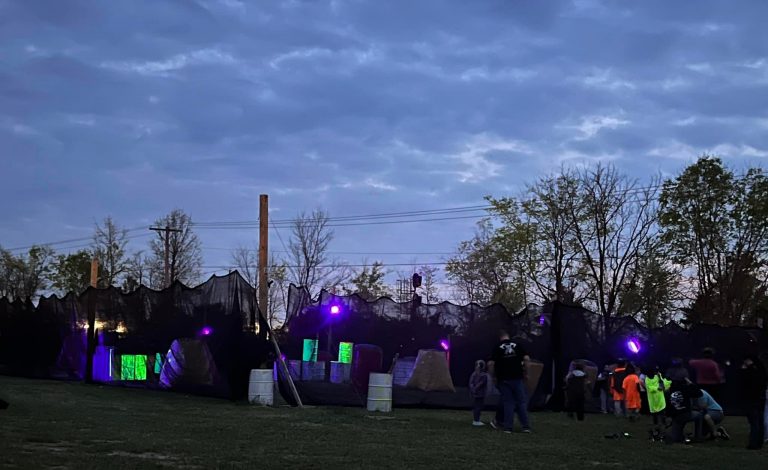
Conder’s Paintball spreads across 80 acres of gaming space sprinkled with a whiff of forest terrain. Here you have both the indoor facility and the outdoor field for speedball, along with a bunch of air bunkers. You also have the choice of fighting in the streets of an abandoned city with over 50 different buildings and guard towers around the perimeter. The forest line is infested with forts with sniper towers for an exhilarating offense and defense.
Conder’s Paintball slays if you need a spot for a birthday, frat party, graduation party, or corporate event! We’ve got a grill bar and an equipment store right on the premises!
OutdoorsEmpire Sports Paintball is located in Lawrenceburg, KY
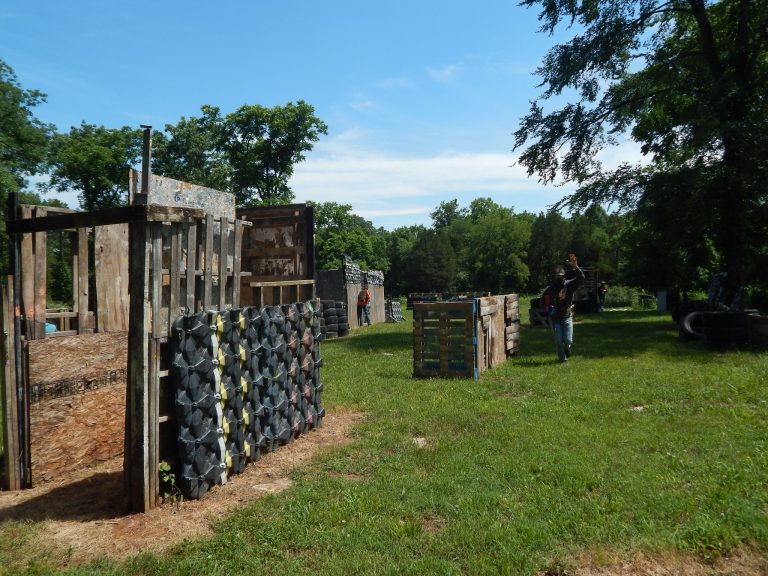
Empire Sports Paintball is a brand new facility with injury-free arenas. Here you have your classic air bunker field for faster-paced battles as well as the ones utilizing barrels and other improvised fortifications. There’s plenty of space to run around, ambush the enemy team, and use any tactic imaginable. Give it all your best to win the battle! Empire Sports will be an awesome place to throw a party, hang out with your family and friends, or have a corporate event!
Outdoors
Paintball is a fast‑paced, adrenaline‑driven sport in which participants—known as “players” or “markers”—use pneumatic or electric guns to launch small, gelatin‑coated capsules filled with non‑toxic dye. When a capsule bursts on impact, it leaves a bright, visible mark that signals a hit. The game can be played in a single‑player “solo” format, in teams of two, three, or more, or in elaborate, story‑driven scenarios that mimic military operations, rescue missions, or fantastical quests. The core appeal lies in the blend of strategy, physical activity, and the sheer thrill of out‑maneuvering an opponent while dodging a barrage of colorful projectiles.
Although the exact regulations vary from one venue to another, most organized fields adhere to a common set of safety and gameplay standards designed to protect participants and keep the action fair.
Safety Equipment Is Mandatory – Every player must wear a full‑face mask that meets ASTM or EN standards, along with protective clothing that covers the torso, arms, and legs. Some venues also require chest protectors, especially for younger players.
Marker Limits – Paintball markers are typically limited to a velocity of 300 feet per second (fps) measured at the muzzle. This cap reduces the risk of serious injury while still delivering a satisfying impact.
Marker Identification – Most fields require a visible marker number or color code, allowing referees and other players to identify who fired a particular shot in the heat of battle.
Hit Confirmation – A player is considered “out” when a paint capsule breaks on their body, clothing, or equipment and the paint is clearly visible. Some fields use “tagging” rules, where a hit on a teammate’s marker or a designated “hit zone” ends the round.
Boundary Enforcement – The playing area is clearly marked, and stepping outside the boundaries results in an automatic penalty, often a temporary removal from the game.
Reloading Procedures – Most indoor venues prohibit “hand‑to‑hand” reloads; players must use a designated reloading station or a hopper attached to the marker. Outdoor fields may allow “mag‑less” reloads, but only under supervision.
No Physical Contact – Paintball is a non‑contact sport. Tackling, pushing, or any form of aggression that isn’t mediated by a paint capsule is strictly forbidden and can lead to immediate disqualification.
Respect for Property – Players must avoid damaging the venue’s structures, foliage, or equipment. Deliberate sabotage is grounds for removal and may result in a monetary fine.
By adhering to these fundamental rules, participants ensure a safe environment in which the competitive spirit can flourish.
Scenarios are the storytelling engine of paintball, turning a simple “capture the flag” skirmish into an immersive experience that can last anywhere from 30 minutes to several hours. They are usually organized by a game master (or “referee”) who sets objectives, distributes equipment, and guides the narrative. Below are some of the most popular scenario formats.
Elimination (Team Deathmatch) – The classic format in which two or more teams compete to eliminate all opponents. The last team standing wins. This scenario emphasizes aggressive tactics and quick reflexes.
Capture the Flag (CTF) – Each side hides a flag, and players must infiltrate the enemy base, retrieve the flag, and bring it back to their own base without being tagged. CTF balances offensive pushes with defensive fortifications.
Zombie Survival – A handful of “infected” players begin the match, and the remainder must survive a set time limit while avoiding infection. When a survivor is hit, they become a zombie, adding a dynamic of escalating pressure.
VIP Escort – One player on each team is designated as the “VIP.” The objective is to protect the VIP while attempting to eliminate the opposing VIP. This scenario fosters teamwork and careful positioning.
Search & Rescue – A “hostage” or “wounded soldier” is placed somewhere on the field. The attacking team must locate and extract the target while the defending team tries to prevent their escape. Timed objectives and stealth become crucial.
Scenario War Games – These elaborate engagements mimic real‑world military operations. Players receive mission briefings, have distinct roles (sniper, medic, demolition expert), and may be tasked with multiple objectives like capturing strategic points, destroying mock equipment, or gathering intelligence.
Scenario organizers often sprinkle in “missions” such as “disable the radio tower” (hit a specific target with a marker), “collect ammo caches,” or “recon the enemy’s perimeter.” By layering goals and variables, scenarios keep experienced players engaged and provide an entry point for newcomers who can focus on a single objective rather than mastering every tactical nuance.
Beyond the sheer enjoyment of darting through a field of obstacles, paintball offers a surprisingly wide array of benefits—physical, mental, and social.
Physical Fitness – Running, crawling, and navigating uneven terrain raise heart rate and improve cardiovascular endurance. The sport also builds core strength, agility, and hand‑eye coordination as players aim, load, and fire under pressure.
Strategic Thinking – Successful teams plan routes, allocate resources, and anticipate opponent moves. This fosters quick decision‑making, situational awareness, and the ability to adapt strategies on the fly.
Teamwork and Communication – Since paintball pits groups against each other, clear, concise communication is essential. Players learn to delegate roles (sniper, point man, support), synchronize attacks, and support teammates in real time.
Stress Relief – The combination of physical exertion and a controlled “combat” environment provides a healthy outlet for tension. The release of adrenaline, followed by the satisfaction of a well‑executed maneuver, can be therapeutic.
Confidence Building – Overcoming fear of being hit, mastering a marker, or leading a squad can boost self‑esteem. Newcomers often leave a session feeling more capable than when they arrived.
Social Bonding – Paintball outings are popular corporate team‑building events, birthday parties, and group outings. Shared experiences on the field create lasting memories and strengthen friendships.
Problem Solving Under Pressure – Unforeseen obstacles—lost ammunition, a sudden ambush, or a broken marker—force players to think on their feet. This hones resilience and resourcefulness.
Paintball’s demographic is remarkably diverse, reflecting its broad appeal across age groups, professions, and cultures.
Young Adults and College Students – For many, paintball serves as a rite‑of‑passage, offering a thrilling break from academic life. Campus clubs often organize leagues and tournaments.
Corporate Teams – Companies use paintball as a high‑energy team‑building exercise, leveraging the sport’s emphasis on communication and strategy to improve workplace collaboration.
Military and Law Enforcement Personnel – Tactical training exercises sometimes incorporate paintball to rehearse urban combat, hostage‑rescue protocols, or crowd‑control scenarios in a low‑risk environment.
Families and Social Groups – Many venues provide “family nights” or “beginner packages” that make the sport accessible to parents and children alike, fostering intergenerational play.
Competitive Athletes – A growing professional circuit, featuring regional leagues and world championships, attracts dedicated players who train year‑round, fine‑tuning their shooting accuracy and physical conditioning.
Adventure Seekers and Outdoor Enthusiasts – Those who enjoy hiking, obstacle courses, or other high‑adrenaline activities often gravitate toward paintball for its blend of outdoor exploration and fast‑paced action.
Paintball can be enjoyed in an array of environments, each offering a distinct flavor of gameplay.
Outdoor Fields – These range from modest woodland clearings to sprawling, purpose‑built arenas that mimic urban streets, abandoned factories, or historic battlefields. Outdoor venues often feature natural obstacles such as trees, hills, and bunkers, which add realism and challenge. The terrain can be mud‑slick, snow‑covered, or sandy, requiring players to adapt to weather conditions. Many fields also host large‑scale scenario events that can run for several hours, sometimes even overnight.
Indoor Arenas – Situated in warehouses, gyms, or purpose‑designed structures, indoor venues provide a climate‑controlled setting, making them ideal for year‑round play. The layout typically consists of inflatable bunkers, stacked pallets, and modular walls that can be rearranged for different game modes. Because the space is confined, indoor games emphasize quick reflexes and close‑quarters tactics. Some indoor facilities offer “laser paintball”—a hybrid that uses infrared markers and paintball to create quieter, lower‑impact games.
Hybrid Venues – A growing number of locations combine indoor and outdoor elements, with a covered arena that opens onto a natural field. This flexibility enables operators to run day‑time outdoor matches and evening indoor bouts, catering to diverse player preferences.
Travel‑Friendly Pop‑Up Fields – For festivals, corporate events, or temporary gatherings, portable paintball setups can be assembled quickly. Modular bunkers, inflatable obstacles, and portable marker stations allow organizers to bring the sport to unconventional venues such as fairs, campuses, or even cruise ships.
Choosing the right venue depends on a player’s goals. Those seeking tactical realism, large‑scale simulations, and a connection with nature gravitate toward outdoor fields with dense foliage and varied topography. Players who prefer fast, contained action, a predictable climate, or a venue that accommodates after‑hours play often select indoor arenas. Regardless of setting, reputable venues prioritize safety, enforce standard rules, and maintain equipment to ensure a consistent, enjoyable experience for all participants.
Paintball is far more than a game of colorful missiles; it is a dynamic sport that blends physical exertion, strategic planning, and immersive storytelling. Its core rules—centered on safety, fair play, and respect for the environment—create a framework within which participants can explore a range of scenarios, from simple team eliminations to complex war‑game narratives. The sport’s benefits span improved fitness, sharper mental acuity, stronger teamwork, and meaningful social connections, making it attractive to a broad spectrum of players, from college students to seasoned professionals.
Whether played amid the rustling leaves of a forested field, inside a high‑tech indoor arena, or during a pop‑up event at a local festival, paintball offers a unique blend of challenge and exhilaration. Its versatility ensures that anyone—regardless of age, background, or experience level—can find a niche that fits their appetite for adventure. As the community continues to expand and venues innovate, paintball remains a vibrant, accessible outlet for those who crave a splash of color, a rush of adrenaline, and the camaraderie that only a shared battlefield can forge.


 2101 Morgantown Rd, Bowling Green, KY 42101