El Monte
 Log in
Log in
Log in

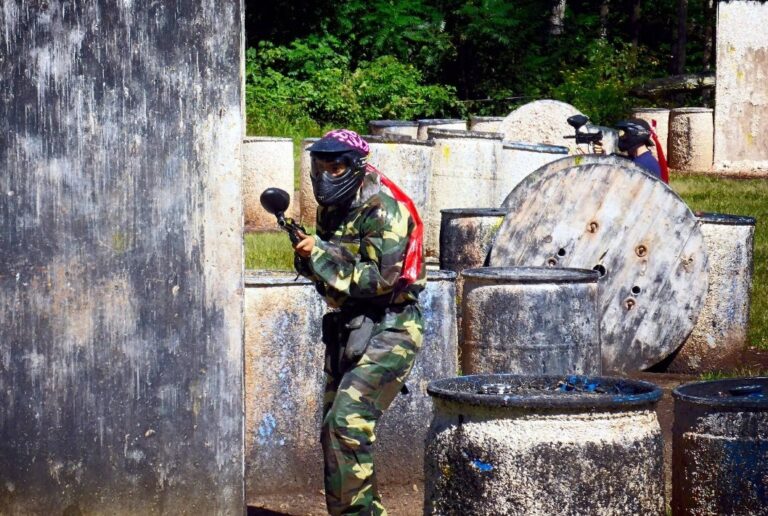
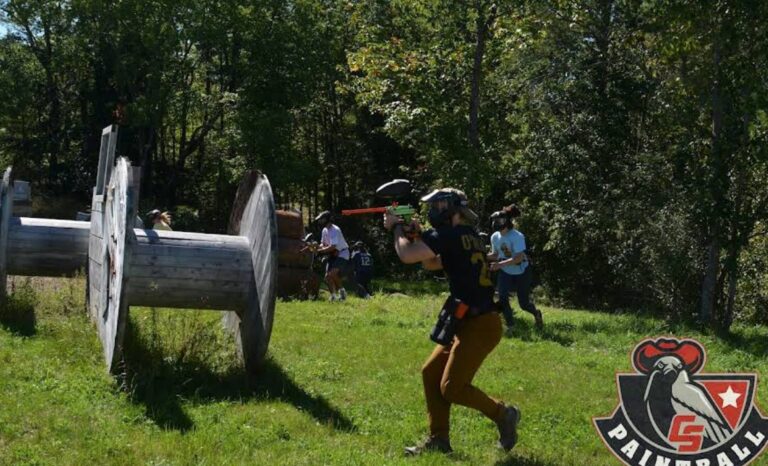
CS Paintball is located on Dover Road in Epsom, New Hampshire, a short drive from Concord and within easy reach of Manchester and the Seacoast. The park offers multiple themed fields, including Speedball, Vietnam, Stock Yard, Mill Yard, Dominion, Tires, and Grim, with classic formats like Capture the Flag and Last Man Standing alongside scenario-based missions and big events such as Escape From New York. Rental gear, paintballs, and free tech support for self-equipped players are available, and the knowledgeable owners bring more than 20 years of combined experience.
The park also hosts private parties for birthdays, corporate outings, and team building, keeping groups together with their own referee. Picnic areas, restrooms, and basic concessions are on site, and parties may bring in pizza, cake, and other foods. With a family-friendly atmosphere welcoming players ages 12 and up, it suits everyone from first-timers to competitive players.
 Outdoors
AG Paintball sits on 28 acres of wooded New Hampshire countryside in Weare, roughly a half-hour drive northwest of Manchester, and is one of the longest-running paintball facilities in the country.
The park offers traditional paintball (12+), low-impact paintball (9+), Paintball Lite (7+), Gellyball (8+), and New Hampshire’s only outdoor laser tag arena, plus the region’s first outdoor cosmic paintball experience. Twelve unique playing fields—from woodland courses to a speedball arena—keep games varied, with rounds lasting about 30 minutes and experienced referees guiding players of all skill levels.
Beyond the games, the park is built for groups: birthday parties, corporate team-building, bachelor and bachelorette parties, school outings, and sports teams all have dedicated packages, and private groups of ten or more get their own referees. An on-site pro shop, marker service, picnic area, and Snackshot outdoor dining round out the experience, making it easy to spend a full day on the property.
OutdoorsPaintball is a fast‑paced, team‑oriented sport in which participants use specially designed markers—commonly called paintball guns—to fire small gelatin capsules filled with non‑toxic, water‑based dye. When a capsule strikes a player’s protective gear or exposed skin, the dye bursts, leaving a visible mark that signals the player has been “hit.” The objective of most games is to eliminate opponents by tagging them, accomplish a specific mission, or capture a designated objective before the opposing side does. Although the equipment and playing field can vary widely, the core concept remains the same: a blend of strategy, athleticism, and controlled, low‑impact combat that encourages quick thinking and teamwork.
While rules can differ between leagues, venues, and game formats, a set of universal principles underpins nearly every paintball match:
Safety Gear Is Mandatory
Every participant must wear a full‑face mask that meets ANSI Z87.1 standards, along with chest protectors, gloves, and appropriate clothing (long‑sleeved shirts, pants, and sturdy footwear). This gear protects players from the high‑velocity impact of paintballs.
Markers Must Be Within Legal Limits
Paintball markers are regulated by muzzle velocity. Most fields enforce a maximum of 300 feet per second (fps) for standard play, with lower limits for younger players or beginner zones. Chronographs are used on site to verify compliance.
Hits Are Instantaneous
A player is considered “out” the moment a paintball breaks on any part of the body or equipment that is not covered by a barrier. In many formats, the player must raise a hand and walk to a designated “respawn” area before rejoining the game.
Game Boundaries Must Be Respected
The playing area is clearly marked, and crossing the boundary line results in a penalty—usually an immediate out. This rule preserves the integrity of the field and prevents players from gaining an unfair advantage.
No Physical Contact
Paintball is a non‑contact sport. Any deliberate physical aggression, such as pushing, tackling, or weapon handling without a marker, leads to disqualification.
Marker Maintenance
Players must keep their markers in good working order, ensuring that barrel plugs are in place when the gun is not in use and that all air tanks are securely attached. Malfunctioning equipment must be reported to referees immediately.
Respect the Referee
Officials oversee the match, enforce rules, and settle disputes. Their decisions are final, and players must obey them without argument.
These guidelines create a safe, fair, and enjoyable environment for both newcomers and seasoned veterans.
The versatility of paintball lies in its ability to accommodate a wide array of scenarios, each tailored to different skill levels, strategic preferences, and thematic interests. Below are several popular formats that illustrate the sport’s breadth.
Often referred to as “capture the flag” or simply “elimination,” this format pits two teams against each other in a free‑for‑all battle. The goal is to eliminate all opponents or reduce their numbers to a predetermined threshold. The simplicity of the rules makes it ideal for beginners and large groups.
Scenario paintball blends sport with storytelling. Organizers craft elaborate narratives—ranging from post‑apocalyptic survival to historical battles—complete with objectives, role‑playing elements, and sometimes props such as simulated explosives or “medic” stations. These games can last anywhere from a few hours to an entire weekend, offering a deeper immersion than standard matches.
In objective‑oriented formats, teams must accomplish specific tasks, such as securing a flag, defending a bunker, or retrieving a “intel” package. Success depends on coordinated tactics, communication, and time management. Popular variations include “King of the Hill,” where control of a central zone yields points, and “Attack/Defend,” which assigns one side the duty of protecting a location while the other attacks.
Speedball is a fast‑paced, arena‑style game played on a compact field marked with inflatable bunkers and obstacles. The layout is symmetrical, promoting quick decision‑making and high‑intensity action. Speedball is the format most commonly seen in televised tournaments and is favored by competitive players seeking rapid, skill‑centric play.
Many law‑enforcement and military units employ paintball as a low‑risk training tool. Simulated combat scenarios allow participants to practice tactical movement, communication, and decision‑making under stress without the dangers associated with live ammunition.
These scenarios demonstrate paintball’s adaptability, catering to casual recreational play, competitive sport, and professional training alike.
Beyond sheer entertainment, paintball offers a spectrum of physical, mental, and social benefits that make it valuable across age groups and professions.
The sport demands running, sprinting, crouching, and navigating uneven terrain, providing a full‑body workout. Players develop cardiovascular endurance, agility, and muscular strength, particularly in the legs, core, and upper body.
Strategic planning, quick decision‑making, and real‑time problem solving are integral to successful play. Participants constantly assess opponent positions, anticipate movements, and adjust tactics on the fly, sharpening situational awareness and mental agility.
Most paintball formats require coordinated efforts. Players must share information, delegate roles (e.g., sniper, medic, scout), and execute collective strategies. This collaborative environment fosters leadership skills, trust building, and effective communication—assets both on and off the field.
The adrenaline rush and focus required during a match can serve as a healthy outlet for stress. The physical exertion releases endorphins, while the immersive nature of the activity offers a temporary escape from everyday pressures.
Because paintball simulates confrontational scenarios in a controlled setting, it teaches participants to manage conflict, stay calm under pressure, and make ethical decisions. These lessons translate well into workplace dynamics and personal relationships.
Overall, paintball functions as a multifaceted tool for improving health, enhancing mental sharpness, and fostering social cohesion.
The demographic landscape of paintball is remarkably diverse, reflecting its broad appeal.
Adolescents and Young Adults
High school and college students often form the core of recreational leagues. For many, paintball serves as a social outlet and a way to develop teamwork skills outside the classroom.
Corporate Teams
Companies increasingly use paintball for team‑building exercises, leveraging its collaborative nature to strengthen employee bonds and improve problem‑solving capabilities.
Military and Law‑Enforcement Personnel
As noted earlier, tactical units employ paintball for training, benefiting from realistic scenarios without lethal risk.
Families and Casual Players
Many venues offer “family days” or beginner packages, allowing parents and children to enjoy the sport together in a safe, supervised environment.
Competitive Athletes
A growing e‑sport‑like circuit features professional paintball players who travel internationally to compete in high‑stakes tournaments, often with sponsorships and media coverage.
The sport’s inclusive nature—combined with varied difficulty levels and venue options—ensures that anyone from a curious first‑timer to a seasoned prospector can find a suitable entry point.
Paintball facilities span a wide range of settings, each offering distinct experiences.
Outdoor venues typically cover acres of natural terrain—forests, hills, abandoned structures, or open fields. These sprawling environments accommodate large‑scale scenario games and provide realistic obstacles such as trees, rocky outcrops, and improvised bunkers. Because the terrain is often variable, players must adapt to changing visibility, weather conditions, and terrain challenges, adding an extra layer of strategic depth.
Indoor paintball parks—often called “speedball arenas”—feature compact, symmetrical layouts lined with inflatable bunkers. The controlled lighting, climate, and surface conditions create a predictable environment ideal for fast, competitive play. Indoor venues are especially popular in urban areas where space is limited, allowing players to enjoy the sport year‑round regardless of weather.
Some modern complexes blend indoor and outdoor elements. For example, a venue may house an indoor speedball arena for tournaments and a nearby outdoor field for scenario games. Hybrid sites often provide rental gear, on‑site pro shops, and dedicated training zones for beginners.
Event organizers occasionally set up temporary paintball courses at festivals, fairs, or corporate retreats. Using portable bunkers and modular obstacles, these pop‑up fields bring the game to audiences that might not otherwise seek out a permanent venue.
When selecting a location, players should consider factors such as the desired game format, the level of competition, accessibility, and safety standards. Reputable fields maintain strict equipment checks, provide thorough safety briefings, and employ certified referees to ensure an optimal experience.
Paintball stands at the intersection of sport, strategy, and social interaction. Its simple premise—shooting dye‑filled capsules to tag opponents—unfolds into a rich tapestry of rules, scenarios, and benefits that cater to a wide spectrum of participants. From the adrenaline‑fueled intensity of speedball arenas to the immersive storytelling of scenario battles, paintball offers physical conditioning, mental sharpening, and collaborative growth. Whether a teenager seeking adventure, a corporate team pursuing cohesion, or a tactical unit refining skills, paintball delivers an engaging, safe, and adaptable platform for personal and collective development. As the sport continues to evolve with new technologies, venues, and formats, its core appeal—teamwork, strategy, and the thrill of friendly competition—remains timeless, inviting anyone willing to step onto the field and embrace the colorful challenge.


 2137 Dover Rd, Epsom, NH 03234,