Sorry. We don’t know any paintball locations in this city yet
Best of the best Paintball in Rockford, IL
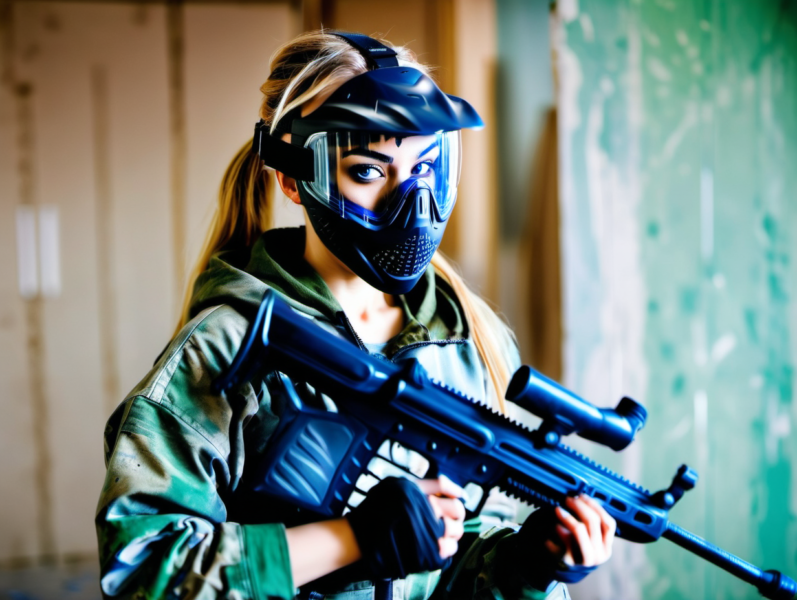
Paintball is a competitive sport in which participants use low‑velocity air‑powered markers to shoot gelatin capsules filled with water‑based paint. When a capsule strikes a player’s protective gear, the paint bursts and leaves a visible mark, signaling a hit. The game can be played on a variety of terrains—from dense forested fields to purpose‑built indoor arenas—using a wide range of equipment, including masks, padded vests, and specialized paint‑filled “bottles.” Although the basic premise is simple, modern paintball has evolved into a highly tactical activity that blends elements of military simulation, team sport, and adrenaline‑driven recreation.
General Paintball Rules
Although specific rule sets may vary between leagues and venues, most paintball matches adhere to a core set of guidelines designed to promote safety, fairness, and fun.
Safety Gear Is Mandatory – Every player must wear an approved mask at all times while on the field. Most venues also require padded clothing, chest protectors, and gloves.
Markers Must Be Regulated – Paintball markers are limited to a maximum muzzle velocity, typically 300 feet per second (≈ 91 m/s) for indoor play and 280 fps for outdoor fields. This restriction reduces the risk of serious injury.
Hit Confirmation – A player is considered “out” when paint from a projectile visibly contacts the body or any part of the protective gear. Some venues use electronic sensors, but visual confirmation remains the standard.
No Physical Contact – Hand‑to‑hand combat, tackling, or any form of physical aggression is prohibited. The game is won through strategy and accurate shooting, not brute force.
Boundary Enforcement – The playing area is clearly marked, and crossing the boundary lines usually results in an immediate penalty or ejection from the match.
Load Limits – Players typically carry a limited number of paint‑filled bottles—commonly 10 to 20—so that they must manage ammunition efficiently.
Sportsmanship – Good conduct is expected at all times. Unsportsmanlike behavior, such as deliberately aiming at a mask or harassing opponents, can lead to disqualification.
These fundamentals create a level playing field while allowing both casual newcomers and seasoned competitors to enjoy the sport safely.
Paintball Scenarios
The flexibility of paintball’s environment makes it ideal for a wide array of scenarios, each designed to test different skills.
1. Capture the Flag
Two teams vie to retrieve the opponent’s flag while defending their own. This classic mode emphasizes speed, coordination, and strategic positioning.
2. Elimination (Team Deathmatch)
All players start alive, and the objective is to eliminate the opposing team. The match ends when one side has no remaining players. Quick reflexes and accurate shooting are paramount.
3. King of the Hill
A single “hill” or control zone is designated on the field. Teams fight to occupy and hold the area for a set amount of time, fostering intense, close‑quarters combat.
4. Scenario Games
These immersive experiences can span several hours and incorporate storylines, objectives, and props (e.g., rescue missions, zombie outbreaks, or historical battles). Scenario games blend role‑play with tactical paintball, appealing to players who enjoy narrative depth.
5. Speedball
Played on a small, symmetrical field with inflatable bunkers, speedball focuses on rapid movement and constant engagement. It is the format most commonly seen in professional tournaments and televised events.
Each scenario highlights a different facet of teamwork, strategic planning, and physical endurance, ensuring that paintball remains fresh and challenging for repeat players.
What Is Paintball Good For?
Beyond the obvious thrill, paintball offers a suite of benefits that extend into personal development, health, and even professional environments.
Physical Fitness – Running, crouching, and sprinting across varied terrain provide a full‑body workout, improving cardiovascular health, agility, and muscular endurance.
Stress Relief – The high‑intensity nature of a match releases endorphins, helping participants unwind and reduce daily stressors.
Team‑Building – Success depends on clear communication, role allocation, and collective decision‑making, mirroring the dynamics of effective workplace teams. Many corporations use paintball as an off‑site team‑building exercise.
Strategic Thinking – Players must assess terrain, anticipate opponent moves, and adapt strategies on the fly, sharpening problem‑solving skills.
Confidence Building – Overcoming the fear of getting “hit” and mastering the marker’s handling can boost self‑esteem, especially for newcomers.
Social Interaction – Paintball fosters camaraderie among diverse groups, creating lasting friendships across age, gender, and cultural lines.
These advantages make paintball a multidimensional activity that resonates with both recreational seekers and professionals looking for experiential learning tools.
Who Plays Paintball?
Paintball’s appeal transcends demographic boundaries, attracting a mosaic of participants.
Youth and College Students – High schools and universities often host intramural leagues, using paintball to encourage physical activity and teamwork among students.
Corporate Teams – Companies book private fields for team‑building retreats, leveraging the sport’s collaborative demands to strengthen employee cohesion.
Military and Law‑Enforcement Personnel – Tactical training programs incorporate paintball to simulate combat scenarios in a low‑risk setting, honing decision‑making under pressure.
Adventure Enthusiasts – Outdoor lovers seeking an adrenaline surge enjoy the sport’s blend of strategy and physical exertion.
Family Groups – Many venues offer family‑friendly sessions with lower marker velocities and shorter game formats, making paintball accessible to multiple generations.
Professional Players – A growing competitive circuit features full‑time athletes who travel internationally for tournaments, sponsorships, and league play.
The sport’s flexibility—offering both casual “pay‑as‑you‑go” sessions and highly structured leagues—ensures that anyone with an interest in competitive, fast‑paced play can find a suitable entry point.
Scientists and Industry Experts’ View on Paintball
Researchers and industry analysts generally regard paintball as a safe, beneficial activity when proper guidelines are followed.
Safety Studies – Biomedical research confirms that, with mandated protective equipment, the incidence of serious injuries is exceedingly low. Most reported injuries are minor abrasions or bruises.
Physical‑Activity Research – Exercise physiologists note that a typical hour of paintball can burn 400–600 kcal, comparable to moderate‑intensity sports such as soccer or basketball.
Psychological Impact – Cognitive psychologists highlight paintball’s role in enhancing situational awareness and rapid decision‑making, skills transferable to high‑stress professions.
Economic Perspective – Market analysts project steady growth for the paintball industry, driven by expanding indoor facilities, rising interest in experiential entertainment, and increasing corporate demand for team‑building solutions.
Environmental Concerns – Some ecologists caution about the ecological impact of paintball fields, especially regarding soil compaction and paint residue. In response, manufacturers have developed biodegradable paint capsules that decompose within weeks, mitigating long‑term environmental effects.
Overall, the consensus underscores paintball’s positive contribution to health, skill development, and the recreation economy, while encouraging continued adherence to safety and sustainability standards.
Where to Play Paintball? Outdoor and Indoor Venues
Paintball’s versatility allows it to thrive in both natural and artificial environments, each offering distinct experiences.
Outdoor Fields
Woodland Arenas – Set among trees, brush, and natural obstacles, these fields provide realistic cover and varied elevation, ideal for scenario games and tactical training.
Open‑Field Speedball – Large, flat terrains equipped with inflatable bunkers create fast‑paced matches with high visibility, perfect for competitive leagues.
Adventure Parks – Some outdoor recreation centers integrate paintball into a broader suite of activities, such as zip‑lining and obstacle courses, delivering a full‑day adventure package.
Outdoor venues often require players to bring additional gear (e.g., long‑sleeved clothing, mosquito repellent) due to weather and terrain considerations, but they reward participants with immersive, expansive battlefields.
Indoor Facilities
Arena‑Style Centers – Climate‑controlled spaces filled with inflatable obstacles, maze‑like structures, and multi‑level platforms enable rapid, high‑intensity games regardless of weather.
Scenario Rooms – Some indoor venues construct themed rooms (e.g., space stations, historical forts) that host scenario‑based events, allowing for intricate storytelling in a compact footprint.
Corporate Pods – Dedicated rooms equipped for team‑building exercises provide private sessions for businesses, often coupled with post‑game debriefing rooms.
Indoor locations excel at delivering consistent conditions, quick turnover between matches, and accessibility for urban populations where large outdoor fields may be scarce.
Regardless of the setting, players should verify that the venue complies with safety standards—such as regulated marker velocity, proper ventilation (for indoor sites), and comprehensive first‑aid provisions—before booking a session.
Conclusion
Paintball has transformed from a niche pastime into a globally recognized sport that blends physical exertion, strategic depth, and social interaction. By adhering to well‑defined safety rules, embracing a variety of game scenarios, and capitalizing on its proven benefits—from fitness to teamwork—paintball continues to attract a broad spectrum of participants, ranging from adolescents to seasoned professionals. Scientific research and industry analysis affirm its low injury rates, health advantages, and economic viability, while environmental innovations address sustainability concerns. Whether on a forested outdoor field or within a compact indoor arena, the sport offers a dynamic platform for recreation, training, and personal growth. As interest expands and technology advances, paintball is poised to remain a vibrant, engaging activity for years to come.

 El Monte
 Log in