El Monte
 Log in
Log in
Log in

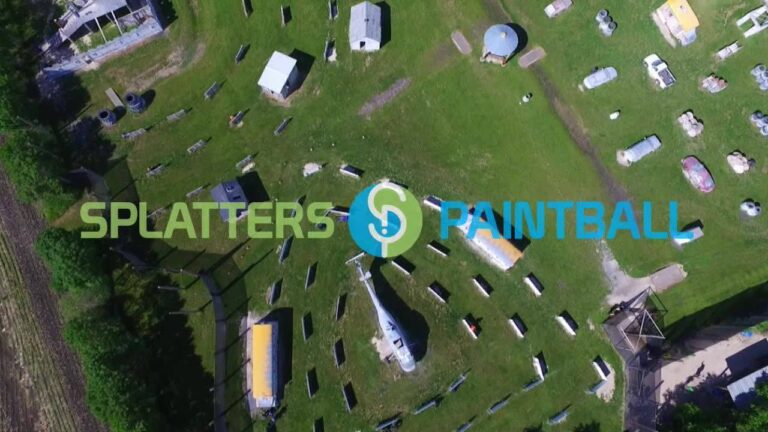
Splatters Paintball Outdoor Paintball is located in New Bothwell, MB.
Splatters Paintball.com is a paintball facility located in New Bothwell, Manitoba. It offers an exciting outdoor experience for thrill-seekers and paintball enthusiasts, providing a variety of game scenarios and equipment rentals for those looking to enjoy this action-packed sport.
 Indoors
Xtreme Tactics Outdoor Paintball is located in Winnipeg, MB.
Xtreme Tactics in Winnipeg, MB offers an exciting paintball experience for thrill-seekers. With various game scenarios and state-of-the-art equipment, this paintball facility provides a fun and challenging environment for players of all skill levels to enjoy.
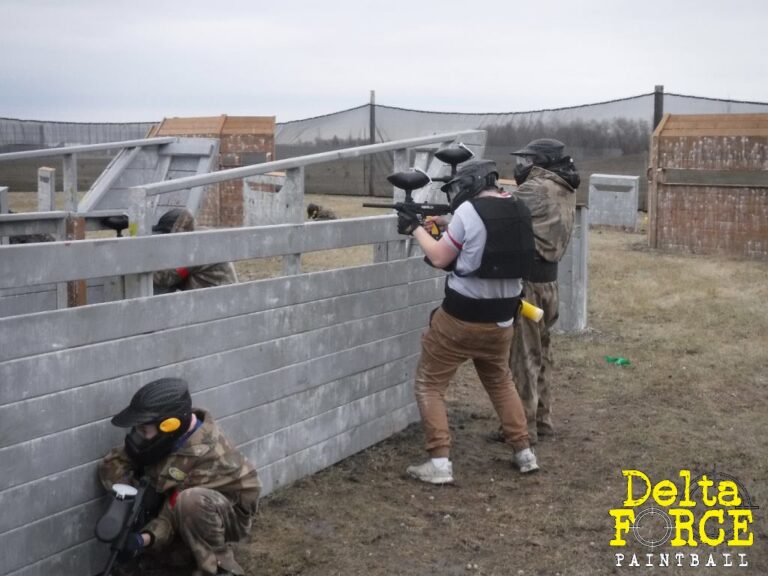
IndoorsDelta Force. Located on the outskirts of Winnipeg, Delta Force Paintball has quickly become one of Manitoba’s premier paintball venues.
Paintball has been a favourite hobby of many Manitobans for years and now Delta Force Paintball has been added to the list of great paintball fields to play at. Located just 15 minutes away from Winnipeg CBD, it’s quickly become a favorite destination for experienced and novice players.
Delta Force Paintball combines top-notch equipment with an engaging atmosphere that leads to an unforgettable experience. Players feel like they’ve been transported into a different world as the facility is equipped with inflatable bunkers, realistic props, and plenty of tactical challenges for each level of player.
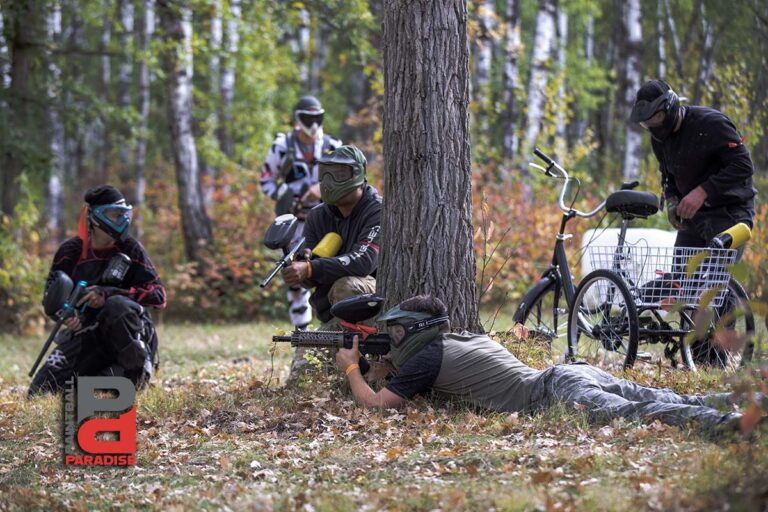
IndoorsPaintball Paradise – Indoor & Outdoor Paintball Park & Store Winnipeg is located in West Saint Paul, MB.
Paintball Paradise is a thrilling indoor and outdoor paintball park and store located in West Saint Paul, Manitoba. Offering an exciting experience for players of all ages and skill levels, this facility provides top-notch equipment, challenging game scenarios, and a safe environment for adrenaline-pumping fun. With a well-stocked store for all your paintball needs, Paintball Paradise is the ultimate destination for paintball enthusiasts in Winnipeg and the surrounding areas.
Indoors Outdoors
Paintball is a fast‑paced, team‑oriented sport in which participants use low‑velocity air‑powered markers—commonly called “paintball guns” or “markers”—to shoot small gelatin capsules filled with non‑toxic, water‑based paint. When a capsule bursts on impact, a vivid splash of color marks the target, indicating a hit. The game can be played in a wide range of environments, from densely wooded forests to compact indoor arenas, and it can be adapted to suit casual recreational play, competitive leagues, or tactical training simulations. Because the projectiles are designed to break on contact, the sport emphasizes strategy, teamwork, and quick decision‑making rather than brute force.
While individual fields may introduce minor variations, the core rules that govern most paintball matches are remarkably consistent. Players must always wear approved protective gear, the most critical piece being a full‑face mask that meets safety standards. A marker must be set to a velocity not exceeding the limit imposed by the venue—usually around 300 feet per second (fps)—to prevent serious injury.
A player is considered “out” when a paintball breaks on any part of the body, clothing, or equipment that is not covered by protective gear. Upon being hit, the player must raise their hand and exit the playing field or move to a designated “dead zone” until the next round begins. Some formats allow “respawn” rules, where eliminated players can return after a short timeout or by completing a specific task, but this must be agreed upon before the game starts.
A typical match consists of a set time period (often 10–15 minutes) or a predetermined objective (such as capturing a flag). The referee or field staff monitors compliance with safety regulations, resolves disputes, and ensures that markers remain within the approved velocity range. In addition, players are prohibited from modifying markers to exceed speed limits, removing safety devices, or using non‑paintball ammunition. Violations typically result in immediate disqualification.
The flexibility of the sport lies in its ability to transform a simple field into countless scenarios that test different skill sets. Below are some of the most popular formats:
Capture the Flag – Two teams defend a flag while attempting to retrieve the opponent’s flag and bring it back to their base. This classic scenario emphasizes both offensive pushes and defensive holds.
Elimination (or “Last Man Standing”) – Every player is an individual combatant; the goal is to be the last player remaining on the field. This format rewards stealth, positioning, and precise shooting.
Objective‑Based Missions – Players must complete a series of tasks, such as planting a “bomb” (a timed device), rescuing a hostage, or securing control points. These missions often incorporate role‑playing elements and require clear communication.
Scenario/Story‑Driven Games – Large‑scale events may span several acres and simulate real‑world conflicts, historic battles, or futuristic skirmishes. Participants might be assigned roles like “sniper,” “medic,” or “engineer,” each with unique objectives.
Speedball – Played on a compact, symmetrical arena with inflatable bunkers, speedball is the format most commonly seen in professional leagues. The focus is on rapid movement, quick reloads, and high‑intensity firefights.
Each scenario can be tweaked with additional rules—such as limited ammunition, mandatory reload zones, or “hard cover” that can only be breached after a certain number of hits—to keep the experience fresh and challenging.
Beyond the obvious thrill of dodging colorful projectiles, paintball offers a suite of physical, mental, and social benefits. Physically, the sport provides a vigorous full‑body workout: players sprint, crouch, climb, and maneuver through uneven terrain, developing cardiovascular endurance, agility, and core strength. The rapid, repeated motions also improve hand‑eye coordination and reaction time.
Mentally, paintball functions as an active problem‑solving exercise. Players must assess the layout of the field, anticipate opponents’ moves, and make split‑second decisions under pressure. This dynamic environment nurtures strategic thinking, situational awareness, and the ability to remain calm during high‑stress moments.
From a social perspective, paintball is inherently collaborative. Teams must communicate clearly, delegate responsibilities, and trust each other’s abilities. This fosters leadership skills, builds camaraderie, and can translate into improved teamwork in workplace or academic settings. Moreover, the sport’s inclusive nature—players of varying ages, fitness levels, and backgrounds can participate—creates a community bound by shared excitement.
Finally, many law‑enforcement, military, and security agencies use paintball as a low‑risk training tool. Simulated engagements allow trainees to practice tactical movement, cover utilization, and command‑and‑control procedures without the dangers associated with live ammunition.
Paintball’s appeal cuts across demographic lines. Young adults, often ranging from late teens to early thirties, constitute the core recreational market, drawn to the adrenaline and social interaction. However, the sport also attracts older enthusiasts who appreciate the strategic depth and physical challenge it offers. Corporate groups frequently organize paintball outings as team‑building exercises, leveraging the sport’s collaborative demands to strengthen workplace dynamics.
Military personnel and law‑enforcement officers routinely incorporate paintball into their training regimens, using it as a cost‑effective method to rehearse urban combat tactics and squad coordination. Additionally, competitive leagues have cultivated a niche of semi‑professional players who travel regionally for high‑stakes tournaments, earning sponsorships and media coverage.
The accessibility of the sport—thanks to “pay‑as‑you‑go” rental options, beginner-friendly introductory packages, and a growing network of family‑oriented fields—ensures that newcomers can experience paintball without a substantial upfront investment. As a result, the player base continues to expand, encompassing casual weekend warriors, serious athletes, and professionals alike.
The scientific community has investigated paintball from several angles, primarily focusing on safety, biomechanics, and psychological impact. Biomedical researchers have confirmed that, when played with proper protective equipment and within regulated velocity limits, paintball carries a relatively low risk of serious injury. Most reported incidents involve superficial bruises, sprains, or facial abrasions, which are generally mitigated by the mandatory use of full‑face masks and padded clothing.
From an ergonomic standpoint, studies on marker design have highlighted advancements in recoil reduction, trigger sensitivity, and weight distribution. These improvements not only enhance accuracy but also decrease fatigue during prolonged matches, allowing players to maintain high performance levels without excessive strain on the shoulder girdle and forearm muscles.
Psychologists have examined the sport’s effect on stress response and teamwork. Research indicates that the controlled, competitive environment of paintball can elevate cortisol levels temporarily, mirroring the physiological response seen in other high‑intensity activities. However, the subsequent release of endorphins and the sense of achievement often lead to reduced perceived stress post‑match. Moreover, participants consistently report heightened trust and cohesion with teammates after completing collaborative objectives, underscoring paintball’s utility as a team‑building instrument.
Industry experts emphasize the importance of standardization and responsible regulation. The International Paintball Federation (IPF) and various national bodies have established guidelines for marker performance, field safety, and player conduct. By adhering to these standards, manufacturers can innovate while preserving the sport’s safety record, and venue operators can deliver consistent, high‑quality experiences to their clientele.
Paintball can be enjoyed in a variety of settings, each offering distinct tactical challenges and atmospheres.
Natural terrain provides the most immersive experience for players seeking realistic combat scenarios. Forested fields use trees, boulders, and uneven ground to create organic cover and hidden pathways. Some venues incorporate man‑made structures such as bunkers, towers, and simulated buildings, enabling a blend of natural and artificial obstacles. Large outdoor sites often span several acres, allowing for expansive “scenario” games that may last multiple hours and involve complex objectives.
Mountainous or desert locations add environmental factors like altitude, heat, and wind, which can affect marker performance and paintball trajectory. These conditions compel players to adapt their strategies, making outdoor play a test of both physical endurance and tactical flexibility.
Indoor paintball facilities—commonly referred to as “speedball arenas”—are designed for high‑intensity, fast‑paced matches. The playing area is typically a square or rectangular field bounded by inflatable bunkers that can be rearranged to create new layouts. The controlled environment eliminates weather variables, ensuring consistent marker performance and reliable paintball flight.
Because of the compact dimensions, indoor arenas favor rapid decision‑making, close‑quarters combat, and precise shooting. The bright lighting and vibrant color schemes enhance visual clarity, making it easier for newcomers to track hits and for spectators to follow the action. Many indoor venues also offer party rooms, equipment rentals, and coaching sessions, catering to groups ranging from birthday celebrations to corporate team‑building events.
Some modern paintball complexes blend indoor and outdoor elements, providing a seamless transition between open fields and enclosed arenas. Players might start a scenario in a forested area, then move into a built‑up “urban” zone housed within a large warehouse. This hybrid approach expands the tactical possibilities and keeps the experience fresh for repeat visitors.
When selecting a venue, prospective players should consider factors such as field size, terrain type, equipment availability, safety policies, and the presence of certified referees. Many fields also host leagues, tournaments, and specialty events, offering opportunities for both casual play and competitive advancement.
Paintball has evolved from a niche recreational activity into a multifaceted sport that blends physical exertion, strategic depth, and social interaction. Whether played on a sun‑drenched hillside, within a bright indoor arena, or in a meticulously crafted scenario that mirrors real‑world missions, the game continues to attract a diverse audience. With ongoing research reinforcing its safety profile and highlighting its benefits for teamwork and stress management, paintball stands poised to remain a popular choice for adventure seekers, professional trainees, and anyone looking to experience the exhilaration of color‑filled combat in a controlled, engaging environment.


 24131 MB-311 #24131, New Bothwell, MB R0A 1C0, Canada