El Monte
 Log in
Log in
Log in

Ridgeline Airsoft is located in Springville, AL
Ridgeline Airsoft is a complex with two themed game zones. Two large open spaces are well equipped with various fortifications.
Jungle fever – a medium-sized arena with barrels and hay stacks pinned all around it. Here you will find a lot of wooden shacks and walls to hide behind and prepare for the attack.
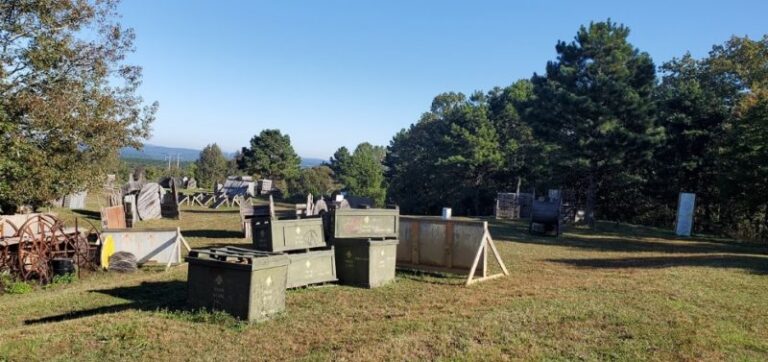
Jungyard – a huge field covered with all kinds of ragged and abandoned vehicles that you can climb inside of.
There’s also a nice BBQ area near the lake for you to crash after an exhilarating game and chill with your friends and rivals, chatting about life and the well-played game.
 Outdoors
Ohatchee airsoft field is located in Ohatchee, AL
Ohatchee airsoft field is a recreational facility for airsoft enthusiasts situated in Ohatchee, Alabama. The field provides an opportunity to play and compete in airsoft games in a safe and controlled environment. The facility includes a variety of obstacles, structures, and terrain features designed to provide players with a thrilling and challenging experience. Whether you’re a beginner or an experienced player, Ohatchee airsoft field offers an excellent location for practicing skills and enjoying the sport. The facility regularly hosts events and tournaments throughout the year, attracting players from across the region.
OutdoorsAirsoft is a recreational activity that places participants in the role of soldiers, law‑enforcement officers, or even futuristic combatants, using replica firearms that fire lightweight plastic BBs. The sport is built on three pillars that set it apart from other tactical pastimes: realism, teamwork and strategy, and an ever‑growing variety of game modes.
Realism is achieved through painstaking attention to detail. Modern airsoft replicas mimic the weight, ergonomics, and external appearance of their real‑world counterparts. Players often dress in camouflage, tactical plates, and load‑bearing equipment, turning a simple skirmish into a believable “military‑like” experience. The tactile feel of a properly balanced rifle, the click of a magazine change, and the audible “pop” of a gas‑powered pistol all combine to make the scenario feel authentic without the lethal consequences of live fire.
Teamwork and strategy are the heart of every match. Unlike paintball, where a single well‑placed shot often decides the outcome, airsoft’s lower projectile velocity and higher ammunition capacity encourage players to think several moves ahead. Squads must coordinate movement, allocate roles such as point man, sniper, or support gunner, and communicate silently through hand signals or low‑volume radios. Successful teams balance aggressive pushes with disciplined fire‑and‑movement, leveraging cover, flanking routes, and controlled retreats. In this way, airsoft becomes a practical lesson in leadership, decision‑making, and collaborative problem solving.

Variety of game modes keeps the sport fresh. Classic “capture the flag” or “team deathmatch” provide familiar objectives, while more elaborate scenarios—such as “hostage rescue,” “VIP escort,” “military simulation (MilSim) raids,” and “objective‑based assault”—require players to adhere to scripted events, time limits, and mission‑specific rules. Some fields even incorporate role‑playing elements, where players receive briefing packets, intelligence updates, and mission‑specific gear. This breadth of formats means that whether a newcomer seeks fast‑paced action or a deep, narrative‑driven experience, airsoft can accommodate the desire.
Customization further enriches the hobby. Airsoft replicas can be outfitted with rail accessories, adjustable hop‑up units, upgraded springs, and precision barrels. External modifications—such as tactical lights, laser sights, foregrips, and suppressors—allow players to tailor weapons to their personal play style and the demands of a particular game mode. Outside the gun, players often modify vests, plate carriers, and load‑bearing equipment, adding pouches, hydration packs, and modular attachment points. This culture of tinkering draws in hobbyists who enjoy engineering, 3D printing, and paint‑job artistry, turning each piece of gear into a personal statement.
Community ties all these elements together. Airsoft clubs organize weekly matches, host training days, and facilitate equipment swaps. Online forums and social media groups allow enthusiasts to discuss upgrades, share field reports, and coordinate regional events. The camaraderie that builds on the field often extends beyond the weekend game, forming lasting friendships that transcend age, profession, and background.
While the excitement of stepping onto a field is undeniable, safety must remain the foremost consideration for any newcomer. A sensible starter kit protects the player, builds confidence, and satisfies most field requirements.
Eye Protection – High‑impact polycarbonate goggles or full‑face masks rated for at least 5 J impact energy are non‑negotiable. The eyes are the most vulnerable part of the body, and a single stray BB can cause permanent damage. Many fields mandate that masks be tethered to the head to prevent loss during play.
Gloves – Tactical gloves with reinforced knuckles and padded palms protect the hands from BB strikes, rough terrain, and the weight of a loaded weapon. Finger dexterity remains essential, so a lightweight, breathable material is preferable for extended matches.
Sturdy Boots – A pair of low‑cut, ankle‑supporting combat or hiking boots with reinforced toe caps provides traction on mud, sand, and forest floor while shielding the feet from impact and debris. Proper lacing and waterproofing keep the feet dry and stable.
Knee and Elbow Pads – Dynamic movement often forces players to crawl, kneel, or vault over obstacles. Hard‑shell or high‑density foam pads absorb shock and prevent bruises or sprains. Adjustable straps keep the pads securely in place during rapid maneuvers.
Helmet – A tactical helmet not only adds a layer of head protection but also serves as a mounting platform for accessories such as night‑vision goggles, radios, and helmet lights. Modern helmets are lightweight yet robust enough to deflect low‑velocity BBs.
Lower‑Face Protection – A full‑face mask that incorporates a lower‑jaw guard protects the teeth and chin, areas frequently exposed in close‑quarters engagements. Some players prefer a combination of a half‑mask and a ballistic chin guard for better ventilation.
When assembling the first set of gear, it is advisable to purchase items from reputable manufacturers rather than cheap knock‑offs. The long‑term durability and safety certifications of established brands make the initial investment worthwhile.
Safety First – All fields enforce a strict “no shooting at close range” policy (often 10 m for 0.20 g BBs) and require that every muzzle be pointed downrange at all times. Players must keep their weapons on “safe” or “bolt‑locked” when walking off‑field, and they must cease fire immediately if a teammate or staff member shouts “Cease fire!” Safety officers patrol the perimeter, ready to intervene at the first sign of reckless behavior.
The Honour System – Airsoft relies heavily on honesty. Since the BBs are soft and the impact is non‑lethal, there is no automated “kill” detection. Players must verbally acknowledge a hit with a clear “hit” or “out” and immediately step out of the game area. Field staff may conduct random “hit verification” checks, but the integrity of the sport rests on each participant’s willingness to be truthful.
Respect – Mutual respect underpins every encounter. Verbal harassment, equipment sabotage, or intimidation is prohibited. Field rules typically forbid the use of profanity on the radio, require that players treat staff and spectators courteously, and demand that all participants clean up spent BBs and debris after a match. By fostering a respectful environment, the community ensures that newcomers feel welcome and veterans remain engaged.
Airsoft firearms fall into three major categories, each with distinct operating mechanisms, performance characteristics, and maintenance demands.
Automatic Electric Guns (AEGs) – Powered by rechargeable lithium‑polymer or NiMH batteries, AEGs use a motor‑driven gearbox to cycle a spring, delivering semi‑automatic or fully‑automatic fire. They are the most popular platform due to their reliability, consistent rate of fire (typically 10–15 RPS), and ease of upgrade. Inner components such as the gearbox, motor, and hop‑up can be swapped to increase muzzle velocity or improve precision.
Gas Airsoft Guns – These guns rely on compressed gases—most commonly green‑gas (propane mixed with silicone oil) or pure CO₂—to propel BBs. Gas pistols and rifles excel in realism, offering blow‑back actions that mimic the slide movement of real firearms. Their velocity can be adjusted by regulating gas pressure, but they are more temperature‑sensitive; cold weather can reduce performance, while extreme heat may cause premature wear.
Spring‑Powered Airsoft Guns – Operated by manually compressing a spring before each shot, spring guns are typically found in sniper rifles and low‑cost pistols. The simple mechanism makes them highly reliable and inexpensive, but the rate of fire is limited to one shot per cocking action. Skilled players can achieve impressive accuracy at long ranges by fine‑tuning the hop‑up and using quality barrels.
Choosing a first gun often depends on budget, intended play style, and local field restrictions. AEGs provide a balanced entry point for most newcomers, while a gas pistol may appeal to those who prioritize realism in close‑quarters skirmishes. Spring rifles are an excellent choice for players drawn to precision shooting.
The participant profile is remarkably diverse. Teenagers discover airsoft through school clubs or online videos, drawn by the blend of physical activity and tactical thinking. College students form intra‑campus leagues, using the sport as a stress‑relief outlet and a way to build camaraderie. Working‑age adults—engineers, teachers, military veterans, and corporate teams—often treat airsoft as a team‑building exercise, sharpening communication skills in a low‑risk environment. Retirees and senior enthusiasts appreciate the moderate cardio component and the opportunity to stay socially active.
In many regions, special interest groups have formed around historical eras (World War II, Vietnam, modern counter‑terrorism) or fictional settings (post‑apocalyptic, cyber‑punk). This niche segmentation illustrates that airsoft is not just a one‑size‑fits‑all hobby; it is a flexible platform that accommodates a wide spectrum of ages, cultures, and personal interests.
Sanctioned Airsoft Fields – Licensed venues provide a controlled environment with clearly marked boundaries, safety officers, and built‑in obstacles such as bunkers, towers, and wooded sections. Most fields enforce a maximum muzzle velocity (often 350 fps for 0.20 g BBs) to ensure safety and comply with local regulations. Rental equipment is usually available, making it easy for first‑timers to test a variety of guns before committing to a purchase.
Local Teams and Clubs – Grass‑roots organizations meet weekly at parks, abandoned industrial sites, or private properties with owner permission. These gatherings are often more informal than field events, emphasizing skill development, gear swaps, and community building. Clubs may host workshops on gun maintenance, tactical drills, and scenario planning, providing a supportive learning environment for newcomers.
MilSim Events – Military simulation (MilSim) is the high‑intensity branch of airsoft, featuring multi‑day campaigns that replicate real‑world operations. Participants receive detailed mission briefings, carry load‑outs that approximate actual military gear, and adhere to strict rules of engagement. MilSim events can take place on large outdoor ranges, historic forts, or even abandoned urban complexes, offering immersion that rivals professional training exercises.
Finding a place to play typically starts with a simple internet search for “airsoft field + [city name]” or by checking local social‑media groups. Many fields maintain calendars of upcoming events, and some clubs organize transportation to regional MilSim gatherings, fostering a sense of continuity across geographic boundaries.
Airsoft is more than a pastime; it is a multidisciplinary experience that blends physics, engineering, teamwork, and storytelling. The realism of meticulously crafted replicas, the strategic depth of coordinated squads, and the endless variety of game modes keep the sport engaging for both casual players and dedicated tacticians. A starter kit focused on solid eye protection, protective apparel, and sturdy footwear provides a safe foundation, while adherence to safety, honour, and respect ensures that the community remains welcoming.
Understanding the three primary gun types—AEGs, gas, and spring—helps newcomers select a platform that matches their budget and play style. The sport’s inclusive demographic, ranging from teenagers to retirees, illustrates its universal appeal. Whether a player steps onto a local field, joins a neighborhood club, or immerses themselves in a multi‑day MilSim, the core principles remain the same: respect the gear, respect the fellow participants, and respect the game itself.
In an era where digital entertainment often isolates individuals behind screens, airsoft offers a tangible, socially rich alternative. It challenges the mind, tests the body, and cultivates friendships forged under the whirr of an electric gearbox or the hiss of a gas‑powered pistol. For anyone seeking a blend of adrenaline, strategy, and community, the world of airsoft stands ready—gear up, step onto the field, and discover a hobby that rewards both skill and spirit.


 8745 Pine Mountain Rd, Springville, AL 35146