
 El Monte
 Log in
Log in
Log in

Sorry. We don’t know any airsoft locations in this city yet
Elizabethtown, KY is home to some of the best Airsoft arenas and fields in the region. Airsoft is a great way for teenagers and adults to engage in mock combat with authentic military-style weapons and tactics.
Airsoft does not use live ammunition and instead uses 6mm round BBs made of hard plastic. It is much safer than paintball due to the smaller rounds and lack of a paint-stained experience. Players wear full face masks as part of the gear to ensure maximum safety.
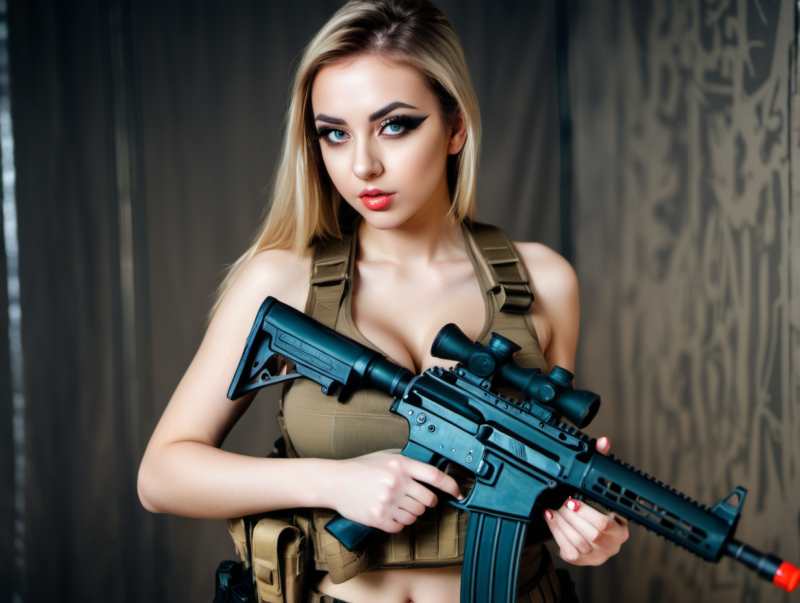
Airsoft has grown from a niche hobby into a worldwide phenomenon that blends sport, simulation, and community. Whether the attraction lies in the thrill of tactical combat, the satisfaction of customizing a replica, or the camaraderie forged on the field, newcomers and seasoned players alike can benefit from a clear picture of what airsoft entails, what gear is essential, and how the sport is organized and perceived. This article walks the reader through every major facet of airsoft, organized under concise H2 headings for easy navigation.
Airsoft is a recreational activity that uses highly detailed replica firearms to fire non‑lethal, 6 mm plastic BBs at velocities typically ranging from 200 to 400 feet per second. The guns are powered by electricity, compressed gas, or a spring mechanism, and they are designed to look and feel like their real‑world counterparts—from modern assault rifles to vintage pistols. The objective of an airsoft match is usually to achieve a mission‑oriented goal, such as capturing a flag, eliminating the opposing team, or completing a scenario‑based objective.
The sport is deliberately structured around safety, realism, and strategy. Players assume the roles of soldiers, law‑enforcement officers, or special‑operations units, using tactics that mirror real tactical engagements while adhering to strict safety protocols. This combination of authenticity and playfulness makes airsoft a unique blend of sport, hobby, and social experience.
The realism factor stems from three main components: authentic replica firearms, realistic tactical gear, and battlefield‑style scenarios. Manufacturers invest heavily in producing guns with accurate external dimensions, weight distribution, and even internal mechanisms that mimic the operation of real weapons. Combined with tactical load‑out—vests, helmets, and radios—players experience a level of immersion that few other sports can match.
Success on the field rarely hinges on individual marksmanship alone. Players must coordinate movements, communicate objectives, and allocate resources in real time. This reliance on teamwork develops leadership skills and teaches participants how to execute complex plans under pressure. Strategies evolve throughout a match, forcing teams to adapt to opponent tactics, terrain, and the ebb and flow of ammunition.
Airsoft offers a spectrum of gameplay styles, each highlighting different aspects of tactical combat:
One of the sport’s most appealing aspects is the ability to personalize equipment. Players can swap out barrels, install high‑capacity magazines, add optics, and mod internal firing mechanisms. This customization allows individuals to tailor performance to personal play style—whether they prefer a high‑rate‑of‑fire assault rifle or a silent sniper platform.
Airsoft thrives on a tight‑knit community that ranges from local meetup groups to international leagues. Online forums, social media groups, and regional clubs facilitate knowledge sharing, gear trading, and event organization. The sense of belonging often extends beyond the battlefield, fostering friendships that endure long after the last BB has been fired.
Starting out can feel overwhelming, but a core set of protective equipment ensures safety and comfort while the player learns the ropes. Below are the items most experts recommend for any newcomer.
The single most critical piece of gear is a pair of certified airsoft goggles or full‑face masks that meet ANSI Z87.1 standards. Even low‑velocity BBs can cause serious eye injury, so goggles should feature impact‑resistant lenses and a snug fit to prevent debris from entering.
Tactical gloves protect hands from BB impact, rough terrain, and cold weather. They also improve grip on the weapon and allow for better dexterity when manipulating magazines and accessories.
Footwear must provide ankle support, traction, and durability. Combat‑style boots with reinforced soles guard against mud, sharp objects, and the occasional slip during fast‑moving maneuvers.
Knees and elbows are vulnerable during crawling, taking cover, or quick directional changes. Lightweight, padded protectors reduce bruising and abrasions, especially on indoor or densely vegetated fields.
A tactical helmet not only shields the head from stray BBs but also serves as a mounting platform for accessories such as night‑vision goggles, communication headsets, or rail‑mounted lights.
Many players add a lower‑face shield or a balaclava with built‑in protection to guard the chin, jaw, and teeth—areas that are otherwise exposed even when wearing a full‑face mask.
Collectively, these items create a protective envelope that lets players focus on strategy rather than worrying about minor injuries.
Airsoft fields operate under a universal code designed to keep gameplay safe, fair, and enjoyable. The three pillars of this code are safety, honour, and respect.
Airsoft relies heavily on the players’ honesty. Hits are typically reported verbally; a player who is “hit” must call out “hit” and immediately raise a hand or place the weapon down. This self‑policing element builds trust and encourages sportsmanship.
Respect applies to fellow participants, referees, and property. Players should avoid aggressive language, refrain from damaging field equipment, and follow the directives of officials at all times. Disrespectful behaviour can result in ejection from the game or a ban from the venue.
Airsoft firearms fall into three primary categories, each with distinct operating principles, performance characteristics, and maintenance requirements.
AEGs are the most popular class of airsoft weapon. Powered by a rechargeable battery, they use an electric motor to drive a gearbox that compresses a spring and propels BBs. Advantages include:
The main drawback is the need for regular battery charging and occasional gearbox lubrication.
These guns use compressed gas—typically green gas (propane + silicone oil) or CO₂—to drive a piston that launches the BB. Gas guns are prized for:
However, performance can be temperature‑dependent, and gas refills are required after each session.
Spring guns are the simplest mechanically. Pulling back a spring-loaded hammer compresses the spring; pulling the trigger releases the stored energy to fire a single BB. They are valued for:
The trade‑off is a lower rate of fire, as each shot requires manual cocking.
Choosing a platform depends on budget, preferred play style, and the environment (indoor vs. outdoor) where the player intends to compete.
Researchers and industry experts have examined airsoft from several angles, including safety, biomechanics, and market dynamics.
Overall, the consensus among scientists and manufacturers is that airsoft is a safe, low‑impact sport provided participants adhere to established safety protocols.
Airsoft’s demographic is surprisingly diverse. While the stereotype is that it attracts predominantly young adult males, data from field registrations and club memberships paint a broader picture:
The sport’s inclusive nature—combined with the ability to customize equipment to any skill level—ensures that airsoft continues to attract new enthusiasts.
Finding the right venue is crucial for a rewarding experience. Players can choose from several types of locations, each offering a distinct atmosphere and level of organization.
Dedicated airsoft fields operate under strict safety guidelines and provide a range of built‑in obstacles—bunkers, buildings, and natural terrain. These venues typically charge an entry fee, rent equipment, and enforce a code of conduct. Many fields also host regular tournaments, making them ideal for both newcomers and competitive players.
Grassroots clubs often meet in public parks, abandoned warehouses, or private property with the owner’s permission. These groups emphasize community building and informal play, allowing members to experiment with tactics and gear without the pressure of formal competition. Joining a club offers mentorship from experienced players and access to shared resources such as spare parts and training drills.
MilSim (Military Simulation) events are large‑scale, scenario‑driven engagements that can span a single day or extend over multiple days. Organizers design elaborate storylines—such as defending a forward operating base or executing a covert extraction—requiring participants to adhere to realistic rules of engagement, use radio communication, and often wear authentic uniforms. MilSim events are hosted both by professional promoters and by dedicated enthusiast groups, and they frequently attract participants from multiple regions.
Regardless of the venue, players should verify that the location is legally compliant, that the field has proper safety measures, and that the event’s rules match their skill level and equipment.
Airsoft occupies a unique niche at the intersection of sport, simulation, and community. Its blend of realistic replica firearms, strategic teamwork, and diverse game modes offers a compelling experience for anyone seeking an immersive tactical challenge. By starting with the essential protective gear, respecting the universal rules of safety, honour, and respect, and selecting the appropriate type of gun, newcomers can quickly become competent participants. Moreover, the scientific community’s endorsement of airsoft’s safety, combined with a thriving global market and an ever‑expanding player base, underscores the sport’s legitimacy and staying power.
Whether a participant is looking to hone teamwork skills, indulge a passion for military history, or simply enjoy an adrenaline‑filled weekend with friends, airsoft provides a flexible platform that can be tailored to any objective. As fields continue to evolve, clubs grow stronger, and MilSim events become more elaborate, the future of airsoft looks as dynamic and engaging as the BBs that fly across its battle‑scarred arenas.


