
 El Monte
 Log in
Log in
Log in

Conder’s Paintball Field is located on 80 acres in Elizabethtown, Kentucky, just off I-65 on Ford Highway.
As the oldest and largest paintball field in Kentucky (established 1990), it offers an impressive variety of playing surfaces: an urban city field with over 50 buildings and towers, two woodsball courses with forts and sniper towers, speedball fields with inflatable and plastic bunkers, and an indoor arena for inclement weather. The field hosts regular paintball (.68 cal), low-impact paintball (.50 cal for ages 7+), and airsoft. Themed scenario events like Zombie Fest and March Madness Normandy are held throughout the year, and the facility welcomes birthday parties, bachelor parties, corporate events, youth groups, and military outings of any size.
The heated and cooled pro shop offers equipment rentals, gear sales, and compressed air/CO2 fills. An on-site grill serves burgers, hot dogs, and drinks, and clean indoor restrooms are available. The friendly, experienced staff has been running the field for over 30 years and is known for being especially helpful with first-time players and families.
 Outdoors
Are you looking for an exciting and thrilling experience with your friends, family, or colleagues? Paintball in Elizabethtown, KY is the perfect game to achieve this! Paintball is an exciting and fun game for people of all ages – from teens to adults. It’s a great activity to enjoy birthdays, team building activities, or corporate events.
At all paintball locations in Elizabethtown, KY you’ll find reliable providers of safe equipment for the game, and experienced staff to guide you through the game. The best part is that paintball is affordable and everybody can enjoy a fun game without having to spend too much money.
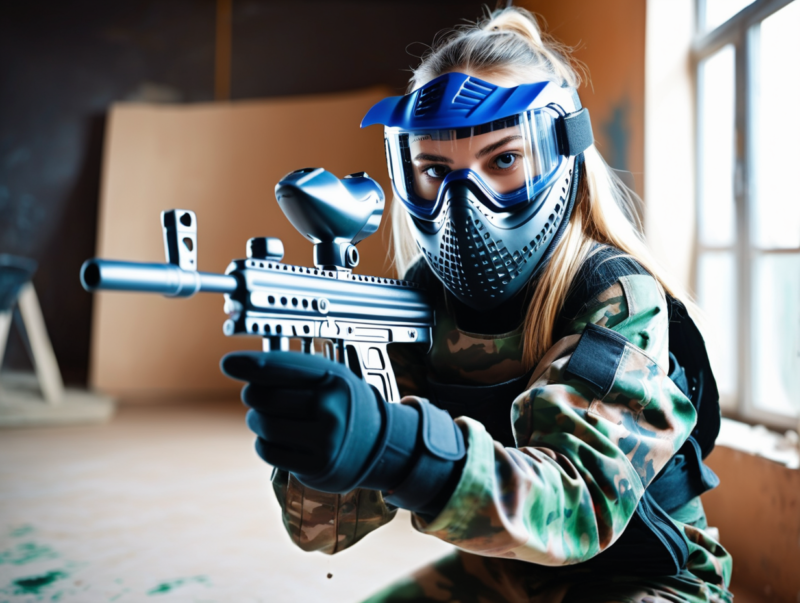
Paintball is a fast‑paced, team‑oriented sport in which participants use compressed‑air or CO₂‑powered markers to launch gelatin capsules filled with non‑toxic, water‑based paint. When a capsule strikes a player’s body, clothing, or equipment, it bursts and leaves a visible mark, indicating that the player has been “hit” and must leave the field or take a prescribed respawn action. The game can be played on a variety of terrains—from densely wooded forests to purpose‑built arenas—and can accommodate anything from a casual two‑person skirmish to a full‑scale, multi‑day tournament involving hundreds of competitors.
Beyond the simple premise of tagging opponents, paintball incorporates strategic planning, physical fitness, and quick decision‑making. Modern markers are lightweight, highly accurate, and can fire at velocities between 250 and 300 feet per second, providing a realistic yet safe simulation of small‑arms combat. The sport’s accessibility, relatively low cost of entry, and the adrenaline rush of “battle” have helped it evolve from a novelty pastime into a global activity with organized leagues, specialized equipment manufacturers, and a dedicated community of enthusiasts.
While specific rule sets can vary by venue, tournament, or scenario, most paintball games share a core collection of regulations designed to ensure safety, fairness, and enjoyable play. The following points outline the most widely accepted standards:
Safety Gear Is Mandatory
Every participant must wear a full‑face mask that meets ASTM F1492 or equivalent standards, as well as protective clothing that covers exposed skin. Many fields also require gloves, chest protectors, and eye shields for added defense.
Markers Must Be Regulated
Paintball markers are limited to a maximum muzzle velocity—typically 280–300 fps (feet per second) for .68‑caliber projectiles—to prevent serious injury. Fields often use chronographs to verify compliance before play begins.
Barrel Blocking and Safety Checks
Before entering the playing area, players must undergo a safety check: the barrel must be blocked, the marker inspected, and the trigger disengaged. This prevents accidental discharge when players are off the field.
Hit Confirmation
A player is considered eliminated when a paint capsule breaks cleanly on their body or gear. Some formats require a “hand‑call” where the hit player acknowledges the strike; others rely on referees to verify hits.
Respawn Rules
In elimination games, a hit player exits the field until the round ends. In “respawn” or “continuous” formats, eliminated players must go to a designated safe zone and may re‑enter after a set time or once a teammate is eliminated.
Boundary and No‑Shoot Zones
Fields are marked with clear boundaries, and certain areas—such as the “dead zone” near the referee’s stand—are designated as no‑shoot zones to protect officials and spectators.
Sportsmanship and Conduct
Unsportsmanlike behavior, including intentional targeting of the face, use of illegal equipment, or verbal harassment, can result in immediate disqualification. Most fields enforce a “fair play” policy that emphasizes respect among opponents.
These rules form the backbone of organized paintball, creating a controlled environment where excitement can be pursued without compromising participant safety.
The versatility of paintball lies in its ability to accommodate a wide spectrum of game scenarios, each tailored to different skill levels, tactical interests, and narrative themes. Below are several of the most popular formats:
Two teams defend a flag placed within their base while attempting to infiltrate the opponent’s territory to capture the opposing flag and return it safely to their own side. CTF emphasizes teamwork, coordinated attacks, and defensive fortifications.
All players start on equal footing, and each hit eliminates a participant from the round. The game proceeds until only one player or team remains. This format tests individual skill, positioning, and the ability to read opponents’ movements.
Scenario games introduce elaborate storylines—ranging from post‑apocalyptic survival to historical battles—often spanning multiple days and featuring props, vehicles, and role‑playing elements. Participants may adopt specific characters or objectives, creating an immersive experience that blends sport with theatrical narrative.
A central “hill” or objective zone is designated on the field. Teams compete to control the hill for a cumulative amount of time. The dynamic nature of the focal point forces constant movement and encourages aggressive tactics.
One team defends a static objective (such as a bunker, flag, or “command post”) while the opposing team attacks. The defending side benefits from fortified positions, whereas attackers must coordinate flanking maneuvers and suppressive fire.
Played on a small, symmetrical field with inflatable bunkers, speedball focuses on fast reflexes and rapid engagements. This high‑intensity format is the standard for professional leagues and televised tournaments.
Each scenario offers distinct strategic challenges, ensuring that paintball remains fresh for both newcomers and seasoned veterans alike.
Beyond being a source of entertainment, paintball delivers a suite of practical benefits that extend into physical health, mental development, and social interaction.
Paintball demands sprinting, crawling, and quick directional changes, providing an aerobic workout comparable to interval training. Players develop core strength, agility, and hand‑eye coordination while navigating uneven terrain and obstacles.
Many scenarios require coordinated assaults, shared communication, and role specialization (e.g., sniper, support, scout). Participants learn to trust teammates, delegate responsibilities, and make rapid decisions under pressure—skills directly transferable to workplace environments and military training.
The adrenaline surge coupled with the focus required to track opponents helps release endorphins, reducing stress and anxiety. Moreover, facing repeated “hits” teaches resilience, encouraging players to adapt quickly and maintain composure after setbacks.
Effective paintball hinges on tactical planning, terrain analysis, and anticipating opponents’ moves. Players constantly evaluate risk versus reward, fostering analytical thinking and problem‑solving abilities.
Whether playing with friends, family, or strangers, paintball creates shared experiences that strengthen interpersonal connections. The camaraderie built on the field often translates into lasting friendships and a supportive community.
Collectively, these benefits illustrate why paintball has grown from a weekend hobby into a multi‑dimensional activity valued by educators, corporate trainers, and fitness enthusiasts.
Paintball’s appeal cuts across age groups, professions, and cultural backgrounds. The following demographics highlight its broad reach:
The inclusive nature of paintball—requiring minimal prior experience and offering equipment rental options—ensures that virtually anyone can try the sport, fostering a diverse and vibrant community.
Research and expert commentary have increasingly examined paintball from medical, psychological, and commercial perspectives.
Biomedical researchers have conducted biomechanical analyses of paintball impacts, confirming that the standard 0.68‑caliber projectile, when fired at regulated velocities, poses a low risk of serious injury. Studies indicate that most injuries are superficial bruises or minor eye irritation—none of which are statistically higher than injuries sustained in other contact sports when proper protective gear is used.
Psychologists studying high‑intensity recreational activities have identified paintball as a viable outlet for controlled aggression and stress management. Participants often report heightened mood, increased confidence, and improved coping mechanisms after regular gameplay, attributing these benefits to the combination of physical exertion and the safe, rule‑bound competitive environment.
Industry analysts estimate that the global paintball market generates over US$1 billion annually, encompassing marker manufacturing, apparel, field operations, and tournament sponsorships. The sector has seen steady growth due to innovations such as low‑pressure markers, biodegradable paint, and sophisticated digital scoring systems, which enhance both player experience and operational efficiency.
Engineers in the sporting equipment field have leveraged paintball research to develop lighter composite barrels, precision electronic triggers, and smart markers capable of telemetry data transmission. These advancements not only improve performance but also provide real‑time analytics for coaches and tournament organizers.
Overall, scientific findings and expert opinions reinforce paintball’s status as a safe, beneficial, and economically robust activity when governed by appropriate safety standards and best practices.
Choosing the right venue is essential for a rewarding paintball experience. Both outdoor and indoor locations offer distinct advantages, catering to different preferences and weather conditions.
Outdoor paintball fields exploit natural landscapes—forests, hills, abandoned structures—and are typically expansive, ranging from 5 to 20 acres. This setting offers:
Popular outdoor destinations often include dedicated paintball parks, ranches, and former military training grounds that provide built‑in cover and long sightlines for sniping.
Indoor paintball arenas, commonly known as speedball venues, feature compact, symmetrical fields outfitted with inflatable bunkers. Key characteristics include:
Many indoor centers also provide “laser tag” hybrid zones, allowing newcomers to practice without the need for full protective gear, thereby serving as a gateway to the sport.
Some operators blend outdoor and indoor concepts by constructing modular bunker systems that can be assembled in parks, warehouses, or even urban rooftops. These pop‑up fields enable temporary events, corporate outings, and community festivals, expanding accessibility to players who may not have a permanent paintball facility nearby.
When selecting a venue, players should consider factors such as field size, terrain type, equipment rental options, safety protocols, and the presence of trained referees. Visiting a field’s website or contacting staff ahead of time can clarify costs, required gear, and any special scenario themes offered for the day.
Paintball stands as a dynamic sport that marries physical exertion with strategic intellect, offering participants a unique blend of competition, teamwork, and adventure. With clearly defined safety regulations, a plethora of engaging scenarios, and proven benefits ranging from fitness to mental resilience, the activity appeals to a wide demographic—from teenagers seeking thrills to professionals sharpening leadership skills. Scientific research underscores its safety when proper gear is used, while industry trends reveal a thriving market driven by technological innovation and creative event design.
Whether battling under the canopy of a forested outdoor field or navigating the tight corridors of an indoor speedball arena, players find a compelling mix of challenge and camaraderie. As paintball continues to evolve—embracing eco‑friendly paint, digital scoring, and immersive scenario storytelling—it remains poised to captivate new generations of enthusiasts, delivering both an exhilarating sport and a valuable tool for personal development.


 193 Ford Hwy, Elizabethtown, KY 42701