
 El Monte
 Log in
Log in
Log in

Sorry. We don’t know any airsoft locations in this city yet
Airsoft is a unique military simulation sport where players participate in mock combat with authentic military-style weapons and tactics. Airsoft can be played by anyone of any age in Fort Collins, CO. Airsoft is great for birthdays, parties, and corporate events!
Airsoft offers a realistic, military-style experience without the risks of traditional paintball. Airsoft utilizes 6mm round BBs, typically made of hard plastic, instead of the larger and more painful paintball. This makes the sport easier to play and reduces the level of physical risk associated with a traditional paintball match.
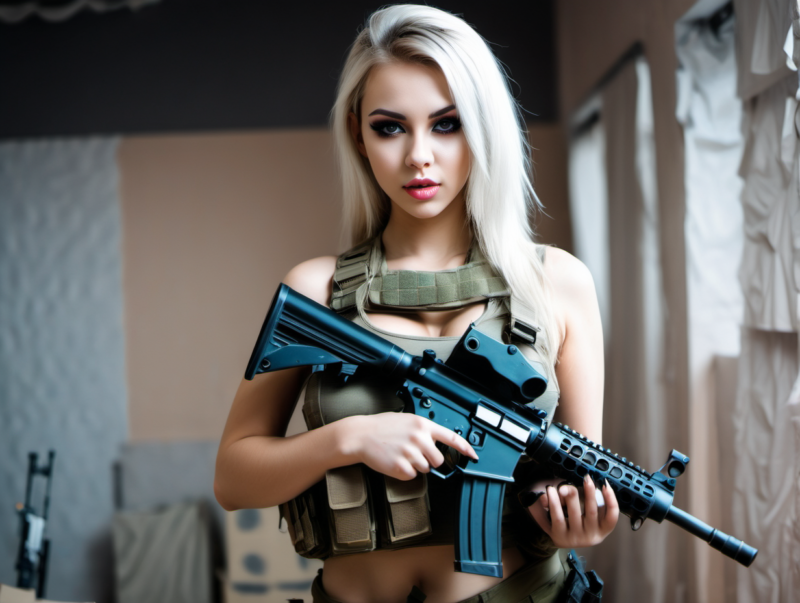
Airsoft is a sport that blends the excitement of tactical combat with the safety of a controlled, non‑lethal environment. Participants—known as airsoft players or “airsofters”—use replica firearms that fire 6 mm plastic BBs at velocities typically ranging from 200 to 400 feet per second. Although the weapons look and feel like their real‑world counterparts, they are engineered to fire only lightweight projectiles, making the game suitable for a wide range of ages and skill levels. The core of airsoft lies in its ability to simulate military or law‑enforcement scenarios while emphasizing responsibility, teamwork, and strategic thinking.
One of airsoft’s greatest draws is its capacity for realistic role‑play. Modern replicas often feature authentic external appearances, realistic recoil mechanisms, and even functional optics. This realism encourages players to adopt genuine tactical procedures: communication over radios, adherence to fire‑and‑move tactics, and careful planning of advances and retreats.
Teamwork is equally vital. A single player rarely succeeds against a coordinated squad. Successful units assign roles—such as point man, support gunner, or medic—and develop clear call‑signs and hand signals. The need to coordinate movement, cover fire, and resource allocation fosters a deep sense of camaraderie and mutual reliance.
Strategy extends beyond the battlefield. Before a match, players typically conduct a “briefing” where they analyze maps, assess objectives, allocate equipment, and outline contingency plans. In‑game decisions—when to push, when to hold, how to exploit cover—mirror those made by real‑world tactical units, turning each engagement into a mental chess match.
Airsoft’s appeal is further amplified by the sheer diversity of game modes available. Traditional “Capture the Flag” pits two teams against each other in a race to retrieve the opponent’s banner while defending their own. “Search and Destroy” introduces a bomb‑planting mechanic, demanding precise coordination and timing. “MilSim” (Military Simulation) events can span multiple days and incorporate complex missions such as hostage rescue, convoy protection, or urban clearing.
Other popular formats include “Last Man Standing,” where individual survival is paramount, and “Zombie Survival,” which blends horror elements with tactical play. The flexibility of the sport means that a single field can host several distinct games in a single day, catering to both casual players seeking quick fun and hardcore enthusiasts looking for immersive, narrative‑driven experiences.
Because airsoft guns are engineered to emulate real firearms, they also lend themselves to extensive modification. Players can upgrade hop‑up units to improve BB trajectory, install higher‑capacity magazines, or swap out internal gear for smoother operation. External modifications—such as rail systems, foregrips, and custom paint jobs—allow individuals to personalize their weapons to match specific tactical roles or aesthetic preferences.
Beyond the weapons themselves, players often customize their load‑out with tactical vests, pouches, and hydration systems, mirroring the gear of professional soldiers. This level of personalization not only enhances performance but also deepens the immersive quality of the sport, as players feel a stronger connection to the persona they adopt on the field.
Airsoft’s community is a vibrant tapestry of hobbyists, veterans, engineers, and newcomers. Local clubs organize weekly scrimmages, while national and international forums facilitate the exchange of technical advice, field reviews, and event announcements. Social media groups provide a platform for players to showcase custom builds, share after‑action reports, and coordinate travel to larger MilSim events. This sense of belonging often extends beyond the game itself, fostering friendships that endure long after the BBs have settled.
For newcomers, safety and comfort are the foundation of a successful airsoft experience. The following items represent the essential baseline equipment:
Investing in quality protective gear early not only safeguards the player but also builds confidence, allowing them to focus on tactics rather than personal safety concerns.
Airsoft fields operate under a set of universally accepted guidelines designed to maintain safety, fairness, and enjoyment for all participants.
Every match begins with a mandatory safety brief. Players must keep their weapons on “safe” or “semi‑automatic” mode unless otherwise instructed, and a clear line of sight must be maintained at all times. The range officer (RO) holds the authority to stop the game if unsafe behavior is observed. In addition, BBs are prohibited from exceeding the field’s velocity limits—usually 350 fps for indoor venues and 400 fps for outdoor arenas—to minimize the risk of injury.
Airsoft relies heavily on the honour system. When a player feels they have been hit, they must call “hit” and leave the field immediately, often moving to a designated “dead zone” for a set respawn time. Honouring hits maintains the integrity of the game and prevents disputes. Most fields enforce a “no‑talk‑while‑dead” rule to keep the flow of play undisturbed.
Respect for fellow players, referees, and the field itself is non‑negotiable. Discriminatory language, aggressive behavior, or intentional equipment damage can result in ejection from the event. Players are also expected to clean up after themselves, leaving the venue in the same condition as they found it.
Airsoft replicas fall into three primary propulsion categories, each offering distinct performance characteristics.
AEGs dominate the market due to their reliability, semi‑automatic and fully‑automatic fire modes, and ease of maintenance. Powered by rechargeable lithium‑polymer (LiPo) or nickel‑metal hydride (NiMH) batteries, AEGs use an internal gearbox to drive a piston that compresses air and propels the BB. Their consistent muzzle velocity, adjustable hop‑up, and modular design make them a versatile choice for beginners and veterans alike.
Gas‑powered replicas—commonly referred to as GBBs (Gas Blowback) or GBBs (Gas Powered)—use compressed gas (green gas, propellant mixes, or CO₂) to cycle the action and launch BBs. Blowback models simulate realistic recoil by using gas to push the slide or bolt back after each shot. While offering superior realism and higher potential velocities, gas guns require careful temperature management, as performance can fluctuate with ambient conditions.
Spring guns are the simplest mechanically driven replicas. A manually compressed spring stores kinetic energy, released when the trigger is pulled. These guns are popular for cost‑effective entry points, sniper platforms, or “pump‑action” style models. Although limited to semi‑automatic fire, spring guns are valued for their durability and lack of reliance on batteries or gas.
Academic researchers and safety professionals generally regard airsoft as a low‑risk recreational activity when proper safeguards are observed. Studies on projectile velocity and impact energy confirm that 6 mm BBs, when fired within regulated limits, pose minimal danger to the skin and eyes—provided that certified protective equipment is used. Experts highlight the sport’s benefits in developing hand‑eye coordination, strategic planning, and teamwork skills, drawing parallels to training tools employed by military and law‑enforcement agencies.
Conversely, some industry analysts note the need for stricter regulation in regions where airsoft replicas are mistaken for real firearms, potentially leading to legal complications. Recommendations often include standardized colour‑coding of barrel tips, mandatory background checks for high‑capacity magazines, and public awareness campaigns to differentiate airsoft weapons from real weapons.
Overall, the consensus underscores that, with adherence to safety protocols and responsible ownership, airsoft remains a constructive outlet for physical activity and tactical education.
Airsoft’s demographic is remarkably diverse. Teenagers and college students are drawn to the sport’s thrill and camaraderie, while veterans appreciate the realistic tactical environment that mirrors their previous training. Professionals from fields such as engineering, medicine, and law often participate to unwind and engage in structured teamwork outside the office. Families also find value in the sport, with parent‑child teams fostering mutual trust and communication.
Geographically, airsoft enjoys popularity across North America, Europe, Asia, and Oceania. Cultural variations influence preferred game styles—European scenes often emphasize MilSim scenarios, whereas North American fields may favor fast‑paced “run‑and‑gun” formats. Regardless of background, participants share a common passion for strategic competition and the creative freedom to customize their gear.
Finding the right venue is essential for an enjoyable experience. Several options cater to different preferences and skill levels.
Dedicated airsoft fields are purpose‑built with safety infrastructure, clearly marked boundaries, and trained range officers. These venues typically offer a variety of layouts—urban streets, forested areas, and bunkered compounds—allowing players to select environments that suit their tactical interests. Many fields host regular events, from beginner “learning days” to high‑intensity MilSim weekends.
Community‑based teams often rent field space or operate out of private land. Joining a club provides newcomers with mentorship, organized practice sessions, and a supportive network. Clubs may specialize in specific game styles, such as Close‑Quarters Battle (CQB) in indoor warehouses or large‑scale outdoor operations. Membership usually involves a modest fee, which contributes to equipment maintenance and field upkeep.
MilSim (Military Simulation) events are large‑scale productions that can span multiple days and involve dozens to hundreds of participants. These events aim to recreate realistic combat scenarios, complete with scripted missions, role‑playing elements, and logistical support such as medical stations and supply depots. Hosting organizations often collaborate with military veterans to ensure authenticity while maintaining safety standards. Participants can experience immersive storylines, elaborate terrain, and the thrill of coordinating large‑unit tactics.
Airsoft stands at the intersection of sport, simulation, and community. Its blend of realism, teamwork, and strategic depth creates an environment where participants can hone tactical skills, forge lasting friendships, and express creativity through equipment customization. Starting safely with proper protective gear, adhering to universally accepted rules, and selecting the appropriate type of replica weapon lay the groundwork for a rewarding experience. Whether a curious teenager, a seasoned veteran, or an enthusiast seeking an engaging hobby, the world of airsoft offers a diverse array of game modes, venues, and social networks to explore. With continued emphasis on safety, respect, and responsible ownership, airsoft is poised to remain a dynamic and inclusive pastime for years to come.


