
 El Monte
 Log in
Log in
Log in

Sorry. We don’t know any paintball locations in this city yet
Are you looking for an exciting activity to do with your friends, family, or colleagues? Paintball in Fort Collins, CO might be just what you need! Not only is it great for teenagers and adults, but it’s also perfect for birthdays, parties, and corporate events. Plus, it won’t break the bank, as it’s a relatively inexpensive game.
If you’re new to paintball, you may not know where to start. Thankfully, the Fort Collins area has many great opportunities. Whether you’re looking for an indoor or outdoor arena, you’re sure to find the perfect location to suit your needs. On this page, you’ll find some of the best paintball locations in the Fort Collins area. All you have to do is choose one and get ready for a fun and exciting day of paintballing!
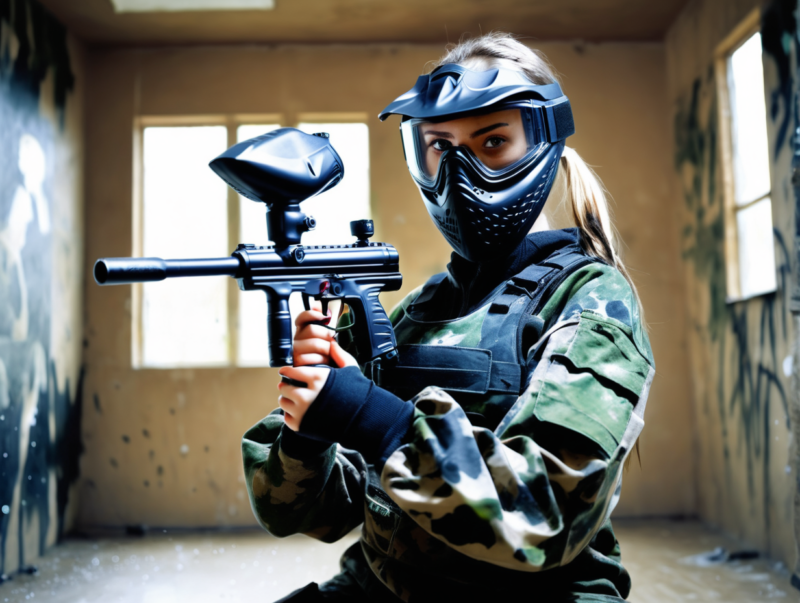
Paintball is a fast‑paced, team‑oriented sport that pits players against one another using pneumatic markers that fire small gelatin capsules filled with non‑toxic, water‑based paint. The capsules—commonly called paintballs—are designed to burst on impact, leaving a visible mark that signals a hit. Modern markers rely on compressed air or CO₂ to propel the projectiles at speeds typically ranging from 250 to 300 feet per second, a velocity that balances safety with the excitement of a realistic shooting experience. Though the equipment may look military‑style, the sport is governed by strict safety standards: players must wear full‑coverage protective gear, including masks, padded clothing, and often gloves, to prevent injuries from the high‑velocity shots. Paintball can be enjoyed in a casual backyard setting, a structured arena, or an expansive outdoor field that mimics real‑world terrain.
While the exact rule set can vary between leagues and venues, most paintball games adhere to a core collection of guidelines designed to keep play fair and safe. First, every participant must wear an approved mask at all times while on the field; removal of the mask is permissible only in designated safe zones. Markers are limited to a maximum velocity—commonly 280 fps for standard play—to reduce the risk of bruises or cuts. Players are eliminated from a round when a paintball breaks on their body or equipment, signaling a “hit.” Some formats allow “re‑entry” after a brief respawn period, while others follow an elimination‑only structure. Boundaries are clearly marked, and stepping over them typically results in a penalty or immediate removal from the round. Finally, a “no‑shoot” rule applies within a defined safety zone—often a 10‑foot radius around the starting line—where players may move freely but cannot fire their markers. These basic rules create a framework that emphasizes strategic movement, teamwork, and respect for fellow participants.
The versatility of paintball lies in its ability to accommodate a wide array of game scenarios, each crafted to test different skills. The most common format, Capture the Flag, splits teams into attackers and defenders; the objective is to infiltrate the enemy’s base, seize a flag, and return it to one’s own territory without being hit. Elimination, also known as “Last Man Standing,” pits all players against each other in a free‑for‑all, with the goal of being the final survivor. Objective‑Based games mimic military missions, such as defusing a “bomb” (a timed device placed in a specific location) or securing a strategic point for a set duration. Scenario matches go a step further, integrating storylines, role‑playing elements, and complex objectives that can last several hours—think “Zombie Apocalypse” or “Rescue Mission.” Indoor arenas often feature Speedball, a fast‑paced game on a compact field marked with inflatable bunkers, where rapid decision‑making and accuracy are paramount. Each scenario calls for distinct strategies, from stealthy infiltration and coordinated fire teams to aggressive push tactics and disciplined defense.
Beyond the adrenaline rush, paintball offers a surprising array of benefits that extend into physical, mental, and social domains. Physically, the sport provides a high‑intensity cardiovascular workout: players sprint, crawl, dive, and maneuver across uneven terrain, burning calories comparable to a vigorous jog. The constant need to aim and fire improves hand‑eye coordination and fine motor skills, while the requirement to carry equipment—markers, air tanks, and additional paintballs—strengthens core and upper‑body muscles. Mentally, paintball is a live‑action problem‑solving exercise. Players must assess threats, anticipate opponents’ moves, and adjust tactics on the fly, honing situational awareness and rapid decision‑making. Team‑based formats foster communication, trust, and leadership, as success hinges on coordinated actions and clear directives. Finally, the sport’s competitive yet playful nature serves as a stress outlet, allowing participants to release tension in a controlled environment while enjoying camaraderie with teammates and opponents alike.
Paintball attracts a remarkably diverse demographic, ranging from adolescents discovering team sports for the first time to seasoned adults seeking a high‑octane outlet. Youth leagues and school programs introduce children as young as ten to the fundamentals of teamwork and safety, often emphasizing low‑impact, age‑appropriate formats. College campuses host intramural clubs that blend competitive play with social events, cultivating a community of students who view paintball as both sport and recreation. Corporate groups frequently turn to paintball for team‑building retreats, leveraging the game’s collaborative challenges to strengthen workplace dynamics. Military and law‑enforcement personnel also incorporate paintball into tactical training, valuing its realistic simulation of combat scenarios without lethal risk. Moreover, a growing segment of “enthusiast” players—often referred to as “paintball veterans”—dedicates significant time and resources to high‑level competition, custom equipment, and elaborate scenario events. This broad appeal underscores paintball’s capacity to adapt to varying skill levels, age groups, and motivations.
From a scientific perspective, paintball has been examined as a tool for studying human performance, ergonomics, and group dynamics. Researchers in kinesiology have measured the sport’s impact on aerobic capacity, concluding that a typical 15‑minute match can elevate heart rate to 150–170 beats per minute, comparable to interval training. Studies in psychology highlight paintball’s ability to induce “flow” states, where participants experience heightened focus and loss of self‑consciousness—conditions linked to improved cognitive function and stress reduction. Experts in occupational safety emphasize the importance of protective gear standards, noting that modern masks filter paintball impact energy effectively, decreasing the incidence of serious facial injuries to less than 1 % in regulated venues. Industry analysts point to the sport’s steady growth, driven by innovations such as low‑pressure markers, biodegradable paint, and virtual‑reality‑enhanced scenarios that blend digital overlays with physical play. Collectively, these viewpoints recognize paintball as a legitimate, data‑backed activity that balances excitement with measurable health and safety benefits.
Choosing a venue largely depends on the desired experience, climate, and available time. Outdoor fields span acres of natural terrain—woods, hills, and open plains—offering a realistic backdrop for large‑scale scenario games. These locations often feature permanent structures such as bunkers, towers, and trenches, enabling long‑range engagements and strategic positioning. Many outdoor sites also provide “woodsball” sections, where dense foliage creates a stealth‑heavy environment that rewards patience and careful movement. Indoor arenas, on the other hand, prioritize speed and precision. Typically constructed with inflatable bunkers and modular obstacles, indoor fields are compact, allowing for quick matches that fit within an hour. The controlled lighting and climate make indoor venues ideal for year‑round play, especially in regions with extreme weather. Some facilities blend the two approaches, offering hybrid setups with indoor marker bays that feed directly into adjacent outdoor fields. Regardless of setting, reputable venues adhere to the same safety protocols—mandatory mask usage, regulated marker velocities, and staffed referees—to ensure every game remains both thrilling and secure. Selecting the right venue therefore hinges on the player’s preferred scenario style, the group’s size, and the logistical convenience of the location.


