El Monte
 Log in
Log in
Log in

Tacoma Airsoft Center is located in Tacoma, WA.
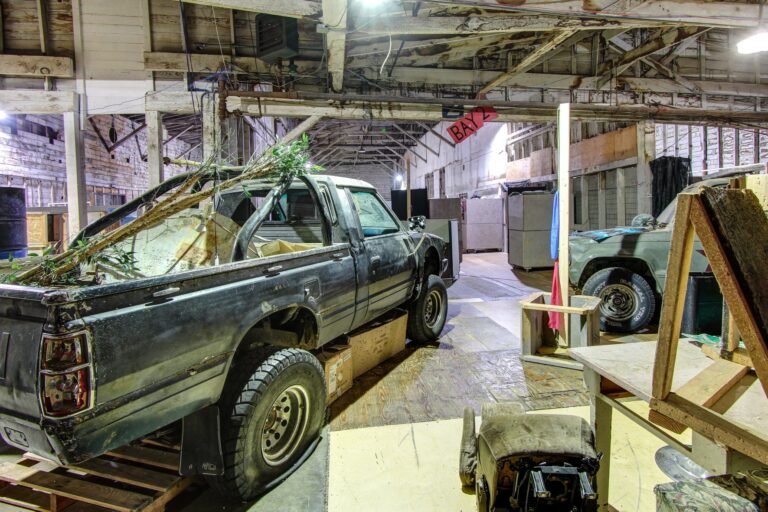
Tacoma Airsoft Center in Tacoma, WA, is your ultimate destination for high-intensity indoor airsoft action.
One of the standout features of Tacoma Airsoft Center is its flexible and affordable rental options. Rentals begin at just $5 per hour for guns, making it accessible for anyone looking to dive into the action without a significant upfront investment. Alongside gun rentals, TAC offers essential gear and safety items such as goggles, gloves, and armor for a mere $5 for the entire session.
But TAC isn’t just about individual play; it’s a perfect spot for larger gatherings and organized events. For those interested in organizing private events, Tacoma Airsoft Center offers excellent packages for larger groups. Private events tailored for 10 or more players ensure an exclusive airsoft experience. These events can last for 2, 3, or even 4 hours, with prices starting as low as $32.50 per player. The package includes everything necessary for the game, from masks, BBs, and armor to advanced weaponry, ensuring a hassle-free experience for participants.
For guests seeking a more casual and less intense alternative, Tacoma Airsoft Center introduces GelSoft parties. Gelblaster is an engaging and safe option that appeals to players of all ages, offering the excitement of airsoft in a gentler form. It’s a perfect choice for families or those new to the experience who still want to enjoy the thrill of a battle scenario.
 Indoors
Monkey Time Paintball and Airsoft arena is located in Arlington, WA.
Monkey Time Paintball and Airsoft arena is located in Arlington, WA. It offers a thrilling experience for those who love paintball and airsoft. The arena is equipped with various fields including a jungle-themed field, obstacle courses, and a CQB cityscape. The arena caters to both beginners and experienced players and provides all necessary equipment such as guns, masks, and ammo. Monkey Time Paintball and Airsoft arena also hosts tournaments and events throughout the year. With its exciting gameplay and excellent facilities, Monkey Time Paintball and Airsoft arena is a must-visit for enthusiasts.
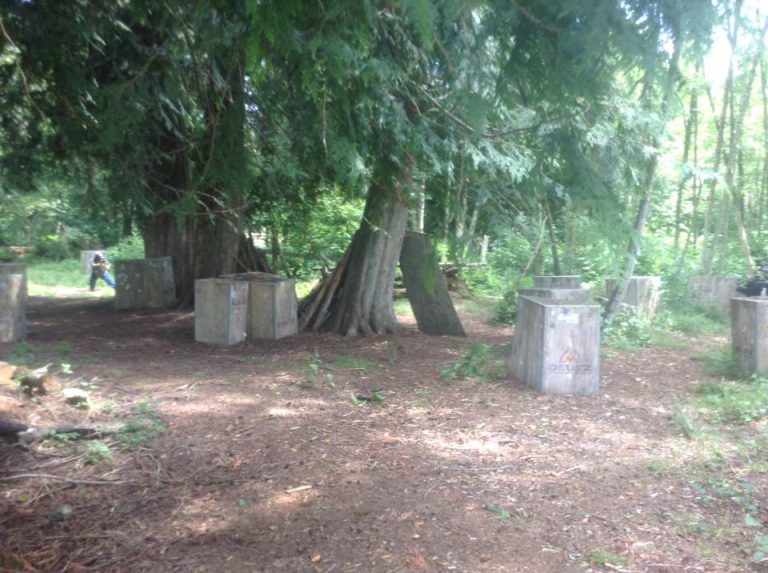
 Outdoors
Airsoft is a recreational activity that pits teams of players against one another using replica firearms that fire lightweight, non‑lethal plastic BBs. The sport is purpose‑built to mimic military and tactical scenarios while remaining safe enough for civilian participation. Its appeal lies in a blend of realistic equipment, strategic depth, and a strong sense of camaraderie.
Modern airsoft replicas are engineered to look, feel, and operate like their real‑world counterparts. From authentic bolt‑action rifles to fully automatic assault weapons, manufacturers replicate external ergonomics, recoil patterns, and even the sound of gunfire. This realism draws enthusiasts who enjoy the tactile experience of handling a piece of equipment that mirrors a true firearm without the associated hazards.
Unlike many traditional sport shooters, airsoft places a premium on coordinated tactics. Successful squads must plan ambushes, establish communication protocols, and allocate roles such as point man, support, and recon. The need to out‑think the opponent encourages players to study map layouts, use cover effectively, and manage ammunition—all of which sharpen problem‑solving skills and foster teamwork.
Airsoft fields host a wide spectrum of scenarios, ranging from fast‑paced “capture the flag” to immersive “military simulation” (MilSim) battles that can stretch over several hours. Other popular formats include “team deathmatch,” “objective‑based,” and “king of the hill.” This variety ensures that both newcomers and seasoned veterans can find a style that matches their preferred level of intensity and role‑playing depth.
One of the sport’s most compelling aspects is the ability to personalize equipment. Players can swap out barrels, upgrade hop‑up systems, install tactical rails, and alter internal electronics to fine‑tune performance. Cosmetic modifications—such as camouflaged finishes, custom grips, and aftermarket sights—allow participants to craft a look that reflects their individual identity on the battlefield.
Airsoft’s growth has been fueled by a vibrant global community. Online forums, social media groups, and local clubs provide platforms for sharing strategies, reviewing gear, and arranging meet‑ups. The community ethos emphasizes mutual respect, safety, and a shared passion for tactical recreation, creating a welcoming environment for newcomers and veterans alike.
Entering the sport safely requires a baseline set of protective and functional gear. While the list can expand over time, the following items constitute the essential kit for anyone taking their first steps onto the field.
Eye Protection – The most critical piece of equipment. Certified polycarbonate goggles or full‑face masks with anti‑scratching lenses must meet ANSI Z87.1 or equivalent standards to shield against high‑velocity BB impacts.
Gloves – Lightweight tactical gloves protect the hands from both BB strikes and environmental hazards such as rough terrain, branches, and cold weather.
Sturdy Boots – Durable, ankle‑supporting boots (often military‑style combat boots) provide traction, protect the feet from debris, and reduce fatigue during long engagements.
Knee Pads and Elbow Pads – Frequent crouching and prone positioning make joint protection essential. Reinforced pads absorb impacts and prevent bruises or sprains.
Helmet – A ballistic‑grade helmet or a sturdy sports helmet offers head protection, especially in high‑intensity MilSim events where overhead fire and ricochets are common.
Lower Face Protection – For players who opt for full‑face masks, a lower‑face guard shields the teeth, lips, and chin from stray BBs, enhancing overall safety.
Collectively, this gear creates a protective envelope that enables players to focus on tactics rather than worrying about injury. As skill levels rise, enthusiasts often add load‑bearing vests, tactical belts, and hydration systems to improve endurance and equipment organization.
Airsoft fields operate under a set of universally accepted rules designed to preserve safety, fairness, and respect among participants.
All players must treat every replica as if it were a loaded firearm. This includes keeping the muzzle pointed in a safe direction, maintaining trigger discipline, and engaging the safety or disconnecting the power source when not actively in a game. Many fields require the use of orange safety flags or “bang‑bang” caps on the barrel to visually indicate a weapon’s safe status.
Airsoft relies heavily on an honour system for hit verification. When a player is struck by a BB, they are expected to call themselves “out” and either step out of the play area or raise a hand to signal their status. Peer‑to‑peer honesty ensures the integrity of the game, as there is no external authority to enforce hits.
Respect extends to fellow players, referees, field staff, and the surrounding environment. This means adhering to agreed‑upon boundaries, refraining from aggressive language, and cleaning up any debris after a match. Many fields enforce a “no‑trash” policy and may impose penalties for unsporting conduct, such as deliberate aiming at the face or refusing to honor a hit.
These core principles create a safe, enjoyable atmosphere that encourages repeat participation and community growth.
Airsoft firearms fall into three primary categories, each offering distinct performance characteristics and maintenance requirements.
AEGs are the most popular class among civilians. Powered by a rechargeable battery, they employ an electric motor to drive a gearbox that compresses a spring and propels BBs. AEGs can fire in semi‑automatic or fully automatic modes, and modern models often allow adjustable rates of fire via hop‑up and gearbox tuning. Their reliability, ease of use, and abundant aftermarket support make them ideal for beginners and competitive players alike.
These guns use compressed gas—either green gas (propane mixed with silicone oil), CO₂, or proprietary hot gas blends—to drive a piston that launches the BB. Gas pistols and rifles tend to deliver realistic blowback action, where the slide or bolt cycles with each shot, enhancing the tactile feel. However, gas performance can be temperature‑dependent; colder climates may reduce muzzle velocity, necessitating careful storage and regular maintenance of seals and o‑rings.
The simplest mechanism, spring‑powered guns require manual cocking of a spring before each shot. While slower to fire, they are extremely reliable and inexpensive, making them an excellent entry point for newcomers or for use in “budget” game modes. Spring rifles are also popular in historical reenactments and certain MilSim scenarios where authenticity is prized over rapid fire.
Choosing the right platform depends on personal preferences, budget, and the intended style of play. Many players eventually build a mixed arsenal that allows them to adapt to varying game formats and field restrictions.
Research into airsoft’s impact on participants and society has highlighted both benefits and concerns.
From a physiological standpoint, studies have shown that the sport offers moderate cardiovascular exercise, particularly during fast‑paced matches that require sprinting, crawling, and rapid directional changes. The necessity for strategic planning also stimulates cognitive functions such as spatial awareness, decision‑making under pressure, and teamwork—skills transferable to professional environments.
Safety experts acknowledge that, when proper protective equipment is used, the risk of serious injury is minimal. The kinetic energy of a standard 0.20 g BB traveling at 350 fps translates to roughly 0.17 J, well below thresholds associated with permanent tissue damage. Nevertheless, ophthalmologists stress that eye protection must meet stringent standards, as the eye remains the most vulnerable organ.
Sociologists have examined the community aspect of airsoft, noting that the sport fosters social cohesion and provides an outlet for stress relief. However, some critics argue that the realistic appearance of the weapons could blur lines between sport and combat training, potentially attracting individuals seeking militaristic experiences. Industry regulators counter that most fields enforce age restrictions, background checks, and strict adherence to safety protocols, thereby mitigating misuse.
Overall, the consensus among scientists and experts is that airsoft, when practiced responsibly, presents a low‑risk, high‑reward recreational activity that blends physical exertion with mental challenges.
Airsoft attracts a remarkably diverse demographic.
Young Adults (18‑35): This group forms the core player base, drawn by the sport’s adrenaline, tactical depth, and social scene. Many use airsoft as a gateway to outdoor fitness and as a venue for building lasting friendships.
Military and Law‑Enforcement Enthusiasts: Former service members and active‑duty personnel often seek airsoft as a low‑cost method to maintain tactical proficiency and teamwork skills.
Cosplayers and Historical Reenactors: Participants who enjoy period‑accurate dress or pop‑culture references appreciate the customization possibilities that allow them to recreate iconic weapons and outfits.
Families and Youth Programs: Some organized clubs offer junior leagues with reduced‑velocity guns and strict supervision, encouraging safe, age‑appropriate participation for teenagers.
Corporate Teams: Companies sometimes employ airsoft for team‑building exercises, leveraging the sport’s emphasis on communication and strategic planning to strengthen workplace dynamics.
The sport’s inclusive nature—combined with a welcoming community and a low barrier to entry—ensures that players from varied backgrounds can find common ground on the battlefield.
Finding the right venue is essential for an enjoyable experience. Different settings cater to distinct play styles and skill levels.
Dedicated airsoft fields provide regulated environments with clearly marked boundaries, safety briefings, and on‑site staff. These venues often feature multiple play zones, from urban “close‑quarters combat” (CQC) layouts to expansive forested “military” scenarios. Sanctioned fields enforce velocity limits, require mandatory protective gear, and maintain a record of incidents, ensuring a consistently safe atmosphere.
Grassroots clubs meet regularly at community parks, vacant lots, or private property with owner permission. These groups usually organize weekly scrimmages, skill‑sharing workshops, and gear swap events. Because membership is often limited, participants can enjoy a more intimate setting, develop long‑term relationships, and receive personalized feedback from experienced players.
MilSim (Military Simulation) events are large‑scale productions that emulate real‑world military operations. They may span multiple days, incorporate role‑playing elements such as mission briefings, supply drops, and command hierarchies, and often enforce stricter realism standards, including the use of authentic‑looking uniforms and tactical communication gear. MilSim gatherings attract enthusiasts seeking an immersive, story‑driven experience that goes beyond a typical match.
When selecting a venue, players should consider factors such as distance, field layout, permitted gun types, and the community’s culture. Many players rotate between fields to diversify their tactical exposure and keep the experience fresh.
Airsoft stands at the intersection of recreation, tactics, and community building. Its realistic equipment, strategic depth, and plethora of game modes provide a versatile platform for individuals seeking both physical activity and mental challenge. Starting responsibly with proper protective gear, adhering to universally accepted safety rules, and understanding the characteristics of different gun types lay a solid foundation for new participants.
Scientific and industry perspectives affirm that, when played within regulated parameters, airsoft poses minimal health risks while delivering notable benefits in fitness, cognition, and social cohesion. The sport’s inclusive appeal draws a wide range of players—from military enthusiasts to corporate teams—each finding value in the shared pursuit of teamwork and strategy.
Whether on a sanctioned field, at a local club, or immersed in a multi‑day MilSim operation, airsoft offers an engaging arena where realism meets imagination, and where respect for safety and fellow participants ensures the battlefield remains a place of fun, growth, and lasting camaraderie.


 3023 Sawyer St TACOMA, WA 98409