El Monte
 Log in
Log in
Log in

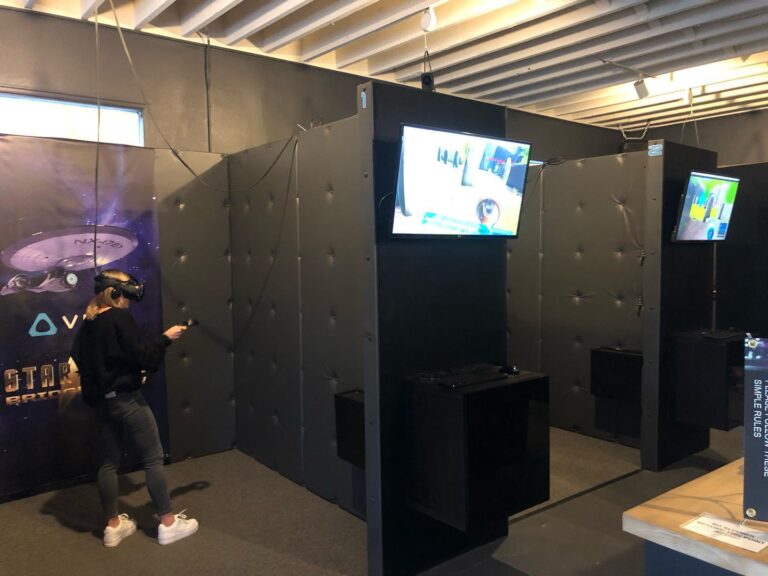
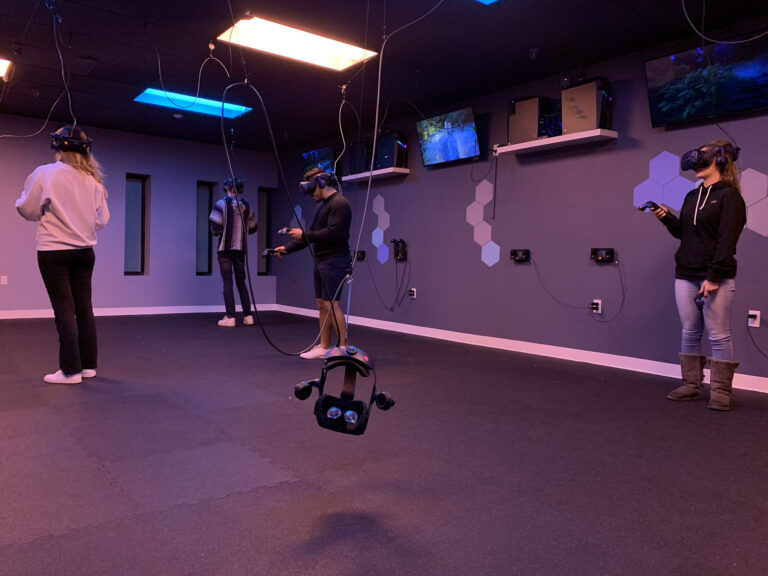
HIVE Virtual Reality Indoor Center is located in Shoreline, WA.
HIVE Virtual Reality is an immersive virtual reality experience center located in Shoreline, WA. They offer a variety of VR experiences, from single-player games to multiplayer team games, and even educational programs. With state-of-the-art technology and a focus on creating a safe and comfortable environment, HIVE offers an unforgettable and unique entertainment experience for people of all ages. Whether you’re looking for a fun night out with friends or a unique way to celebrate a special occasion, HIVE is sure to provide an immersive and exciting virtual reality experience.
 Indoors
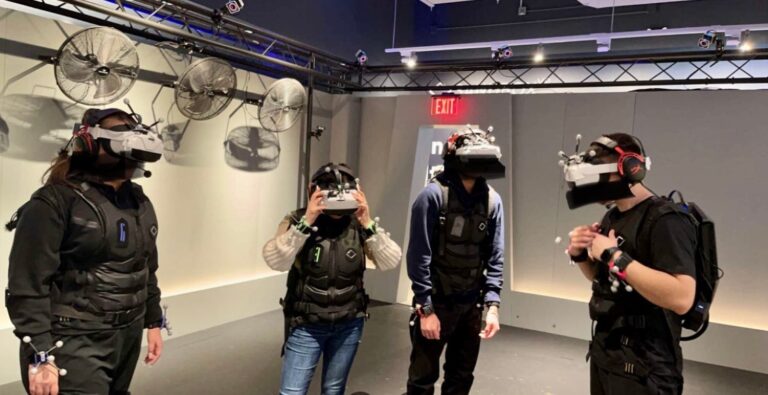
Sandbox VR Indoor Center is located in Kirkland, WA.
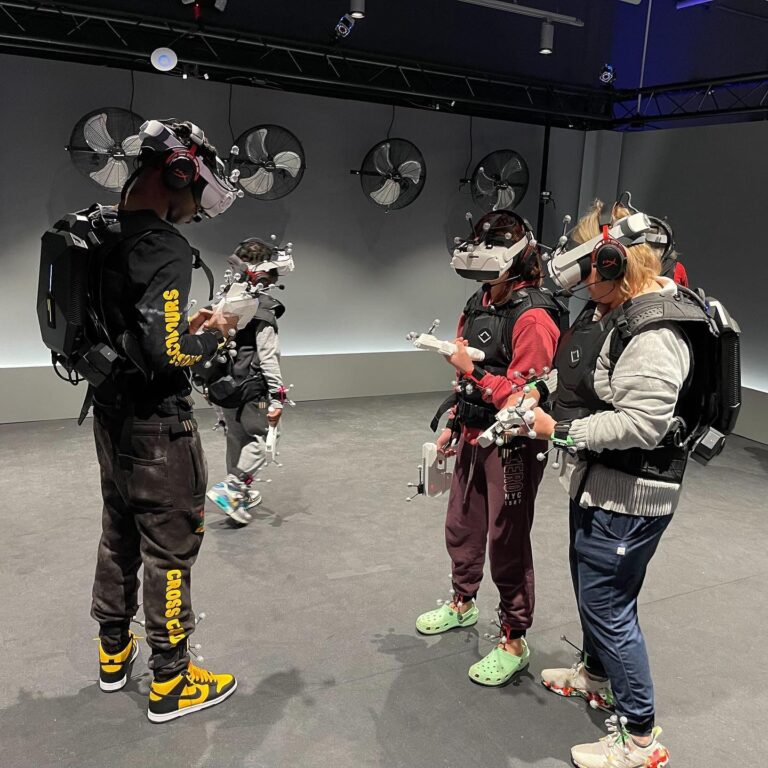
Sandbox VR, a cutting-edge virtual reality experience center, is located in Kirkland, Washington. Its innovative technology provides players with an immersive and interactive experience, taking them to extraordinary worlds. Sandbox VR’s state-of-the-art motion-capture technology allows players to interact with virtual objects and other players in real-time, creating an unparalleled gaming experience. It’s a perfect place for gamers and adventurers alike to explore a new reality and have fun with friends and family. Whether you’re a beginner or an avid gamer, Sandbox VR has something for everyone.
IndoorsPortal Virtual Reality Indoor Center is located in Seattle, WA.
Portal Virtual Reality is a popular destination in Seattle, WA for those seeking immersive and interactive experiences. With advanced technology and top-of-the-line equipment, visitors can transport themselves into digital worlds, battle it out in multiplayer games, or explore breathtaking landscapes. The facility offers multiple rooms with various themes and games, as well as private party rooms for group events. From beginners to experienced gamers, Portal Virtual Reality caters to all levels of expertise and provides a fun and thrilling experience for everyone.
IndoorsFLEE Ultimate VR Arena & Escape Rooms Indoor Arena is located in Redmond, WA.
FLEE Ultimate VR Arena and Escape Rooms in Redmond, Washington, offers an immersive virtual reality experience where participants can enter magical worlds and solve puzzles. The facility features high-tech gear, including VR headsets and motion tracking controllers, to transport players to new dimensions and challenge them with engaging scenarios. In addition to VR gaming, FLEE also offers traditional escape rooms where participants must use their problem-solving skills to solve puzzles and find clues to escape within a set time limit. The facility is perfect for families, friends, and corporate team-building events.
IndoorsMonster Mini Golf Bellevue Indoor Center is located in Bellevue, WA.
Monster Mini Golf in Bellevue, WA is a popular indoor mini golf facility. It offers a unique and spooky-themed golfing experience with glow-in-the-dark courses, animated monsters, and special effects. The venue is suitable for all ages and is a great place for family outings, birthday parties, and other events. Additionally, Monster Mini Golf Bellevue also has an arcade area with various games and prizes.
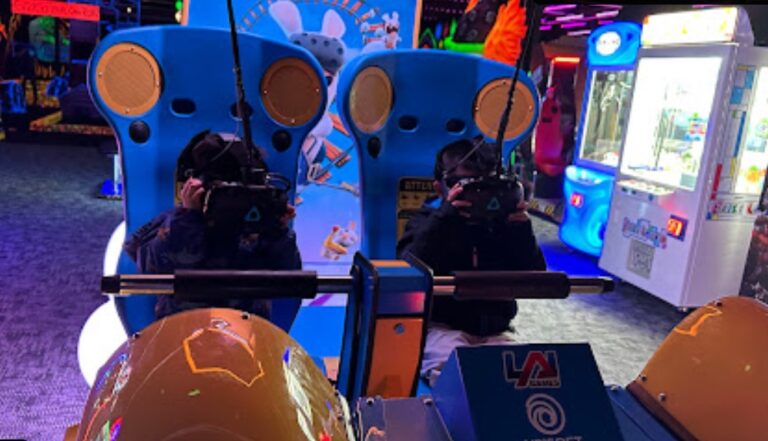
IndoorsGame On NW Indoor Center is located in Everett, WA.
Game On NW, located in Everett, WA, is a premier destination for gaming enthusiasts. With over 200 arcade games, pinball machines, and console classics, there’s something for everyone. The arcade boasts a modern and sleek design, complete with comfortable seating and high-definition screens. Whether you’re looking to compete against friends in a high-stakes game of Mortal Kombat or test your skills on the latest racing simulator, Game On NW has got you covered. Don’t forget to grab a bite to eat from their on-site cafe, featuring delicious snacks and drinks to keep you fueled up during your gaming sessions. Come on down and experience the ultimate gaming paradise at Game On NW!
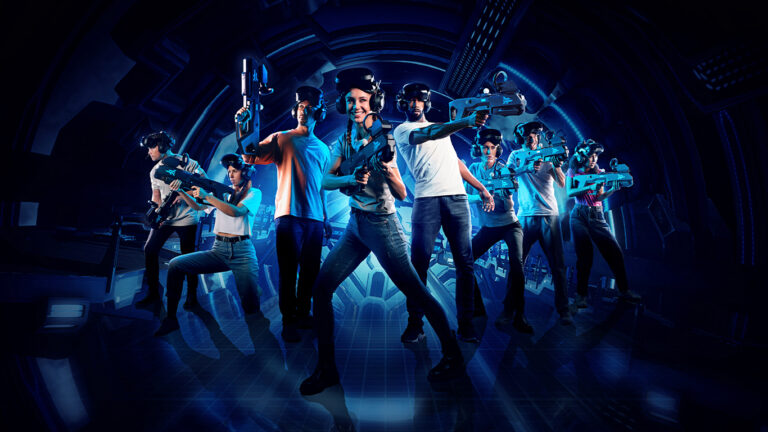
IndoorsSandbox VR Indoor Center is located in Seattle, WA.
Sandbox VR in Seattle, WA is a cutting-edge virtual reality experience that lets you immerse yourself in a completely new world. With state-of-the-art VR technology and amazing game scenarios, you’ll be transported to another dimension where your surroundings become completely real. The Sandbox VR team offers a wide range of exciting experiences, from zombie survival to adventure quests, that will challenge and excite all levels of gamers. With their friendly and knowledgeable staff, you’re sure to have an unforgettable time at Sandbox VR. Book your session now and step into a world of endless possibilities!
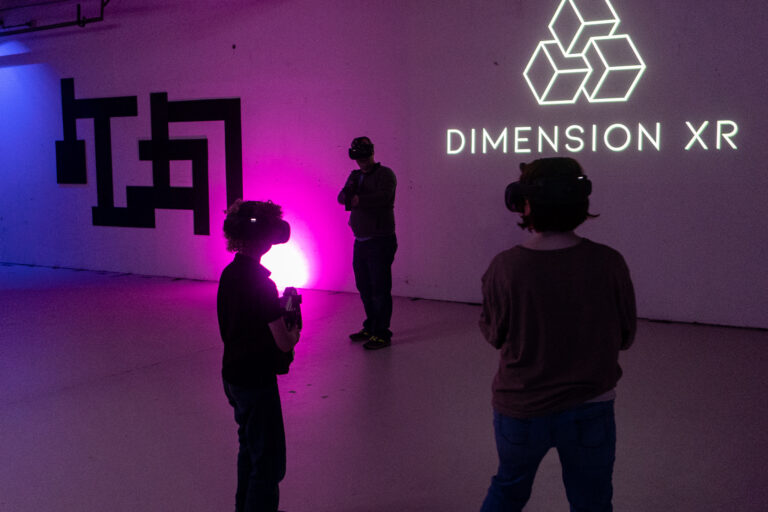
IndoorsDimension XR Indoor Center is located in Tukwila, WA.
The club features multiple large VR zones equipped with high-end headsets, motion sensors, haptic gear, and wireless systems that make every movement feel real. Guests can choose from a variety of experiences, including cooperative missions, action-packed adventures, sci-fi battles, escape-style challenges, and family-friendly worlds. Each scenario is crafted with cinematic detail, allowing groups to explore, strategize, and play together in a seamless, immersive environment.
Dimension XR also offers dedicated party and event areas, making it an ideal venue for special occasions. The club hosts birthday parties, celebrations, school outings, corporate events, team-building sessions, bachelor and bachelorette parties, graduations, and private group bookings. Staff members help organize the entire experience—from game selection to guiding the group through each mission—ensuring smooth, exciting, and memorable visits.
IndoorsBeyond Reality Indoor Center is located in Bremerton, WA.
Beyond Reality is a family-friendly arcade and entertainment center located in Bremerton, WA. It offers a wide range of attractions, including virtual reality experiences, laser tag, mini-golf, an escape room, and an arcade with classic and modern games. The virtual reality experiences include VR escape rooms, shooting games, and sports games. The arcade features over 50 games and prizes that customers can win by exchanging tickets. The venue also has party rooms available for birthdays or special events. Beyond Reality provides a fun and interactive experience for people of all ages.
IndoorsA free‑roam virtual‑reality arena is a purpose‑built physical space that lets participants move unrestricted while wearing a VR headset. Unlike seated or treadmill‑based systems, the arena’s boundaries are mapped with external sensors—often a network of infrared cameras, lidar units, or inside‑out tracking rigs—so the software knows the exact location and orientation of each headset in real time. The result is a seamless blend of the digital world and the real‑world floorplan: users can walk, dodge, crouch, and even interact with physical props that have virtual counterparts.
The architecture of a free‑roam arena typically includes safety features such as padded walls, cushioned flooring, and unobtrusive “virtual fences” that appear in the headset when a player approaches the edge of the play area. The space can range from a compact 10‑by‑10‑meter room used by hobbyists to a multi‑level warehouse that accommodates dozens of players simultaneously. Because the environment is fully tracked, developers can design experiences that react to the exact movements of each participant, creating a level of immersion that is difficult to achieve with stationary VR setups.
The flexibility of an arena’s tracking system opens the door to a wide variety of scenarios, each tailored to a different audience or objective. Some of the most popular use‑cases include:
The common thread across all these scenarios is the removal of physical constraints. By allowing users to move naturally, free‑roam VR transforms passive viewing into active participation, deepening engagement and fostering a stronger emotional connection to the content.
Free‑roam VR has attracted a surprisingly diverse crowd. While early adopters were primarily tech enthusiasts and gamers, the medium’s expanding catalog of experiences now appeals to families, educators, corporate teams, and even researchers. The following groups illustrate the breadth of the audience:
The diversity of participants underscores the medium’s adaptability. Whether the goal is pure entertainment, physical exercise, or serious learning, free‑roam VR delivers an experience that feels both intuitive and memorable.
When it comes to children, safety and accessibility are paramount, and free‑roam VR arenas are uniquely positioned to meet those needs. The padded walls and soft flooring create a forgiving environment where kids can dash, jump, and tumble without the fear of injury. Moreover, the system’s “virtual boundaries” — visual cues that appear in the headset when a player nears the edge of the play area — gently guide young users back into the safe zone, preventing accidental exits.
Developers have responded by designing kid‑friendly content that blends education with fun. Interactive STEM adventures let children explore the solar system by physically walking from planet to planet, while storytelling experiences enable them to become the hero of a fairy‑tale quest. Because the arena tracks every movement, children can manipulate virtual objects with natural hand gestures, reinforcing fine‑motor skills and spatial awareness.
Parents also benefit from the supervised nature of the arena. Staff members monitor sessions, ensuring that headset straps are correctly fitted, hygiene protocols are followed, and gameplay remains age‑appropriate. The result is a controlled yet exhilarating playground where children can experience the future of digital play without compromising safety.
The versatility of free‑roam VR makes it an appealing option for special occasions, turning conventional celebrations into immersive spectacles.
A birthday party in a free‑roam arena becomes an adventure playground where every guest can become a protagonist. Party planners can select themed packages—such as a pirate treasure hunt, a space‑explorer mission, or a fantasy dragon‑slaying quest—that accommodate a range of ages. Because the arena can host multiple participants simultaneously, friends can compete in team‑based challenges or cooperate to solve puzzles, fostering camaraderie while keeping the energy high.
Graduates often look for experiences that feel both memorable and forward‑looking. Free‑roam VR can provide a symbolic “crossing the stage” moment by immersing graduates in a virtual auditorium where they receive digital diplomas amid fireworks and cheering crowds. Alternatively, a more playful approach might involve a custom “future‑career” simulation, allowing graduates to explore immersive scenarios related to their chosen fields—from designing skyscrapers in a virtual city to conducting a virtual experiment in a lab.
For corporate events, free‑roam VR offers a blend of entertainment and strategic development. Companies can organize competitive tournaments that mirror industry challenges—such as a virtual product launch race where teams must coordinate to assemble and market a simulated device. The high‑stakes, fast‑paced nature of these games reveals leadership traits, communication styles, and problem‑solving abilities in real time. Additionally, the immersive setting creates a shared experience that can break down hierarchical barriers, encouraging employees to interact on a more human level.
Because the arena’s hardware can be reprogrammed quickly, event organizers can tailor experiences to align with brand messages, corporate values, or seasonal themes, ensuring that each celebration feels unique and purpose‑driven.
The scientific community has taken a keen interest in free‑roam VR, recognizing its potential as both a research platform and a catalyst for technological advancement. Researchers in cognitive psychology, neuroscience, and human‑computer interaction use the arena to study how the brain processes spatial information when visual cues are decoupled from physical movement. By manipulating virtual environments while tracking real‑world locomotion, scientists can explore phenomena such as motion sickness, sense of presence, and the interplay between vestibular and visual systems.
In the field of ergonomics, engineers assess how prolonged free‑roam sessions affect posture, muscle fatigue, and joint stress. Findings from these studies inform the design of next‑generation headsets that balance weight, field of view, and battery life without compromising comfort. Moreover, the data collected from arena sensors contributes to the development of more accurate motion‑capture algorithms, which have downstream applications in animation, robotics, and autonomous navigation.
Industry experts also highlight the economic implications of free‑roam VR. Analysts note that the market for location‑based entertainment is expanding rapidly, driven by consumer demand for experiences that cannot be replicated at home. Investment in arena infrastructure is viewed as a strategic move for entertainment venues, museums, and educational institutions seeking to differentiate their offerings. Additionally, the scalability of the technology—thanks to modular sensor kits and cloud‑based content delivery—allows operators to expand capacity without prohibitive capital expenditure.
From a safety standpoint, experts emphasize the importance of rigorous testing and standardization. Guidelines are emerging around the maximum safe duration of sessions, required sanitization protocols for shared headsets, and ergonomic design standards for arena layouts. Compliance with these standards not only protects participants but also builds consumer trust, a critical factor for the long‑term sustainability of the industry.
As hardware continues to evolve, free‑roam VR arenas are poised to become even more immersive and accessible. Emerging technologies such as lightweight “pancake” lenses, wireless high‑bandwidth streaming, and AI‑driven content generation promise to reduce the physical footprint of the arenas while expanding the variety of experiences on offer. Integration with haptic suits and tactile feedback platforms will add another layer of realism, allowing participants to feel virtual textures, impacts, and environmental forces.
The convergence of free‑roam VR with other emerging fields—augmented reality, mixed reality, and the metaverse—will likely blur the line between physical and digital spaces. Future arenas may incorporate dynamic set pieces that shift in real time, responsive lighting that adapts to gameplay, and biometric monitoring that adjusts difficulty based on heart rate or stress levels.
In summary, free‑roam VR arenas represent a dynamic intersection of entertainment, education, and research. By granting users the freedom to move naturally within richly rendered digital worlds, they unlock a level of immersion that static VR cannot match. Whether for a child’s birthday, a corporate retreat, or a scientist’s laboratory, the technology offers a versatile canvas on which countless stories, lessons, and innovations can be painted. The momentum behind the medium suggests that the next decade will see free‑roam VR move from a niche attraction to a mainstream cornerstone of experiential design, reshaping how society plays, learns, and collaborates.


 1207 N 152nd St Suite B, Shoreline, WA 98133, United States