
 El Monte
 Log in
Log in
Log in

Sorry. We don’t know any airsoft locations in this city yet
Airsoft is a thrilling and dynamic activity that has been rapidly gaining popularity all around the world. For those who are unfamiliar with the term, airsoft is a competitive shooting sport where players use airsoft guns to fire non-metallic pellets at each other. The sport is often compared to paintball, but the use of realistic-looking weapons and realistic gameplay scenarios make airsoft a unique and exciting experience.
Fortunately for airsoft enthusiasts, there are a plethora of locations in Sioux City, IA where one can indulge in this exhilarating sport. These locations span across the city, catering to airsoft players of all levels and preferences. From beginner-friendly indoor arenas to large outdoor fields fit for skilled players, there is something for everyone.
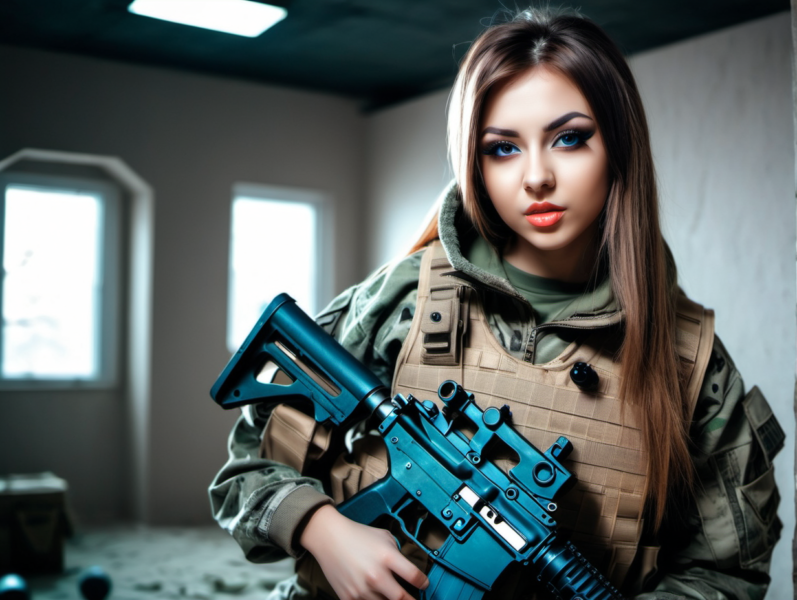
Airsoft is a recreational sport that combines elements of tactical shooting, role‑playing, and team‑based competition. Participants—known as “players”—use replica firearms that fire non‑lethal, 6 mm plastic BBs propelled by compressed gas, electricity, or spring mechanisms. The guns are designed to look and feel like real weapons, which gives the sport its characteristic realism. Matches are typically organized in a “military simulation” (MilSim) style, where players assume specific roles, follow mission objectives, and adhere to a set of safety and conduct rules. Because the projectiles are low‑energy and the sport emphasizes strategy over sheer firepower, airsoft can be enjoyed by a wide age range and skill level, from casual weekend warriors to dedicated enthusiasts who train for months before a single match.
The fidelity of modern airsoft replicas—down to mil‑spec markings, realistic recoil, and authentic weight distribution—creates an immersive experience that appeals to fans of military history and tactical shooters alike. Many players appreciate the chance to “live out” scenarios that would otherwise be inaccessible, such as close‑quarter urban combat or long‑range reconnaissance, without the risks associated with live ammunition.
Unlike many solo‑focused shooting games, airsoft thrives on cooperation. Players must communicate, coordinate movements, and execute plans that balance aggression with caution. Successful teams often assign leaders, designate breachers, and establish fire‑and‑move tactics, mirroring real‑world military operations. This collaborative element sharpens problem‑solving skills and fosters trust among teammates.
Airsoft matches come in a spectrum of formats, each emphasizing different aspects of play:
These modes keep the sport fresh and encourage players to adapt tactics on the fly.
Airsoft gear is famously modular. Pistols and rifles can be fitted with scopes, rail systems, suppressors, and extended magazines. Even the external aesthetics—camouflage patterns, paint jobs, and accessories—are highly customizable. This personalization allows players to tailor their equipment to preferred play styles, body types, and even the specific terrain of a given field.
Beyond the battlefield, the airsoft community is a vibrant network of forums, social media groups, local clubs, and national associations. Players exchange advice on gun upgrades, share field reports, organize meet‑ups, and even collaborate on charitable events. The sense of belonging often extends beyond the game itself, turning casual participants into lifelong friends.
Starting out in airsoft does not require a full‑scale arsenal, but certain pieces of protective equipment are non‑negotiable for safety and comfort.
| Item | Why It Matters |
|---|---|
| Eye Protection | The most critical safeguard; certified goggles or masks prevent BBs from causing permanent eye injury. |
| Gloves | Provide hand protection against BB impact, rough terrain, and potential splinters from wooden obstacles. |
| Sturdy Boots | Offer ankle support, traction on uneven ground, and protection from debris and accidental foot‑shots. |
| Knee Pads & Elbow Pads | Cushion joints during crawling, rolling, or taking cover behind low barriers. |
| Helmet | Shields the head from stray BBs and can serve as a mounting platform for lights or cameras. |
| Lower‑Face Protection | Often a mesh mask that guards the mouth and teeth, especially important in close‑quarters engagements. |
While a full kit may seem daunting, many fields provide basic safety gear for rent. However, investing in personal, well‑fitting equipment enhances both performance and confidence on the field.
All participants must treat every gun as if it were loaded with live ammunition. This mindset translates into mandatory safety briefings, strict muzzle‑control protocols, and the requirement to wear approved eye protection at all times. Many fields enforce a “yellow card” system: a player receives a warning for unsafe conduct, and repeated violations can result in temporary removal from the game.
Airsoft operates on a trust‑based “hit” acknowledgement. When a player is struck by a BB with sufficient velocity, they must call “hit” and immediately cease fire, stepping out of the active play area to “respawn” after a predetermined time. Cheating—whether by failing to admit a hit or by deliberately shooting at close range—undermines the sport’s integrity and is heavily discouraged.
Respect extends to fellow players, referees, field staff, and the environment. This includes obeying field boundaries, cleaning up spent BBs, and refraining from harassment or aggressive language. Most organized events have a code of conduct that outlines expectations and consequences for violations.
AEGs are the most popular class, powered by rechargeable lithium‑ion or NiMH batteries that drive a motor to cycle the gearbox. They can fire in semi‑automatic, burst, or fully automatic modes, offering a reliable rate of fire and consistent muzzle velocity. Because they mimic the operation of real‑world firearms, AEGs are often the first choice for players seeking a balanced blend of realism and performance.
These guns use compressed gas—either green gas, CO₂, or proprietary propellants—to propel BBs. Gas pistols and rifles deliver a realistic blowback action, providing tactile recoil similar to a live‑fire counterpart. However, performance can be temperature‑dependent; cold weather may reduce gas pressure and affect consistency.
Spring guns require manual cocking before each shot. While the rate of fire is limited, they are mechanically simple, inexpensive, and immune to battery or gas failures. Many high‑precision sniper rifles in airsoft are spring‑driven, as the single‑shot nature allows for tighter tolerances and higher muzzle velocities.
Each type has its own maintenance routine, cost structure, and situational advantages. Beginners often start with an AEG for its versatility, while seasoned players may acquire gas or spring platforms to specialize in particular roles.
Researchers studying projectile injuries have repeatedly confirmed that, when proper protective equipment is used, the risk of serious harm from airsoft BBs is minimal. The kinetic energy of a typical 0.20 g BB traveling at 350 fps (≈115 m/s) equates to roughly 0.5 J—far below the threshold for bone fracture but sufficient to cause bruising or eye damage without protection.
Industry experts emphasize the importance of adhering to velocity limits set by governing bodies and field operators. In most jurisdictions, muzzle velocities are capped at 350–400 fps for 0.20 g BBs in indoor settings and 400–450 fps for outdoor play, balancing realistic performance with safety. Manufacturers have responded by integrating internal hop‑up systems, adjustable gearboxes, and standardized safety markings to ensure compliance.
From a sociological standpoint, scholars note that airsoft serves as a constructive outlet for aggression, promotes teamwork, and can even aid in the development of tactical decision‑making skills applicable to emergency services and law enforcement training. The sport’s regulated environment—grounded in the honour system and clear rules—provides a structured framework that discourages reckless behavior.
The demographic landscape of airsoft is remarkably diverse:
Gender participation is also growing, with an increasing number of women joining clubs, forming all‑female teams, and competing at high levels. This inclusivity is bolstered by community outreach programs and mentorship initiatives.
Official fields are licensed venues that enforce safety standards, provide rental gear, and organize structured games. They often feature diverse terrain—forests, urban mock‑ups, and abandoned industrial sites—allowing players to experience a variety of tactical scenarios. Most fields require players to sign waivers, undergo a safety briefing, and adhere to velocity limits.
Grass‑roots organizations meet regularly for practice sessions, friendly skirmishes, and skill workshops. Joining a club is an excellent way for newcomers to learn the fundamentals, receive mentorship, and build relationships with seasoned players. Many clubs maintain private training grounds, host weekend “scrims,” and participate in regional leagues.
MilSim (Military Simulation) events are large‑scale, often multi‑day affairs that simulate realistic combat operations. Participants may be assigned ranks, receive mission briefings, and employ logistics planning similar to actual military exercises. These events can take place on expansive outdoor ranges, historic battlefields, or specially constructed “war zones” complete with bunkers, cleared zones, and night‑time illumination. MilSim gatherings attract players who crave an immersive, narrative‑driven experience that goes beyond the typical match format.
Airsoft stands at the intersection of sport, hobby, and community, offering a unique blend of realism, strategy, and creativity. By respecting the core rules—safety, honour, and mutual respect—players can enjoy a thrilling yet responsible pastime. Whether stepping onto a local field for a quick CTF match, joining a club to hone tactical skills, or immersing oneself in a weekend MilSim adventure, the world of airsoft provides endless opportunities for growth, camaraderie, and fun.


