El Monte
 Log in
Log in
Log in

Xtreme Paintball & Laser Tag is located in Dover, AR.
Xtreme Paintball & Laser Tag: Your Destination for Thrilling Tactical Adventures in Dover, AR
For those seeking the ultimate adrenaline rush, Xtreme Paintball and Laser Tag in Dover, AR, provides a diverse range of exciting activities. They offer Paintball, Outdoor Laser Tag, Air Soft, and GelBall, ensuring there’s something to cater to every thrill-seeker’s preferences. With three incredible fields to choose from, guests are guaranteed a top-tier outdoor gaming experience.
At Xtreme Paintball and Laser Tag, they operate on a “Reservation Only” basis, ensuring that each group – whether it’s a Church group, Birthday party, or Private event – receives exclusive attention and personalized service. This approach eliminates the worry of facing unknown opponents, as they prioritize each group’s privacy and enjoyment. Furthermore, they offer flexible hours of operation to accommodate various schedules, making them available whenever guests are ready to embark on a memorable paintball or laser tag experience. Guests can count on them to provide exceptional service and unforgettable adventures, tailored to their specific needs and preferences.
 Outdoors
Main Event Laser Tag is located in Little Rock, AR
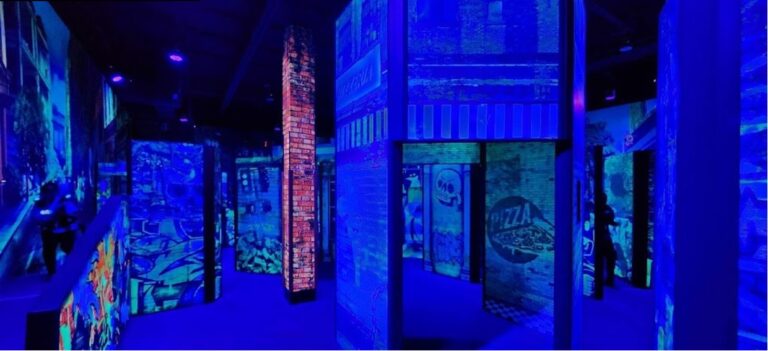
Main Event is a huge entertainment hub where you can spend your weekend or throw a birthday party. These laser-tag battles take place in a multi-story arena with fantasy-like decorations, neon lights, and laborious obstacles. Climb up the towers and rain fire on unsuspecting enemies.
There is also a large recreation area with snacks and drinks to chill after the game. There’s also bowling, pool, VR, mini-golf, a story room, and a ropes course – all available at one single place!
 Indoors
Action Jacks Family Fun & Entertainment Indoor Facility is located in Conway, AR
Action Jacks Family Fun & Entertainment is a perfect place for a family day out in Conway, AR. There are plenty of things to do for all ages, including laser tag, virtual reality experiences, escape rooms, arcade games, and mini-golf. The facility is clean, well-maintained, and staffed with friendly employees who are always willing to help. The pricing is reasonable, and there are often specials and promotions available. Overall, Action Jacks Family Fun & Entertainment is a great option for a fun-filled day out with the family.
Indoors
Laser tag in Little Rock, Arkansas is a fun and exciting way to enjoy an afternoon or evening with friends and family! This fast-paced game is a great way to blow off some steam while engaging in friendly competition. With numerous laser tag centers throughout the city, there’s no shortage of places to test your skills and strategy.

Laser tag is a competitive, fast‑paced activity in which participants wear infrared‑sensitive vests and wield handheld “phasers” that emit harmless laser beams. A central computer or a network of receivers records each hit, assigns points, and often tracks additional data such as movement speed, line‑of‑sight angles, and team performance. Unlike traditional paintball, there is no physical projectile, no clean‑up, and the environment can be easily reconfigured for a virtually limitless variety of missions.
The technology behind laser tag has evolved from simple infrared transmitters in the 1970s to sophisticated systems that integrate GPS, Bluetooth, and augmented‑reality overlays. Modern arenas can project dynamic lighting, sound effects, and digital obstacles onto physical structures, turning a warehouse or a forest clearing into a living, breathing battlefield.
a. Classic Deathmatch
Two teams (or a free‑for‑all) compete to score the highest number of hits within a set time limit. The emphasis is on quick reflexes and aggressive positioning.
b. Mission‑Based Ops
Players receive a briefing that resembles a military or sci‑fi briefing: rescue hostages, defuse a virtual bomb, or retrieve a data core. Objectives are layered on top of the basic hit‑count system, encouraging strategic planning and role allocation.
c. Zombie Survival
One side plays “infected” players who can “tag” healthy participants, converting them into additional zombies. The remaining survivors must reach safe zones or complete tasks before they are overwhelmed.
d. Capture the Flag (CTF)
Each team protects a physical or virtual flag while attempting to infiltrate the opponent’s territory. Sensors on the flag relay real‑time status, creating tense moments when a flag is under attack.
e. Adventure Quest
Designed especially for younger audiences, this scenario weaves a story—such as a treasure hunt on a distant planet—into the gameplay. Clues are hidden throughout the arena, and successful completion unlocks “bonus points” or special effects.
These scenarios can be mixed, modified, or entirely reinvented, thanks to the flexibility of digital control panels and modular arena design.
Physical Fitness
Although the weapon itself is lightweight, the game demands rapid sprinting, dodging, crouching, and climbing. Studies measuring heart‑rate variability in participants show that a typical 15‑minute round can raise cardiovascular output to the level of moderate‑intensity aerobic exercise. Repeated sessions improve agility, balance, and reaction time.
Cognitive Development
Laser tag requires players to process visual and auditory cues, make split‑second decisions, and anticipate opponents’ moves. Research on fast‑paced, sensor‑driven games indicates a measurable boost in spatial awareness and working memory after regular participation.
Social Skills & Team Cohesion
The built‑in scoring system and team objectives foster communication, leadership, and trust. In corporate settings, teams that engage in laser‑tag exercises report higher post‑event collaboration scores compared with groups that only attend seminars.
Stress Relief
The immersive, high‑energy environment offers a healthy outlet for adrenaline. Unlike high‑impact contact sports, laser tag mitigates the risk of injury while still delivering a cathartic experience that can lower cortisol levels in participants.
Technological Literacy
Because many modern systems integrate mobile apps for stats tracking, participants gain familiarity with data interpretation, Bluetooth connectivity, and user‑interface navigation—soft skills that translate into everyday digital competence.
Physiologists have highlighted laser tag’s capacity to deliver a “whole‑body workout” without the joint strain typical of running on hard surfaces. Their recommendations often emphasize proper warm‑up and hydration, especially in indoor arenas where temperatures can rise quickly.
Psychologists point to the game’s role in promoting “flow”—a mental state of total immersion where skill level matches challenge. Laser tag’s adjustable difficulty settings allow facilitators to keep participants in this optimal zone, which is associated with increased satisfaction and learning retention.
Engineers and developers stress the importance of reliable sensor calibration. Misaligned receivers can create false positives or missed hits, which erode trust in the system. The industry trend is toward self‑diagnosing hardware that alerts staff of alignment drift before a session begins.
Business analysts note the sector’s robust growth: revenue from laser‑tag facilities worldwide has risen consistently over the past decade, driven by diversification into themed experiences and corporate team‑building packages. The low overhead of portable equipment has also enabled pop‑up events at festivals, schools, and outdoor recreation parks.
Collectively, these viewpoints affirm that laser tag is more than a novelty; it is a multidisciplinary platform that blends physical activity, mental challenge, and technology.
Children and Families
For kids, laser tag offers a safe alternative to paintball or foam‑dart battles. The absence of mess, combined with vibrant, kid‑friendly arena designs, makes it a staple at birthday parties and school field trips. Parents appreciate the controllable environment, where staff can enforce age‑appropriate rules and monitor screen time through real‑time scoreboards.
Teens and Young Adults
High school groups often use laser tag as a reward after sports seasons or academic milestones. The competitive edge appeals to teens who enjoy esports, yet the physical component satisfies those who crave kinetic play. Many arenas host league nights, allowing regular participants to develop skill rankings.
Graduates and Milestone Celebrations
Graduation parties have embraced laser tag as a dynamic way to mark the transition to adulthood. The activity encourages graduates to collaborate on missions that metaphorically echo real‑world challenges—problem solving under pressure, strategic planning, and adaptability.
Corporate Teams
Companies book laser‑tag sessions for onboarding, leadership workshops, and annual retreats. Facilitators can overlay corporate objectives onto game scenarios: for instance, a “data‑breach” mission can simulate cybersecurity awareness, while a “resource‑allocation” challenge mirrors supply‑chain decision making. Post‑game debriefs translate game metrics into actionable business insights.
Seniors and Adaptive Groups
Some community centers have introduced laser‑tag formats tailored for older adults, with slower pacing, larger arenas, and simplified scoring. The activity promotes gentle movement, social interaction, and mental stimulation, aligning with health recommendations for active aging.
Birthday Parties
A typical birthday package includes a private arena slot, a themed storyline (space explorers, jungle rescue, etc.), and a customizable scoreboard that displays each child’s name and points. Party hosts can order photo‑ops, souvenir laser‑tag vests, and snack stations, turning a few hours of play into a memorable celebration.
Graduation Gatherings
Graduates often request “battle‑royale” tournaments that culminate in a championship match. Organizers can integrate music, a red‑carpet entrance, and a trophy ceremony, delivering a sense of ceremony that matches the gravitas of the academic milestone.
Corporate Functions
Business‑focused laser‑tag sessions typically begin with a brief on the objectives, followed by a 20‑minute warm‑up round and a 30‑minute main mission. After gameplay, a facilitator leads a discussion linking game performance to workplace competencies such as communication clarity, delegation, and risk assessment. The measurable data (hit ratios, response times, team cohesion scores) become concrete talking points for leadership development.
Indoor Arenas
Most urban centers host purpose‑built laser‑tag facilities. These venues feature black‑out walls, layered platforms, and dynamic lighting rigs that can be reprogrammed for each scenario. Climate control ensures consistent performance regardless of season, and built‑in safety nets reduce the risk of injury on elevated surfaces. Indoor arenas also accommodate corporate bookings during business hours, as they are insulated from weather disruptions.
Outdoor Fields
Portable laser‑tag systems have expanded the game into parks, forests, and even beach settings. Outdoor play emphasizes natural terrain: hills, trees, and open meadows become tactical obstacles. Solar‑powered charging stations and rugged, weather‑sealed vests enable multi‑hour sessions without the need for permanent infrastructure. Many adventure camps incorporate laser‑tag into their curriculum, blending wilderness skills with high‑tech gameplay.
Hybrid Experiences
Some operators combine indoor and outdoor elements by setting up “hub” zones inside a building and extending the battlefield to adjacent fields. This model allows for complex missions that transition from close‑quarters combat inside a mock‑warehouse to long‑range pursuits across a field, offering participants a varied physical experience in a single event.
When selecting a location, organizers should consider the following factors:
Capacity and Layout – Determine the maximum number of participants and whether the space can accommodate the desired scenario complexity.
Technology Compatibility – Verify that the venue’s equipment supports the chosen game system (infrared, RF, or hybrid).
Safety Protocols – Ensure staff are trained in first‑aid, equipment inspection, and crowd management.
Accessibility – Look for wheelchair‑friendly routes and adjustable sensor heights for inclusive play.
Atmosphere – For corporate events, a sleek, modern arena may reinforce brand image; for birthday parties, a themed, colorful environment often resonates better with children.
The next wave of laser‑tag evolution is expected to blend augmented reality (AR) with physical environments. Head‑mounted displays could overlay holographic enemies, mission markers, and health bars directly onto the arena, merging the tactile thrill of real‑world movement with the visual richness of video games. Meanwhile, data analytics platforms are being developed to generate personalized performance reports, enabling coaches and managers to track progress over months rather than single sessions.
As battery technology improves, vests will become lighter and capable of longer operation, opening the door to marathon‑style events that last several hours. Combined with eco‑friendly power solutions—such as kinetic charging pads that harvest energy from player movement—laser tag may soon become a self‑sustaining, low‑impact sport.
Laser tag stands at the intersection of entertainment, physical fitness, and technology. Its adaptable scenarios—from deathmatch to narrative quests—cater to a wide demographic that includes children, teenagers, graduates, corporate teams, and seniors. The activity delivers measurable health benefits, sharpens cognitive abilities, and reinforces social cohesion, a fact affirmed by physiologists, psychologists, and industry analysts alike.
Whether hosted in a high‑tech indoor arena pulsing with neon lights or in a sun‑drenched forest clearing where leaves become natural cover, laser tag provides an engaging, low‑risk platform for people to compete, collaborate, and celebrate. As the industry embraces AR integration and advanced data analytics, the game will continue to grow beyond mere recreation, evolving into a versatile tool for education, team‑building, and immersive storytelling.
In a world increasingly dominated by screens, laser tag invites participants to step out, move their bodies, and experience the thrill of a digital battle played in the real world—a timeless recipe for fun, fitness, and fellowship.



 90 Tucker Mountain Rd, Dover, AR 72837, United States