
 El Monte
 Log in
Log in
Log in

Xtreme Paintball & Laser Tag is located in Dover, AR.
Xtreme Paintball & Laser Tag: Your Destination for Thrilling Tactical Adventures in Dover, AR
For those seeking the ultimate adrenaline rush, Xtreme Paintball and Laser Tag in Dover, AR, provides a diverse range of exciting activities. They offer Paintball, Outdoor Laser Tag, Air Soft, and GelBall, ensuring there’s something to cater to every thrill-seeker’s preferences. With three incredible fields to choose from, guests are guaranteed a top-tier outdoor gaming experience.
At Xtreme Paintball and Laser Tag, they operate on a “Reservation Only” basis, ensuring that each group – whether it’s a Church group, Birthday party, or Private event – receives exclusive attention and personalized service. This approach eliminates the worry of facing unknown opponents, as they prioritize each group’s privacy and enjoyment. Furthermore, they offer flexible hours of operation to accommodate various schedules, making them available whenever guests are ready to embark on a memorable paintball or laser tag experience. Guests can count on them to provide exceptional service and unforgettable adventures, tailored to their specific needs and preferences.
 Outdoors
Airsoft in Little Rock, Arkansas is rapidly becoming one of the most popular recreational activities in the city. Airsoft is a tactical team sport that utilizes replica firearms to shoot plastic BBs at opponents in a safe and controlled environment. In Little Rock, there are a number of dedicated Airsoft parks, facilities, and clubs, along with a growing community of avid players.
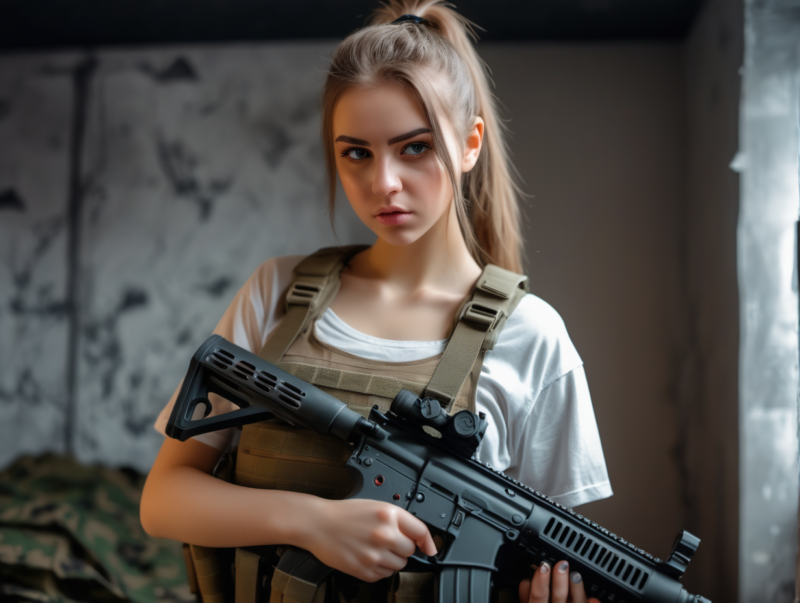
Airsoft has blossomed from a niche hobby into a global phenomenon that blends the thrills of military simulation with the camaraderie of team sport. At its core, the activity uses replica firearms that fire 6 mm plastic BBs at sub‑lethal velocities. The appeal lies not only in the realistic feel of the weapons but also in the layered demands it places on participants: precise tactics, seamless teamwork, and rapid adaptation to ever‑changing battlefield conditions. Because of these qualities, airsoft has earned a reputation as a “live‑action” sport that rewards both mental acuity and physical coordination.
Realism – Most airsoft guns are meticulously modeled after real‑world weapons, from the external finish to the internal mechanics. The weight, recoil, and reloading cadence mimic their lethal counterparts closely enough that participants can rehearse handling, maintenance, and marksmanship without the legal or ethical concerns associated with live fire.
Teamwork and Strategy – Unlike many solitary shooting sports, airsoft is fundamentally a team‑based activity. Successful squads must communicate clearly, allocate roles (breacher, sniper, rifleman, medic), and execute coordinated maneuvers. Strategy is often dictated by the layout of the playing field, the chosen game mode, and the equipment each side brings to the encounter.
Variety of Game Modes – From classic “Capture the Flag” and “Team Deathmatch” to elaborate “MilSim” (military simulation) scenarios that span multiple days, the game modes are as diverse as the players themselves. Each mode emphasizes different aspects of the sport: speed and aggression, stealth and reconnaissance, or endurance and logistical planning.
Customization – The aftermarket for airsoft is expansive. Internally, players can swap hop‑up units, upgrade gearboxes, or install higher‑capacity magazines. Externally, rail systems, tactical lights, foregrips, and muzzle devices allow each player to tailor the gun to personal ergonomics and tactical preferences.
Community – The culture surrounding airsoft is built on a strong, often informal network of local clubs, online forums, and regional tournaments. Enthusiasts share field reports, modification tips, and safety advice, creating an ecosystem that supports newcomers while keeping veterans engaged.
A novice’s first foray into airsoft should prioritize protection and durability over aesthetic flair. The following items constitute a sensible baseline:
Item Why It Matters
Eye Protection The most critical safety component; certified polycarbonate lenses stop BBs traveling at 300–400 fps.
Gloves Provide hand protection from BB impacts, prevent rope burns on grab handles, and improve grip on weapons and accessories.
Sturdy Boots Reinforced toe caps and ankle support guard against rough terrain, hidden obstacles, and sudden sprints.
Knee Pads & Elbow Pads Reduce bruising and abrasions when crawling, taking cover behind low obstacles, or falling during rapid movement.
Helmet Offers head protection from stray BBs and, in many designs, a mounting platform for lights or cameras.
Lower‑Face Protection A full‑face mask or balaclava with a protective grill shields the mouth and nose, areas most vulnerable in close‑quarters combat.
When assembling a kit, the player should verify that every piece meets the standards set by the governing body of their local field—most fields require ANSI Z87.1‑rated eye protection and may also ban certain types of facial protection for safety or liability reasons.
Safety First
Every field begins each session with a safety briefing. The universal “no BBs above waist level unless the barrel is covered” rule is enforced to keep stray projectiles from striking bystanders. Players must keep weapons on “safe” or “semi‑automatic” while moving between zones, and they must cease fire when an opponent calls “hit”.
The Honour System
Airsoft relies heavily on personal integrity. Since the BBs rarely cause lasting injury, it is up to each participant to call themselves out when they are struck. Most fields employ a “red‑card” system: a player who acknowledges a hit must raise a red flag or hand signal, immediately withdrawing from the current round.
Respect
Respect extends beyond the honour system. It encompasses courteous interaction with opponents, adherence to field boundaries, and observance of local laws regarding replica firearms. A respectful attitude keeps the sport welcoming and protects its reputation within the wider community.
Automatic Electric Guns (AEGs)
AEGs dominate the market due to their reliability and ease of use. Powered by a rechargeable 7.2 V or 9.6 V Li‑ion or NiMH battery, they employ a gearbox that cycles a spring‑driven piston to compress air and fire each BB. Modern AEGs can be tuned to fire at 300–400 fps (the typical legal limit) while maintaining a selectable firing mode—semi, burst, or full auto.
Gas‑Powered Airsoft Guns
These replicate the blow‑back action of real firearms by using compressed propellants such as green gas, CO₂, or HFC‑134a. Gas pistols and rifles deliver realistic recoil and can be switched to “real‑gun” mode, where the weapon cycles without loading BBs, allowing players to train handling without expending ammunition.
Spring‑Powered Airsoft Guns
Often called “springers,” these are manually cocked before each shot. While they have lower rates of fire, their simplicity makes them ideal for beginners and for use in high‑temperature environments where gas guns can suffer pressure inconsistencies. Spring guns also tend to be cheaper, providing an affordable entry point.
Each platform offers distinct advantages: AEGs excel in sustained fire; gas guns provide authentic blow‑back; spring guns give reliability and low maintenance. The choice ultimately depends on the player’s preferred role, budget, and the tactical demands of the chosen game mode.
Researchers studying kinetic impact injuries have examined airsoft BBs to quantify risk. Findings consistently show that at regulated velocities (≤ 400 fps) and with proper protective gear, the probability of serious injury is extremely low. However, studies also stress the importance of eye protection—unprotected impacts can cause corneal abrasions or, in rare cases, retinal damage. These conclusions have guided safety standards adopted by most major fields worldwide.
From an industry angle, manufacturers argue that airsoft serves as a low‑cost, low‑risk platform for firearms training and tactical drills. Military and law‑enforcement agencies in several countries have incorporated airsoft simulations into their curricula, noting the benefits of realistic handling without the logistical headaches of ammunition tracking and range safety zones. Moreover, the hobby’s aftermarket has spurred innovation in lightweight polymers, battery technology, and modular design—advancements that occasionally cross over into legitimate firearm accessories.
The demographic tapestry of airsoft is surprisingly broad:
Young Adults and College Students – Drawn by the adrenaline rush and team dynamics, many join campus clubs or local leagues.
Veterans and Law‑Enforcement Personnel – Use the sport to maintain tactical proficiency, rehearse movement drills, and decompress after service.
Historians and Reenactors – Appreciate the historical fidelity of period‑accurate weapons and scenarios.
Tech Enthusiasts – Enjoy the mechanical tinkering and electronic upgrades that AEGs and gas guns permit.
Families and Casual Players – Participate in family‑friendly “play‑soft” events that prioritize safety and fun over competition.
Across these groups, the common thread is a desire for an immersive experience that blends physical activity with strategic thinking.
Sanctioned Airsoft Fields
Most urban areas host dedicated fields equipped with safety officers, marked boundaries, and built‑in obstacles—bunkers, towers, and simulated urban streets. These venues enforce strict rules regarding FPS limits, mandatory protective equipment, and the honour system, making them ideal for newcomers.
Local Teams and Clubs
Grassroots organizations often meet weekly for informal skirmishes in public parks or private properties. Membership typically includes a small fee for equipment loans, coaching, and group discounts on ammunition. Clubs cultivate a supportive environment, helping novices master fundamentals such as loading techniques, trigger discipline, and basic team tactics.
MilSim Events
MilSim (Military Simulation) events can range from single‑day “objective‑based” missions to multi‑day campaigns that mimic real‑world operations. Participants receive detailed briefs, embark on reconnaissance, establish forward operating bases, and manage logistics such as ammunition resupply and casualty evacuation. These high‑intensity simulations attract seasoned players seeking a deeper narrative and a chance to test advanced strategies.
Research Local Fields – Identify a venue with beginner‑friendly rules and a reputable safety record. Verify that the field requires the protective gear listed above.
Acquire Core Gear – Purchase certified eye protection, a sturdy pair of boots, gloves, and a basic helmet. Many fields offer rental options for helmets and face protection, which can reduce initial expense.
Select an Introductory Gun – For most novices, a mid‑range AEG (e.g., a 300 fps rifle with a removable battery) provides the best balance of performance and ease of maintenance. Consider a model that includes a hop‑up adjustment for improved accuracy.
Attend a Safety Briefing – Listen carefully to the field’s specific rules regarding FPS limits, “no‑fire” zones, and the process for calling hits.
Practice the Honour System – Before stepping onto the field, rehearse raising the red flag or verbally acknowledging a hit. This habit reinforces fairness and builds trust among teammates.
Join a Team – Ask the field’s staff about local squads. Playing with a group that emphasizes communication will accelerate skill development.
Reflect After the Game – Review what worked (cover usage, reload speed) and what didn’t (communication lapses, positioning). Use these insights to tweak gear, adjust tactics, or seek mentorship.
Conclusion
Airsoft occupies a unique niche at the intersection of sport, simulation, and community building. Its appeal rests on a blend of realistic weaponry, collaborative tactics, and a diverse selection of game modes that keep the experience fresh. By starting with essential protective gear, adhering to widely accepted safety and honour principles, and understanding the differences among electric, gas, and spring‑powered platforms, newcomers can dive in confidently. Scientific findings support the activity’s safety when proper precautions are taken, while industry voices highlight its value as a training adjunct for professionals.
Whether a high‑school student seeking an adrenaline‑filled weekend, a veteran polishing combat skills, or an engineer fascinated by mechanical customization, airsoft offers a welcoming arena where strategy meets physicality. With fields ranging from compact indoor complexes to sprawling MilSim battlegrounds, the sport provides an accessible entry point and a ladder to increasingly elaborate experiences. As the community continues to grow—fuelled by shared knowledge, mutual respect, and a collective love for realistic play—airsoft stands poised to remain a vibrant, multifaceted pastime for years to come.



 90 Tucker Mountain Rd, Dover, AR 72837, United States