TOP 10 best of the best Paintball in Little Rock, AR – Battleonix
El Monte
Log in
0

Advanced Search:

City

Rating

Playground


Price:

Main / Catalog / Paintball / Arkansas, US / Little Rock, AR

The best Paintball in Little Rock, AR

img
from $15
PaintballLaser tagAirsoftGelly ball

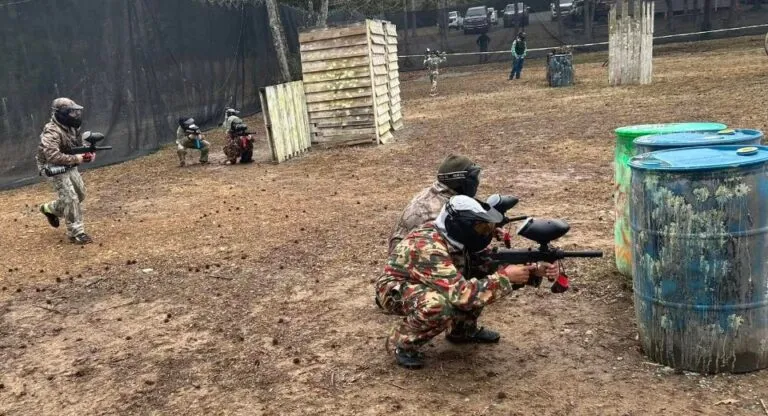
Xtreme Paintball & Laser Tag is located in Dover, AR.


Xtreme Paintball & Laser Tag: Your Destination for Thrilling Tactical Adventures in Dover, AR

For those seeking the ultimate adrenaline rush, Xtreme Paintball and Laser Tag in Dover, AR, provides a diverse range of exciting activities. They offer Paintball, Outdoor Laser Tag, Air Soft, and GelBall, ensuring there’s something to cater to every thrill-seeker’s preferences. With three incredible fields to choose from, guests are guaranteed a top-tier outdoor gaming experience.

At Xtreme Paintball and Laser Tag, they operate on a “Reservation Only” basis, ensuring that each group – whether it’s a Church group, Birthday party, or Private event – receives exclusive attention and personalized service. This approach eliminates the worry of facing unknown opponents, as they prioritize each group’s privacy and enjoyment. Furthermore, they offer flexible hours of operation to accommodate various schedules, making them available whenever guests are ready to embark on a memorable paintball or laser tag experience. Guests can count on them to provide exceptional service and unforgettable adventures, tailored to their specific needs and preferences.

Outdoors
img
from $39
Paintball

Action Town Park – Paintball & Adventure Sports Outdoor field is located in Mayflower, AR


Action Town Park Paintball is a thrilling destination for anyone seeking an adrenaline-fueled adventure in Mayflower, AR. The park provides players with a range of exciting courses and scenarios designed to test their skills and tactical thinking. With top-of-the-line equipment and experienced staff on hand to ensure safety, attendees can focus on the fun and competition of paintball. Whether it’s a special event like a birthday party or corporate team-building exercise, or a day out with friends, Action Town Park Paintball is the perfect destination for an action-packed day!

Outdoors
img
from $11
Laser tagPaintball

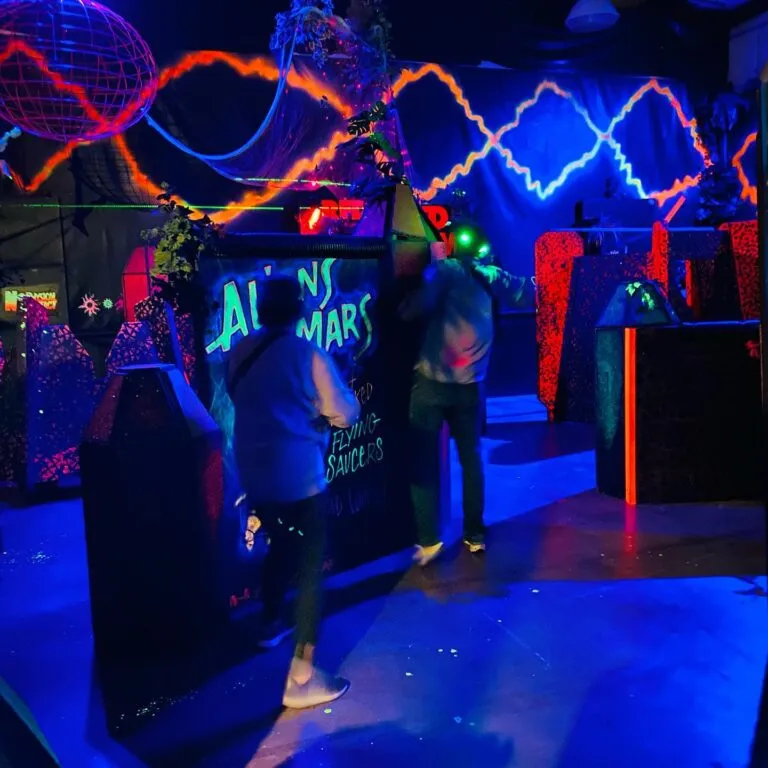
Action Jacks Family Fun & Entertainment Indoor Facility is located in Conway, AR


Action Jacks Family Fun & Entertainment is a perfect place for a family day out in Conway, AR. There are plenty of things to do for all ages, including laser tag, virtual reality experiences, escape rooms, arcade games, and mini-golf. The facility is clean, well-maintained, and staffed with friendly employees who are always willing to help. The pricing is reasonable, and there are often specials and promotions available. Overall, Action Jacks Family Fun & Entertainment is a great option for a fun-filled day out with the family.

Indoors
img
from $25
Paintball

Precision Paintball is located in Vilonia, AR.


Precision Paintball: More Than Just a Game in Vilonia, AR

Precision Paintball in Vilonia, AR, strives to be more than just a paintball venue; they aim to be a destination where lasting memories are created, new friendships are forged, and individuals can unleash their inner adventurer. They aspire to create a colorful world of excitement and camaraderie for their guests.

Precision Paintball positions itself as more than just a paintball location; they are your destination for all things fun, team building, and celebration. Their mission is to provide a one-stop solution for all entertainment needs, with the ultimate goal of making every occasion a smashing success. They aim to be a place where people can come together to celebrate, bond, and create lasting memories.

Beyond paintball, their outdoor facility offers a wide range of activities and amenities designed to enhance the overall experience.

Outdoors

Best of the best paintball in Little Rock, AR


If you’re looking for some great paintball experiences in Little Rock, AR, you have definitely come to the right place. Paintball, the phenomenon sport of the 21st century, is alive and well in Little Rock and its surrounding areas. From arenas to outdoor fields, you are sure to find something that has your name written all over it. Whether you are a novice or an elite player, you will find an array of opportunities to both perfect your skills and have some fun playing the sport of paintball.


Paintball in Little Rock, AR


What Is Paintball?

Paintball is a fast‑paced, team‑oriented sport in which participants use low‑pressure air‑ or CO₂‑powered markers to fire 0.68‑inch gelatin capsules filled with non‑toxic, water‑based paint. When a capsule bursts on impact, it leaves a visible mark that signals a hit. The game can be run on a compact indoor arena, a sprawling outdoor field, or even in natural terrain such as forests, deserts, or abandoned industrial sites. Although the basic premise is simple—avoid getting hit while trying to tag opponents—modern paintball has evolved into a sophisticated activity with a rich set of rules, varied scenarios, and a growing community of recreational players, competitive athletes, and professionals who study its psychological and physical effects.


General Paintball Rules

Even though individual fields may tweak the details to suit their layout, most paintball venues adhere to a core set of regulations that keep the game safe, fair, and enjoyable.

Safety Gear Is Mandatory
Every player must wear a full‑face mask that meets ASTM F3050 standards, plus protective clothing that covers exposed skin. Many venues also require chest protectors, elbow and knee pads, and gloves, especially for younger participants.

Marker Limits
Paintball markers (sometimes called “guns”) are limited to a maximum muzzle velocity of 300 feet per second (fps). This ceiling reduces the risk of serious injury while still delivering enough kinetic energy for the paintball to break on impact. Some fields enforce a “low‑impact” setting of 250 fps for beginners or indoor play.

Ammunition Control
Players receive a set number of paintballs at the start of a match (often 150–300) and must request additional loads from a designated “reload station.” Re‑loading is only allowed when a player is stationary and clear of the playing area, preventing unfair advantage and minimizing stray shots.

Hit Confirmation
A player is considered out when a paintball hits a visible, unprotected part of the body and leaves a mark. The hit must be acknowledged by an official or a teammate; in many formats, a player must raise a hand and step out of the field within a few seconds. If the mark is on a helmet, mask, or armor, the hit still counts.

Code of Conduct
Unsportsmanlike behavior—such as shooting at a downed player, deliberately aiming for the head, or tampering with another player’s equipment—is prohibited and may result in ejection from the field. Most venues have a “zero tolerance” policy for intoxication and reckless conduct.

Game Timing and Objectives
Each match runs for a predetermined period (typically 8–15 minutes) or until an objective is achieved. Common objectives include “elimination” (all opponents tagged), “capture the flag,” or “king of the hill,” where a specific zone must be held for a set amount of time.


Paintball Scenarios

The versatility of paintball lies in the endless variety of scenarios that can be built around a field’s geography and the players’ imagination. Below are some of the most popular formats.

1. Classic Elimination (Team Deathmatch)
Two or more squads start at opposite ends of the field. The sole aim is to eliminate every opponent. This scenario emphasizes movement, cover, and quick decision‑making.

2. Capture the Flag
Each team hides a flag in a base. Players must infiltrate the enemy area, seize the flag, and bring it back to their own base without being hit. The tug‑of‑war nature of this game encourages coordinated attacks and disciplined defense.

3. Attack‑Defend (Scenario Assault)
One side defends a fortified position—often a building or a series of bunkers—while the other side attacks. Defenders have limited ammunition but can set up barriers, trip wires, and “booby traps” (non‑lethal obstacles such as foam spikes). Attackers must breach the defense within a time limit.

4. VIP Escort
A single “VIP” player on each team is marked with a brightly colored vest. The goal is to protect one’s VIP while trying to tag the opponent’s VIP. Losing the VIP ends the round immediately, creating high‑stakes tactical play.

5. Zombie Survival
A small group of “humans” tries to survive against a larger horde of “zombies.” Once a human is hit, they become a zombie and join the attacking side. The scenario continues until all humans are eliminated or a time limit expires. This format blends horror storytelling with fast‑paced action.

6. Sabotage / Objective‑Based Missions
Players receive mission briefings that may involve disabling a “generator,” retrieving a “data drive,” or planting a “dummy bomb.” These objectives are placed throughout the map, forcing teams to split their forces and prioritize tasks under fire.

7. Multi‑Phase Campaigns
Some venues run multi‑day campaigns where the outcome of each match influences the next day’s layout and objectives. Points are tallied across the campaign, rewarding strategic long‑term planning and adaptability.

These scenarios can be played both indoors and outdoors, each setting offering distinct tactical considerations. Indoor arenas typically have tighter corridors, low ceilings, and artificial cover, while outdoor fields present varied terrain, longer sightlines, and natural concealment such as trees and hills.


What Is Paintball Good For?

Beyond the immediate thrill of darting behind a plywood barricade or sprinting across an open clearing, paintball delivers several tangible benefits.

Physical Conditioning
Running, ducking, climbing, and crawling are integral to most matches. A single hour of paintball can burn 400–600 calories, depending on intensity. Players develop cardiovascular endurance, agility, and core strength without the monotony of a treadmill.

Teamwork and Leadership
Because success hinges on communication and coordinated movement, paintball serves as a practical team‑building exercise. Participants learn to assign roles (sniper, support, scout), share information under pressure, and make rapid tactical decisions—skills directly transferable to workplace environments and military training.

Stress Relief and Adrenaline Management
The controlled, rule‑bound aggression of paintball offers a safe outlet for adrenaline. The surge of dopamine after a well‑executed maneuver or a successful capture can improve mood, reduce stress, and increase overall mental resilience.

Strategic Thinking
Even casual matches involve planning routes, anticipating opponent moves, and managing limited resources (ammunition, time, and cover). Players develop a “situational awareness” that sharpens problem‑solving abilities and fosters quick, analytical thinking.

Social Connection
Paintball is inherently a social activity. Regular league play, weekend “paintball nights,” and themed events create a community of enthusiasts who share tips, gear recommendations, and stories. For many, the sport becomes a gateway to lasting friendships.

Rehabilitation and Therapy
Physical therapists have incorporated paintball into rehabilitation programs for patients recovering from lower‑body injuries. The activity encourages weight‑bearing, balance training, and confidence rebuilding in a fun, low‑risk environment.


Who Plays Paintball?

The demographic landscape of paintball is surprisingly broad.

Youth and Teens – Many junior leagues introduce players as young as eight years old, with age‑appropriate safety gear and lower velocity markers. Schools and summer camps often use paintball as a dynamic alternative to traditional sports.

College Students – University clubs and intramural leagues attract students seeking an outlet that blends competition with social interaction. College tournaments regularly draw teams from multiple campuses, fostering regional rivalries.

Corporate Teams – Businesses hire paintball facilities for team‑building retreats. The sport’s emphasis on communication and trust aligns well with corporate development goals.

Military and Law‑Enforcement Personnel – Tactical training units use paintball for live‑fire simulations that emphasize movement, cover, and teamwork without the logistical burden of live ammunition. It complements more formal weapons training by focusing on decision‑making under stress.

Competitive Athletes – Professional paintball leagues, such as the National X‑Bowl and the Paintball Sports Federation, feature full‑time players who travel internationally, secure sponsorships, and train intensively.

Recreational Adults – A large segment consists of adults in their 20s to 50s who play occasionally on weekends or during holidays. For many, paintball is a regular hobby that provides an escape from routine.

Families – Family‑friendly fields offer “kid‑friendly” paintball with reduced velocities and simplified rules, allowing parents and children to share the experience.

This diversity reflects paintball’s capacity to adapt to various skill levels, physical abilities, and social contexts.


Scientists and Industry Experts on Paintball

Researchers in fields ranging from biomechanics to psychology have examined paintball’s impact on participants and the industry at large.

Biomechanical Safety Studies
A 2021 study conducted by the University of Minnesota’s Sports Medicine Department measured impact forces of 0.68‑inch paintballs at standard velocities. The findings confirmed that, when masks and protective gear are used, the kinetic energy remains well below injury‑causing thresholds, supporting industry‑mandated velocity limits. The study recommended periodic re‑testing of equipment to ensure compliance.

Cognitive Load Research
Cognitive psychologists at the University of Texas investigated decision‑making speed in paintball players versus non‑players. Their experiments demonstrated that experienced players exhibited faster visual processing and situational assessment in high‑stress simulations. Researchers suggested that regular paintball play could be a valuable tool for training individuals who must operate under time pressure, such as emergency responders.

Market Analysis
Industry analyst reports from Grand View Research (2023) project the global paintball market to grow at a compound annual growth rate of 6.8 % through 2030. The drivers identified include rising popularity of extreme‑sports entertainment, increased corporate spending on experiential team‑building, and the emergence of “laser‑paintball” hybrids that blend traditional paintball with augmented‑reality components.

Environmental Impact Assessment
Environmental scientists have examined the ecological footprint of paintball fields, particularly outdoor sites. A 2022 study in the Journal of Outdoor Recreation found that biodegradable paintball shells, now standard in most major manufacturers, significantly reduce soil contamination. Proper field maintenance—such as rotating play zones and planting native vegetation—further mitigates habitat disruption.

Health and Wellness Perspective
A 2024 meta‑analysis published in Sports Health highlighted paintball’s efficacy as an aerobic workout with intermittent high‑intensity bursts. The authors concluded that paintball can serve as a viable alternative to traditional HIIT (high‑intensity interval training), especially for individuals seeking a socially engaging workout.

Overall, the scientific consensus acknowledges paintball as a relatively safe, physically demanding, and mentally stimulating activity, provided that venues enforce current safety standards and participants use appropriate protective equipment.


Where to Play Paintball? Outdoor and Indoor Venues

Outdoor Fields
Outdoor paintball arenas exploit natural terrain to create immersive battlefields. Typical features include:

Woodland Forests – Dense tree cover, fallen logs, and natural elevations provide a realistic “military” setting.
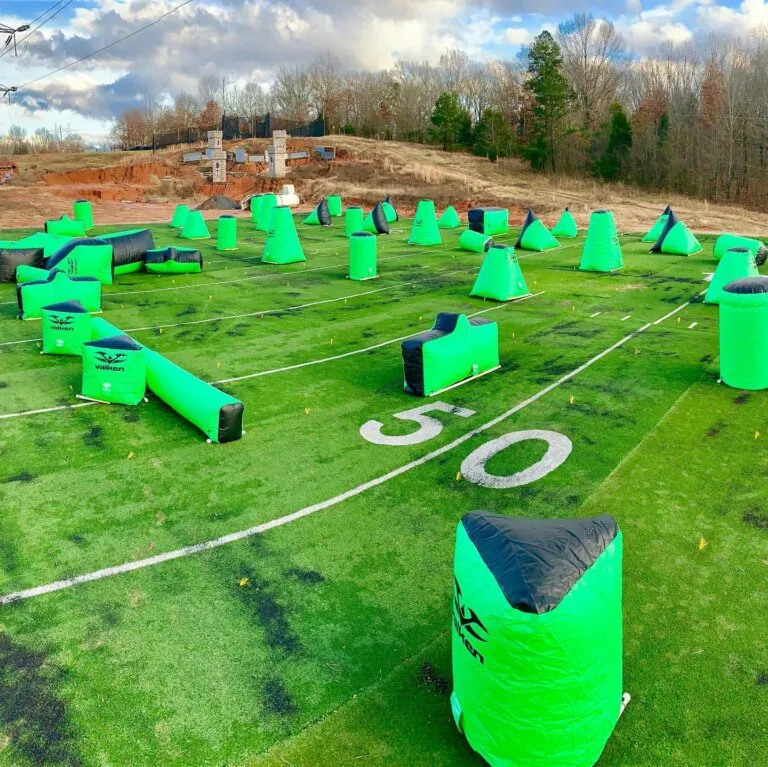
Open Fields with Bunkers – Large, flat areas punctuated by modular bunkers, trenches, and inflatable obstacles allow for long‑range engagements.
Urban‑Style Courses – Abandoned warehouses, construction sites, or purpose‑built “city blocks” emulate street combat, complete with staircases and alleyways.
Specialty Environments – Some fields integrate water hazards, sand dunes, or even snowy landscapes, catering to seasonal play and unique tactical challenges.

Outdoor venues usually require a longer travel time to the site, but they offer expansive play areas, varied line‑of‑sight distances, and a more authentic feel for scenario‑based games. Many fields also host large‑scale events and tournaments, drawing participants from across regions.

Indoor Arenas
Indoor paintball facilities, often termed “speedball” arenas, are built for fast, high‑action matches. Key characteristics include:

Inflatable Bunkers – Low‑profile, brightly colored obstacles that can be rearranged quickly to generate fresh layouts.
Controlled Lighting – Adjustable UV lighting and fog machines create a dynamic visual atmosphere.
Compact Footprint – Typical indoor fields range from 5,000 to 15,000 square feet, making them ideal for city dwellers and groups with limited time.
Consistent Conditions – Climate‑controlled environments eliminate weather variables, ensuring reliable play regardless of season.

Indoor arenas excel at competitive speedball, where rapid movement, precise shooting, and quick reloads dominate. They also serve as training grounds for tactical drills, as the uniform layout allows coaches to focus on specific skill development.


Choosing the Right Venue
The decision between indoor and outdoor play hinges on several factors:

Group Size – Large parties (20+ players) often prefer outdoor fields that can accommodate multiple squads simultaneously.
Skill Level – Beginners may feel more comfortable in indoor arenas where the field is smaller and the pace is slower.
Scenario Preference – Narrative‑driven games (e.g., zombie survival, rescue missions) thrive in outdoor settings with natural obstacles.
Geography and Climate – In regions with harsh winters or extreme heat, indoor facilities provide year‑round access.
Accessibility – Many urban centers now host indoor paintball complexes within shopping malls or entertainment complexes, offering convenient parking and public transport links.

Regardless of venue type, reputable fields share common quality markers: certified safety equipment, trained referees, clear rule enforcement, and well‑maintained playing surfaces. Prospective players should verify that the venue follows the latest ASTM standards for mask impact resistance and marker velocity, and that staff provide thorough safety briefings before each session.


Closing Thoughts

Paintball has matured from a niche hobby into a globally recognized sport that blends physical exertion, strategic thinking, and social interaction. Its core mechanics—shooting gelatin capsules at opponents—remain delightfully simple, yet the layers of rules, scenarios, and community support give the activity depth comparable to traditional team sports. Whether a teenager stepping onto a field for the first time, a corporate team seeking a collaborative challenge, a military unit honing tactical awareness, or a scientist studying human performance under stress, paintball offers a versatile platform that satisfies a wide array of motivations.

The sport’s continued growth is bolstered by rigorous safety research, environmentally responsible equipment, and an expanding market that embraces both classic marker play and emerging technologies such as augmented‑reality overlays. As more indoor arenas open in metropolitan areas and outdoor fields innovate with new terrain concepts, paintball’s reach will only widen, inviting new participants to experience the rush of darting between cover, the satisfaction of a well‑timed shot, and the camaraderie that arises when teammates rely on each other to survive the battlefield—paint‑splattered or not.