
 El Monte
 Log in
Log in
Log in

Sorry. We don’t know any airsoft locations in this city yet
Best of the best Airsoft in Columbus, GA
Airsoft in Columbus, GA is a great experience. This popular sport consists of individuals shooting plastic pellets at one another in an attempt to hit their opponents. Participants have the opportunity to get involved with the sport at local fields and play a variety of different game types.
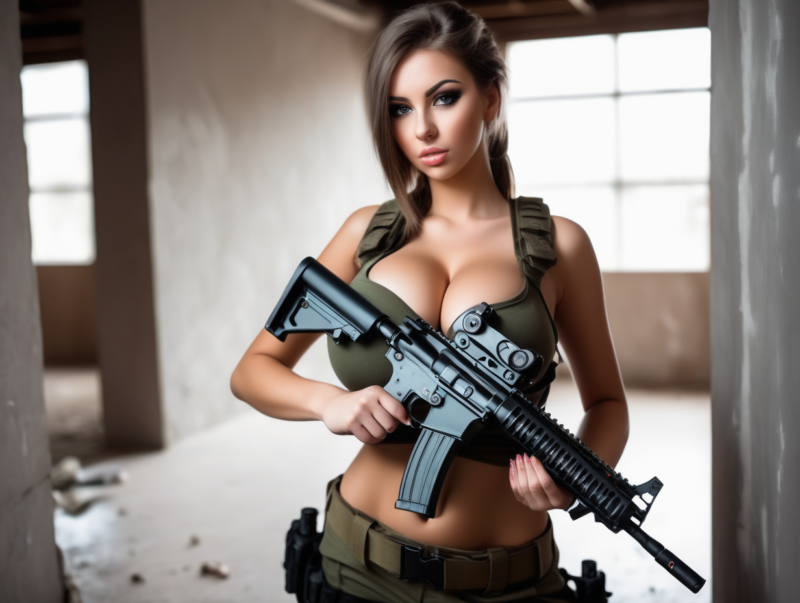
Airsoft is a fast‑growing sport that pits teams of players against one another in simulated combat using replica firearms that fire non‑lethal 6 mm plastic BBs. Unlike paintball, the projectiles leave no visible mark, which encourages a focus on tactics, positioning, and realistic engagement rather than on splatter. Matches can take place in wooded fields, urban‑style “CQB” (close‑quarter battle) arenas, or even in fully immersive military‑simulation (MilSim) environments. The sport’s appeal lies in its blend of physical activity, strategic thinking, and the thrill of handling gear that closely mimics real‑world weapons.
A cornerstone of airsoft is its commitment to realism. Players often dress in tactical uniforms, use authentic‑looking accessories, and follow military‑style communication protocols. This emphasis on realism heightens immersion and draws participants who enjoy the sensation of being part of a disciplined unit.
Teamwork is equally vital. Success rarely depends on a single “star” player; instead, squads must coordinate movements, cover fire, and execute pre‑planned maneuvers. Good communication, clear role assignment (rifleman, sniper, support, medic, etc.), and mutual trust are the currency of victory.
Strategy in airsoft extends beyond simple “shoot‑and‑run.” Players must consider terrain, line‑of‑sight, ammunition management, and the psychological aspects of deception—feints, decoys, and controlled retreats. The best teams treat each match as a living chess game, constantly reassessing the opponent’s tactics and adapting on the fly.
Airsoft’s flexibility allows for a wide range of game modes that cater to different skill levels and interests.
Each mode tests a different combination of shooting accuracy, movement discipline, and strategic planning, ensuring the sport remains fresh and challenging.
One of airsoft’s most appealing features is the depth of customization available to players. Modern replica rifles can be broken down into modular components: stocks, handguards, rails, optics, muzzle devices, and internal upgrades such as high‑torque gears or precision barrels.
Customization encourages a DIY mindset, drives a thriving aftermarket industry, and provides an ongoing learning curve that keeps seasoned players engaged.
The airsoft community is a global network of hobbyists, veterans, and newcomers who share a love for tactical recreation. Local clubs often host regular “train‑and‑play” sessions, where novices receive instruction on safety, marksmanship, and maintenance. Online forums and social‑media groups act as knowledge hubs, offering gear reviews, troubleshooting advice, and event announcements.
Because the sport relies heavily on the honor system—players must call themselves “hit” when struck by a BB—trust and sportsmanship are ingrained cultural values. This shared ethic fosters camaraderie that extends beyond the field, with many participants forming lasting friendships and even organized travel teams that attend national and international events.
For anyone stepping onto the field for the first time, a baseline set of protective equipment is essential. The following items provide a solid foundation of safety and comfort:
Investing in high‑quality gear early not only enhances safety but also improves confidence, allowing new players to focus on tactics rather than worrying about injury.
While each field may have its own specific regulations, three universal principles govern responsible play:
All participants must treat every firearm as if it were loaded with live ammunition. This mindset translates into strict muzzle‑direction rules, mandatory safety briefings, and the use of velocity‑limiting gear (typically capped at 350–400 fps for most civilian fields). Regular maintenance of weapons—cleaning hop‑up chambers, checking seals, and verifying battery health—helps prevent malfunctions that could cause accidental injury.
Airsoft relies on players self‑reporting hits. When a BB contacts the body, the affected player should immediately raise a hand or shout “hit” and refrain from further engagement until cleared by an opponent or a referee. This system maintains fair play and builds trust; repeated violations often result in removal from the field.
Respect for fellow participants, referees, and field staff is an integral part of the culture. This includes adhering to time limits, following designated boundaries, and refraining from aggressive language or harassment. Respectful conduct ensures that the sport remains welcoming to newcomers and acceptable to local authorities.
Airsoft replicas fall into three primary categories, each with distinct operating mechanisms and performance characteristics.
AEGs dominate the market due to their reliability, semi‑automatic and fully‑automatic fire modes, and relatively low maintenance. Powered by rechargeable lithium‑ion or nickel‑metal hydride batteries, they use a motor to drive a gearbox that compresses a spring, propelling BBs at consistent velocities. AEGs are versatile, easily upgraded, and suitable for both beginners and seasoned players.
These firearms use compressed gas—either green gas (propane mixed with silicone oil) or pure CO₂—to drive a piston that launches BBs. Gas pistols and rifles often replicate real‑world blowback actions, providing a realistic recoil feel. They excel in close‑quarters and “realism‑focused” MilSim scenarios, though performance can be temperature‑dependent, as colder conditions reduce gas pressure.
Spring guns operate via a manually cocked spring. When the trigger is pulled, the spring releases its stored energy, sending a BB forward. While they typically fire at lower rates of fire, spring rifles (often called “bolt‑action” or “sniper” models) are prized for high accuracy and simplicity. Spring pistols are popular entry‑level choices because they are inexpensive, require no batteries or gas, and are easy to maintain.
Choosing between these types depends on budget, desired realism, and the specific game modes a player intends to pursue.
Researchers examining airsoft from a public‑health perspective emphasize its benefits when practiced responsibly. Studies on adolescent recreation indicate that airsoft can improve hand‑eye coordination, teamwork, and stress management. Moreover, the sport’s low‑impact nature reduces the risk of serious injury compared to full‑contact activities, provided that proper protective equipment is used.
From an engineering standpoint, airsoft has driven innovations in lightweight polymer manufacturing, battery technology, and low‑pressure gas systems. These advances have had spillover effects into other fields, such as robotics and hobbyist drone design. Industry analysts also note that the sport’s growth contributes to local economies through field rentals, equipment sales, and tourism associated with large‑scale MilSim events.
Critics occasionally raise concerns about the visual similarity between airsoft replicas and real firearms, especially in public spaces. In response, manufacturers and advocacy groups promote clear markings—typically orange or bright‑colored tips—and encourage responsible storage to mitigate misidentification.
Overall, the consensus among scientists and experts is that, with robust safety protocols and community education, airsoft serves as a constructive outlet for youthful energy and tactical interest.
The participant base for airsoft is remarkably diverse. Young adults in their late teens and twenties constitute the largest segment, drawn by the sport’s adrenaline and camaraderie. However, veterans and former law‑enforcement personnel also find value in the tactical realism and physical fitness aspects.
Families sometimes engage together, with parents introducing children to the hobby under strict supervision. Corporate team‑building programs have adopted airsoft scenarios to foster communication and leadership skills among employees. Additionally, enthusiasts of historical reenactment, paintball, and tactical video games often transition to airsoft to experience a more tactile, real‑world version of the strategies they enjoy online.
Finding the right venue is essential for a rewarding experience. Three main categories of locations cater to different preferences and skill levels.
These are professionally managed sites that adhere to local regulations, enforce velocity limits, and provide safety officers. Fields range from outdoor woodland arenas with multiple objectives to indoor “CQB” houses featuring tight corridors and stairwells. Most sanctioning bodies require players to sign liability waivers, wear approved protective gear, and undergo a brief safety briefing before entry.
Many cities host community clubs that meet weekly for practice sessions, training drills, and friendly matches. These groups often have a mentorship program where seasoned members guide newcomers through weapon maintenance, tactical fundamentals, and proper field etiquette. Joining a club also offers access to private fields and the chance to participate in regional tournaments.
MilSim (Military Simulation) events are large‑scale, narrative‑driven games that can span several days and involve hundreds of participants. Organized by dedicated companies or volunteer groups, MilSim scenarios may recreate historical battles, fictional conflicts, or modern special‑operations missions. Participants are expected to follow detailed briefings, carry realistic load‑outs, and adhere to stricter engagement rules, providing an immersive experience that appeals to the most dedicated tacticians.
Regardless of the setting, the key to an enjoyable session lies in selecting a venue that matches one’s skill level, safety expectations, and desired level of immersion.
Airsoft stands at the intersection of sport, strategy, and community. Its commitment to realism, teamwork, and continuous customization creates a dynamic environment where participants can hone tactical skills, build lasting relationships, and enjoy a physically engaging hobby. By starting with essential protective gear, understanding core safety principles, and selecting the appropriate type of replica firearm, newcomers can safely enter the arena. The supportive network of clubs, fields, and MilSim events ensures that players of all ages and backgrounds find a place to belong. Backed by scientific research that highlights its benefits and a thriving industry that drives technological innovation, airsoft continues to expand its footprint worldwide—offering an ever‑evolving playground for those who crave the blend of strategy, camaraderie, and the exhilaration of simulated combat.


