
 El Monte
 Log in
Log in
Log in

Doomsday Paintball & Airsoft Park is located in Athens, AL
Doomsday Paintball & Airsoft Park is an adrenaline-packed adventure park located in Athens, AL. The park features 55 acres of dense woodlands and open fields, offering a variety of game scenarios for paintball and airsoft enthusiasts of all levels. The park also offers rental equipment and a pro shop for all your paintball and airsoft needs. With professional referees on-site and a commitment to safety, Doomsday Paintball & Airsoft Park is the perfect destination for a thrilling day of tactical gaming.
 Outdoors
Airsoft in Huntsville, AL has become increasingly popular over the last few years, and is now one of the most popular outdoor activities in the area.
Airsoft has grown from a niche hobby into a global phenomenon, attracting anyone from high‑school students to corporate teams looking for an unconventional training tool. At its core, the sport offers a blend of realism, teamwork, and strategic thinking, wrapped in a framework that encourages creativity, camaraderie, and respectful competition. The following overview explains why airsoft captivates such a diverse audience, outlines the essential gear for newcomers, details the basic rules that keep play safe and fair, breaks down the main classes of airsoft firearms, and points to the places where the action takes place.
Airsoft is a simulated combat sport in which participants fire 6 mm plastic BBs from replica firearms. Unlike paintball, which leaves a visible mark, the impact of an airsoft BB is often imperceptible, making the experience feel more like a true tactical encounter. The sport’s appeal lies in several intertwined aspects:
Realism
Manufacturers design airsoft replicas to mirror the weight, ergonomics, and external features of real‑world weapons. The click of a bolt, the recoil of a gas‑powered rifle, or the distinct sound of an automatic electric gun (AEG) can all be reproduced with a high degree of fidelity. For players who enjoy military history, law‑enforcement procedures, or simply the tactile feel of a genuine firearm, airsoft provides an immersive platform without the legal or safety complications of live ammunition.
Teamwork and Strategy
A typical match pits two or more squads against each other in a defined arena. Success rarely hinges on raw firepower; instead, it depends on coordinated movement, clear communication, and adaptive tactics. Players must assign roles—rifleman, support, medic, squad leader—and execute plans ranging from flanking maneuvers to defensive hold points. The need to think several steps ahead fosters a mental workout that many find as rewarding as the physical activity itself.
Variety of Game Modes
Airsoft fields host a broad spectrum of scenarios. Classic “Capture the Flag” and “Team Deathmatch” are easy entry points, while more elaborate setups such as “MilSim” (military simulation), “Hostage Rescue”, “Zombie Survival”, and “Objective‑Based” missions add narrative depth. The ability to switch between fast‑paced free‑for‑all skirmishes and carefully choreographed, long‑range engagements keeps the experience fresh and encourages players to develop a versatile skill set.
Customization
Because the guns are replicas, they can be modified extensively. From upgrading internal gearboxes to improve rate of fire, to swapping out hop‑up units for better trajectory control, players can tailor each weapon to match personal preference or specific mission requirements. External accessories—rails for optics, foregrips, flashlights, laser sights—allow a degree of personalization that mirrors real military load‑outs, turning each firearm into a unique extension of the player’s style.
Community
Airsoft thrives on a vibrant, grassroots community. Online forums, local clubs, and social media groups enable players to share tips, trade gear, and organize meet‑ups. The sport’s informal nature fosters friendships that often extend beyond the field, creating a network of enthusiasts who support one another through mentorship, equipment swaps, and collaborative events. This sense of belonging is a key driver behind the rapid expansion of airsoft worldwide.
Entering the sport without proper protection is akin to stepping onto a real battlefield without armor. A basic, well‑balanced loadout ensures safety, comfort, and confidence while keeping the focus on gameplay rather than injury prevention.
Eye Protection – The single most critical item. Certified polycarbonate lenses with a minimum impact rating of 1.0 J (or higher) must be worn at all times. Full‑coverage goggles that seal around the eyes, often with a strap that wraps under the chin, protect against stray BBs that can travel at velocities of up to 400 fps.
Gloves – Tactical gloves protect the hands from BB impact, abrasions, and the occasional mis‑fire. Look for models with reinforced knuckles and a textured palm, allowing a firm grip on the weapon while maintaining dexterity for reloading and manipulating accessories.
Sturdy Boots – Ankle‑supporting combat or hiking boots provide traction on uneven terrain, guard against puncture wounds from BBs, and protect the feet during prolonged crawling or sprinting. Waterproofing and a durable sole are valuable for outdoor fields that may become muddy or slick.
Knee and Elbow Pads – Many fields require low‑profile padding to protect joints when players take cover behind obstacles or go prone. Soft‑foam pads with a hard outer shell distribute impact and reduce bruising during high‑speed encounters.
Helmet – A ballistic‑style helmet, even if not rated for live rounds, shields the head from direct hits and serves as a mounting platform for accessories such as night‑vision goggles, radios, or a face shield. Helmets with adjustable straps and breathable padding improve comfort during extended matches.
Lower‑Face Protection – A full‑face mask or a lower‑face guard (commonly called a “ballistic mask”) shields the teeth, lips, and chin—areas most vulnerable to BB impact when a player leans forward or takes a prone position. Some masks integrate a built‑in visor that doubles as eye protection, streamlining the gear ensemble.
In addition to the protective items, a basic kit should contain a reliable water‑proof bag for ammunition, spare batteries for electronic guns, a small first‑aid kit, and a means of communication (e.g., a handheld radio) if the field permits. While the list may appear extensive, each component serves a purpose that directly translates to a safer, more enjoyable experience.
Airsoft fields operate under a set of universally accepted guidelines that prioritize the well‑being of participants while preserving the sport’s competitive spirit.
Safety First – Every player must wear approved eye protection at all times, even when off the field. The “safe zone” (usually a designated area near the entrance) is where weapons are checked, loaded, and stored when not in active play. BB velocity limits—often capped at 350 fps for standard rifles and 400 fps for pistols—are enforced with chronograph testing before matches. Players must also adhere to a “stop‑shooting” rule when a teammate signals a safety concern, such as a malfunctioning weapon.
The Honour System – Airsoft relies heavily on honesty. When a player is hit by a BB and feels the impact, they must call “hit” and raise their hand, signaling that they are out of the round. Some fields use “hit‑markers” such as a painted flag or a small token that is placed on the player’s chest. Since BBs often leave no visual trace, the integrity of the game depends on each participant’s willingness to self‑report. Cheating—whether by ignoring hits or by tampering with equipment—is taken seriously and can lead to removal from the field.
Respect – Mutual respect underpins the community. Players are expected to treat opponents, teammates, referees, and field staff with courtesy. Verbal taunts, deliberate “friendly fire” outside the parameters of a scenario, or intimidation tactics are prohibited. Additionally, respecting the property of the field—leaving the terrain as it was found, not damaging obstacles, and cleaning up any debris—maintains a welcoming environment for future events.
By internalizing these principles, newcomers quickly become part of the sport’s ethical foundation, ensuring that every match remains a fair and enjoyable test of skill rather than a source of conflict.
The heart of any airsoft experience is the weapon. Three principal propulsion systems dominate the market, each with distinct characteristics that suit different play styles and budgets.
Automatic Electric Guns (AEGs)
AEGs are the most popular class, powered by a rechargeable battery that drives a motor, gearbox, and set of gears to compress a spring before each shot. They can fire in semi‑automatic, burst, or full‑automatic modes, mimicking modern military rifles such as the M4A1 or AK‑47. Advantages include a consistent rate of fire, relatively low maintenance, and easy upgrade paths (e.g., stronger springs, higher‑capacity batteries). Because they are electrically driven, AEGs can be used in indoor and outdoor environments with minimal fuss.
Gas Airsoft Guns
Gas‑powered firearms employ compressed propellant—typically green gas (propane‑based) or CO₂—to push BBs out of the barrel. They excel at reproducing realistic blowback action, where the slide cycles with each shot, providing tactile feedback similar to a real firearm. Gas pistols and rifles are popular for “MilSim” scenarios where authenticity is prized. However, they are temperature‑sensitive; cold conditions can reduce gas pressure, lowering muzzle velocity. Proper storage and periodic gas refills are essential.
Spring‑Powered Airsoft Guns
Spring guns, also known as “bolt‑action” or “manual” guns, rely on a spring that the shooter compresses manually before each shot. They are often found in sniper rifles, shotguns, and low‑cost entry‑level rifles. The primary benefit is simplicity: no batteries, no gas canisters, and virtually no maintenance beyond occasional spring replacement. Their rate of fire is limited to one shot per cock, which encourages disciplined, precision‑oriented play. Spring guns are also the most affordable way to experience airsoft, making them a frequent choice for beginners.
Understanding the strengths and limitations of each type helps a newcomer select a platform that matches their preferred role—whether they want the rapid suppression of an AEG rifle, the realistic handling of a gas pistol, or the deliberate patience of a spring sniper.
Airsoft’s demographic is surprisingly diverse. Young adults in their late teens and early twenties dominate the participant pool, attracted by the sport’s blend of physical activity and tactical challenge. However, the community also includes:
Corporate Teams – Companies use airsoft for team‑building, problem‑solving workshops, and leadership development. The controlled, competitive environment encourages communication and trust without the formality of a conference room.
Military and Law‑Enforcement Personnel – Some professionals incorporate airsoft into training curricula to rehearse close‑quarters battle (CQB) and urban tactics in a cost‑effective manner.
Veterans and Retirees – Former service members find airsoft a nostalgic yet safe outlet for their skills, often forming veteran‑focused squads.
Enthusiasts of History and Simulation – Hobbyists who specialize in historical reenactments or “MilSim” events recreate specific battles or campaigns, immersing themselves in period‑accurate gear and doctrine.
Families and Youth Groups – Supervised, low‑intensity matches introduce younger participants to responsible gun safety and teamwork, fostering an early appreciation for disciplined play.
The shared thread across all these groups is a desire for collaborative competition, a sense of belonging, and the thrill of mastering a tactical skill set in a controlled environment.
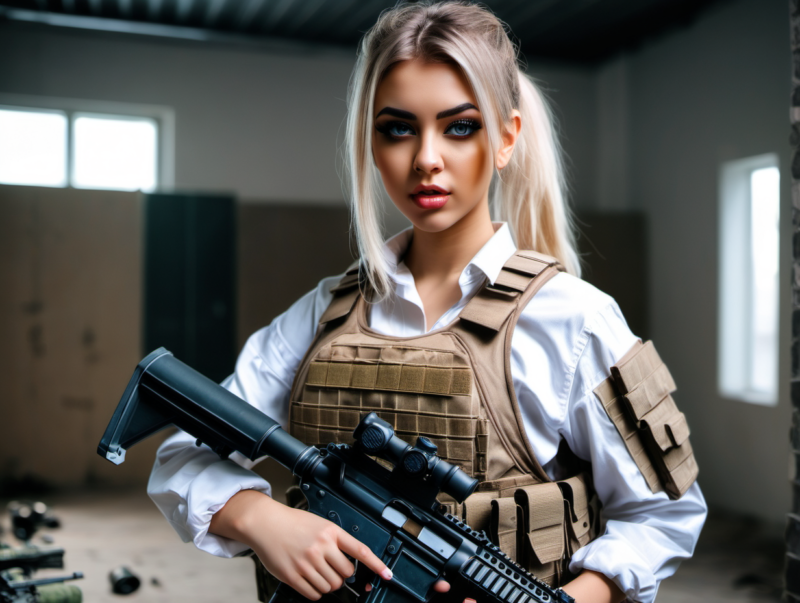
Finding a suitable venue is essential for a rewarding experience. Several categories of locations cater to different levels of commitment and style.
Sanctioned Airsoft Fields
These are commercial or privately owned sites that meet legal and safety standards, often holding liability insurance and employing trained referees. Facilities range from indoor “airsoft arenas” with modular walls and laser‑tag‑style layouts to expansive outdoor fields featuring woodland, abandoned structures, and purpose‑built fortifications. Sanctioned fields typically enforce velocity limits, provide rental gear, and host regular events, making them ideal for newcomers and seasoned players alike.
Local Teams and Clubs
Grassroots clubs organize weekly or monthly meet‑ups in public parks, private property, or rented venues. Membership usually grants access to a network of like‑minded players, informal training sessions, and the chance to participate in friendly scrimmages. Clubs often develop their own set of house rules, fostering a community‑driven atmosphere that can be more relaxed than a commercial field.
MilSim Events
MilSim (military simulation) gatherings are large‑scale, scenario‑driven affairs that can span multiple days and involve hundreds of participants. These events emphasize realism, with detailed briefings, supply drops, casualty evacuation, and role‑specific objectives. Players may be required to bring authentic‑looking uniforms, radio equipment, and field‑craft accessories. MilSim events are frequently hosted on remote military training grounds, historic battlefields, or dedicated outdoor complexes, offering an immersive experience for those seeking a deeper tactical challenge.
Regardless of the venue, prospective participants should verify that the field adheres to local regulations regarding BB velocity, age restrictions, and mandatory protective equipment. Familiarizing oneself with event schedules, required registration processes, and any additional fees ensures a smooth entry into the world of airsoft.
For anyone intrigued by the idea of stepping into a simulated battlefield without the hazards of live fire, airsoft presents a balanced combination of excitement, discipline, and community. By investing in proper protective gear, respecting the sport’s core rules, and selecting a weapon system that aligns with personal goals, a newcomer can quickly transition from a curious observer to an active participant.
The journey does not end at the first match. As players accumulate experience, they discover new layers of strategy—learning to read terrain, mastering communication protocols, and refining reload efficiency. The hobby’s expansive ecosystem—spanning equipment upgrades, tactical workshops, and collaborative events—offers continual growth opportunities.
In essence, airsoft is more than a pastime; it is a living laboratory for teamwork, problem‑solving, and physical fitness. Whether played on a modest local field or amid the sprawling terrain of a MilSim operation, the sport invites individuals to test their limits, forge lasting friendships, and revel in the shared pursuit of tactical excellence.


 24952 US-72, Athens, AL 35613, United States