El Monte
 Log in
Log in
Log in

United Skates of America Rumford Indoor Center is located in Rumford, RI.
United Skates of America Rumford, located in Rumford, Rhode Island, is a roller skating rink that offers a fun and active experience for all ages. With state-of-the-art equipment, spacious skating floors, and a variety of music genres, this rink provides an enjoyable and safe environment for skaters to enjoy. Whether you’re a seasoned pro or a beginner, United Skates of America Rumford has something for everyone. Come and join us for a thrilling roller skating session!
 Indoors
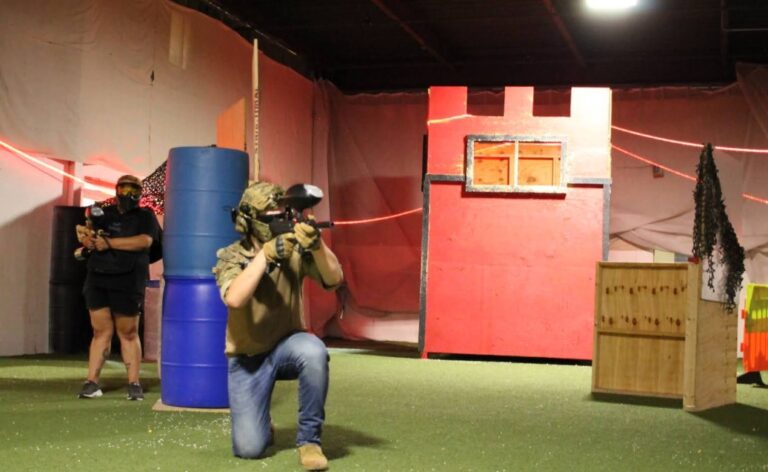
BattlegroundZ is located in Lincoln, RI.
BattleGroundz: Family Fun & Thrilling Experiences in Yacolt, WA
Choose BattleGroundz for a family fun day out, party, or corporate event. They offer a diverse range of activities including:
Arcade
Airsoft
Paintball
Gel Blaster
Lazer Wars
Archery Tag
Dodgeball
Dart Wars
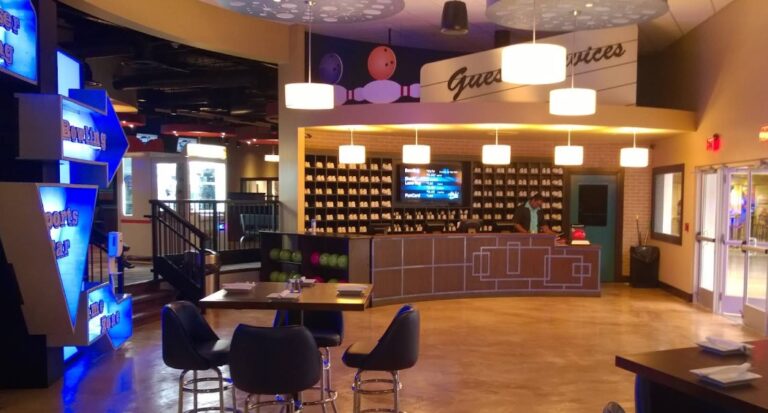
IndoorsCW Lanes & Games is located in Lincoln, RI.
CW Lanes & Games: Entertainment Hub in Lincoln, RI
CW Lanes & Games in Lincoln, RI, combines movie theater excitement with interactive games for a complete entertainment experience.
CWTheaters Lincoln 16 is a state-of-the-art 16-screen theater in Rhode Island. All screens feature stadium seating, wall-to-wall screens, and DLP digital sight and sound. They aim to provide the ultimate movie theater experience at a great price for the whole family. Theaters are focused on offering low, everyday pricing.
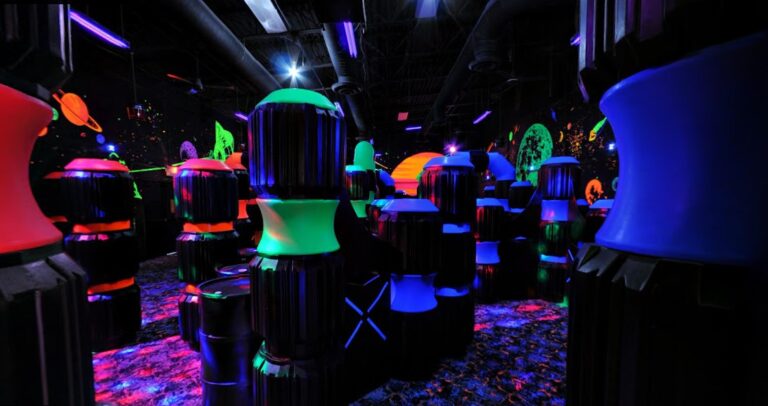
Gear Up for a Futuristic Laser Tag Adventure
Laser Tag presents a high-tech adventure where skills and imagination can be put to the test. Dodging lasers and strategizing with teammates provides an opportunity to compete for high scores and glory in a capture the flag version of the game. Laser tag is positioned as a perfect activity for birthday parties, team-building events, and family fun.
IndoorsLaunch Family Entertainment Warwick is located in Warwick, RI.
Launch Family Entertainment: Warwick, RI’s Premier Entertainment Destination
Launch Family Entertainment in Warwick, RI, provides a unique variety of attractions desirable for all ages.
Attractions:
Indoors
Laser‑tag is a fast‑paced, team‑oriented “combat” sport that uses infrared (IR) light to simulate futuristic weaponry. Players wear a vest or chest‑piece equipped with sensors and a handheld “phaser” that emits a low‑power IR beam. When a beam strikes a sensor, the vest registers a hit and displays it with a sound, a flash, or a score update. Unlike paintball, there is no projectile, no mess, and no safety‑gear beyond the vest, making the game instantly accessible to almost any age group or venue.
Modern laser‑tag systems are sophisticated: some incorporate GPS, motion‑tracking, or even augmented‑reality overlays that project digital obstacles onto a physical arena. The core idea, however, remains the same—teamwork, strategy, and the thrill of “out‑shooting” the opposition without any real danger.
One of the great strengths of laser‑tag is its flexibility. Below are some of the most popular scenarios that keep the experience fresh and exciting.
| Scenario | Description | Typical Setting |
|---|---|---|
| Free‑For‑All (FFA) | Every player for themselves. Points are earned by hitting any opponent. | Small indoor arena or outdoor field. |
| Team Deathmatch | Two (or more) teams compete to reach a target score or eliminate the opposing side. | Classic indoor arenas with barriers. |
| Capture the Flag | Teams must retrieve the opponent’s flag and bring it back to their base while defending their own. | Large outdoor area or multi‑room indoor complex. |
| Zombie Survival | One or two “zombies” start infected; they “tag” survivors, who then become zombies. The last human wins. | Darkened indoor arenas with fog effects. |
| Mission‑Based Ops | Players receive a briefing with objectives (e.g., defusing a “bomb,” rescuing a hostage). | Theme parks or custom‑built sets with props. |
| Competitive Leagues | Structured season play with rankings, playoffs, and trophies. | Dedicated laser‑tag centers with league scheduling software. |
| Augmented Reality (AR) Quests | Digital overlays appear on tablets or smart‑glasses, adding virtual enemies or puzzles. | High‑tech indoor venues or open fields with robust Wi‑Fi. |
Each scenario can be tweaked—change the time limit, adjust hit‑point penalties, add “power‑ups,” or layer multiple objectives—to match the skill level and interests of the participants.
Dr. Maya Patel, Human‑Factors Engineer, MIT
“Laser‑tag is a prime example of an embodied, interactive system that engages both the motor and cognitive domains simultaneously. Compared with sedentary video games, it prompts measurable physiological responses—elevated heart rate, greater caloric burn, and positive affective valence. Its potential as a tool for physical‑rehabilitation is being explored in several pilot studies.”
Prof. Lars Johansson, Sports Psychologist, University of Stockholm
“Team‑based laser‑tag triggers the same social cohesion mechanisms we see in traditional sports. The quick feedback loop (instant hit notification) reinforces learning and keeps participants motivated. It’s a low‑barrier entry point for people who might feel intimidated by contact sports.”
Industry Insight – LaserTag Technologies (LT) CEO, Elena Morales
“Our latest platform integrates Bluetooth Low Energy beacons with AI‑driven analytics. Organizers can now generate real‑time heat maps of player movement, allowing coaches to dissect tactics post‑game. This data‑rich environment is attracting corporate wellness programs and even military training units looking for safe, cost‑effective scenario rehearsal.”
Health‑Policy Perspective – Dr. Carlos Mendes, WHO Physical Activity Advisor
“In low‑resource settings, portable laser‑tag kits offer a scalable way to meet WHO’s recommendation of at least 150 minutes of moderate‑intensity activity per week. Because equipment is inexpensive to maintain and can be used in schools, it aligns with public‑health goals of increasing active play among youth.”
Collectively, these voices affirm that laser‑tag is not merely a novelty; it’s a legitimate, research‑backed avenue for improving physical fitness, mental health, and collaborative skills.
Laser‑tag’s safe, non‑violent veneer makes it a favorite for families seeking active recreation. Parents appreciate that children can burn off energy without the mess of paintball or the risk of hard projectiles.
Competitive leagues, “e‑sports” style tournaments, and high‑energy scenario nights attract teenagers who crave fast‑paced social competition. Many schools now incorporate laser‑tag into physical‑education curricula as a modern alternative to conventional ball games.
Team‑building workshops leverage laser‑tag to surface leadership styles, communication gaps, and decision‑making processes in a fun, low‑stakes environment. It’s especially popular for onboarding new hires or celebrating quarterly milestones.
Thanks to lightweight vests and adjustable sensitivity settings, senior centers and disability programs use laser‑tag to promote mobility and social interaction. Specialized “slow‑motion” modes allow participants with limited agility to enjoy the game on their own terms.
A birthday party built around laser‑tag creates an unforgettable adventure. Packages often include:
Parents love the blend of safe play and immersive storytelling—no need to worry about cleaning up paint or broken equipment.
Graduation celebrations can be transformed into “mission‑complete” events. Graduates form squads, complete a series of progressive challenges, and finish with a “final boss” showdown. The shared experience reinforces camaraderie as classmates transition to the next life stage.
Corporate events often include:
These sessions translate into measurable improvements in teamwork metrics, as reported by post‑event surveys.
| Feature | Advantages | Typical Locations |
|---|---|---|
| Controlled lighting | Precise infrared detection, immersive ambiance with blacklight or laser effects. | Dedicated laser‑tag centers, amusement parks, malls. |
| All‑weather reliability | No rain, wind, or temperature concerns. | Urban entertainment districts. |
| Modular layouts | Walls, obstacles, and props can be rearranged quickly for varied scenarios. | Multi‑room facilities with themed chambers. |
| Technology integration | Easy installation of AR projectors, sound systems, and scoring consoles. | High‑tech experience centers. |
| Feature | Advantages | Typical Locations |
|---|---|---|
| Large play area | Enables expansive scenarios like “Capture the Flag” across acres. | Parks, forest clearings, university campuses. |
| Natural obstacles | Trees, terrain, and structures add realism to tactical gameplay. | Adventure resorts, military training grounds. |
| Portable setups | Pop‑up inflatable arenas or temporary sensor nets allow events at festivals. | Community fairs, corporate retreats. |
| Day‑light fun | Sunlight adds an extra sensory dimension, great for family picnics. | Beach fronts, lakeside venues. |
From its humble beginnings as a sci‑fi novelty in the 1980s to today’s data‑driven, immersive experiences, laser‑tag has evolved into a versatile platform that blends physical activity, strategic gameplay, and social connection. Whether you’re a child chasing the thrill of a “laser blast,” a corporate team seeking innovative bonding, or a researcher exploring new avenues of active play, laser‑tag offers a compelling, low‑risk, high‑reward solution.
As technology continues to merge infrared tracking with AI, AR, and even biometric feedback, the next generation of laser‑tag will likely blur the line between game and training, entertainment and education. The arena is set, the phasers are charging—are you ready to step into the beam?


 75 New Rd, Rumford, RI 02916, United States