El Monte
 Log in
Log in
Log in

Sorry. We don’t know any airsoft locations in this city yet
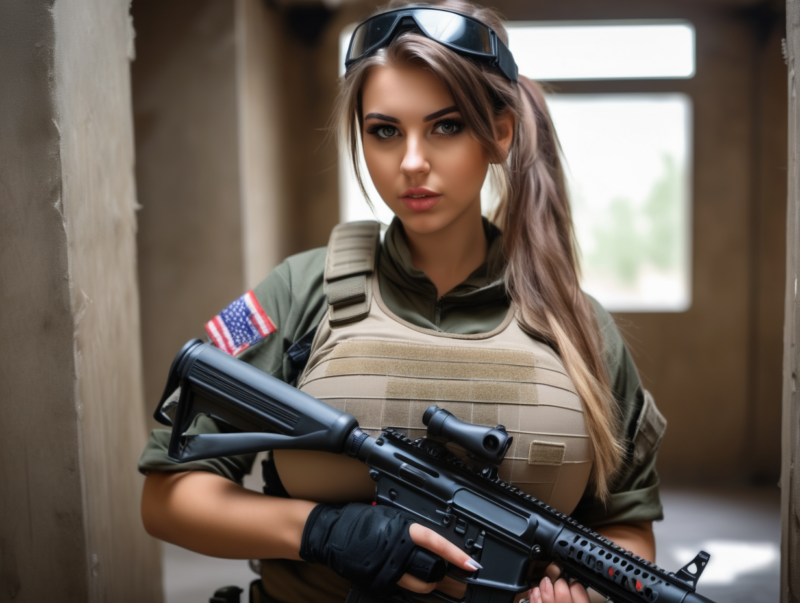
Airsoft is a sport that pits teams against each other in simulated combat using replica firearms that fire 6 mm plastic BBs. Unlike paintball, the pellets leave minimal visible evidence, allowing for more realistic, stealth‑oriented gameplay. The sport’s appeal lies in a blend of realism, teamwork, and strategic planning. Players adopt military‑style tactics, navigate diverse terrains, and execute coordinated maneuvers that mimic real‑world combat scenarios.
A typical airsoft match can range from a quick 15‑minute “objective‑capture” round to an all‑day “military simulation” (MilSim) event that lasts several hours. The variety of game modes—such as “capture the flag,” “king of the hill,” “bomb defusal,” and “hostage rescue”—ensures that each session feels fresh, challenging participants to think on their feet and adapt their tactics.
Customization is another pillar of the hobby. From adjustable hop‑up units that fine‑tune BB trajectory to modular rail systems that accommodate optics, foregrips, and laser sights, players can tailor their weapons to match personal play styles. This level of personalization feeds a vibrant community of hobbyists who share build guides, trade parts, and host workshops, turning a simple pastime into a lifelong passion.
Getting started in airsoft doesn’t require a massive investment, but certain pieces of equipment are non‑negotiable for safety and comfort. Newcomers should prioritize the following items:
The most critical safeguard, a pair of impact‑rated goggles or full‑face masks that meet ANSI Z87.1 standards, protects against high‑velocity BBs. Many fields require sealed lenses to prevent accidental exposure.
Tactical gloves shield the hands from BB strikes, rough vegetation, and the occasional snag on equipment. Reinforced palms improve grip on a weapon’s grip and trigger.
Combat‑style boots with ankle support and thick soles provide traction on uneven terrain and guard against BB impacts to the feet. Waterproof options are advisable for outdoor fields that become muddy after rain.
These pads absorb the shock of crawling, prone positioning, and sudden falls, reducing bruises and abrasions during extended games.
A lightweight tactical helmet offers head protection and a mounting platform for accessories such as night‑vision devices or communication headsets. Adding a lower‑face guard or a full‑face mask completes the protective envelope, especially in close‑quarter scenarios.
Investing in quality protective gear not only complies with most field regulations but also builds confidence, allowing new players to focus on strategy rather than worrying about injuries.
Airsoft fields worldwide operate under a shared set of principles that keep the sport safe and enjoyable for everyone. The three pillars—Safety First, The Honour System, and Respect—are easy to remember yet vital to enforce.
All participants must treat every BB as a potential threat. This means maintaining a safe distance from non‑players, never firing at anyone without proper eye protection, and keeping weapons in a “safe” mode (usually a trigger lock or safety switch) when moving between engagements. Field staff often require players to perform a “safety check” before stepping onto the playing area, verifying that goggles are on and weapons are properly inspected.
Airsoft relies heavily on self‑regulation. When a player is hit, they must immediately call “hit” and signal their status by raising a hand or stepping out of the active zone. There are no electronic “kill‑counters” that override human honesty; the community expects players to abide by the rule that a single hit disables a participant for the remainder of the round. Violations—whether intentional or accidental—are usually met with penalties such as disqualification or temporary bans.
Respect extends beyond the battlefield. Players should treat opponents, teammates, referees, and field staff with courtesy. This includes abiding by field rules regarding noise levels, respecting the environment (no littering or damaging property), and maintaining good sportsmanship regardless of the outcome. A respectful atmosphere encourages newcomers to stay, fostering a thriving community.
Airsoft firearms fall into three main categories, each with distinct operating mechanisms, performance characteristics, and maintenance requirements.
AEGs are the most common entry‑level weapons. Powered by a rechargeable lithium‑ion battery, they use an internal motor to drive a gearbox that compresses a spring, propelling BBs at velocities ranging from 250 fps (feet per second) to 400 fps depending on the model and upgrades. Their semi‑automatic and fully‑automatic firing modes, coupled with realistic weight and recoil, make them popular for both beginners and seasoned players. Maintenance involves periodic gearbox cleaning and lubrication.
These rifles and pistols use compressed gas—either green gas (propane‑based) or CO₂—to fire BBs. Gas guns deliver a realistic blowback action, mimicking the recoil of real firearms. They excel in close‑quarter engagements where rapid, accurate fire is needed. However, performance can fluctuate with temperature: colder weather reduces gas pressure, diminishing velocity. Gas guns demand careful handling of propellants and regular seal checks to avoid leaks.
Spring guns operate on a simple mechanical principle: the user manually compresses a spring before each shot. This category includes sniper rifles, pistols, and some cost‑effective “budget” rifles. While their rate of fire is low—typically one shot per trigger pull—spring guns are prized for their reliability and low maintenance. They are an excellent choice for players who enjoy precision shooting or who want a low‑cost introduction to the hobby.
Each type offers a different balance of realism, cost, and performance, allowing players to select a platform that aligns with their preferred style of play.
Researchers and industry analysts view airsoft through both a safety lens and a market growth lens. From a safety standpoint, studies indicate that the kinetic energy of a typical 0.20 g BB traveling at 350 fps is comparable to a rubber bullet, resulting in superficial skin abrasions rather than penetrating injuries when proper protective gear is worn. Consequently, the consensus among safety experts is that, with mandated eye protection and adherence to field rules, airsoft poses a low risk of serious harm.
Economically, market reports highlight airsoft’s rapid expansion, especially in North America and Asia. The sport’s crossover appeal—drawing enthusiasts from paintball, video gaming, and tactical training—has spurred a surge in sales of high‑end replica weapons, accessories, and apparel. Industry experts also note the growing influence of MilSim events, which blend entertainment with realistic tactical training, attracting participants from law‑enforcement and military backgrounds seeking low‑cost scenario rehearsal.
Psychologically, some scholars suggest that airsoft’s emphasis on teamwork and strategy can foster social cohesion and improve problem‑solving abilities. Controlled studies have shown that participants often develop better communication skills and heightened situational awareness after regular gameplay, underscoring the sport’s potential as a constructive outlet for stress and aggression.
Airsoft’s player base cuts across age groups, professions, and cultural backgrounds. Teens discover the sport through friends or school clubs, attracted by the adrenaline rush and the opportunity to test tactical thinking. Young adults—particularly those with an interest in military history, video games, or outdoor activities—form the core demographic, often joining organized teams or competing in regional tournaments.
Professionally, law‑enforcement officers and military personnel sometimes engage in airsoft as a low‑cost training tool, rehearsing urban combat scenarios without the logistical challenges of live ammunition. Corporate team‑building programs also incorporate airsoft to promote communication, leadership, and trust among employees.
Women’s participation has risen steadily, with dedicated female squads and inclusive events encouraging a more balanced gender representation. Overall, the hobby’s open‑door policy—where anyone can buy a starter kit, learn the rules, and join a local game—has cultivated a diverse and welcoming community.
Finding the right venue can greatly enhance the airsoft experience. Players have several options depending on their location, skill level, and preferred style of play.
These are commercial or municipal sites that have obtained the necessary permits, insurance, and safety certifications. Fields typically feature varied terrain—forests, abandoned warehouses, urban mock‑ups—and enforce standardized rules. Many offer rental equipment, making them ideal for newcomers who have not yet invested in personal gear.
Grassroots clubs often meet at public parks, private land, or rented indoor spaces. Membership provides regular practice sessions, mentorship from seasoned players, and opportunities to organize custom game scenarios. Clubs also serve as social hubs, facilitating the exchange of tips on weapon upgrades, tactics, and field etiquette.
MilSim (Military Simulation) events are large‑scale, often multi‑day affairs that aim to replicate realistic combat missions. Participants may be assigned roles—such as squad leader, medic, or communications specialist—and follow a storyline that includes objectives, casualties, and logistical challenges. These events can be hosted by dedicated MilSim organizations, veteran groups, or even hobbyist collectives, and they usually require a higher level of equipment and preparation.
Regardless of the venue, the best experience comes from selecting a setting that matches one’s skill level, equipment, and desired level of immersion. Many players progress from casual field days to organized MilSim events as they become more comfortable with tactics, teamwork, and equipment customization.
Airsoft is more than a game of shooting plastic pellets; it is a dynamic blend of realism, strategy, and community. From the moment a newcomer straps on a pair of certified goggles and steps onto a field, the sport offers a structured environment where safety, honour, and respect are paramount. The variety of weapons—whether electric, gas‑powered, or spring‑driven—allows players to choose a platform that aligns with their tactical preferences and budget.
Scientific and industry analyses confirm that, when proper safety measures are observed, airsoft presents a low‑risk, high‑reward pastime that promotes teamwork, problem‑solving, and physical activity. Its appeal spans teenagers, young adults, professionals, and women alike, fostering an inclusive community that thrives on shared experiences and continuous innovation.
Whether playing a fast‑paced “capture the flag” match at a local field, joining a club’s weekly scrimmage, or immersing oneself in a multi‑day MilSim operation, airsoft provides a versatile canvas for tactical imagination. By respecting the foundational rules, investing in essential protective gear, and embracing the sport’s collaborative spirit, participants can enjoy endless hours of engaging, adrenaline‑charged action while building lasting friendships and sharpening valuable life skills.